How Nonverbal Communication Affects Social Success in Middle School
“`html
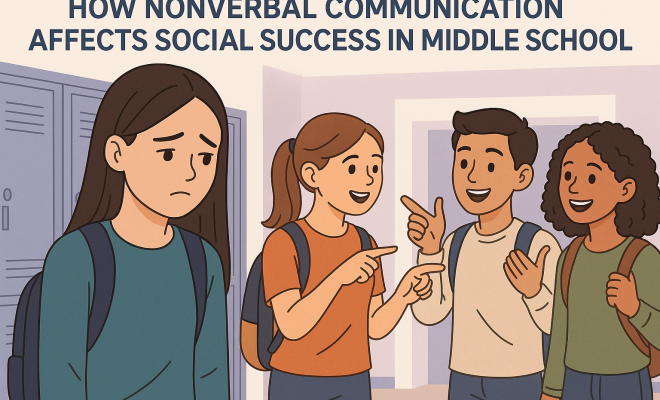
Navigating the treacherous waters of middle school can be challenging for many students. It’s a time of rapid change, both physically and emotionally, and social dynamics are constantly shifting. While academics are important, the ability to connect with peers is often crucial for overall success. One of the most powerful yet frequently overlooked tools in this arena is nonverbal communication. This article will explore how nonverbal communication affects social success in middle school, highlighting its significance, the types involved, and practical strategies for students to enhance their social skills.
Understanding Nonverbal Communication
Before diving into its impact on middle school students, it’s essential to grasp what nonverbal communication entails. At its core, nonverbal communication includes all the ways we convey messages without spoken words. This can encompass facial expressions, body language, gestures, posture, eye contact, and even spatial distance between individuals.
Research suggests that a significant portion of our communication—up to 93%—is conveyed nonverbally. This statistic underscores why middle school students, who are often still developing their verbal communication skills, must pay close attention to how they express themselves without words. Effective nonverbal communication can foster friendships, build rapport, and enhance group dynamics, all of which are vital in a school setting.
Why Nonverbal Communication Matters in Middle School
In middle school, students are not just learning academic content; they are also honing their social skills. This transitional stage is crucial as they begin to form their identities and navigate peer relationships. Here’s why nonverbal communication matters:
- Establishing Connections: Nonverbal cues help students express friendliness, openness, and interest, making it easier to forge connections. A warm smile or open body language can invite others to engage.
- Conflict Resolution: In any social setting, misunderstandings are bound to happen. Nonverbal signals can either escalate a conflict or help to de-escalate it. For instance, maintaining calm body language can signal a willingness to resolve an issue peacefully.
- Building Confidence: Mastering nonverbal communication can significantly bolster a student’s self-esteem. When they understand how to use body language effectively, they feel more competent in social interactions.
Key Types of Nonverbal Communication
Understanding the different types of nonverbal communication can empower students to use them more effectively. Here are some key forms:
Facial Expressions
Facial expressions are perhaps the most immediate and recognizable form of nonverbal communication. A smile can convey friendliness, while a frown may indicate discontent. For middle schoolers, being adept at reading and using facial expressions can help them respond appropriately in social situations.
Body Language
Body language encompasses posture, gestures, and movements. For example, crossing arms might signal defensiveness, while leaning forward can indicate interest. Middle school students who can interpret these signals are better equipped to understand their peers’ feelings and respond accordingly.
Eye Contact
Making eye contact is critical for building trust and rapport. However, too much or too little can convey different messages. In a middle school setting, students who maintain appropriate eye contact can appear more engaged and trustworthy, which can enhance their social interactions. (See: research on nonverbal cues.)
Proxemics
Proxemics refers to the use of personal space. Different cultures and individuals have varying comfort levels with physical proximity. Middle school students should be aware of their peers’ comfort zones and adjust their distance accordingly to avoid discomfort and foster positive interactions.
The Role of Nonverbal Communication in Group Settings
Middle school often involves collaborative projects and group activities, making nonverbal communication even more vital. Here’s how it plays out in group settings:
- Leadership: Nonverbal signals can establish authority and influence within a group. Leaders who exhibit confident body language and maintain good eye contact often find it easier to guide discussions and motivate peers.
- Teamwork: Nonverbal cues can enhance collaboration. Students who actively nod or use open body language signal that they are engaged and supportive, fostering a sense of teamwork.
- Conflict Management: Groups inevitably face tensions. Students skilled in nonverbal communication can recognize when a peer is upset and intervene appropriately, perhaps by using calming gestures or a soothing tone of voice.
Challenges of Nonverbal Communication in Middle School
While the advantages of nonverbal communication are clear, it’s important to recognize that there are also challenges. Middle school is a time of self-discovery and identity formation, which can complicate nonverbal interactions. Here are some common issues:
- Misinterpretation: Nonverbal cues can be misread. For instance, a student who avoids eye contact might be seen as uninterested, even if they’re simply shy. This can lead to misunderstandings and social friction.
- Inconsistency: Sometimes, verbal and nonverbal messages don’t align. A student might say they’re okay while their body language suggests otherwise. This inconsistency can confuse peers and undermine trust.
- Peer Pressure: In a high-stakes social environment, students may feel pressured to conform to specific nonverbal norms, which can lead to inauthentic behavior and anxiety.
Teaching Nonverbal Communication Skills
So, how can students develop their nonverbal communication skills? Parents, teachers, and mentors can play a crucial role. Here are some effective strategies:
- Role-Playing: Engage students in role-playing exercises that simulate various social scenarios. This can help them practice reading and using nonverbal cues in a supportive environment.
- Observation Activities: Encourage students to watch interactions in real life or media, focusing on nonverbal signals. Discussing these observations can deepen their understanding.
- Feedback Sessions: Create opportunities for peer feedback on nonverbal communication. Constructive criticism can help students fine-tune their skills.
Current Relevance of Nonverbal Communication
As society becomes increasingly digital, the importance of nonverbal communication remains unwavering. In a world dominated by screens, many middle schoolers are missing out on direct interactions, which can hinder their ability to read nonverbal cues. This is a pressing concern, as strong social skills are vital for future success in both personal and professional environments.
Moreover, with the rise of social media, students are often forced to communicate through text and emojis, which can dilute the richness of nonverbal expressions. Understanding how to navigate both in-person and digital interactions is essential for modern middle school students.
Common Misconceptions about Nonverbal Communication in Middle School
There are several misconceptions surrounding nonverbal communication that can affect middle school students’ understanding and implementation of these skills:
- It’s All About Body Language: While body language is critical, nonverbal communication also includes facial expressions, tone of voice, and even the context of a situation. Students should recognize that all these aspects work together to convey meaning.
- People Always Interpret Nonverbal Signals the Same Way: Different cultures and individual experiences can lead to diverse interpretations of nonverbal cues. Middle school students should learn to consider context and not make assumptions based on their interpretations alone.
- Nonverbal Communication Is Not Important: Some students may prioritize verbal communication over nonverbal. However, nonverbal communication can significantly impact how messages are received and understood, making it just as important.
Real-Life Applications of Nonverbal Communication Skills
Understanding and applying nonverbal communication skills can offer several benefits in various real-life scenarios: (See: nonverbal communication in education.)
- Making New Friends: Students who can effectively use nonverbal cues are more likely to initiate friendships. A smile, a nod, or open posture can invite others to approach them.
- Participating in Class: Nonverbal communication can enhance classroom participation. Students who maintain eye contact with teachers and engage through body language show they are attentive and interested in lessons.
- Handling Conflict: In cases of disagreements, recognizing body language can help students de-escalate situations. Understanding when a peer is uncomfortable or defensive can lead to more productive conversations.
Statistics on Nonverbal Communication
Understanding the impact of nonverbal communication is further enhanced through some revealing statistics:
- A study by the University of California found that 55% of communication effectiveness comes from body language, 38% from vocal elements, and only 7% from words.
- According to a survey from the American Psychological Association, over 70% of respondents recognized that body language was more impactful than spoken words in conveying true feelings.
- Research has indicated that individuals who are adept at interpreting nonverbal cues are more likely to succeed in both personal and professional relationships.
Expert Perspectives on Nonverbal Communication
Experts in communication and child development emphasize the significance of nonverbal communication in middle school settings. Dr. Susan Weinschenk, a behavioral psychologist, states, “Children who learn to read nonverbal cues are better equipped to handle social situations and build meaningful relationships.” In addition, Dr. Mark Brackett, director of the Yale Center for Emotional Intelligence, highlights that “emotional intelligence, which includes understanding nonverbal cues, plays a pivotal role in a child’s ability to thrive in school and in life.”
Frequently Asked Questions (FAQ)
What are some signs of effective nonverbal communication in a middle school setting?
Signs of effective nonverbal communication include maintaining eye contact, having an open posture, using gestures to emphasize points, and mirroring the body language of peers to build rapport.
How can I help my child improve their nonverbal communication skills?
Encourage them to practice in everyday situations, provide feedback, and role-play various scenarios. Discussing their observations from social interactions can also be beneficial.
Can nonverbal communication vary by culture?
Absolutely! Different cultures have unique norms regarding personal space, gestures, and eye contact. Teaching students about cultural differences in nonverbal communication can promote understanding and inclusivity.
What should a student do if their nonverbal signals are misinterpreted?
If a student realizes their nonverbal signals are being misinterpreted, they should clarify their intentions verbally and adjust their body language to align more closely with their intended message.
Practical Activities for Developing Nonverbal Skills
To help students cultivate their nonverbal communication skills, engaging in practical activities can be incredibly effective. Here are some activities that can easily be incorporated into classroom settings or at home:
- Charades: This classic game can be a fun way to practice interpreting and using body language without words. Students can take turns acting out phrases or emotions while their peers guess, highlighting the importance of gestures and expressions.
- Emotion Walk: Have students walk around the classroom while embodying specific emotions. For example, asking them to walk as though they’re excited, sad, or angry can help them understand how body language reflects feelings.
- Nonverbal Storytelling: Students can be assigned to tell a story using only gestures and facial expressions. This encourages creativity while focusing on the effectiveness of nonverbal communication.
The Impact of Digital Communication on Nonverbal Skills
In today’s digital age, middle school students are increasingly communicating through text messages, social media, and video calls. While these platforms offer unique advantages, they can also limit the nuances of nonverbal communication. Here are some key points regarding the impact of digital communication on social skills:
- Reduced Face-to-Face Interaction: With the prevalence of texting and social media, students may miss out on opportunities to practice reading body language and expressions, which are vital in in-person interactions.
- Use of Emojis: While emojis can convey emotions, they often lack the depth and context of real-life expressions. Students may rely too heavily on these digital symbols and miss the opportunity to develop their own nonverbal communication skills.
- Video Calls: Although video calls allow for some nonverbal communication, technical issues can create barriers. Students may struggle with interpreting signals correctly if the connection is poor or if the camera angle is unflattering.
Building Empathy Through Nonverbal Communication
Nonverbal communication plays a significant role in developing empathy among middle school students. By honing their ability to read nonverbal cues, students can better understand and relate to their peers’ feelings. Here’s how nonverbal communication fosters empathy:
- Understanding Emotions: When students learn to interpret facial expressions and body language, they become more attuned to the emotions of others, enabling them to respond with kindness and support.
- Creating Safe Spaces: Students who practice effective nonverbal communication can create environments where peers feel comfortable expressing their emotions, thus enhancing overall social dynamics.
- Encouraging Active Listening: Nonverbal cues, such as nodding or maintaining eye contact, signal active listening. This reinforces the idea that students are engaged and interested in what their peers have to say.
Real-World Examples of Nonverbal Communication
To contextualize the concept of nonverbal communication, consider some real-world scenarios where these skills are crucial:
- Job Interviews: When students transition to high school or beyond, they will likely go through job interviews. Understanding nonverbal cues can significantly impact their chances of making a good impression. For instance, confident posture and eye contact can convey professionalism and preparedness.
- Sports Teams: Nonverbal communication is often essential in team sports. Players must rely on gestures and body language to coordinate plays and strategies without excessive verbal communication.
- Public Speaking: When presenting in front of a class, students can use nonverbal techniques, such as gestures and facial expressions, to enhance their message and engage their audience.
Conclusion: Embracing Nonverbal Communication
In the complex social landscape of middle school, nonverbal communication serves as a cornerstone of social success. By mastering this form of communication, students can bridge the gap between verbal exchanges and emotional understanding, leading to more fulfilling relationships and a supportive social environment.
As educators and parents, fostering awareness of nonverbal cues can equip students with the tools they need to thrive socially. In a time when genuine connections can feel fleeting, emphasizing the power of nonverbal communication will not only help students navigate middle school but will also lay the groundwork for their future interactions. So, let’s encourage our students to embrace their body language, facial expressions, and the unspoken messages they send, ensuring they’re well-prepared for social success now and in the years to come.
“`
Trending Now
Frequently Asked Questions
How does nonverbal communication impact middle school relationships?
Nonverbal communication plays a crucial role in middle school relationships by conveying emotions and intentions without words. Students can express friendliness, openness, and interest through body language, facial expressions, and gestures, which helps in forming connections and building rapport with peers.
What are examples of nonverbal communication in middle school?
Examples of nonverbal communication in middle school include facial expressions, eye contact, posture, gestures, and spatial distance. These cues can indicate feelings such as happiness, confidence, or discomfort, influencing how students interact and connect with one another.
Why is nonverbal communication important for social success?
Nonverbal communication is vital for social success as it accounts for up to 93% of communication. In middle school, where verbal skills are still developing, effective nonverbal cues can enhance friendships, improve group dynamics, and foster a supportive social environment.
How can students improve their nonverbal communication skills?
Students can improve their nonverbal communication skills by practicing positive body language, maintaining eye contact, and being aware of their facial expressions. Engaging in group activities and observing peers can also help them recognize effective nonverbal cues in social interactions.
What role does body language play in middle school interactions?
Body language plays a significant role in middle school interactions as it helps convey emotions and attitudes. Positive body language, such as open posture and friendly gestures, can create a welcoming environment, making it easier for students to connect and communicate effectively with their peers.
Have you experienced this yourself? We’d love to hear your story in the comments.