Reading Nonverbal Cues: Activities for High School Students
“`html
Introduction to Nonverbal Communication
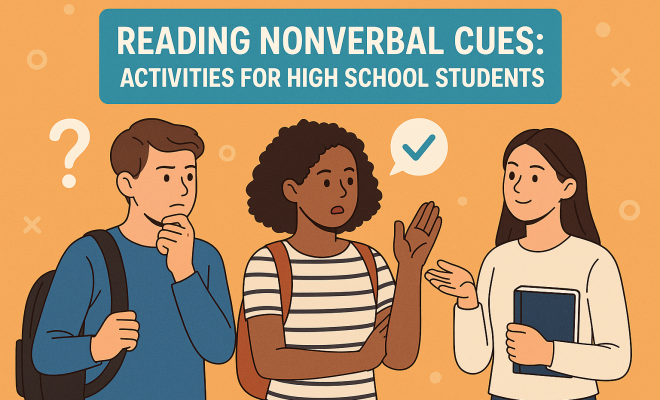
Nonverbal communication plays a pivotal role in how we interact with others. Many studies suggest that a significant percentage of our communication is conveyed through body language, facial expressions, and gestures rather than words. For high school students, mastering these nonverbal cues can enhance social skills, improve relationships, and foster better understanding in various contexts. In this article, we’ll explore engaging nonverbal communication activities for high school students that can help them become more aware of the subtle signals they send and receive.
The Importance of Nonverbal Communication
Understanding nonverbal cues is essential not just for effective communication but also for emotional intelligence. Research indicates that people tend to trust nonverbal signals more than verbal ones, making it crucial for students to develop this skill set in their formative years. Nonverbal communication includes facial expressions, posture, eye contact, gestures, and even silence. These elements can convey emotions, intentions, and reactions, often saying much more than words alone.
In a high school setting, students frequently engage in group projects, presentations, and social interactions that require clear communication. Misunderstandings can arise when nonverbal cues are overlooked or misinterpreted. Therefore, incorporating nonverbal communication activities into the curriculum can provide students with practical skills that will serve them well in academia and beyond.
1. Nonverbal Charades
This activity is a fun and interactive way to get students thinking about body language and expressions. In Nonverbal Charades, students take turns acting out a word or phrase without using words or sounds while the rest of the class guesses what it is. This could include emotions, professions, or actions. The key here is to focus on how students communicate their ideas through gestures and facial expressions.
**Practical Tips:**
- Divide students into small teams to encourage collaboration.
- Set a time limit for each round to keep the energy high.
- After each round, discuss what nonverbal cues were effective and why.
2. The Eye Contact Challenge
Eye contact can significantly influence how messages are received. The Eye Contact Challenge involves students pairing up and having a conversation where they must maintain eye contact for a specified duration. This activity helps students recognize the power of eye contact in conveying confidence and sincerity.
**Practical Tips:**
- Encourage students to share personal stories or experiences during the exercise.
- Discuss feelings and reactions to maintaining eye contact—was it uncomfortable, empowering, or distracting?
3. Emotion Flashcards
In this activity, students use flashcards featuring different emotions and practice expressing these emotions nonverbally. One student holds up a card, and their classmates must guess the emotion based solely on facial expressions and body language. This exercise sharpens students’ skills in both expressing and interpreting emotions.
**Practical Tips:**
- Use a diverse range of emotions, including complex ones like jealousy or nostalgia.
- Encourage students to exaggerate their expressions to help with recognition.
4. Mirror, Mirror
The Mirror exercise involves students pairing up and taking turns mimicking each other’s movements and facial expressions as if they were mirrors. This activity not only fosters awareness of body language but also improves empathy and connection between students.
**Practical Tips:**
- Start with slow movements, then gradually increase speed for added fun.
- After the activity, discuss how it felt to mirror someone else and if they noticed any challenging aspects.
5. The Silent Line-Up
In this intriguing activity, students must line up in a certain order (by height, birthday, etc.) without speaking. They can only communicate through gestures and nonverbal cues. This exercise encourages teamwork and creative problem-solving while highlighting the significance of nonverbal communication.
**Practical Tips:**
- Challenge the class with different criteria for lining up to keep the activity fresh.
- Debrief after the exercise to discuss the strategies they used to communicate effectively.
(See: nonverbal communication and emotional intelligence.)
6. Storytelling Through Gestures
Students can develop their storytelling skills by narrating a simple story or personal experience using only gestures and movements. The audience must interpret the story based purely on the nonverbal presentation. This activity emphasizes the importance of body language in storytelling and communication.
**Practical Tips:**
- Allow students to rehearse for a few minutes before presenting.
- Afterward, ask the audience to share their interpretations and discuss the effectiveness of the gestures used.
7. Nonverbal Communication Role Play
Role play is a highly effective way to practice nonverbal communication in real-life scenarios. Students can work in pairs or small groups to create short skits that highlight specific nonverbal interactions, such as conflict resolution, friendship dynamics, or a job interview.
**Practical Tips:**
- Encourage students to incorporate various nonverbal signals, such as tone, pace, and volume, in addition to body language.
- After each performance, have a discussion about what worked well and what could be improved.
8. Nonverbal Communication Journals
Keeping a journal focused on nonverbal communication can help students reflect on their interactions throughout the school day. They can note instances where they felt their body language was effective or when they misinterpreted someone else’s nonverbal cues.
**Practical Tips:**
- Set aside time each week for students to share their thoughts or experiences from their journals.
- Encourage them to explore how their awareness of nonverbal cues is evolving over time.
9. Analyzing Film and Media
Films and television shows provide a rich source of nonverbal communication examples. By analyzing scenes from popular movies, students can identify and discuss the nonverbal cues displayed by characters. This activity can also lead to discussions about cultural differences in nonverbal communication.
**Practical Tips:**
- Select clips that prominently feature nonverbal communication, such as silent scenes or dramatic moments.
- Discuss how different cultures interpret body language and expressions, promoting awareness of cultural diversity.
10. Nonverbal Communication Debates
In this unique activity, students engage in a debate but with a twist—they can only use nonverbal communication to express their arguments. This encourages them to think critically about how to convey their points without relying on verbal language.
**Practical Tips:**
- Set clear guidelines for the debate format and topics to keep students focused.
- After the debate, hold a discussion on how effectively they felt they communicated and any challenges they encountered.
11. Understanding Cultural Differences in Nonverbal Communication
Nonverbal communication can vary significantly across cultures. High school students should learn about these differences to interact effectively with peers from diverse backgrounds. For instance, while eye contact is considered a sign of confidence in many Western cultures, it can be seen as rude or confrontational in some Asian cultures. Understanding these nuances can prevent misunderstandings and help students build better relationships.
**Practical Tips:**
- Invite students to research and present on different cultural norms regarding nonverbal communication.
- Facilitate discussions on how these differences can impact their interactions in multicultural settings.
12. Using Art to Express Nonverbal Communication
Art can serve as a powerful medium for expressing emotions and ideas nonverbally. Students can engage in activities like creating paintings or collages that represent feelings or experiences without words. This approach encourages creativity while deepening their understanding of how visual elements communicate messages.
**Practical Tips:**
- Host an art exhibition where students display their pieces and explain the emotions behind them without using words.
- Encourage students to reflect on the nonverbal cues present in their artwork and how those may differ from verbal descriptions.
(See: how to read body language.)
13. Nonverbal Communication in Sports
Sports provide an excellent context for exploring nonverbal communication. Team dynamics rely heavily on nonverbal cues, such as hand signals, body posture, and facial expressions. Students can participate in team sports and analyze how players communicate without using words. This can be particularly useful for those interested in athletics or physical education.
**Practical Tips:**
- Encourage students to observe and discuss the nonverbal communication strategies used by successful teams.
- Engage in activities like basketball or soccer drills where players must communicate nonverbally to execute plays effectively.
14. The Impact of Social Media on Nonverbal Communication
In today’s digital age, social media plays a significant role in how we communicate. Students often rely on emojis, gifs, and image sharing to convey feelings and messages. Discussing how these modern forms of nonverbal communication impact interpersonal interactions can provide students with valuable insights.
**Practical Tips:**
- Have students analyze their social media interactions and discuss how effectively they think they communicate nonverbally online.
- Encourage students to create a campaign promoting the importance of real-life nonverbal communication skills, emphasizing the limitations of digital communication.
15. Nonverbal Communication and Conflict Resolution
Understanding nonverbal cues is critical in conflict resolution. Students can engage in role-playing scenarios that require them to resolve conflicts using nonverbal communication. This activity can help them develop negotiation skills and recognize the importance of remaining calm and composed during disagreements.
**Practical Tips:**
- Facilitate discussions on how body language can escalate or de-escalate conflicts.
- Provide examples of effective nonverbal communication in high-stress situations and analyze them with the students.
16. Nonverbal Communication and Emotional Intelligence
Emotional intelligence is closely linked to nonverbal communication. Activities that focus on recognizing and interpreting emotions can enhance students’ emotional intelligence. For instance, students can participate in activities where they are tasked with identifying the emotions of their peers based on facial expressions and body language.
**Practical Tips:**
- Incorporate emotional intelligence training into nonverbal communication activities, emphasizing how understanding others’ emotions can improve social interactions.
- Provide scenarios where students can practice responding to different emotional cues.
17. The Benefits of Nonverbal Communication Skills
Developing nonverbal communication skills can have far-reaching benefits for high school students. These skills contribute to a range of competencies including improved self-awareness, better relationship management, and enhanced ability to influence others. For example, strong nonverbal communication can make a student more persuasive during presentations or effective in group discussions. Studies show that individuals with high emotional intelligence, which is closely tied to nonverbal skills, often enjoy better personal and professional relationships.
**Statistics:** Research from the American Psychological Association highlights that effective nonverbal communication can boost interpersonal trust by up to 30%. This trust can lead to better teamwork and collaboration, essential skills in both academic and future workplace settings.
18. Nonverbal Communication in Professional Settings
As high school students prepare for future careers, understanding nonverbal communication becomes even more important. In professional settings, nonverbal cues can profoundly impact first impressions and ongoing interactions. Whether in job interviews, networking events, or team meetings, being attuned to body language, posture, and eye contact can significantly influence outcomes.
**Practical Tips:**
- Invite guest speakers from various professions to discuss how they use nonverbal communication in their jobs.
- Facilitate mock interviews where students practice their nonverbal cues, providing feedback on how to project confidence and professionalism.
19. The Role of Nonverbal Communication in Leadership
Leadership is often characterized by the ability to connect with and inspire others. Nonverbal communication plays a crucial role in effective leadership. Great leaders know how to convey authority, confidence, and empathy through their body language. Skills such as maintaining eye contact, using open gestures, and mirroring team members’ expressions can create a sense of trust and rapport.
**Example:** Consider famous leaders like Barack Obama or Nelson Mandela, known for their strong nonverbal communication skills. Their ability to engage audiences through confident posture, appropriate eye contact, and empathetic gestures has greatly influenced their effectiveness as leaders.
20. Nonverbal Communication and Mental Health Awareness
Nonverbal communication is also linked to mental health awareness. Recognizing nonverbal cues can help students identify when peers are struggling with emotional or mental health issues. Being attentive to signs such as withdrawn body language or a lack of eye contact can prompt supportive actions from friends and classmates.
**Practical Tips:**
- Host workshops focused on mental health awareness, highlighting the importance of nonverbal signals in identifying distress.
- Engage in role-playing scenarios that allow students to practice reaching out and offering support based on nonverbal cues.
21. Frequently Asked Questions (FAQ)
What are nonverbal communication activities?
Nonverbal communication activities are exercises designed to enhance students’ understanding and use of nonverbal cues, like body language, facial expressions, and gestures. These activities help develop essential social skills and emotional intelligence among high school students.
Why is nonverbal communication important for high school students?
Nonverbal communication is critical for effective interactions and relationship-building. High school students benefit from mastering these skills as they navigate social situations, group projects, and future job opportunities. Understanding nonverbal cues helps them connect with others and express themselves clearly.
How can teachers incorporate nonverbal communication into their curriculum?
Teachers can incorporate nonverbal communication activities through role plays, group discussions, and analysis of media. By offering a variety of engaging exercises, educators can help students develop a deeper understanding of nonverbal cues and their significance.
Can nonverbal communication skills improve academic performance?
Yes, nonverbal communication skills can enhance academic performance by improving collaboration, reducing misunderstandings in group work, and fostering positive relationships between students and teachers. When students effectively communicate nonverbally, they can participate more actively in discussions and presentations.
Are there any resources for teachers to learn more about nonverbal communication?
Yes, many resources are available, including books on nonverbal communication, online courses, and workshops. Teachers can also find articles and research studies that explore the impact of nonverbal communication on education and interpersonal relationships.
Conclusion: The Lasting Impact of Nonverbal Communication Skills
Equipping high school students with the ability to read and utilize nonverbal cues is an invaluable investment in their future. The activities discussed in this article not only make learning about nonverbal communication fun but also foster essential social skills that students will carry with them into adulthood. As they develop these abilities, they become more adept at understanding and connecting with others, ultimately contributing to their success both personally and professionally. Encouraging students to engage in nonverbal communication activities will empower them to navigate the complexities of human interaction with greater confidence and empathy.
“`
Trending Now
Frequently Asked Questions
What are nonverbal cues in communication?
Nonverbal cues are forms of communication that do not involve words. They include body language, facial expressions, gestures, posture, and eye contact. These cues can convey emotions and intentions, often providing more insight than verbal communication alone.
Why is nonverbal communication important for students?
Nonverbal communication is crucial for students as it enhances their social skills and emotional intelligence. Understanding nonverbal cues helps prevent misunderstandings in group projects and social interactions, allowing for clearer communication and better relationships.
What activities can help students learn nonverbal communication?
Activities like Nonverbal Charades encourage students to express ideas without words, focusing on gestures and facial expressions. Other engaging exercises can include role-playing and observation games, which help students become more aware of their own and others' nonverbal signals.
How can nonverbal communication skills benefit high school students?
Developing nonverbal communication skills benefits high school students by improving their ability to connect with peers, enhancing teamwork in academic settings, and fostering better understanding in social situations, which can contribute to their overall emotional intelligence and confidence.
What role does body language play in communication?
Body language is a significant aspect of nonverbal communication, conveying emotions and intentions through gestures, posture, and facial expressions. It often influences how messages are perceived and can enhance or contradict verbal communication.
Have you experienced this yourself? We’d love to hear your story in the comments.