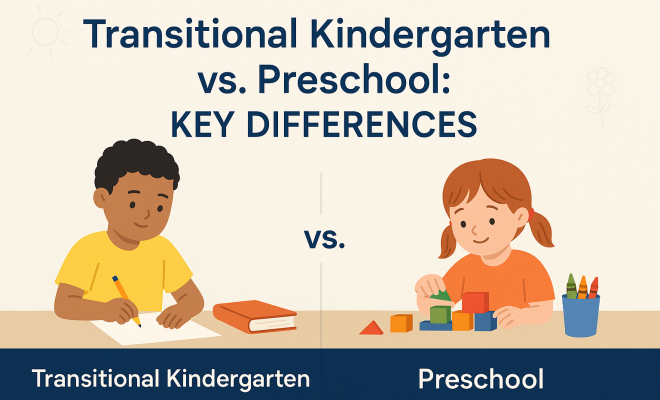
Transitional Kindergarten vs. Preschool: Key Differences
“`html
Making the right choice for your child’s early education can feel overwhelming, especially with terms like transitional kindergarten and preschool floating around. Both options serve crucial purposes in early childhood development, but they do so in different ways. Understanding the key differences can help parents make informed decisions about their child’s educational path.
1. What is Transitional Kindergarten?
Transitional kindergarten (TK) is an educational program designed for children who turn five between specific dates, usually between September and December, and who may not be quite ready for traditional kindergarten. This program provides a bridge between preschool and kindergarten, focusing on readiness skills that prepare children socially, emotionally, and academically for the next level of education.
TK typically emphasizes play-based learning and developmentally appropriate practices. In these environments, children engage with their peers while developing foundational skills in literacy, math, and social interaction. This year of learning can be crucial for children who may benefit from additional time to mature before entering the more structured setting of kindergarten.
2. The Essence of Preschool
Preschool is often the first formal educational environment that children encounter, typically enrolling kids ages three to five. Its primary focus is on fostering socialization and introducing basic educational concepts through play and exploration. Unlike TK, which targets children who are on the verge of entering kindergarten, preschool caters to a broader age range and serves children who may or may not attend kindergarten afterward.
Programs vary widely in their structure, philosophy, and curriculum. Some preschools lean heavily on academic readiness, teaching pre-reading and pre-math skills, while others prioritize social skills and emotional development. Parents should consider the specific approach of the preschool they are interested in, as this will have lasting effects on their child’s attitudes toward learning.
3. Curriculum Differences
One of the most significant differences between transitional kindergarten and preschool lies in their curricula. TK programs usually follow a structured curriculum designed to prepare children for the academic expectations of kindergarten. This often includes a focus on alphabet recognition, basic math concepts, and early writing skills.
In contrast, preschool curricula are generally more flexible. They may include thematic units that incorporate various areas of learning, such as art, music, and science, with an emphasis on play-based and experiential learning. While preschools may also touch on early literacy and math, their main goal is to facilitate social skills and emotional growth through play and interaction.
4. Age and Readiness
Age is a critical factor when comparing transitional kindergarten vs preschool. TK is specifically designed for children who are close to entering kindergarten but may need more time to develop essential skills. Children in TK typically are at least five years old by the start of the school year, ensuring that they are developmentally ready for the more rigorous kindergarten curriculum.
On the flip side, preschool consists of younger children, often starting as early as three years old. This means that the developmental stages of children in preschool can vary significantly. It’s important for parents to assess their child’s social, emotional, and cognitive readiness to ensure they are placed in the right program for their stage of development.
5. Teaching Philosophies
Teaching philosophies differ significantly in transitional kindergarten vs preschool. TK often adopts a more formal approach, utilizing structured lessons and assessments to gauge student progress. Educators are typically trained to teach literacy and numeracy skills explicitly, preparing students for the demands of kindergarten.
Preschool teaching is generally more relaxed, focusing on open-ended play and exploration. Teachers in preschool settings create environments that encourage creativity and curiosity, allowing children to learn through hands-on experiences. The emphasis is on fostering a love for learning rather than strictly adhering to academic standards.
6. Class Size and Teacher-Child Ratios
Class sizes and teacher-child ratios can vary significantly between transitional kindergarten and preschool programs. TK classes tend to be smaller, typically with 15 to 20 students and a higher teacher-to-child ratio, which allows for more individualized attention. This setup is beneficial for children in transition as they receive more support while adjusting to the new educational environment. (See: U.S. Department of Education on early learning.)
Preschool class sizes may vary greatly depending on the institution. Some preschools may have larger classes with one or two teachers, while others maintain smaller sizes. Parents should inquire about class sizes and teacher-child ratios when considering different programs, as these factors can impact the quality of education and the level of personalized attention their child will receive.
7. Socialization Opportunities
Socialization is a key aspect of early childhood education, and it manifests differently in transitional kindergarten and preschool. In TK, children often find themselves in a more structured environment, where social interactions may revolve around specific learning activities. This can help children develop social skills within a context that prepares them for future educational settings.
Conversely, preschool is primarily centered on socialization. Children interact freely in various play-based activities, learning to share, cooperate, and resolve conflicts. These experiences are crucial for developing emotional intelligence and interpersonal skills. Parents should consider how each program facilitates and prioritizes social interactions for their child.
8. Parental Involvement
Parental involvement plays a significant role in both transitional kindergarten and preschool, albeit in different ways. In TK, parents often find themselves more engaged with academic activities and school events, supporting their child’s transition to a more formal learning environment. Communication between teachers and parents is crucial, as both parties work together to ensure that the child is progressing adequately.
In preschool, while parental involvement is still important, it often revolves around events, playdates, and social gatherings rather than academic achievements. Parents might participate in volunteer opportunities or help organize activities, fostering a community among families. Understanding the expectations for parental involvement in both settings can help parents decide which program aligns better with their values and lifestyle.
9. Cost Considerations
When weighing the options of transitional kindergarten vs preschool, costs can be a significant factor. TK programs are often offered through public schools, making them more affordable or even free for families. The funding for these programs usually comes from state education budgets, making them accessible to a broader range of families.
Preschool, on the other hand, can vary greatly in cost. Some preschools are operated as nonprofit organizations and are more affordable, while others can be quite expensive, especially those that offer exceptional facilities or specialized curricula. Parents must evaluate their options based on their budget and the educational needs of their child.
Understanding the differences between transitional kindergarten and preschool can illuminate the best path for your child’s early education. Taking the time to assess their unique needs, developmental readiness, and the specific offerings of each program will empower you to make the best decision for their future.
10. Benefits of Transitional Kindergarten
Transitional kindergarten offers a host of benefits that can significantly impact a child’s readiness for kindergarten. One of the most notable advantages is the extended time for skill development. Because TK is tailored for children who may need more time to adjust, it allows them to build essential skills at a comfortable pace.
Research shows that children who attend TK are often better prepared for the academic and social demands of kindergarten. Studies indicate that these children demonstrate higher levels of social competence and improved academic performance in primary school settings. The additional year can provide a significant advantage, particularly for children born in the later months of the eligibility period.
Additionally, TK programs often foster relationships with peers and teachers, which can bolster a child’s confidence. This supportive environment can help children feel more secure when they finally transition into a more rigorous academic setting.
11. Benefits of Preschool
Preschool plays a critical role in early childhood education as well. One of the key benefits is the emphasis on socialization. Children learn to interact with their peers in a less structured environment, which is essential for developing interpersonal skills. They learn to express themselves, share, and negotiate with other children, which lays the groundwork for future social interactions.
Moreover, many preschools incorporate creative activities like art, music, and movement, which stimulate various areas of a child’s development. These activities are not only enjoyable but also foster cognitive growth and fine motor skills. Children who engage in these types of creative play often demonstrate enhanced problem-solving skills and creativity as they progress through their education. (See: National Institute of Child Health on early education.)
Preschool also provides a safe space for children to explore their interests and build self-esteem by trying new things. This exploration can lead to a lifelong love of learning, as children discover their unique strengths and preferences.
12. Statistics on Early Education
Understanding the impact of early education can be underscored by looking at relevant statistics. According to the National Institute for Early Education Research (NIEER), children who attend preschool are significantly more likely to perform well in school compared to those who do not. For instance, studies have found that preschool attendance can lead to an 82% increase in the likelihood of reading proficiency by third grade.
Additionally, a report from the National Center for Children in Poverty states that children who complete a quality preschool program are 30% more likely to graduate from high school. This statistic highlights the long-term benefits of early educational programs like preschool and TK, emphasizing their importance in shaping a child’s educational trajectory.
13. Expert Perspectives
Experts in early childhood education often emphasize the importance of choosing the right program based on individual child needs. Dr. Laura Jana, a pediatrician and early childhood expert, suggests that parents look beyond labels and focus on what their child needs at that particular time in their development. “Every child is unique,” she states, “and what works for one may not work for another.”
Dr. Tessa McCarthy, an educational psychologist, adds that the emphasis in transitional kindergarten on readiness can be beneficial for many children. “It’s a great option for those who may need a little extra time to develop the foundational skills necessary for success in kindergarten,” she explains.
14. Choosing the Right Program
When it comes to making a choice between transitional kindergarten and preschool, consider several factors. First, think about your child’s age and readiness. If they are close to five and you feel they might benefit from extra time to develop academically and socially, TK might be the better option. On the other hand, if your child is younger and requires a more exploratory learning environment, preschool could be ideal.
Next, assess your educational philosophy. If you value a structured curriculum, TK may align better with your approach. However, if you believe in the power of play-based learning, a preschool program may resonate more with your beliefs.
Finally, consider logistics like location, cost, and available programs. Research options in your area and don’t hesitate to ask lots of questions during tours and interviews. Each program has its own strengths, and it’s crucial to find one that matches your child’s needs and your family’s values.
15. Frequently Asked Questions (FAQ)
What is the main difference between transitional kindergarten and preschool?
The primary difference lies in their purpose and structure. Transitional kindergarten is aimed at children who are close to entering kindergarten but may need more time to develop essential skills. It has a more structured curriculum focused on readiness for kindergarten. Preschool, on the other hand, provides a broader introduction to education and is centered more on play and socialization.
Can my child attend both preschool and transitional kindergarten?
Yes, many children attend preschool before transitioning into TK. This path can be beneficial, as it allows children to gain social skills and exposure to an educational setting before entering a more structured program. Each child’s journey is unique, and it’s essential to consider their individual needs.
How do I know if my child is ready for transitional kindergarten?
Assess your child’s social, emotional, and academic readiness. If they can follow instructions, interact positively with peers, and show interest in learning, they may be ready for TK. Also, consider consulting with your child’s preschool teacher or an early childhood educator for insights.
What is the typical schedule for transitional kindergarten and preschool?
TK often follows a traditional school schedule, typically running from August or September through May or June, similar to kindergarten. Preschool schedules can vary widely; some programs offer half-day sessions, while others provide full-day options or flexible schedules to accommodate working parents. (See: CDC milestones for early childhood development.)
Are there specific skills my child should have before starting preschool or transitional kindergarten?
For preschool, children should be able to express their needs verbally, engage in play with others, and follow simple directions. For transitional kindergarten, additional skills like recognizing some letters and numbers, as well as being able to sit still for short periods, can be beneficial.
Are there any long-term benefits to attending transitional kindergarten compared to preschool?
Studies suggest that children who attend TK often have better academic performance and social skills as they progress through elementary school. The additional year can provide a crucial foundation that helps children succeed in more structured educational environments.
16. Transitioning from Preschool to Transitional Kindergarten
For many children, the transition from preschool to transitional kindergarten represents a significant step in their educational journey. This shift can be both exciting and a little daunting for young kids. It’s important to prepare them for the differences they will encounter. One way to ease this transition is to engage in discussions about what they can expect in TK, including a focus on more structured routines and different learning opportunities.
Parents can help by visiting the TK classroom ahead of time, allowing children to meet the teacher and explore the environment. Familiarity can reduce anxiety and build excitement. Additionally, reinforcing skills learned in preschool, such as sharing and problem-solving, will help ease behavioral adjustments in a new setting.
17. Additional Resources for Parents
Finding the right program for your child is crucial, and plenty of resources are available to help guide your decision. Websites like the National Association for the Education of Young Children (NAEYC) provide valuable information about high-quality early childhood education programs. Additionally, local parent groups and forums can offer personal insights and recommendations based on firsthand experiences.
Consider visiting educational fairs or workshops in your area. These events can introduce you to various programs, curriculum styles, and educational philosophies. Networking with other parents can also provide support and advice during this important decision-making process.
18. Final Thoughts on Transitional Kindergarten vs Preschool
Ultimately, the choice between transitional kindergarten and preschool comes down to the unique needs of your child and your family’s educational objectives. Each program has its strengths and can provide valuable experiences in different ways. By taking the time to understand what each option offers, along with evaluating your child’s readiness and preferences, you will be better equipped to make a decision that supports their growth and development.
Remember, there’s no one-size-fits-all answer when it comes to early education. Every child is different, and the right program should cater to their specific needs, interests, and developmental stage. By being proactive and informed, you’re setting the stage for a positive early learning experience that can impact their academic journey for years to come.
“`
Trending Now
Frequently Asked Questions
What is the difference between transitional kindergarten and preschool?
Transitional kindergarten (TK) is designed for children who turn five between specific dates and focuses on readiness for kindergarten, while preschool serves a broader age range of children aged three to five, emphasizing socialization and early learning through play.
What age is transitional kindergarten for?
Transitional kindergarten is typically for children who turn five between September and December. It caters to those who may not be ready for traditional kindergarten, providing a supportive environment to develop essential skills.
Is preschool necessary before kindergarten?
While preschool is not mandatory, it can be beneficial for children to develop social skills and basic educational concepts before entering kindergarten. However, transitional kindergarten serves as an alternative for those needing extra time and support.
What skills do children learn in transitional kindergarten?
In transitional kindergarten, children focus on social, emotional, and academic readiness skills. The program emphasizes play-based learning, foundational literacy and math skills, and social interaction to prepare them for the structure of kindergarten.
How do I choose between preschool and transitional kindergarten?
Choosing between preschool and transitional kindergarten depends on your child's age, readiness, and developmental needs. Consider their social skills, maturity, and whether they would benefit from a more structured environment focused on kindergarten preparation.
What did we miss? Let us know in the comments and join the conversation.