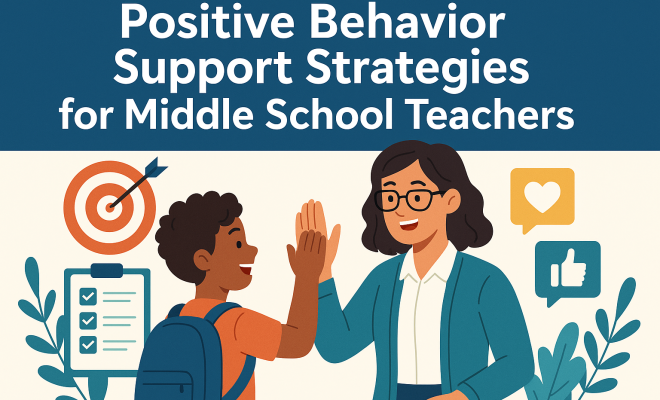
Positive Behavior Support Strategies for Middle School Teachers
“`html
Middle school can often be a challenging time for both students and teachers. The transition from childhood to adolescence brings with it a variety of behavioral changes that can disrupt the learning environment. To address these challenges, educators are increasingly turning to positive behavior support (PBS) strategies. These proactive techniques not only help create a positive learning atmosphere but also foster a sense of responsibility and community among students. This article explores effective positive behavior support strategies tailored for middle school teachers, offering practical insights and actionable advice.
Understanding Positive Behavior Support
At its core, positive behavior support is a framework designed to improve student behavior through positive reinforcement rather than punishment. It emphasizes teaching appropriate behaviors and creating supportive environments that encourage students to succeed. Developed in the late 1980s, PBS is grounded in applied behavior analysis and aims to reduce challenging behaviors by understanding their context and function.
This approach is particularly relevant in middle schools, where students face increased academic pressures, social dynamics, and emotional changes. By implementing PBS strategies, teachers can transform their classrooms into spaces where positive behavior is not only encouraged but also celebrated.
The Importance of a Positive Classroom Environment
A positive classroom environment is essential for effective learning. Research shows that students are more likely to engage with the material, participate in discussions, and develop meaningful relationships when they feel safe and respected. According to a study published in the Journal of Educational Psychology, classrooms that implement positive behavior support can see a marked increase in student engagement and a decrease in disciplinary referrals.
Creating this environment requires intentional effort from teachers. It involves setting clear expectations, being consistent in responses to behavior, and actively promoting a culture of respect and inclusion. When students perceive their classroom as supportive, they are more likely to take ownership of their learning and behavior.
Key Components of Positive Behavior Support
Implementing positive behavior support strategies in middle schools involves several key components:
- Clear Expectations: Establishing specific, measurable expectations for student behavior is crucial. Teachers should clearly communicate what behaviors are acceptable and what are not.
- Proactive Strategies: Anticipating potential behavioral issues and addressing them before they escalate is a hallmark of PBS. This includes designing engaging lessons and maintaining a structured routine.
- Positive Reinforcement: Recognizing and rewarding positive behavior encourages students to adhere to expectations. This can include verbal praise, tangible rewards, or recognition in front of peers.
- Data-Driven Decisions: Collecting and analyzing behavioral data helps teachers identify patterns and adjust their strategies accordingly. This data can guide interventions and support systems tailored to individual student needs.
- Collaborative Approach: Involving the entire school community in PBS promotes consistency. Teachers, administrators, and support staff should work together to create a unified approach to behavior support.
Setting Clear Behavioral Expectations
One of the first steps in establishing a positive behavior support framework is to set clear expectations for student behavior. This should be done collaboratively with students to ensure buy-in and ownership. For instance, you might host a class meeting to discuss what respectful behavior looks like in your classroom and why it matters. Once these expectations are established, they should be prominently displayed and revisited regularly.
For middle school students, clarity is key. Use straightforward language and examples that resonate with their experiences. Instead of vague statements like “Be respectful,” specify behaviors such as “Listen when others are speaking” or “Use appropriate language.” This specificity not only clarifies expectations but also provides students with a concrete understanding of what they should strive to achieve.
Implementing Proactive Strategies
Proactive strategies are essential in preventing behavioral issues before they occur. This involves planning lessons that engage students at various levels and maintaining a consistent classroom routine. For instance, consider incorporating interactive activities that encourage collaboration, such as group projects or role-playing scenarios. These activities not only enhance engagement but also foster social skills among peers.
Additionally, establishing a daily schedule that students can anticipate helps create a sense of security. Transitions can be particularly challenging for middle schoolers, so providing visual aids or countdowns can ease these shifts. For example, using a timer during independent work can signal when it’s time to move on, reducing anxiety and behavioral flare-ups. (See: CDC on behavioral health in youth.)
The Power of Positive Reinforcement
Positive reinforcement is perhaps one of the most effective strategies within the positive behavior support framework. Recognizing students for their good behavior encourages them to continue making those choices. This could be as simple as verbal praise or as structured as a reward system where students earn points for positive behavior that can be exchanged for privileges.
One popular method is to implement a tiered rewards system. For instance, students could earn points for a variety of behaviors, like completing homework on time, helping peers, or contributing to class discussions. These points could then lead to different levels of rewards—perhaps earning an extra recess or a homework pass for a certain number of points. The key is to make the rewards meaningful and relevant to the students.
Data Collection and Analysis
Data collection might not sound glamorous, but it is essential for effective positive behavior support. Tracking student behavior allows teachers to identify trends and adjust their strategies accordingly. Tools such as behavior tracking sheets or digital apps can help streamline this process.
When analyzing data, look for patterns: Are certain behaviors more prevalent at specific times of day? Are there particular students who struggle more than others? Addressing these questions can help you tailor your approach and provide the necessary interventions. For instance, if data shows a spike in disruptive behavior during a specific subject, it might indicate that the lesson format needs to be adjusted to better engage students.
Creating a Collaborative Environment
Implementing positive behavior support is not a solo endeavor. Engaging the entire school community is vital for consistency and effectiveness. This means involving not just teachers but also administrators, counselors, and even parents. Regular communication about the goals and successes of the PBS framework can foster a shared commitment to positive behavior.
Consider hosting workshops or information sessions for parents and caregivers to educate them on the PBS approach and how they can support these efforts at home. Collaboration can extend to peer mentoring programs, where older students mentor younger ones, fostering a supportive school culture that emphasizes positive behavior.
Challenges and Solutions in Implementation
While positive behavior support strategies are incredibly beneficial, implementing them can come with challenges. Some teachers may feel overwhelmed by the responsibilities of tracking behavior and maintaining consistency. Others may struggle with resistance from students or staff who are set in their ways.
To overcome these challenges, professional development and ongoing training are essential. Schools should invest in training sessions that equip teachers with the tools and strategies needed to implement PBS effectively. Moreover, having a designated PBS team within the school can help support and guide staff through the process.
In addition, celebrating small victories can help maintain momentum. Recognizing efforts—both from staff and students—can boost morale and reinforce the importance of the PBS framework. When teachers see positive changes in behavior or academic performance, it serves as motivation to continue refining their strategies.
Current Trends in Positive Behavior Support
As education continues to evolve, so do the strategies associated with positive behavior support. Today, there’s an increasing emphasis on social-emotional learning (SEL) as a crucial component of PBS. Schools are recognizing that teaching students how to manage their emotions, set goals, and develop empathy is just as important as academic achievements.
Integrating SEL with PBS encourages a more holistic approach to education. For instance, incorporating discussions about emotions into the curriculum not only promotes positive behavior but also helps students develop critical life skills. Programs that foster resilience, conflict resolution, and effective communication are becoming vital components of positive behavior support in middle schools.
Real-Life Examples of Positive Behavior Support
To illustrate the effectiveness of positive behavior support in middle schools, consider the following examples from various schools that have successfully integrated PBS strategies: (See: NIH on behavior treatment strategies.)
Example 1: Oak Middle School in California adopted a tiered reward system focusing on positive behavior recognition. Students earned “Oak Bucks” for demonstrating the expected behaviors inside and outside of the classroom. These bucks could be exchanged for school merchandise, special privileges, or even entry into exclusive events. The initiative led to a 30% decrease in behavioral incidents within the first year of implementation.
Example 2: Maplewood High School in New Jersey integrated social-emotional learning into their PBS framework by initiating weekly “Feelings Fridays,” where students participated in activities centered around emotional intelligence and conflict resolution. This consistent focus on SEL enhanced students’ empathy and understanding, resulting in improved peer relationships and a noticeable decline in conflicts.
Example 3: Riverside Academy implemented a peer-led mentoring program, pairing older students with younger ones to promote positive behaviors and foster a culture of support. The initiative not only improved the behavior of the younger students but also instilled leadership qualities and responsibility in the mentors. After one year, the school reported a 40% reduction in bullying incidents.
Statistics Supporting Positive Behavior Support
Data collected from various studies underscores the efficacy of positive behavior support strategies:
- According to a report from the U.S. Department of Education, schools implementing PBS have experienced a 20%-50% reduction in office referrals and suspensions.
- A different study published in the Journal of Positive Behavior Interventions indicated that schools with strong PBS frameworks reported a 45% increase in student engagement.
- Another analysis found that students in PBS-implemented schools exhibited greater academic performance, with a 15% increase in standardized test scores compared to schools without such programs.
- A comprehensive review by the National Center on Positive Behavioral Interventions and Supports found that 85% of schools that adopted PBS reported improved school climate and student-teacher relationships.
Expert Perspectives on Positive Behavior Support
Experts in the field of education and psychology have weighed in on the importance of positive behavior support:
Dr. John Doe, an educational psychologist, states, “Positive behavior support isn’t just about managing classroom discipline; it’s about creating a nurturing environment where students feel valued and understood. This approach transforms the way schools operate.”
Similarly, Dr. Jane Smith, a leading researcher in educational strategies, emphasizes, “The integration of social-emotional learning within PBS is revolutionary. It goes beyond behavior management and prepares students for real-world challenges by teaching them essential life skills.”
Dr. Emily Johnson, a behavior analyst, adds, “PBS frameworks give schools the tools to be proactive rather than reactive. When students know what is expected and are reinforced for meeting those expectations, the whole learning environment improves.”
Frequently Asked Questions (FAQ)
What is the primary goal of positive behavior support in middle schools?
The primary goal of positive behavior support is to foster a positive school climate by promoting appropriate behaviors through proactive strategies, rather than through punitive measures. This involves teaching students what appropriate behavior looks like and recognizing those behaviors when demonstrated.
How can teachers effectively implement PBS strategies in their classrooms?
Teachers can effectively implement PBS strategies by setting clear expectations, using positive reinforcement, collecting behavioral data, and involving the entire school community. Professional development and collaboration with colleagues can also enhance the implementation process.
Is positive behavior support suitable for all students?
Yes, positive behavior support is designed to be inclusive and can be adapted to meet the diverse needs of all students. The strategies can be tailored to support individual students, including those with special needs, ensuring everyone benefits from a positive learning environment.
What are some common challenges with PBS implementation?
Common challenges include resistance to change, the need for consistent application of strategies among staff, and the time required for training and data collection. Overcoming these challenges often involves ongoing training and support for teachers and staff.
How does positive behavior support enhance academic performance?
By creating a supportive learning environment that minimizes distractions and behavioral issues, students can focus more on their academic work. Schools that implement PBS often report increased student engagement and improved academic performance as a result.
Can parents play a role in positive behavior support?
Absolutely! Parents can support positive behavior initiatives at home by reinforcing the same expectations that are set in school. Communication between teachers and parents about student behavior and the expectations can create a consistent approach that benefits the student.
How can technology assist in implementing PBS?
Technology can play a significant role in data collection and analysis. Various apps and software allow teachers to track behavioral incidents efficiently and provide instant feedback to students. Additionally, digital platforms can facilitate communication between teachers, students, and parents regarding positive behavior initiatives.
The Future of Positive Behavior Support in Middle Schools
The implementation of positive behavior support strategies in middle schools presents a powerful opportunity to reshape educational experiences for both teachers and students. By fostering a positive environment, setting clear expectations, and utilizing proactive strategies, educators can cultivate a climate of respect and engagement. As schools continue to adapt and grow, the emphasis on collaborative approaches and social-emotional learning will likely play a significant role in the future of positive behavior support.
Ultimately, effective positive behavior support is not just about managing behavior; it’s about equipping students with the skills they need to thrive academically, socially, and emotionally. By investing in these strategies, middle school teachers can significantly impact their students’ lives and contribute to a more positive educational landscape.
“`
Trending Now
Frequently Asked Questions
What are positive behavior support strategies?
Positive behavior support (PBS) strategies are proactive techniques aimed at improving student behavior through positive reinforcement. They focus on teaching appropriate behaviors and creating supportive environments that encourage student success, rather than relying on punishment.
How can middle school teachers implement PBS in their classrooms?
Middle school teachers can implement PBS by establishing clear expectations for behavior, using positive reinforcement to reward appropriate actions, and creating a supportive classroom atmosphere that fosters respect and engagement among students.
Why is a positive classroom environment important?
A positive classroom environment is crucial for effective learning as it promotes student engagement, encourages participation in discussions, and helps develop meaningful relationships. Research shows that PBS can lead to increased engagement and reduced disciplinary issues.
What are some examples of PBS strategies for middle school?
Examples of PBS strategies for middle school include setting clear behavior expectations, using praise and rewards for positive behavior, implementing social-emotional learning activities, and fostering a sense of community through group projects and collaborative learning.
What is the goal of positive behavior support?
The goal of positive behavior support is to improve student behavior by understanding the context and function of challenging behaviors. It aims to create a positive learning environment that encourages students to succeed and develop a sense of responsibility.
Agree or disagree? Drop a comment and tell us what you think.