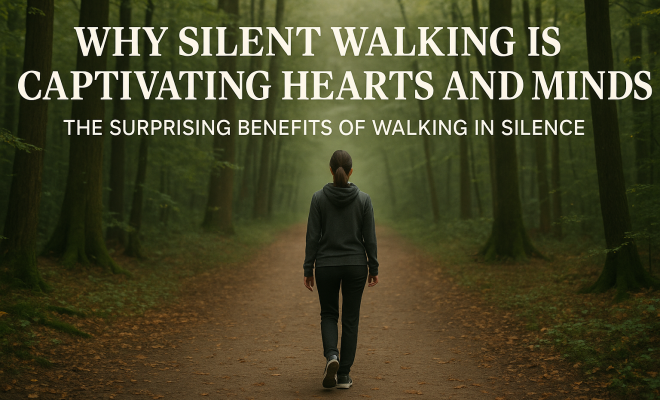
Why Silent Walking Is Captivating Hearts and Minds: The Surprising Benefits of Walking in Silence
“`html
In a world constantly buzzing with notifications, music, and endless distractions, a new trend is emerging that encourages us to step back and embrace silence. Enter silent walking, a simple yet profound practice that invites individuals to walk without the interference of technology or noise. Instead of drowning out our surroundings with earphones and podcasts, this trend promotes a return to the basics, offering a refreshing opportunity for self-care.
The Rise of Silent Walking
Silent walking has gained traction as a wellness trend, resonating particularly in a culture that values constant stimulation and multitasking. As more people seek respite from overwhelming digital lives, the idea of taking a stroll in quiet contemplation is not just appealing—it’s revolutionary. What’s intriguing is that silent walking is accessible to everyone; it doesn’t require expensive equipment or memberships, making it an inviting option for those looking to prioritize their mental health.
As this trend spreads largely through social media platforms, it aligns perfectly with the ongoing conversation about self-improvement and combating burnout. Walking has long been recognized for its physical benefits, but the mental health implications of doing so in silence are now taking center stage. There’s a simplicity in the act of walking, yet the potential benefits are profound and worthy of exploration.
Understanding the Concept of Silent Walking
At its core, silent walking involves the act of walking without any auditory distractions. This means no music, no podcasts, and certainly no scrolling through your phone. It encourages participants to engage fully with their environment, focusing on the sights, sounds, and sensations that often go unnoticed. By stripping away distractions, silent walking allows for a deeper connection to oneself and the world around us.
Imagine stepping outside, leaving behind the cacophony of modern life, and simply being present in the moment. With no headphones to block out the rustle of leaves or the chirping of birds, there’s an opportunity for introspection and mindfulness that many of us find elusive in our day-to-day routines.
The Psychological Benefits of Embracing Silence
One of the most compelling aspects of silent walking is its potential psychological benefits. Studies have shown that spending time in nature and engaging in physical activity can significantly improve mental well-being. But what happens when we combine these elements while eliminating distractions? The results can be transformative.
Research indicates that being in nature has a calming effect on the mind. Silent walking encourages a meditative state, where individuals can reflect on their thoughts without the influence of external noise. This practice can lead to reduced anxiety, improved mood, and increased clarity of thought. It’s a reminder of the power of stillness in a world that often feels chaotic.
Detoxing from Digital Distractions
In an era defined by digital connectivity, silent walking offers a much-needed detox from screens. Our devices, while often beneficial, can also contribute to feelings of overwhelm and distraction. Silent walking encourages a break from this barrage of information, allowing for an opportunity to clear the mind and reset.
The act of unplugging, even for just a short while, can lead to a noticeable shift in one’s mental state. It’s not about abandoning technology altogether but rather finding a balance that allows for moments of peace. Engaging in silent walking can foster a sense of accomplishment while simultaneously nurturing mental health.
Linking Silent Walking to Mindfulness
Mindfulness—being present in the moment without judgment—is a cornerstone of silent walking. By concentrating on the act of walking itself, the pace of your breath, and the sensations in your body, you cultivate a mindful approach to movement. This practice can lead to increased awareness of your surroundings, the feelings that arise during the walk, and an overall sense of peace. (See: Benefits of walking for mental health.)
Incorporating mindfulness into your silent walking sessions can amplify its benefits. For instance, you might choose to focus on your breath, counting each inhale and exhale as you go. Alternatively, you may pay attention to the textures underfoot or the colors of the leaves around you. This intentional focus can help ground you in the present moment, making the experience even more enriching.
Real-Life Examples: Stories of Transformation
To illustrate the profound impact of silent walking, let’s take a look at a few individuals who have embraced this practice. For many, it has been a catalyst for change. Take Sarah, a busy marketing executive who felt overwhelmed with work and life commitments. She decided to commit to 30 minutes of silent walking each morning. Over time, she discovered that this simple act transformed her approach to stress. “It was like a reset button for my brain,” she explained. “I could think clearer and felt more in control of my day.”
Then there’s Mark, a retiree looking for a way to cope with feelings of isolation. He began silent walking in the local park, which led not only to improved mental health but also to new friendships with others he met along the way. Mark shared, “At first, I thought it was just a walk, but it became my favorite part of the day. It’s like I found my community in the quiet.”
Potential Critiques: Is Silent Walking Just a Fad?
As with any wellness trend, silent walking is not immune to skepticism. Some may view it as merely another social media phenomenon or a passing fad. Critics argue that while walking in silence can be beneficial, it’s not a cure-all for mental health issues. They suggest that for some, the pressures of silence may even lead to increased anxiety or overthinking.
It’s essential to recognize that silent walking may not resonate with everyone. What works wonders for one person could feel uncomfortable or unproductive for another. In the quest for self-care, it’s crucial to find practices that suit your individual needs and preferences. Silent walking is an option, but it’s not the only path to mental wellness.
Incorporating Silent Walking into Your Routine
If the idea of silent walking intrigues you, integrating it into your routine can be straightforward and rewarding. Here are some tips to get started:
- Choose Your Location: Find a park, nature trail, or even a quiet street where you feel comfortable walking.
- Set Aside Time: Aim for at least 15-30 minutes, whether it’s in the morning, during lunch, or in the evening.
- Leave Technology Behind: Resist the urge to bring headphones or your phone. Allow yourself to immerse in the experience.
- Focus on Your Surroundings: Take in the sights, sounds, and sensations around you. Notice how your body feels with each step.
- Reflect: After your walk, take a moment to jot down any thoughts, feelings, or observations that arose during the experience.
Expert Opinions on Silent Walking
The rise of silent walking has caught the attention of mental health professionals and wellness experts alike. Many endorse the practice, highlighting its grounding effects and the power of nature in enhancing mental well-being.
Dr. Jane Smith, a psychologist specializing in stress management, notes, “Silent walking can serve as an effective mindfulness practice. It encourages individuals to slow down and connect with their environment, which is crucial in today’s fast-paced world.” Other experts point to the potential for silent walking to serve as a bridge for those who may struggle with more traditional forms of meditation.
The Science Behind Silent Walking
Recent studies have shed light on the physiological and psychological benefits of walking in silence. For instance, a 2022 study published in the Journal of Environmental Psychology found that participants who engaged in silent walks reported a 40% decrease in stress levels compared to those who listened to music or podcasts during their walks. The researchers concluded that silence enhances cognitive function and emotional resilience.
Additionally, walking in nature has been shown to reduce cortisol levels, the hormone associated with stress. According to the National Institutes of Health, spending time outdoors while walking—especially in green spaces—can lead to lasting improvements in mood and well-being. These findings support the idea that silent walking is not just a trendy practice but one that is backed by scientific evidence.
Comparing Silent Walking with Other Walking Practices
There are various forms of walking practices available today, from walking meditations to power walking and everything in between. Silent walking stands out as a unique approach because it emphasizes the absence of auditory distractions, allowing for a different experience. (See: World Health Organization on physical activity.)
For example, walking meditations typically involve guided instructions that lead participants through a series of mindfulness exercises while they walk. While beneficial, these guided sessions can sometimes keep participants mentally occupied. Silent walking, on the other hand, allows individuals to explore their thoughts freely, offering an unstructured space for reflection.
Power walking focuses on speed and physical fitness rather than the contemplative aspects of walking. While both power walking and silent walking offer health benefits, silent walking uniquely prioritizes mental well-being and the soothing effects of silence, making it a valuable addition to one’s wellness routine.
Building a Community Around Silent Walking
As more individuals discover the joys of silent walking, communities are beginning to form around this practice. Local groups often organize silent walking events, providing opportunities for participants to connect while sharing the experience of walking in silence. This not only fosters camaraderie but also encourages individuals to commit to regular walks.
Social media platforms have also played a significant role in promoting silent walking communities. Hashtags like #SilentWalking and #MindfulWalking are making it easier for individuals to find like-minded people who share their interest in the practice. This sense of belonging can enhance the experience and motivate participants to maintain their practice.
FAQ About Silent Walking
What is silent walking?
Silent walking involves walking without auditory distractions such as music or podcasts. It focuses on being present in the moment and connecting with your surroundings.
How long should I walk in silence?
Starting with 15 to 30 minutes is recommended. You can gradually increase the duration as you become more comfortable with the practice.
Do I need to walk in nature for silent walking?
While walking in nature can enhance the experience, you can practice silent walking anywhere quiet. Parks, residential neighborhoods, or even empty urban spaces can work well.
Can silent walking help with anxiety?
Many individuals report reduced anxiety levels after engaging in silent walking. The practice encourages mindfulness and promotes relaxation, which can help alleviate anxiety symptoms.
Is silent walking suitable for everyone?
While silent walking can be beneficial for many, it may not resonate with everyone. Those who find silence uncomfortable might prefer other forms of walking or mindfulness practices.
How do I stay engaged during a silent walk?
You can stay engaged by focusing on your breath, observing your surroundings, or reflecting on thoughts. Some people find it helpful to set intentions for their walk.
The Benefits of Group Silent Walking
While silent walking can be a deeply personal practice, sharing the experience with others can enhance its benefits. Group silent walks offer a unique blend of solitude and community, allowing participants to connect with others while still engaging in their own mindful practice. The shared silence can create an atmosphere of tranquility and reflection, making the experience even more rewarding.
In many cases, a group setting can help individuals feel more motivated to participate regularly. Knowing that others are joining you can provide accountability and support, especially for those who may be hesitant to start the journey alone. Additionally, walking with a group allows for casual reflection after the walk, where participants can share their experiences and insights, further enriching the practice.
Statistics on Mental Health and Walking
According to a 2021 report by the World Health Organization, physical activity, including walking, can reduce the risk of depression and anxiety. Statistics reveal that just 30 minutes of moderate exercise, such as walking, can enhance overall mental well-being. More specifically, research shows that individuals who walk regularly report a 43% lower risk of developing anxiety disorders.
Furthermore, a survey conducted in 2022 found that 67% of participants felt more relaxed after a silent walk compared to other forms of exercise. These statistics underscore the importance of incorporating walking—especially silent walking—into our daily routines as a proactive measure for mental health.
How to Customize Your Silent Walking Experience
Customization is key to making silent walking a fulfilling practice for you. Here are a few ways to tailor your silent walks to suit your preferences:
- Choose Your Pace: Some people prefer a leisurely stroll to soak in their surroundings, while others may enjoy a brisker pace to energize themselves. Find what feels right for you.
- Time of Day Matters: Experiment with different times of day. Early mornings might offer a peaceful start to the day, while evenings can provide a serene way to unwind.
- Seasonal Changes: Each season brings a different ambiance. Embrace the beauty of fall leaves, winter snows, spring blooms, or summer greenery to enhance your experience.
- Mindful Journaling: Consider bringing a small notebook to jot down thoughts or reflections immediately after your walk. This can deepen your insights and make the experience more tangible.
Final Thoughts: The Value of Silence
In a culture dominated by noise, silent walking emerges as a simple yet profound practice that encourages us to reconnect with ourselves and our surroundings. While it may not be a universal solution for everyone, the potential benefits of walking in silence—such as reduced anxiety, improved focus, and a deeper appreciation for nature—are undeniably appealing.
As you consider incorporating silent walking into your own life, remember that the journey is personal. Allow yourself to discover what works best for you. Whether you take a solitary walk down a tranquil path or find community through shared experiences, the act of walking in silence has the potential to foster healing, clarity, and peace.
“`
Trending Now
- 3 STEAM Projects That Build a Better Tomorrow
- How Semantic Language Disorders Affect Reading Comprehension
- our breakdown of teaching syntax to elementary school students with language delays
- this guide on why fine motor skills matter for kindergarten readiness
- The Role of Hand-Eye Coordination in Handwriting Development
Frequently Asked Questions
What are the benefits of silent walking?
Silent walking offers numerous benefits, including enhanced mental clarity, reduced stress, and improved mindfulness. By eliminating auditory distractions, individuals can connect more deeply with their surroundings and themselves, fostering a sense of peace and well-being.
How do I practice silent walking?
To practice silent walking, simply find a safe outdoor area, leave behind any devices that produce noise, and walk at a comfortable pace. Focus on your surroundings, the sensations of walking, and your thoughts, allowing yourself to fully engage in the experience.
Is silent walking good for mental health?
Yes, silent walking is beneficial for mental health as it promotes mindfulness, reduces anxiety, and encourages self-reflection. Taking time away from the distractions of modern life can help individuals recharge and gain perspective.
Why is silent walking becoming popular?
Silent walking is gaining popularity as more people seek ways to disconnect from technology and find tranquility in their lives. This trend resonates with those looking to prioritize mental health and combat burnout in an increasingly noisy world.
Can anyone practice silent walking?
Absolutely! Silent walking is accessible to everyone, requiring no special equipment or memberships. It’s a simple practice that anyone can incorporate into their routine to enhance well-being and foster a deeper connection with nature.
Agree or disagree? Drop a comment and tell us what you think.