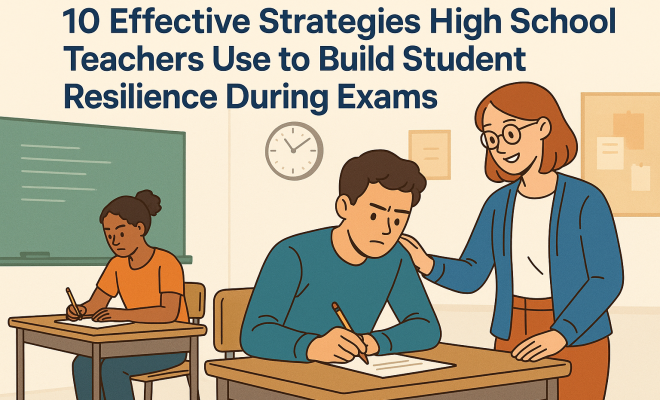
10 Effective Strategies High School Teachers Use to Build Student Resilience During Exams
“`html
As exam season approaches, high school students across the globe often experience an influx of stress and anxiety. The pressure to perform well can be overwhelming, making it essential for educators to implement strategies that foster student resilience during exams. This article will explore practical insights, current relevance, and strategies that teachers can utilize to help their students navigate this challenging time successfully.
Understanding Student Resilience
Before diving into specific strategies, it’s vital to understand what resilience means in the context of students. Resilience refers to the ability to bounce back from adversity, stress, and challenges. For high school students, this could mean maintaining a positive outlook, managing stress effectively, and continuing to engage in their studies despite the pressures they face.
Research suggests that resilient students are more likely to achieve academic success and maintain their mental well-being. According to a study by the American Psychological Association, fostering resilience in students can improve their academic performance and emotional health. Teachers play a crucial role in creating an environment that nurtures this essential quality.
Creating a Supportive Classroom Environment
One of the most effective ways to foster student resilience during exams is to create a supportive classroom environment. Teachers can achieve this by:
- Encouraging open communication: Foster an atmosphere where students feel safe to express their concerns and feelings about exams without fear of judgment.
- Building strong relationships: Take the time to connect with students individually, showing genuine interest in their well-being. This helps students feel valued and supported.
- Promoting teamwork: Encourage collaboration among students on projects and study groups. This not only fosters a sense of community but also helps students learn from one another.
When students feel supported, they are more likely to develop resilience and cope effectively with exam-related stress.
Teaching Coping Strategies
High school teachers can also equip students with specific coping strategies to manage anxiety and stress during exams. Some effective techniques to teach include:
- Mindfulness practices: Introducing mindfulness activities, such as meditation or deep breathing exercises, can help students stay calm and focused.
- Time management skills: Educating students on effective time management techniques can help them structure their study time and reduce feelings of being overwhelmed.
- Positive self-talk: Teach students to replace negative thoughts with positive affirmations. This can empower them to believe in their capabilities.
By providing students with these tools, teachers can foster a sense of control and agency, which is critical for resilience.
Setting Realistic Expectations
Another vital aspect of building student resilience during exams is helping students set realistic expectations for themselves. Teachers should emphasize that while exams are important, they do not define a student’s worth or future. Here are some strategies for setting realistic expectations:
- Encourage goal-setting: Help students set achievable goals based on their individual strengths and areas for improvement.
- Normalize setbacks: Remind students that setbacks are a natural part of learning and that everyone experiences challenges.
- Celebrate efforts: Focus on the effort rather than the outcome. Recognizing hard work can motivate students to continue striving for success.
When students learn to set realistic expectations, they can approach exams with a healthier mindset, reducing anxiety and enhancing resilience.
Integrating Exam Preparation into the Curriculum
Integrating exam preparation within the curriculum can help students feel more equipped and less anxious as they approach exam season. Teachers can consider the following techniques: (See: CDC resources on youth mental health.)
- Incorporate practice assessments: Regular quizzes and practice tests can familiarize students with the exam format and reduce anxiety.
- Teach study skills: Instruction on effective study habits, such as note-taking strategies and active learning techniques, can boost students’ confidence in their preparation.
- Provide feedback: Constructive feedback helps students understand where they may need to improve while reinforcing their strengths.
By embedding exam preparation into the learning process, teachers can help students feel more prepared and confident, ultimately enhancing their resilience.
Encouraging a Growth Mindset
A growth mindset—the belief that abilities and intelligence can be developed through dedication and hard work—is crucial for fostering student resilience during exams. Teachers can promote this mindset in various ways:
- Model resilience: Share personal stories of overcoming challenges to inspire students to adopt a similar perspective.
- Highlight learning opportunities: Teach students to view challenges as chances for growth rather than threats to their self-esteem.
- Encourage persistence: Reinforce the idea that consistent effort and perseverance are keys to success.
By cultivating a growth mindset, students can approach exams with a more resilient attitude, viewing them as opportunities rather than obstacles.
Promoting Healthy Lifestyle Choices
Physical health significantly impacts mental well-being, which is critical during exam season. Teachers can encourage students to adopt healthy lifestyle choices that bolster resilience:
- Encourage regular physical activity: Highlight the benefits of exercise for reducing stress and improving concentration.
- Promote balanced nutrition: Discuss the importance of a well-balanced diet that fuels both the body and mind, particularly during stressful times.
- Emphasize the importance of sleep: Reinforce the need for adequate rest, especially leading up to exams, to support optimal cognitive function.
When students prioritize their physical health, they are better equipped to manage stress and build resilience during exams.
Involving Parents and Caregivers
Engaging parents and caregivers in the process can significantly enhance a student’s resilience during exam season. Teachers can foster this collaboration by:
- Hosting workshops: Offer sessions for parents on how to support their children effectively during exams.
- Providing resources: Share articles, books, and other materials that can help parents understand how to encourage resilience in their children.
- Creating communication channels: Establish open lines of communication between home and school to discuss student progress and strategies that can be implemented at home.
By involving parents, teachers create a support network that reinforces resilience-building strategies both at school and at home.
Recognizing and Addressing Mental Health Issues
It’s crucial for teachers to recognize signs of mental health issues among their students, especially during the high-pressure exam season. Educators should be trained to detect signs of anxiety, depression, and burnout. Here are some key actions:
- Foster an empathetic environment: Ensure that students know they can approach teachers with their mental health concerns without stigma.
- Provide mental health resources: Share information about counseling services and mental health resources available to students.
- Encourage seeking help: Normalize the act of seeking support, reinforcing that mental health is just as important as physical health.
By addressing mental health openly and compassionately, teachers can help students develop resilience and cope with academic pressures more effectively.
Strategies for Teachers to Implement Resilience Training
Implementing resilience training within the school curriculum doesn’t have to be cumbersome. Here are some practical strategies teachers can use to introduce resilience training effectively:
- Workshops and Seminars: Organizing workshops focused on resilience can be beneficial. Invite guest speakers, such as mental health professionals, to share insights and coping mechanisms tailored for students facing exam pressures.
- Peer Mentoring Programs: Establish a peer mentoring system where older students can support younger ones. This fosters a sense of community and provides relatable guidance for managing exam stress.
- Incorporate Resilience into Subjects: Link resilience-building activities to existing subjects. For instance, in literature classes, discuss characters who face adversity, and explore the lessons learned from their experiences.
By integrating resilience training into existing frameworks, teachers can ensure that it complements the academic curriculum while providing essential life skills. (See: NIH on teaching resilience to children.)
Statistics and Research on Student Resilience
Understanding the impact of resilience on academic performance can motivate schools to prioritize this aspect in their teaching methodologies. Recent studies show that:
- According to a 2021 report by the National Institute for Student Resilience, students with higher resilience scores had a 25% lower dropout rate compared to their less resilient peers.
- A study published in the Journal of Educational Psychology revealed that resilient students scored an average of 15% higher on standardized tests than their non-resilient counterparts.
- Furthermore, a survey conducted by the Center for Mental Health in Schools found that 70% of students who received resilience training reported a significant decrease in exam-related anxiety.
These statistics underscore the importance of focusing on resilience not only as a response to academic challenges but as a proactive approach to enhancing overall student well-being.
Expert Perspectives on Building Resilience
To provide additional insight into fostering resilience, it’s beneficial to hear from experts in the field. Educational psychologists emphasize a few core principles:
- Dr. Angela Duckworth, author of “Grit”: She emphasizes the role of perseverance, suggesting that resilience is not just about bouncing back from setbacks but also about maintaining long-term goals despite challenges.
- Dr. Carol Dweck, psychologist known for her work on growth mindset: Dweck’s research supports the idea that fostering a growth mindset is essential for developing resilience, stating that students with a growth mindset are more likely to embrace challenges and learn from failures.
- Dr. Martin Seligman, founder of Positive Psychology: Seligman advocates for teaching students about optimism and how to cultivate it, explaining that students who maintain an optimistic outlook are better equipped to handle stress.
These expert perspectives highlight the multi-dimensional nature of resilience and the various strategies educators can adopt to foster it among students.
FAQ: Common Questions About Student Resilience During Exams
What is student resilience?
Student resilience refers to the ability of students to withstand and overcome challenges related to academic pressures, including exams. It encompasses emotional, psychological, and social factors that help them cope with stress effectively.
Why is resilience important during exams?
Resilience helps students manage stress, maintain a positive outlook, and perform better academically. Students with higher resilience are more likely to seek help when needed and are better prepared to handle setbacks.
How can teachers help build resilience in students?
Teachers can foster resilience by creating supportive environments, teaching coping strategies, promoting a growth mindset, and engaging parents in the process.
What role do parents play in fostering resilience?
Parents can support their children’s resilience by providing encouragement, understanding, and a safe space for open communication. They can also reinforce strategies taught at school and help manage stress at home.
How can students build their own resilience?
Students can build resilience by practicing self-care, setting realistic goals, seeking support when needed, and learning to view challenges as opportunities for growth.
Enhancing Student Resilience: A Closer Look at Mental Health Resources
A significant part of fostering resilience lies in ensuring that students have access to mental health resources. Schools can play an innovative role in making mental health services more visible and accessible. Here are some ways to enhance this access:
- On-site counseling services: Many schools have counselors who can provide immediate support to students struggling with anxiety and stress. Regular check-ins can facilitate open dialogues about mental health.
- Workshops on mental health literacy: Educational sessions that teach students about common mental health issues, coping mechanisms, and when to seek help can empower them to take charge of their mental well-being.
- Creating a mental health day: Consider implementing a dedicated day focused on mental wellness activities. This can include mindfulness workshops, yoga classes, and relaxation techniques to help reduce exam stress.
By prioritizing mental health resources, schools can create a more resilient student body prepared to tackle exam pressures.
The Impact of Peer Relationships on Resilience
Peer relationships play a significant role in shaping how students cope with stress. Strong friendships can provide a buffer against anxiety and can foster resilience. Here are some ways to strengthen peer relationships:
- Group activities: Organize team-building exercises that encourage collaboration and deepen friendships. Activities outside the classroom can help students bond over shared experiences.
- Peer-led study groups: Encourage students to form study groups where they can support each other academically. This can reduce feelings of isolation and promote collective resilience.
- Social events: Hosting social events can provide students with a relaxed environment to build relationships, thus fostering a supportive community.
By emphasizing the importance of peer connections, schools can enhance the support systems that contribute to student resilience.
Utilizing Technology to Support Student Resilience
In our digital age, technology can be a powerful tool for promoting resilience among students. Here are ways that technology can support students during exam season:
- Apps for mindfulness and stress management: Introduce students to apps designed for mindfulness, meditation, and stress relief. Tools like Headspace or Calm can guide students to practice relaxation techniques.
- Online tutoring resources: Provide access to online tutoring platforms that can offer additional academic support, ensuring students don’t feel overwhelmed by their studies.
- Virtual support groups: Create online forums where students can share their experiences and coping strategies with one another. Digital spaces can provide anonymity and comfort in discussing sensitive topics.
Harnessing technology can help schools reach students effectively and enhance their resilience-building efforts.
Conclusion: Building a Culture of Resilience
Fostering student resilience during exams requires a multi-faceted approach that encompasses emotional, academic, and physical well-being. By creating a supportive environment, teaching coping strategies, promoting a growth mindset, and involving parents, high school teachers can equip their students to face the challenges of exam season with confidence and resilience. In doing so, educators not only aid students in achieving academic success but also prepare them for the inevitable challenges they will face throughout their lives.
“`
Trending Now
- our breakdown of 7 strategies to cultivate resilience in elementary students after trauma
- 5 Ways ADHD Affects GPA and How Students Can Overcome Challenges
- this guide on why adhd in girls is often overlooked in elementary schools: understanding the hidden struggles
Frequently Asked Questions
What are effective strategies for building student resilience during exams?
Effective strategies include creating a supportive classroom environment, encouraging open communication, building strong relationships, and promoting teamwork among students. These approaches help students feel valued, reduce anxiety, and enhance their ability to cope with exam pressures.
How can teachers support students during exam stress?
Teachers can support students by fostering a safe space for open communication, showing genuine interest in their well-being, and encouraging collaboration through study groups. These methods help students manage stress and build resilience.
Why is resilience important for high school students?
Resilience is crucial for high school students as it enables them to bounce back from challenges and maintain a positive outlook. Research shows that resilient students tend to perform better academically and have improved emotional health.
What role do teachers play in fostering student resilience?
Teachers play a vital role in fostering student resilience by creating a supportive environment, encouraging peer collaboration, and offering emotional support. Their involvement helps students navigate the pressures of exams more effectively.
How can open communication benefit students during exams?
Open communication allows students to express their concerns and feelings about exams without judgment. This practice can significantly reduce anxiety, making students feel understood and supported, which enhances their resilience.
Agree or disagree? Drop a comment and tell us what you think.