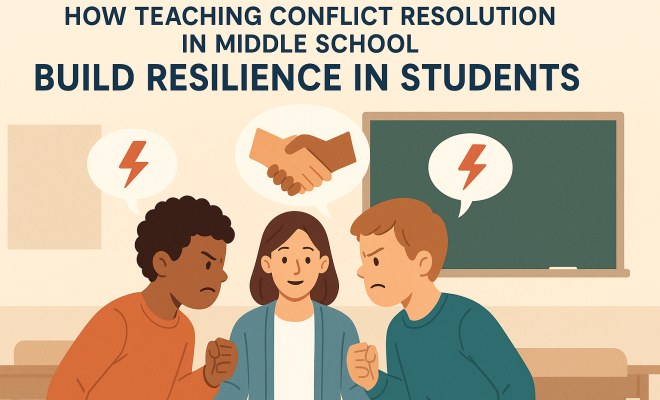
Boost Resilience: Conflict Resolution for Middle Schoolers
“`html
Understanding Conflict Resolution in Middle School
Conflict resolution in middle school is far more than a buzzword; it’s a crucial aspect of the educational experience that shapes students’ social skills and emotional intelligence. At a time when pre-teens and young teenagers are navigating complex social landscapes, equipping them with the tools to handle conflict can not only improve their day-to-day interactions but also lay the groundwork for long-term resilience. This concept is pivotal as it involves teaching students how to effectively and peacefully manage disagreements, which can arise due to differences in opinions, personalities, or backgrounds. (impact of digital upbringing)
Middle school is a transformative period. Children experience significant changes physically, emotionally, and socially. They are often tested by peer pressure and the desire for acceptance, making conflict resolution skills essential for maintaining healthy relationships. According to a study published by the National Middle School Association, students who learn conflict resolution techniques are more likely to exhibit positive behavior and have better academic outcomes.
The Importance of Resilience in Education
Resilience refers to the ability to bounce back from challenges, setbacks, and adversity. In an educational context, resilience can manifest itself in various ways, such as coping with failure, persisting through academic struggles, or dealing with social issues. For middle school students, fostering resilience is particularly critical as they face unique pressures that can have long-lasting effects on their self-esteem and academic performance.
Research indicates that resilient students are better prepared to handle the rigors of school life and beyond. According to Dr. Karen Reivich of the University of Pennsylvania, resilience can be cultivated through social and emotional learning programs integrated within educational curriculums. These programs often include conflict resolution strategies, thus intertwining the two concepts. As students learn to resolve conflicts, they also develop coping mechanisms that enhance their overall resilience.
Key Components of Conflict Resolution Education
When discussing conflict resolution in middle school, it’s vital to break down the core components that can form an effective educational framework. Here are some key elements:
- Understanding Emotions: Teaching students to recognize and articulate their feelings is fundamental. By acknowledging their emotions, they can engage with conflicts more constructively.
- Active Listening: Encouraging students to listen actively to others promotes empathy and reduces misunderstandings. This skill is crucial in processing conflicts and reaching amicable solutions.
- Problem-Solving Skills: Students should be guided through a structured approach to resolving disputes. This might include identifying the problem, brainstorming solutions, evaluating options, and reaching a consensus.
- Communication Techniques: Effective communication is the backbone of conflict resolution. Teaching students how to express their thoughts clearly and respectfully can significantly improve interactions.
These components can be integrated into middle school curriculums through various activities, including role-playing scenarios, group discussions, and collaborative projects. This hands-on approach allows students to practice conflict resolution skills in real-world contexts.
Practical Insights: Implementing Conflict Resolution in the Classroom
Implementing conflict resolution education in middle school requires careful planning and intentional strategies. Here are some practical insights for educators:
- Create a Safe Environment: Establishing a classroom culture where students feel safe to express their feelings and opinions is crucial. Setting ground rules for respectful communication can foster an inclusive atmosphere.
- Model Conflict Resolution: Teachers should model effective conflict resolution strategies themselves. By demonstrating how to handle disagreements calmly and respectfully, educators provide students with a real-life example to follow.
- Incorporate Role-Playing: Role-playing various conflict scenarios can help students practice their skills in a safe environment. This method allows them to explore different perspectives and develop empathy.
- Encourage Reflection: After any conflict resolution exercise, prompting students to reflect on their experiences can deepen their understanding. Questions like, “What worked well? What could have been done differently?” can facilitate valuable discussions.
Incorporating these strategies doesn’t just teach students how to manage conflict; it actively engages them in the learning process and builds their resilience at the same time.
The Role of Parents and Guardians
Parents and guardians play a pivotal role in reinforcing conflict resolution skills outside the classroom. Open communication between home and school can enhance the effectiveness of these teachings. Here are some ways parents can support conflict resolution education:
- Model Behavior: Children learn by example. When parents demonstrate effective conflict resolution at home, they encourage their children to emulate those behaviors in school.
- Discuss Conflict Scenarios: Engaging children in discussions about conflicts, whether real or hypothetical, can help them think critically about conflict resolution strategies.
- Encourage Independence: Allowing children to navigate their conflicts with minimal interference can build their confidence and problem-solving skills. Parents should support them, but not solve every issue for them.
A partnership between parents and educators creates a cohesive approach to teaching resilience through conflict resolution, which is vital for students’ success.
Current Relevance of Conflict Resolution Education
In today’s educational landscape, conflict resolution is increasingly relevant due to rising concerns about bullying, mental health, and social media dynamics. The prevalence of online interactions has changed the way students communicate, often leading to misunderstandings and escalated conflicts.
According to a report from the National Center for Educational Statistics, nearly 20% of students reported being bullied at school in 2019, highlighting the urgent need for effective conflict resolution education. Schools across the United States are beginning to implement comprehensive anti-bullying programs that include conflict resolution components. These programs not only address the incidents of bullying but also teach students proactive strategies for managing disputes before they escalate. (See: CDC's insights on adolescent resilience.)
Additionally, the COVID-19 pandemic has underscored the need for resilient students who can adapt to rapidly changing circumstances. As schools shifted to remote learning, students faced unprecedented challenges. Those with conflict resolution skills were better equipped to manage the stress and uncertainty that came with this transition.
Case Studies and Success Stories
Several schools are leading the way in implementing conflict resolution education and demonstrating its impact on student resilience. One notable example is the Harmony Program, a conflict resolution initiative in New York City that trains teachers to facilitate conflict resolution workshops in their classrooms. According to their data, schools that implemented the program reported a 25% decrease in behavioral incidents.
Another successful example is the PeaceBuilders program, which encourages students to take an active role in conflict resolution by serving as peer mediators. This program not only reduces conflict incidents but also promotes leadership and problem-solving skills among students. Schools that have adopted PeaceBuilders have noted an improvement in school climate and a significant reduction in disciplinary actions.
These case studies showcase the transformative power of conflict resolution education, revealing how it can foster a more harmonious school environment while equipping students with essential life skills.
Challenges of Teaching Conflict Resolution
While the benefits of conflict resolution education are clear, implementing these programs can come with challenges. Some educators may feel overwhelmed by the responsibility of teaching such sensitive topics, while others may lack the training or resources necessary to effectively facilitate conflict resolution activities.
Additionally, resistance from students can be a hurdle. Some may view conflict resolution as unnecessary or may lack motivation to engage in the process. Addressing these concerns requires patience and creativity. Educators should emphasize the real-life applications of conflict resolution skills and how they can lead to positive outcomes in students’ lives.
Future of Conflict Resolution Education
Looking ahead, the future of conflict resolution education in middle schools appears promising. With a growing emphasis on social-emotional learning, more schools are integrating conflict resolution strategies into their curriculums. The implementation of programs focused on mental health and well-being will likely provide additional support for students as they navigate interpersonal conflicts.
Moreover, technology can play a crucial role in teaching conflict resolution. Virtual simulations and online training modules can provide students with safe spaces to practice their skills. As educational technology continues to advance, the possibilities for interactive and engaging conflict resolution training are endless.
Ultimately, teaching resilience through conflict resolution in middle school not only benefits the individual student but also cultivates a positive school culture. By equipping young people with tools to handle disputes, educators contribute to the development of empathetic, responsible, and resilient future leaders.
Real-Life Applications of Conflict Resolution Skills
Understanding why conflict resolution is crucial in middle school settings isn’t just theoretical; it has real-life implications for students. As they mature, students will face various conflicts that require resolution. Here are some real-world applications of these skills:
- Peer Relationships: Middle school is often the first time students form deep friendships outside of their families. Learning to navigate disagreements with friends during this stage can prevent long-term fallout and teach students how to preserve important relationships.
- Group Projects: Collaborative learning is an essential part of the middle school experience. Conflicts in group projects are common, but having the skills to resolve these issues can lead to better cooperation and enhanced learning outcomes.
- Sports Teams: For students involved in sports, conflicts can arise among teammates or with coaches. Conflict resolution skills can help them address disputes constructively, fostering a sense of teamwork and camaraderie.
- Family Dynamics: Learning conflict resolution also benefits family relationships. Students who practice these skills at school can apply them at home, leading to healthier interactions with siblings and parents.
These scenarios underline that conflict resolution isn’t just a school requirement; it’s a lifelong skill that students will carry with them into adulthood.
Statistics Highlighting the Need for Conflict Resolution Education
Data suggest a growing need for effective conflict resolution training in schools. According to the 2020 National Youth Violence Prevention Resource Center report, nearly 50% of students witnessed bullying incidents in school, reinforcing the urgency for proactive measures. Additionally, research from the Collaborative for Academic, Social, and Emotional Learning (CASEL) shows that schools that implement social-emotional learning programs, including conflict resolution strategies, see a 21% increase in student academic performance. This statistic emphasizes that the benefits of teaching conflict resolution extend beyond social interactions to impact academic success as well.
Frequently Asked Questions about Conflict Resolution in Middle School
1. What age group benefits most from conflict resolution education?
Middle school students, typically aged 11-14, are at a critical developmental stage where they can greatly benefit from conflict resolution education. This age group is eager for peer acceptance and often encounters various social conflicts, making it an ideal time to learn these skills. (See: NIH resources on teen resilience.)
2. How can conflict resolution skills improve student behavior?
Students equipped with conflict resolution skills are more likely to address issues before they escalate into bigger problems. This proactive approach often leads to fewer behavioral incidents and a more positive school environment.
3. Can conflict resolution skills be taught at home?
Absolutely! Parents can reinforce conflict resolution skills by modeling positive behavior, discussing conflicts openly, and encouraging children to resolve disputes independently. This collaboration between home and school fosters a comprehensive learning experience.
4. What are some effective conflict resolution activities for middle school students?
Activities such as role-playing, group discussions, peer mediation, and conflict resolution workshops can be effective. Simulating real-life scenarios allows students to practice their skills in a supportive environment.
5. How can teachers measure the effectiveness of conflict resolution education?
Educators can use surveys to assess student attitudes towards conflict, track behavioral incidents, and monitor academic performance before and after implementing conflict resolution programs. Observations and feedback from students can also provide insight into the effectiveness of these strategies.
6. Is there a difference between conflict resolution and mediation?
Yes, conflict resolution is a broader concept that encompasses various techniques and strategies for resolving disputes, while mediation is a specific process where a neutral third party helps facilitate a resolution between conflicting parties.
By addressing these questions, we can better understand the significance of conflict resolution education and encourage its implementation in middle schools across the nation.
The Long-Term Impact of Conflict Resolution Skills
As students transition from middle school to high school and beyond, the importance of conflict resolution skills becomes even more pronounced. These skills not only aid in interpersonal relationships but also prepare individuals for professional environments where teamwork and collaboration are essential. Many employers today value soft skills like communication, negotiation, and conflict management as much as technical skills. A report by the World Economic Forum highlights that effective collaboration and conflict resolution will be among the top skills needed in the workforce by 2025.
Furthermore, understanding conflict resolution can lead to healthier relationships in adulthood. Adults equipped with these skills are better able to navigate workplace disputes, personal relationships, and even community issues. The ability to resolve conflicts peacefully contributes to a more harmonious society, reducing instances of violence and promoting cooperation among diverse groups.
One study from the University of Chicago found that individuals who received training in conflict resolution during their youth were more likely to engage in community service and participate in civic activities as adults. This correlation suggests that early intervention and teaching these skills can have a ripple effect, creating more engaged and responsible citizens.
Integrating Technology in Conflict Resolution Education
In the digital age, incorporating technology into conflict resolution education can enhance engagement and effectiveness. Interactive apps and online platforms can simulate conflict scenarios, allowing students to practice their skills in a virtual environment. This approach is particularly beneficial for tech-savvy middle school students who are accustomed to digital interactions.
Some educational organizations are developing programs that include gamified conflict resolution exercises. These programs provide a fun and interactive way for students to learn and practice important skills while also fostering a cooperative spirit. For example, the use of mobile applications where students can submit conflict scenarios anonymously for group discussion encourages openness without fear of judgment.
Additionally, virtual reality (VR) has emerged as a promising tool for conflict resolution training. VR environments can immerse students in simulated scenarios where they have to navigate conflicts. This experiential learning approach has been shown to enhance empathy and understanding, crucial components in resolving disputes effectively.
Community Programs Supporting Conflict Resolution
Beyond the classroom, community programs play an essential role in reinforcing conflict resolution education. Local organizations often offer workshops, peer mediation training, and conflict resolution resources that extend learning beyond school walls. These programs can engage students in real-world issues, providing them with the opportunity to practice their skills in diverse settings.
For instance, community centers may provide after-school programs where youth can participate in conflict resolution workshops. These spaces can be particularly valuable for students from underserved backgrounds who may face additional challenges in navigating conflicts. By providing consistent support and resources, communities can help foster a culture of peace and mutual respect.
Moreover, partnerships between schools and local organizations can enhance the curriculum. Inviting guest speakers or local leaders to share their experiences with conflict resolution can inspire students and provide practical insights into how these skills apply in the real world.
The Role of Student Leadership in Conflict Resolution
Empowering students to take on leadership roles in conflict resolution initiatives is another effective strategy. By training select students as conflict resolution leaders or peer mediators, schools can create a supportive environment where students feel heard and valued. This approach not only helps to resolve conflicts among peers but also fosters a sense of responsibility and leadership among the student body.
Programs like student-run mediation teams allow students to lead discussions and mediate conflicts, helping their peers navigate disagreements in a constructive manner. This not only builds their skills but also reinforces a culture of collaboration within the school. Research indicates that when students are involved in conflict resolution processes, they are more likely to feel a sense of belonging and investment in their school community.
Additionally, student leadership in conflict resolution can create a ripple effect, encouraging other students to engage in positive behaviors and adopt conflict resolution practices in their interactions. As these students graduate and transition to high school or further education, they carry these skills forward, potentially influencing their peers and communities.
Conclusion
Conflict resolution in middle school is not just an academic exercise; it is a foundational skill set that prepares students for the complexities of life ahead. By understanding and implementing effective conflict resolution strategies, educators, parents, and communities invest in the future of their students, equipping them with tools for success in relationships, academics, and their eventual careers. The benefits extend far beyond the classroom, fostering a generation of empathetic, resilient, and capable individuals ready to face the challenges of an interconnected world.
“`
Trending Now For more on this, see character traits for students.
Frequently Asked Questions
Why is conflict resolution important in middle school?
Conflict resolution is crucial in middle school as it helps students develop essential social skills and emotional intelligence. By learning to handle disagreements peacefully, students can improve their interactions and relationships, which is vital during this transformative period of their lives.
How does teaching conflict resolution build resilience in students?
Teaching conflict resolution builds resilience by equipping students with the skills to manage challenges and setbacks. This ability to navigate conflicts helps them cope better with academic pressures and social issues, fostering a mindset that promotes perseverance and adaptability.
What are the benefits of conflict resolution skills for middle school students?
Benefits of conflict resolution skills include improved behavior, better academic outcomes, and healthier relationships. Students who learn these techniques are more likely to navigate social challenges effectively, leading to enhanced emotional well-being and academic success.
How can resilience be cultivated in middle schoolers?
Resilience can be cultivated in middle schoolers through social and emotional learning programs that include conflict resolution strategies. These programs help students develop coping mechanisms and adaptability, preparing them to face academic and social challenges confidently.
What role does peer pressure play in conflict resolution for middle school students?
Peer pressure significantly impacts conflict resolution for middle school students, as they seek acceptance and navigate social dynamics. Teaching conflict resolution skills empowers them to handle peer-related conflicts effectively, promoting healthier interactions and self-esteem.
What’s your take on this? Share your thoughts in the comments below — we read every one.