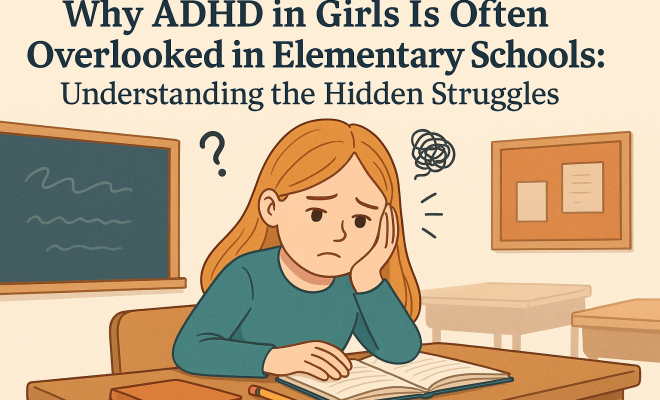
ADHD in Girls: Why It’s Overlooked in Elementary School
“`html
ADHD in girls is a topic that has gained increasing attention in recent years, yet it remains surrounded by myths and misconceptions. Many people still believe that Attention Deficit Hyperactivity Disorder (ADHD) primarily affects boys, leading to a significant underdiagnosis of the condition in girls. This oversight can have profound implications for their educational and emotional well-being, particularly during formative years in elementary school.
Understanding ADHD: The Basics
To grasp the nuances of ADHD in girls, it’s essential to understand what ADHD actually is. ADHD is a neurodevelopmental disorder characterized by patterns of inattention, hyperactivity, and impulsivity that can interfere with functioning or development. The disorder is classified into three types:
- Predominantly Inattentive Presentation
- Predominantly Hyperactive-Impulsive Presentation
- Combined Presentation
Historically, ADHD has been viewed through a predominantly male lens, as symptoms in boys tend to manifest more overtly through hyperactivity. This has led many educators and parents to dismiss the possibility of ADHD in girls, who may exhibit less disruptive behaviors. Understanding these differences is crucial for early identification and intervention.
The Gender Disparity in ADHD Diagnosis
Research indicates that boys are diagnosed with ADHD at a rate of approximately 3 to 1 when compared to girls. This disparity can be attributed to various factors: (study skills tips)
- Behavioral Expectations: Societal norms often expect boys to be rambunctious and active, making their hyperactive behaviors more noticeable. Conversely, girls are frequently held to different standards, which can lead to their symptoms being overlooked.
- Symptom Presentation: Girls with ADHD often display inattentiveness rather than hyperactivity. This might manifest as daydreaming, forgetfulness, or disorganization—behaviors that are less disruptive and can easily be mistaken for a lack of effort or motivation.
- Socialization: Girls are often socialized to be more compliant and less boisterous. As a result, their symptoms can be masked, leading to a lack of recognition by teachers and parents.
This gender bias in diagnosis not only affects the identification of ADHD in girls but can also influence the support and resources they receive in school.
Signs of ADHD in Girls: What to Look For
Recognizing ADHD in girls can be particularly challenging due to the subtlety of their symptoms. Here are common signs that may indicate ADHD in girls:
- Inattention: Difficulty focusing on tasks, forgetfulness regarding daily activities, and trouble following through on instructions can all be signs of inattentive ADHD.
- Daydreaming: Girls with ADHD may often appear lost in thought, leading teachers and peers to overlook their struggles.
- Emotional Dysregulation: Many girls with ADHD experience heightened emotions, which can manifest as mood swings, anxiety, or low self-esteem.
- Social Challenges: Girls may struggle with maintaining friendships due to impulsive behaviors or difficulty reading social cues.
Awareness of these symptoms is vital for parents and educators, especially in elementary school settings where early intervention can make a significant difference.
The Impact of Undiagnosed ADHD in Girls
The consequences of missing ADHD in girls during elementary school can be severe and long-lasting. Undiagnosed ADHD can lead to:
- Academic Struggles: Without appropriate support, girls may fall behind in their studies, leading to a lack of confidence and motivation.
- Emotional Difficulties: Undiagnosed ADHD can contribute to feelings of frustration, anxiety, and depression, as girls struggle to understand why they find certain tasks challenging.
- Behavioral Issues: In some cases, girls may develop coping mechanisms that manifest as disruptive behavior, which can further isolate them from peers.
Addressing these issues early on is crucial to fostering a supportive learning environment that accommodates the unique needs of girls with ADHD.
How Schools Can Better Identify ADHD in Girls
Schools play a pivotal role in identifying ADHD in girls and providing the necessary support. Here are several strategies that educators can implement: (See: CDC on ADHD in girls.)
- Training and Awareness: Educators should undergo training to recognize the different manifestations of ADHD, particularly in girls. This training can help them understand the subtle signs that may not align with traditional perceptions of the disorder.
- Regular Assessments: Implementing regular assessments and observations can help identify students who may be struggling with attention or self-regulation.
- Encouraging Communication: Fostering open lines of communication between teachers, parents, and students can help ensure that concerns are addressed promptly and effectively.
By adopting these strategies, schools can create an inclusive environment that identifies and supports girls with ADHD.
The Role of Parents in Addressing ADHD in Girls
Parents play a crucial role in the identification and management of ADHD in their daughters. Being proactive can significantly influence the outcome for girls struggling with the disorder:
- Educate Yourself: Parents should educate themselves about ADHD, its symptoms, and its impact on girls. This knowledge can empower them to advocate effectively for their child.
- Open Dialogue: Encourage open discussions about struggles in school or at home. Creating a safe space for girls to express their feelings can help identify potential ADHD symptoms.
- Seek Professional Help: If concerns arise, parents should seek evaluations from healthcare professionals who specialize in ADHD. Early diagnosis can lead to better treatment options.
By being informed and involved, parents can make a meaningful difference in their daughters’ lives.
Available Treatments and Support for Girls with ADHD
Once a diagnosis is made, a variety of treatment options and support systems can help girls manage their ADHD effectively:
- Behavioral Therapy: Behavioral interventions can help girls develop coping strategies and improve their executive functioning skills.
- Medication: In some cases, healthcare providers may recommend medication to help manage symptoms. It’s important to monitor the effects closely and adjust as necessary.
- School Accommodations: Individualized Education Plans (IEPs) or 504 Plans can provide tailored support in the classroom, making learning more accessible.
Combining these treatments can lead to a holistic approach that empowers girls with ADHD to thrive academically and socially.
Building Awareness and Advocacy
Advocacy for ADHD in girls involves raising awareness about the unique challenges they face. Here are some steps to foster a more supportive environment:
- Community Awareness Campaigns: Organize events and workshops that focus on ADHD, specifically targeting parents, teachers, and healthcare professionals.
- Support Groups: Creating or joining support groups can provide parents and girls with a platform to share experiences and resources.
- Policy Advocacy: Engage with policymakers to ensure that educational systems recognize and accommodate the needs of girls with ADHD.
By building awareness and advocating for change, communities can work towards a more inclusive approach to ADHD diagnosis and treatment.
Looking Ahead: The Future of ADHD Awareness in Girls
The conversation surrounding ADHD in girls is gaining momentum, but there’s still much work to be done. As more research emerges, understanding the full spectrum of ADHD symptoms in girls will evolve. Increased awareness can lead to:
- Better Training for Educators: Ensuring that teachers are equipped to recognize and support girls with ADHD.
- Improved Support Systems: Expanding resources and interventions in schools that cater specifically to the needs of girls.
- Greater Understanding Among Peers: Fostering a culture of empathy and understanding, helping to reduce stigma around ADHD.
Ultimately, addressing ADHD in girls is not just about diagnosis; it’s about creating an environment where they can flourish. As we continue to advocate for change, we must remember that every girl deserves the opportunity to succeed.
Statistical Insights on ADHD in Girls
Statistics paint a clearer picture of ADHD in girls, revealing the extent of the issue and the need for greater awareness. According to the CDC, about 6.1 million children aged 2–17 have been diagnosed with ADHD, with an estimated 2.4 million being girls. This signifies that while ADHD is frequently perceived as a boys’ condition, a substantial number of girls are affected too.
Interestingly, studies show that girls are often diagnosed later than boys. Research published in the journal Pediatrics indicates that the average age of diagnosis for girls is around 11 years, compared to 7 years for boys. This delay can lead to prolonged struggles in school and social settings, underscoring the importance of timely evaluation and intervention.
Expert Perspectives on ADHD in Girls
Experts in child psychology emphasize the need for enhanced awareness of ADHD’s symptoms in girls. Dr. Patricia Quinn, a well-known psychologist and co-author of “Understanding Girls with ADHD,” expresses concern over the societal biases that contribute to misdiagnosis. She notes, “Girls often internalize their struggles, which can lead to anxiety and depression. It’s essential that parents and educators recognize these signs early.” Dr. Quinn advocates for training programs that focus specifically on ADHD in girls, saying, “Educators play a crucial role in identifying these symptoms and providing the necessary support.” (See: NIH ADHD diagnosis information.)
Furthermore, Dr. Ellen Littman, a clinical psychologist specializing in ADHD, highlights the impact of societal expectations on girls’ behavior. “The pressure to conform can lead girls to mask their symptoms. They may act out less, but their struggles are no less real,” she states. She encourages parents to be vigilant and proactive in seeking help if they suspect ADHD, regardless of their daughter’s behavior.
Comparisons of ADHD in Boys vs. Girls
While ADHD affects both genders, there are notable differences in its presentation that warrant discussion. Boys tend to exhibit more externalized behaviors, such as hyperactivity and impulsivity, which are often disruptive in classroom settings. On the other hand, girls typically display internalized symptoms like daydreaming and emotional dysregulation.
Research suggests that girls with ADHD are more likely to develop comorbid conditions like anxiety and depression, which can complicate their diagnosis and treatment. A study published in the Journal of Attention Disorders found that around 50% of girls with ADHD also experience anxiety disorders, while boys are more likely to have behavioral issues. This highlights the importance of tailored assessment approaches based on gender differences.
Strategies for Coping with ADHD in Girls
Beyond seeking professional help, there are strategies parents and educators can employ to support girls with ADHD in their daily lives:
- Create a Structured Environment: Establishing routines can provide stability, helping girls manage their time and tasks effectively.
- Utilize Visual Aids: Charts, lists, and calendars can assist in keeping track of assignments and responsibilities, making it easier for girls to stay organized.
- Encourage Physical Activity: Regular physical activity can help alleviate symptoms of ADHD by improving mood and concentration.
- Practice Mindfulness: Mindfulness exercises can assist in enhancing focus and emotional regulation, providing girls with tools to manage their ADHD symptoms.
Understanding the Link Between ADHD and Gender
One of the key aspects of understanding ADHD in girls is recognizing how gender influences both the presentation of symptoms and the societal responses to them. Girls are often socialized in ways that encourage compliance and emotional expressiveness, which can mask ADHD symptoms. For instance, a girl who struggles to pay attention in class may be perceived as simply shy or disinterested, while a boy displaying similar inattentiveness might be labeled as troublemaking or disruptive.
Additionally, the hormonal differences between boys and girls can play a role in symptom manifestation and severity. Some studies suggest that hormonal fluctuations, particularly during puberty, may exacerbate ADHD symptoms in girls, leading to increased emotional dysregulation or attention difficulties. Understanding these biological influences can help parents and educators tailor their approaches to support girls with ADHD more effectively.
Long-Term Outcomes for Girls with ADHD
It’s crucial to understand the potential long-term outcomes associated with ADHD in girls. Girls with ADHD are at a higher risk for developing secondary issues, such as low self-esteem, anxiety disorders, and depression. Without proper support and intervention, these girls may struggle not only academically but also socially and emotionally as they transition into adolescence and adulthood.
Research from the Journal of Child Psychology and Psychiatry indicates that girls with untreated ADHD may have difficulties in maintaining relationships, achieving academic success, and navigating workplace challenges. Early intervention, including therapy and educational support, has been shown to significantly improve these outcomes, highlighting the necessity for timely diagnosis and treatment.
FAQ About ADHD in Girls
What are the most common symptoms of ADHD in girls?
The most common symptoms include inattentiveness, daydreaming, emotional dysregulation, and difficulties with social interactions. Girls may appear less active than boys but often struggle with focus and organization.
How can I tell if my daughter has ADHD?
If you notice persistent patterns of inattention, impulsivity, or emotional challenges that interfere with her daily life, it may be worth seeking an evaluation from a healthcare professional. Look for changes in academic performance, social interactions, or self-esteem.
What treatments are available for girls with ADHD?
Treatment options include behavioral therapy, medication, and school accommodations such as IEPs or 504 Plans. Combining these strategies can help manage symptoms effectively.
How can I support my daughter with ADHD?
Providing a structured environment, encouraging open communication, and advocating for her needs in academic settings are key ways to support your daughter. Additionally, educating yourself about ADHD will empower you to help her navigate challenges.
Are there long-term effects of ADHD in girls?
Yes, girls with undiagnosed or untreated ADHD may face long-term challenges, including academic difficulties, emotional issues, and social isolation. Early diagnosis and intervention can significantly improve outcomes.
How can I help my daughter develop coping strategies for ADHD?
Encouraging her to practice mindfulness, setting up a reward system for achieving tasks, and teaching her to break down large assignments into manageable steps can be effective strategies. Engaging in regular physical activity and maintaining open communication about her feelings can also contribute positively.
What resources are available for parents of girls with ADHD?
Many organizations, such as CHADD (Children and Adults with Attention-Deficit/Hyperactivity Disorder) and ADDitude Magazine, offer valuable resources, including articles, support groups, and webinars aimed at helping parents understand and manage ADHD. Local support groups can also provide community and shared experiences.
What role does diet play in managing ADHD symptoms?
While diet alone cannot cure ADHD, some studies suggest that certain dietary adjustments may help manage symptoms. A balanced diet rich in omega-3 fatty acids, whole grains, and fruits and vegetables can support overall brain health. Some parents find that reducing sugar and artificial additives has a positive effect on their child’s behavior.
How can teachers assist girls with ADHD in the classroom?
Teachers can play a significant role by implementing individualized teaching strategies tailored to the needs of girls with ADHD. This may include providing clear instructions, allowing for flexible seating arrangements, and incorporating interactive learning methods to keep girls engaged. Additionally, regular feedback and positive reinforcement can boost confidence and motivation.
“`
Trending Now
Frequently Asked Questions
Why is ADHD in girls often overlooked?
ADHD in girls is often overlooked due to societal norms and expectations that make their symptoms less noticeable. Unlike boys, who typically exhibit hyperactive behaviors, girls may show signs of inattentiveness, such as daydreaming or disorganization, which can be mistaken for lack of effort or motivation.
What are the symptoms of ADHD in girls?
Symptoms of ADHD in girls often include inattentiveness, forgetfulness, and disorganization. These behaviors are less disruptive than the hyperactivity commonly seen in boys, leading to a higher likelihood of underdiagnosis and misinterpretation of their struggles.
How does ADHD manifest differently in boys and girls?
ADHD typically manifests in boys through overt hyperactivity, while girls may exhibit more subtle symptoms like inattention and daydreaming. This difference in presentation contributes to the gender disparity in diagnosis rates, with boys being diagnosed more frequently than girls.
What are the implications of underdiagnosing ADHD in girls?
Underdiagnosing ADHD in girls can lead to significant educational and emotional challenges. Without proper identification and intervention, girls may struggle academically and socially, impacting their self-esteem and overall well-being during critical developmental years.
What can be done to improve ADHD diagnosis in girls?
To improve ADHD diagnosis in girls, educators and parents need to be aware of the different symptom presentations. Increased training and awareness about ADHD in females can help ensure that girls receive the support and resources they need for early intervention.
Agree or disagree? Drop a comment and tell us what you think. See also social media's impact on ADHD.