
AI in the Workplace: Transforming Industries in the 2020s
“`html
As we hurtle through the 2020s, one thing is crystal clear: AI in the workplace isn’t just a buzzword; it’s a rapidly evolving reality that’s reshaping the way we do business. A recent report from McKinsey highlights just how fast this technology is being adopted and the significant changes it’s driving across various industries. The findings reveal that organizations are not only integrating AI into their daily operations but are also rethinking their strategies to harness its full potential. Let’s explore the key insights from this report and what they mean for the future of work.
The Accelerating Adoption of AI
According to the McKinsey report, the adoption of AI technologies is accelerating at a remarkable pace. In fact, organizations that were once hesitant to embrace AI are now jumping on the bandwagon. The report indicates that nearly 50% of companies have adopted AI in at least one function, a significant increase from previous years. This shift is not just limited to tech giants; businesses across all sectors, from manufacturing to healthcare, are recognizing the need to incorporate AI into their strategies.
What’s driving this trend? There are several factors at play. First, the COVID-19 pandemic forced many companies to rethink their operational strategies. The need for efficiency and adaptability in remote work environments has made AI tools more appealing than ever. Companies are turning to AI for tasks ranging from automating customer service to optimizing supply chains. The possibility of cutting costs while enhancing productivity has become a compelling argument for organizations to invest in AI technology.
Organizational Changes in the Age of AI
The adoption of AI in the workplace is not just a technological shift; it’s also transforming organizational structures and cultures. As businesses integrate AI, there’s a growing need for teams that can effectively manage these technologies. This has led to the rise of new roles dedicated to AI management, including AI ethics boards and data scientists who can interpret AI outputs.
Moreover, organizations are also restructuring their teams to be more agile. Traditional hierarchies are giving way to cross-functional teams that can adapt quickly to changes in the market. For instance, marketing teams are increasingly collaborating with data scientists to leverage AI analytics for targeted campaigns. This collaborative approach enables companies to respond faster to consumer needs, a necessity in today’s fast-paced business environment.
The Human-AI Partnership
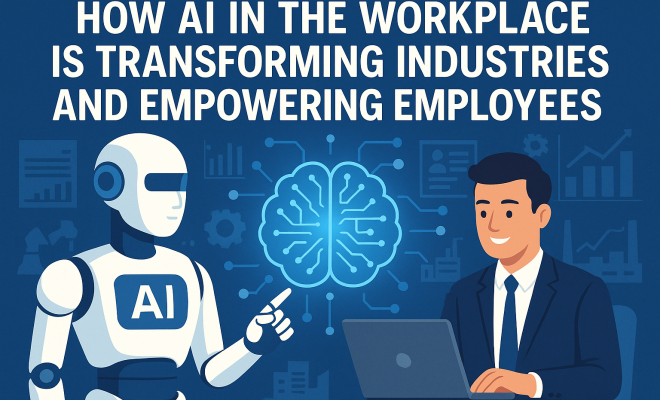
One of the most significant findings of the McKinsey report is the emphasis on the human-AI partnership. Rather than viewing AI as a direct replacement for human workers, many organizations are focusing on how AI can complement their existing workforce. This perspective is crucial in alleviating fears surrounding job losses due to automation.
For example, AI can handle repetitive tasks, freeing up employees to focus on more complex and creative work. In sectors like customer service, AI chatbots can manage basic inquiries, allowing human agents to tackle more nuanced customer issues. This not only enhances job satisfaction but also improves overall service quality. Employees are finding that with AI taking care of the mundane, they can engage in more meaningful work.
Challenges and Concerns
While the benefits of AI in the workplace are evident, the transition isn’t without its challenges. Chief among them are concerns about data privacy and ethical use of AI. The McKinsey report notes that organizations must navigate these complexities carefully, ensuring they have robust data governance policies in place.
Moreover, the rapid pace of AI adoption can lead to skills gaps within organizations. As AI tools evolve, employees need to continuously update their skills to keep pace with new technologies. Organizations that fail to invest in employee training may find themselves struggling to effectively implement AI solutions. This places a significant responsibility on businesses to provide ongoing education and support to their teams.
Real-World Applications of AI in Various Industries
The McKinsey report provides a wealth of insights into how different industries are leveraging AI. In healthcare, for instance, AI is being used to analyze patient data and predict outcomes, allowing for more personalized treatment plans. Hospitals are deploying AI tools to optimize scheduling and resource allocation, which can lead to improved patient care and reduced wait times.
In the manufacturing sector, AI-driven robots are streamlining production lines, reducing errors, and increasing efficiency. Companies that have adopted predictive maintenance powered by AI are seeing significant reductions in downtime, which translates to higher productivity and lower costs.
Even in the retail space, AI is transforming the customer shopping experience. From personalized recommendations to AI-driven inventory management, retailers are increasingly relying on AI to enhance both operational efficiency and customer satisfaction. As AI technologies continue to evolve, the possibilities for innovation appear to be limitless. (See: CDC guidance for businesses during COVID-19.)
Preparing for the Future: Strategies for Organizations
As organizations look to integrate AI into their business strategies, there are several key strategies they can adopt to ensure success. First and foremost, it’s essential to foster a culture of innovation. This means encouraging employees to experiment with new AI tools and approaches without the fear of failure. A culture that embraces experimentation is more likely to yield successful AI implementations.
Additionally, companies should prioritize transparency in their AI initiatives. By being open about how AI is being used and the data it relies on, organizations can build trust among their employees and customers. This is especially crucial given the rising concerns around data privacy and ethical considerations.
Lastly, investing in training programs will be vital. Organizations need to equip their teams with the skills necessary to thrive in an AI-driven environment. This might include offering workshops on AI technologies, providing access to online courses, or even collaborating with educational institutions to design tailored training programs.
The Role of Leadership in AI Integration
Leadership plays a pivotal role in the successful integration of AI in the workplace. Leaders must not only champion the use of AI but also act as role models for their teams. This means being knowledgeable about AI technologies and advocating for their responsible use.
Moreover, leaders should actively engage with their employees throughout the transition process. This can involve soliciting feedback on AI tools, addressing concerns about job security, and involving employees in the decision-making process regarding AI integration. When employees feel valued and heard, they’re more likely to embrace new technologies.
The Future of Work: Embracing AI
So, what does the future hold for AI in the workplace? As we move forward, it’s clear that AI will continue to play a transformative role in shaping the way we work. The McKinsey report suggests that by 2025, we can expect to see even more widespread adoption of AI technologies, fundamentally altering the dynamics of various industries.
However, organizations must remain vigilant as they navigate this transition. The rapid pace of AI development means that companies must stay ahead of the curve, consistently evaluating and updating their strategies. By fostering a culture of innovation, prioritizing employee training, and ensuring ethical practices, organizations can unlock the true potential of AI.
Conclusion: A New Era of Work
In summary, the insights from McKinsey’s report underscore the importance of recognizing AI in the workplace as a tool for empowerment rather than a threat. As businesses continue to integrate AI into their operations, they have the opportunity to enhance productivity, improve employee satisfaction, and drive innovation. The key will be to approach AI thoughtfully and inclusively, ensuring that the transition benefits everyone involved. The future is bright for businesses willing to embrace this new era of work.
AI in the Workplace: Emerging Trends
As AI technology continues to progress, several emerging trends are shaping how organizations will utilize these tools. One notable trend is the rise of AI-powered collaborative tools that enhance teamwork, especially in remote settings. Tools like Slack and Microsoft Teams are integrating AI features to help manage workflows, schedule meetings automatically, and even draft messages based on prior conversations. This enables teams to maintain productivity regardless of their physical location.
Another trend is the increasing use of AI in recruitment processes. Companies are employing AI tools to screen resumes and analyze candidate data, helping HR teams identify the best fits for their roles more efficiently. This can not only speed up the hiring process but also help eliminate biases present in human decision-making. For example, AI algorithms can ensure that candidates are assessed purely on their qualifications rather than demographic factors, promoting a more diverse workforce.
Statistics on AI Adoption
Looking at the numbers, recent surveys provide more context on the extent of AI adoption in the workplace. According to a Gartner survey, as of 2022, 64% of organizations reported that AI was a significant part of their business strategy, indicating a growing recognition of its importance. Moreover, a Deloitte report found that 83% of early adopters of AI saw a positive return on investment within the first three years of implementation. These statistics underscore the tangible benefits organizations are experiencing by integrating AI into their operations.
Expert Perspectives on AI in the Workplace
Experts in the field also emphasize the importance of a balanced approach to AI integration. Dr. Fei-Fei Li, a prominent AI researcher, often points out that while AI has immense potential, it’s crucial to maintain a human-centric perspective. “AI should augment human ability, not replace it,” she asserts. This sentiment resonates with many industry leaders who advocate for a future where AI serves to enhance human creativity and problem-solving capabilities.
Furthermore, Satya Nadella, CEO of Microsoft, has emphasized the role of AI in enabling digital transformation across various sectors. In his discussions, he highlights how AI technologies can empower employees, streamline operations, and unlock new avenues for innovation. “AI is the ultimate tool for productivity, but it requires a thoughtful strategy to implement effectively,” he notes. (See: Nature article on AI and workplace transformation.)
Frequently Asked Questions About AI in the Workplace
1. How is AI changing job roles in organizations?
AI is shifting job roles by automating repetitive tasks and allowing employees to focus on higher-level responsibilities. For instance, roles that involve data entry are becoming less common, while positions requiring data analysis and interpretation are on the rise.
2. Will AI lead to job losses?
While some jobs may be displaced due to AI automation, many experts believe that new job opportunities will be created in developing, managing, and maintaining AI systems. The key is for workers to adapt and upskill in response to these changes.
3. What ethical concerns surround AI in the workplace?
Ethical concerns include data privacy, bias in AI algorithms, and the potential for surveillance. Organizations need to establish clear guidelines and governance frameworks to address these issues and ensure that AI technologies are used responsibly.
4. How can organizations prepare their employees for an AI-driven workplace?
Organizations can prepare employees by offering training programs focused on AI technologies, encouraging a growth mindset, and fostering an environment that values continuous learning. This can help employees gain confidence in working alongside AI tools.
5. What industries are most affected by AI integration?
Industries such as healthcare, finance, manufacturing, and retail are significantly affected by AI integration. Each of these sectors is leveraging AI technologies for efficiency, predictive analytics, and enhanced customer experiences.
6. How can small businesses implement AI?
Small businesses can start by identifying specific areas where AI can add value, such as customer service chatbots or inventory management systems. Many affordable AI tools and platforms are available that cater to smaller enterprises, making implementation more accessible.
7. Is there a risk of AI being biased?
Yes, AI can inherit biases present in the data it is trained on. It is crucial for organizations to actively monitor and evaluate AI systems to mitigate these biases, ensuring fair and equitable outcomes in decision-making processes.
8. How will AI impact the future of work?
AI is expected to continue reshaping the future of work by enhancing productivity, promoting collaboration, and redefining job roles. As AI becomes more integrated into daily operations, workers will likely adapt to new tools and workflows that emphasize creativity and strategic thinking.
Impact of AI on Employee Well-being
As organizations increasingly adopt AI technologies, it’s vital to consider their impact on employee well-being. Studies show that when implemented thoughtfully, AI can lead to reduced stress levels among employees. By automating mundane tasks, AI allows workers to reclaim their time and focus on more fulfilling aspects of their jobs.
For example, in a recent survey by PwC, 61% of workers reported feeling less stressed when AI tools were introduced to handle repetitive tasks, such as data entry and scheduling. With AI taking over these functions, employees can invest their time in projects that enhance creativity and problem-solving, ultimately contributing to job satisfaction and personal growth.
AI and Diversity in the Workplace
Another crucial area where AI can make a significant impact is in promoting diversity and inclusion within the workplace. AI-driven analytics can help organizations identify and mitigate biases in hiring practices, employee evaluations, and promotions. By analyzing historical data, AI can reveal patterns that might otherwise go unnoticed, helping companies create a more equitable work environment.
A prime example comes from a tech startup that implemented an AI recruitment tool designed to screen candidates based on skills and experience rather than demographic factors. As a result, the company saw a 30% increase in the diversity of its applicants in just one year. This demonstrates how AI can be leveraged to build more inclusive teams, fostering a culture that values varied perspectives and experiences.
The Role of AI in Remote Work Environments
The transition to remote work has accelerated the adoption of AI tools, as companies seek to maintain productivity and collaboration across dispersed teams. AI technologies are helping to facilitate communication, project management, and performance tracking in ways that were not possible before.
For instance, AI-driven analytics platforms can measure employee performance in real time, providing insights into productivity levels and areas needing attention. As a result, managers can offer timely support and resources, ensuring that remote employees feel connected and engaged. In a recent study by Buffer, 98% of remote workers stated that they would like to work remotely at least some of the time for the rest of their careers, highlighting the need for organizations to adapt to this new normal through effective AI implementation.
Future AI Innovations on the Horizon
As AI technology continues to evolve, several innovations are expected to emerge that will further change the workplace landscape. For example, advancements in natural language processing (NLP) may lead to AI systems that understand and respond to human emotions, creating more empathetic interactions between employees and AI. This could revolutionize areas like customer service, where human-like interactions can enhance client relationships.
Moreover, the development of personalized AI assistants tailored to individual employees could help streamline workflows and enhance productivity. Imagine a virtual assistant that learns your preferences over time, prioritizes tasks, and suggests optimal ways to manage your day. Such innovations could not only improve efficiency but also empower employees to take ownership of their work processes.
AI in Performance Evaluation
Performance evaluation is another area where AI is making strides. Traditional performance reviews often involve biases and inconsistencies, but AI-driven analytics can provide a more objective view of employee performance. By analyzing data such as project outcomes, collaboration metrics, and skill development, AI can help managers make more informed decisions regarding promotions, raises, and development opportunities.
Additionally, continuous feedback mechanisms powered by AI can replace outdated annual reviews, allowing employees to receive timely insights on their performance. This shift towards a more dynamic evaluation system can lead to increased motivation and engagement among staff, as they receive real-time feedback and can adjust their efforts accordingly.
The Importance of Continuous Learning in an AI-Driven Workplace
As AI continues to reshape job roles, continuous learning is essential. Employees must adapt to new AI tools and processes, making ongoing education a top priority. Organizations can support this by providing access to online courses, workshops, and mentorship programs aimed at developing AI-related skills.
Incorporating a learning culture not only helps employees stay relevant but also benefits the organization as a whole. According to a LinkedIn report, 94% of employees say they would stay at a company longer if it invested in their career development. By prioritizing continuous learning, organizations can retain top talent and ensure they are well-equipped to thrive in an AI-driven landscape.
“`
Trending Now
Frequently Asked Questions
How is AI transforming industries in the workplace?
AI is reshaping industries by enhancing operational efficiency and enabling organizations to rethink their strategies. Companies across various sectors, from manufacturing to healthcare, are adopting AI technologies to automate tasks, optimize processes, and improve productivity.
What are the benefits of using AI in the workplace?
The benefits of AI in the workplace include increased efficiency, cost savings, enhanced productivity, and the ability to adapt to changing business environments. AI tools help automate repetitive tasks, allowing employees to focus on higher-value work.
Why are companies increasingly adopting AI technologies?
Companies are adopting AI technologies due to the need for efficiency and adaptability, especially highlighted by the COVID-19 pandemic. With nearly 50% of organizations implementing AI in at least one function, the drive for cost reduction and improved productivity is a major factor.
What organizational changes occur with AI adoption?
AI adoption leads to significant organizational changes, including the emergence of new roles focused on managing AI technologies. Businesses must adapt their structures and cultures to integrate AI effectively, fostering teams that can leverage these tools for better outcomes.
How does AI impact employee roles in the workplace?
AI impacts employee roles by automating routine tasks, enabling workers to engage in more strategic and creative activities. This shift not only enhances job satisfaction but also requires employees to develop new skills to work alongside AI technologies effectively.
What’s your take on this? Share your thoughts in the comments below — we read every one.

