Scaffolding Executive Function in Kids: 7 Strategies
“`html
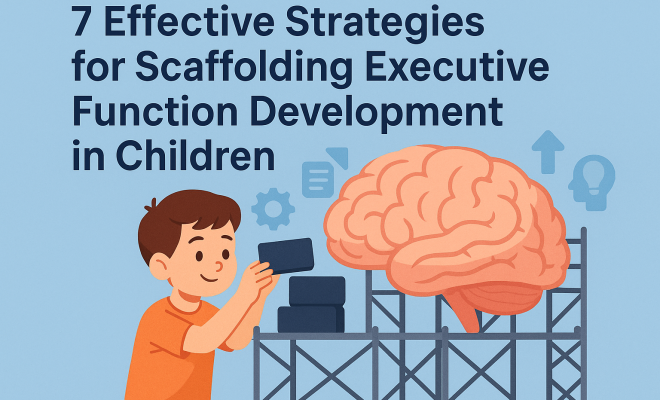
When it comes to helping children succeed in school and life, one concept that stands out is scaffolding executive function. This method involves providing temporary support structures to help children master essential cognitive skills. These skills, known as executive functions, include working memory, flexible thinking, and self-control — all critical for managing tasks and navigating everyday challenges. In this article, we will explore the intricacies of scaffolding executive function development, highlighting practical strategies, the importance of these skills, and the role that educators and parents can play in this vital growth process.
What Are Executive Functions?
Before diving into the scaffolding aspect, let’s clarify what executive functions are. They refer to a set of cognitive processes that enable individuals to plan, focus attention, remember instructions, and juggle multiple tasks. Essentially, these functions act as the brain’s management system, allowing us to control our thoughts, actions, and emotions. Executive functions can be categorized into three main areas:
- Working Memory: The ability to hold and manipulate information in our minds.
- Cognitive Flexibility: The capacity to shift thinking and adapt to new situations or rules.
- Inhibitory Control: The skill to suppress impulsive responses and maintain focus on tasks.
These skills are crucial for academic success, social interactions, and overall mental health. Children who struggle with executive functioning often face challenges in school, exhibit behavioral issues, and have difficulty forming relationships.
The Importance of Scaffolding in Executive Function Development
Scaffolding, in educational terms, refers to the support provided to learners that is gradually removed as they gain independence. This process is vital for fostering executive function development. By offering guidance, educators and parents can help children overcome specific challenges while they learn to master these skills.
Implementing scaffolding effectively can lead to improved academic performance, enhanced problem-solving skills, and better emotional regulation. Research has shown that children who receive appropriate support in developing executive functions are better equipped to handle the demands of school and everyday life.
Strategies for Scaffolding Executive Function Skills
So, how can you effectively scaffold executive function development? Here are seven actionable strategies that educators and parents can implement:
1. Break Tasks into Manageable Steps
Children often feel overwhelmed by complex tasks. Breaking assignments into smaller, more manageable steps can help them stay focused and prevent frustration. For instance, instead of assigning a long essay, guide them through each phase: brainstorming, outlining, drafting, and revising. This method not only makes tasks less daunting but also allows children to experience success at each stage, reinforcing their confidence and skills.
2. Utilize Visual Supports
Visual aids can be incredibly beneficial for children struggling with executive functioning. Using charts, diagrams, or color-coded schedules can provide clear guidance and reminders. For example, a daily schedule with pictures of activities can help children anticipate transitions and better manage their time. Visual supports cater to various learning styles and help children visualize their progress.
3. Encourage Self-Monitoring
Teaching children to self-monitor their progress is another effective scaffolding strategy. Encourage them to check off completed tasks on a to-do list or use a timer to manage their time during assignments. This not only promotes independence but also enhances their metacognitive skills, as they reflect on their own learning processes and adjust strategies as needed.
4. Model Problem-Solving Skills
When faced with a challenging situation, children often benefit from seeing how an adult approaches problem-solving. As an educator or parent, verbalize your thought process while tackling a problem. For instance, when organizing a chaotic room, explain how you prioritize which areas to tackle first. This modeling helps children internalize effective strategies, making them more likely to apply them in the future.
5. Foster a Growth Mindset
Promoting a growth mindset encourages children to view challenges as opportunities for learning rather than insurmountable obstacles. Emphasize the idea that effort and persistence lead to improvement. When children believe they can develop their skills, they are more likely to engage fully in tasks. Celebrate small victories and encourage them to embrace setbacks as part of the learning journey. (See: strategies for learning development.)
6. Provide Consistent Routines
Establishing consistent routines is crucial for children with developing executive functions. Predictability helps them manage their expectations and reduces anxiety. For example, setting up a regular homework routine where specific times and locations are designated can help children focus better. Routines help reinforce the skills of planning and organization, essential components of executive function.
7. Offer Timely Feedback
Feedback is a powerful tool for scaffolding executive function skills. Providing timely and specific feedback can help children understand where they excel and where they need improvement. Instead of general praise like “good job,” offer constructive feedback such as, “I noticed you took your time to make a detailed outline before writing your essay. That’s a great strategy for staying organized!” This approach reinforces positive behaviors and encourages self-reflection.
Current Relevance of Scaffolding Executive Function
As educational settings adapt to new challenges, the relevance of scaffolding executive function development has never been more pronounced. The increase in remote learning and the ongoing impact of the pandemic have highlighted gaps in students’ executive functioning skills. With many children facing social isolation and uncertainty, they may struggle with self-regulation and time management.
Educators and parents must remain vigilant in recognizing these challenges and respond with supportive scaffolding strategies. By doing so, they can help children build essential skills that will empower them to succeed not only academically but also in their personal lives.
Incorporating Technology in Scaffolding
In today’s digital age, technology can play a significant role in scaffolding executive function development. Various apps and online tools are designed to assist children in managing tasks, improving focus, and organizing information. For instance, tools like digital planners can help students track assignments and deadlines, while interactive games can promote cognitive flexibility and working memory skills.
While technology offers exciting possibilities, it’s crucial to strike a balance. Encourage children to use digital tools thoughtfully, ensuring they don’t become overwhelmed or distracted by potential sources of information overload.
The Role of Collaboration in Scaffolding
Collaboration between parents, educators, and mental health professionals is vital for effective scaffolding of executive function skills. Schools can implement programs that focus on social-emotional learning, integrating executive function development into the curriculum. This collaborative approach fosters a supportive environment where children can thrive.
Additionally, workshops for parents can provide insight into effective scaffolding techniques. By working together, families and schools can create consistent support systems that reinforce executive function skills both at home and in academic settings.
Supporting Children with Diverse Needs
When considering scaffolding executive function, it’s important to acknowledge that children have diverse needs. For instance, children with ADHD or learning disabilities often require tailored scaffold support to navigate their unique challenges. Providing individualized attention can make a significant difference.
For children with ADHD, scaffolding strategies may include more frequent breaks during tasks to help manage focus, using fidget tools to assist with self-regulation, or implementing gamified learning approaches to keep them engaged. Understanding each child’s needs can lead to a more effective and personalized scaffolding plan.
Real-Life Applications of Scaffolding Executive Function
Let’s explore some real-life applications of scaffolding executive function in various contexts. For example, during homework time, a parent might use a timer to set intervals for study sessions followed by short breaks. This method helps children practice time management while also preventing burnout.
In the classroom, teachers can implement group projects where students must collaborate, thereby practicing cognitive flexibility, responsibility, and planning. For instance, assigning roles within a group project can scaffold students’ understanding of teamwork and the importance of balancing individual tasks with group goals.
Statistics on Executive Function Development
Research shows that executive functions are closely linked to academic success and social-emotional well-being. A study published in the journal Child Development found that children with strong executive function skills outperformed their peers in reading and math. Additionally, a report from the Center on the Developing Child at Harvard University indicates that children with well-developed executive skills are less likely to experience behavioral problems and have healthier relationships with peers. (See: importance of mental health in children.)
Statistics reveal that approximately 10% of children struggle with executive function deficits, which can impact their academic performance and behavior significantly. This emphasizes the need for effective scaffolding strategies in both home and school settings to ensure that all children receive the support they need.
Expert Perspectives on Scaffolding Executive Function
Experts in child development emphasize the critical role of scaffolding in fostering executive function skills. Dr. Adele Diamond, a leading researcher in the field, highlights that “executive functions are like air. We need them for everything we do, yet they are often overlooked in educational contexts.”
Educators like Dr. Linda P. Kucan advocate for integrating executive function training into everyday learning activities. She states, “By embedding scaffolding techniques into daily lessons, we can cultivate an environment where children actively develop the skills necessary for success in all areas of life.”
FAQ About Scaffolding Executive Function
What is the best age to start scaffolding executive function skills?
Scaffolding can begin as early as preschool. Young children are particularly receptive to structured guidance that helps develop their cognitive skills. Early interventions can set a strong foundation for future learning.
Can scaffolding be used at home as well as in school?
Absolutely! Parents can implement scaffolding techniques at home during activities such as homework, chores, or even playtime. Consistent reinforcement of skills across different environments is beneficial.
How long does it take for children to develop executive function skills through scaffolding?
The timeline can vary for each child based on their unique needs and the consistency of the scaffolding strategies used. Generally, with regular practice and support, children can show improvements in their executive function skills within a few months.
Are there specific tools that can help with scaffolding executive function?
Yes, there are numerous tools available, from digital planners and organizational apps to physical tools like checklists and timers. The key is to find what resonates best with the individual child.
What should I do if my child continues to struggle with executive function skills despite scaffolding?
If your child continues to face challenges, consider seeking guidance from educational professionals or psychologists who specialize in executive functioning. They can provide tailored interventions and strategies that meet your child’s specific needs.
Additional Strategies for Enhancing Scaffolding Executive Function
Beyond the previously mentioned strategies, there are several additional methods that can further enhance scaffolding for executive function development. These strategies can be tailored to individual children’s needs and can be implemented in both home and school environments.
8. Use Technology Wisely
Incorporating educational technology can provide children with interactive ways to develop executive function skills. For example, apps like Todoist or Evernote can help children organize tasks and set reminders. Gamified learning platforms can also enhance cognitive flexibility and working memory. It is essential, however, to monitor screen time and ensure that technology use supports rather than hinders their learning process.
9. Promote Mindfulness Practices
Mindfulness activities can significantly aid in developing self-control and emotional regulation. Techniques such as deep breathing, meditation, or even simple yoga can help children learn to manage their emotions and focus their attention. For example, a brief mindfulness session before tackling homework can help a child center themselves and improve concentration.
10. Encourage Reflection
Creating opportunities for children to reflect on their learning experiences can deepen their understanding of their executive function skills. After completing a task, ask questions like, “What strategies did you use to stay focused?” or “How did you overcome obstacles during this project?” This encourages them to think critically about their processes and identify areas for improvement.
Scaffolding Executive Function in Diverse Settings
The strategies for scaffolding executive function are not confined to the classroom or home. They can be effectively utilized in various settings such as sports, community programs, or even during family outings. For instance, if your child is involved in a sports team, you can encourage them to set goals for their performance, plan their practice schedule, and reflect on their progress after games. This not only fosters executive function skills but also builds teamwork and social skills.
Building Resilience through Executive Function Skills
Another vital aspect of scaffolding executive function is its role in building resilience. When children develop these skills, they are better equipped to handle setbacks and challenges. Resilience is not just about bouncing back from difficulties; it’s about navigating obstacles and learning from experiences. When children face a challenge, whether in school or life, their ability to plan, stay focused, and control impulses can significantly influence their response and recovery.
Encouraging children to view challenges as learning experiences rather than failures can foster resilience. This mindset, coupled with strong executive function skills, enables them to tackle future challenges with confidence and determination.
Long-Term Benefits of Scaffolding Executive Function
Investing time and effort into scaffolding executive function skills yields long-term benefits. Children who develop these skills are likely to have better academic outcomes, improved social interactions, and healthier emotional regulation as they grow older. Studies indicate that adults with strong executive function skills tend to perform better in their careers and maintain more successful personal relationships.
Furthermore, the skills learned through scaffolding executive function are transferable. For example, a child who learns to plan and organize their homework may later apply these skills to manage a work project or personal tasks as an adult. This continuity underscores the importance of these foundational skills and their lasting impact on an individual’s life.
Conclusion: The Path Forward
Scaffolding executive function development is an ongoing journey that requires patience, creativity, and collaboration. By implementing these strategies, educators and parents can create an environment where children feel empowered to develop their executive functioning skills. In doing so, we not only set them up for academic success but also equip them with the tools they need to navigate life’s challenges confidently. Remember, every small step counts towards building a stronger foundation for the future.
“`
Trending Now
Frequently Asked Questions
What are effective strategies for developing executive function in children?
Effective strategies for developing executive function in children include providing structured routines, using visual aids, breaking tasks into smaller steps, and encouraging self-reflection. These methods help children improve their working memory, cognitive flexibility, and inhibitory control, essential skills for academic and life success.
Why is scaffolding important for children's learning?
Scaffolding is important for children's learning because it provides temporary support that helps them acquire new skills and knowledge. As children gain competence, this support is gradually removed, promoting independence and confidence in their abilities, particularly in developing executive functions.
What are the main components of executive functions?
The main components of executive functions include working memory, cognitive flexibility, and inhibitory control. These cognitive processes allow individuals to plan, focus attention, adapt to new situations, and manage impulses, all of which are critical for effective task management and social interactions.
How can parents support their child's executive function development?
Parents can support their child's executive function development by creating structured environments, setting clear expectations, encouraging problem-solving, and providing consistent feedback. Engaging in activities that promote planning and organization also helps reinforce these essential skills.
What challenges do children with weak executive functions face?
Children with weak executive functions often face challenges such as difficulty in school, behavioral issues, trouble managing time, and problems forming relationships. These challenges can hinder their academic performance and social interactions, making it crucial to address executive function development early.
What did we miss? Let us know in the comments and join the conversation.