Boost Executive Function in Elementary Students
“`html
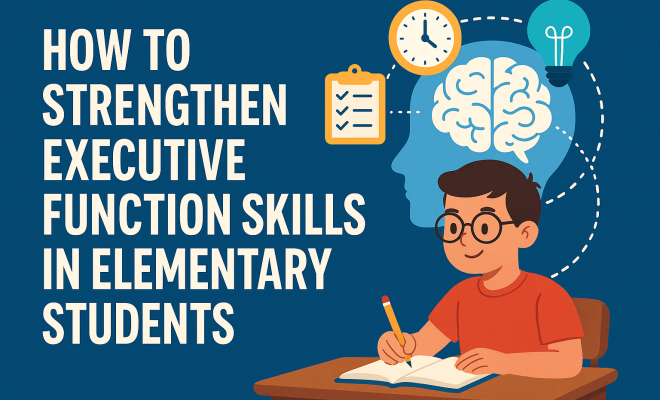
Executive function skills in elementary students are crucial for their academic success and overall development. These skills encompass a range of cognitive processes that help children plan, focus, remember instructions, and juggle multiple tasks effectively. With educational demands increasingly requiring greater self-regulation and organizational abilities, understanding how to strengthen these skills is essential for parents, teachers, and caregivers. Here’s a look at nine effective strategies to help children enhance their executive function skills.
1. Introduce Structured Routines
One of the most effective ways to bolster executive function skills in elementary students is to establish structured routines. Children thrive in environments where they know what to expect, so having a daily schedule can significantly enhance their ability to plan and organize. For instance, a consistent morning routine might include waking up, brushing teeth, eating breakfast, and packing their school bag in a specific order. This predictability helps children internalize sequences of tasks.
To create effective routines, involve children in the planning process. This can foster a sense of ownership and responsibility. Use visual aids like charts or checklists, which can provide a tangible way for them to track their progress. Additionally, discussing transitions can be beneficial, preparing kids for moving from one task to another, further enhancing their flexibility—an essential component of executive function.
2. Utilize Games to Enhance Cognitive Skills
Games are not just a source of entertainment; they can be instrumental in developing executive function skills in elementary students. Board games, card games, and even video games can promote critical thinking, problem-solving, and planning abilities. For example, strategic games like chess require players to think ahead and develop strategies, while cooperative games encourage teamwork and communication.
Moreover, many educational games focus specifically on skills such as memory and attention. For instance, memory card games can enhance working memory, while puzzle games that require spatial reasoning can develop cognitive flexibility. Introducing these games into regular playtime can make skill-building enjoyable and less daunting for children.
3. Teach Time Management Skills
Time management is a vital aspect of executive function. Teaching elementary students how to manage their time effectively can significantly boost their ability to prioritize tasks. Start by using timers for specific activities, which can help children understand how long they should spend on each task. For example, setting a timer for homework can increase focus and encourage a sense of urgency.
Also, consider using visual timers or hourglass timers, which provide a clear visual representation of time passing. To further enhance these skills, involve children in planning their homework or project deadlines. Discuss how long different tasks might take and encourage them to set specific goals for completing those tasks, fostering independence and accountability.
4. Encourage Goal Setting
Encouraging goal setting is another effective strategy for strengthening executive function skills in elementary students. Teaching kids to set specific, measurable, achievable, relevant, and time-bound (SMART) goals can provide a clear framework for what they want to accomplish. For instance, a student might set a goal to read one chapter of a book each week or to improve their math test score by a certain percentage.
Work with children to break these larger goals into smaller, more manageable steps, which can help them avoid feeling overwhelmed. Celebrate their achievements, no matter how small, to build their confidence and motivation. This process not only enhances their planning and organization skills but also instills a sense of accomplishment and pride.
5. Practice Mindfulness Techniques
Mindfulness has gained recognition for its ability to improve executive function skills in children. Mindfulness practices, such as deep breathing, meditation, or yoga, can enhance focus, attention, and emotional regulation. By teaching these techniques to elementary students, you can help them develop the ability to pause and reflect before reacting, which is essential for self-control.
Incorporate short mindfulness exercises into the school day or at home. For example, start a class with a few minutes of deep breathing or encourage kids to take a mindful moment before transitioning between activities. These practices can help students develop greater awareness of their thoughts and feelings, which can improve their ability to manage impulses and make thoughtful decisions. (See: CDC on mental health in youth.)
6. Model Executive Functioning Skills
Children learn a great deal from observing adults. Therefore, modeling effective executive functioning skills can be one of the most impactful ways to teach these abilities. Show students how you plan tasks, set priorities, and manage time in your daily life. For instance, verbalize your thought process when making a grocery list or planning an event.
Furthermore, share your strategies for overcoming challenges. Discuss times when you had to adjust your plans or manage stress. This not only provides concrete examples for students but also normalizes the struggle of developing these skills, making it clear that it’s a journey for everyone. When children see real-life applications, they’re more likely to understand the importance of these skills.
7. Incorporate Organizational Tools
Organizational tools can significantly aid in the development of executive function skills in elementary students. Introduce planners or digital apps that help children keep track of assignments, deadlines, and personal goals. A simple planner can teach kids how to organize their time and prioritize their tasks effectively.
In addition, encourage the use of color-coding systems for different subjects or activities, which can help in visual organization. For instance, children can use different colors for homework assignments, tests, and projects. By creating a structured system that works for them, students can develop their organizational skills and reduce feelings of overwhelm.
8. Encourage Reflection and Self-Assessment
Reflection is a critical component in strengthening executive function skills. Encourage students to assess their performance after completing tasks or projects. This might involve discussing what strategies worked well, what didn’t, and how they might approach similar tasks in the future. This process enhances self-awareness and promotes critical thinking.
Incorporate activities such as journaling or group discussions that prompt students to reflect on their learning experiences. For example, after completing a group project, ask them to reflect on their contributions and what they learned about working with others. This kind of self-assessment fosters a growth mindset and helps students take ownership of their learning journey.
9. Foster a Supportive Environment
Finally, creating a supportive environment is crucial for the development of executive function skills in elementary students. This includes both the school environment and the home setting. Encourage open communication, where children feel safe to express their thoughts and feelings. Acknowledging their struggles and providing positive reinforcement can boost their confidence and motivation.
In the classroom, teachers can work to create an inclusive atmosphere where students feel valued and understood. Regular check-ins and personalized support can help students who may struggle with executive function skills. At home, parents can create a positive space for learning by being patient and understanding as children develop these skills. Supportive environments allow students to thrive, making it easier for them to practice and strengthen their executive skills.
Understanding Executive Function Skills in More Depth
To strengthen executive function skills effectively, it helps to understand what they entail. Executive function skills can be categorized into three core areas: working memory, cognitive flexibility, and inhibitory control. These skills overlap and work together to support a child’s ability to plan and execute tasks successfully.
Working memory is the ability to hold and manipulate information in mind over short periods. An example is remembering a series of steps while solving a math problem. Cognitive flexibility refers to the ability to switch perspectives and adapt to changing situations, such as adjusting plans when unexpected events occur. Inhibitory control is the capacity to resist impulsive actions or responses, allowing children to think before acting. Each of these components plays a vital role in a child’s academic and personal life.
Impact of Executive Function Skills on Academic Performance
Research demonstrates a robust link between executive function skills and academic performance. Studies show that students with stronger executive function skills tend to achieve higher grades, complete tasks more efficiently, and engage more effectively in classroom discussions. For instance, a study by the University of North Carolina found that children with better working memory and self-control skills scored higher on standardized tests.
Moreover, the importance of these skills extends beyond academics. Children who develop strong executive function skills are better equipped to handle challenges in social situations, collaborate with peers, and resolve conflicts. They are also more likely to develop resilience, which is crucial for overcoming setbacks in both school and life. Schools that integrate executive function training into their curricula see holistic improvements in student behavior and academic outcomes.
Statistics Highlighting the Importance of Executive Function Skills
Statistics show that a significant portion of students experience difficulties with executive function skills. According to the CDC, approximately 6.1 million children in the United States have been diagnosed with Attention-Deficit/Hyperactivity Disorder (ADHD), which often involves challenges related to executive functioning. Furthermore, a study by the National Institute of Mental Health indicates that children with lower executive function skills are 50% more likely to face academic challenges compared to their peers. (See: NIH on learning and development.)
These numbers illustrate the urgency for educators and parents to prioritize the development of executive function skills early on. Interventions that target these skills can lead to significant improvements in student outcomes, including academic performance, classroom behavior, and emotional regulation.
Expert Perspectives on Enhancing Executive Function Skills
Experts in child development and education emphasize the importance of tailored approaches when working on executive function skills. Dr. Adele Diamond, a leading researcher in the field, advocates for incorporating play-based learning and physical activity into educational strategies. She suggests that active learning environments can stimulate brain development and enhance executive skills.
Additionally, Dr. Howard Gardner, known for his theory of multiple intelligences, highlights the need for creative and varied teaching methods to cater to different learning styles among students. He emphasizes that children learn best when they are engaged and motivated, which can be fostered through activities that promote executive function skills in enjoyable and relatable contexts.
Frequently Asked Questions (FAQ)
What are executive function skills?
Executive function skills are cognitive processes that enable individuals to plan, focus attention, remember instructions, and juggle multiple tasks successfully. They are essential for managing daily activities and achieving long-term goals.
Why are executive function skills important in elementary students?
These skills are foundational for academic success and personal development. They help students manage their time, stay organized, and navigate social situations effectively. Strong executive function skills can lead to improved grades, better behavior in school, and enhanced emotional regulation.
How can I help my child develop executive function skills at home?
Involve your child in creating daily routines, use games that encourage strategic thinking, set SMART goals together, and provide opportunities for reflection on their learning experiences. Incorporating mindfulness practices and modeling executive function skills can also be beneficial.
What types of games can improve executive function skills?
Board games, card games, and video games that promote strategy, planning, and memory can enhance executive function skills. Examples include chess, Scrabble, and puzzle games like Tetris. Cooperative games that require teamwork are also effective.
How do executive function skills affect social interactions?
Children with strong executive function skills often have better control over their impulses, allowing them to interact more positively with peers. They can navigate social complexities, resolve conflicts, and maintain friendships more effectively.
What are some signs that a child may be struggling with executive function skills?
Signs can include difficulty following multi-step directions, trouble staying organized, frequent forgetfulness, impulsive behavior, and challenges in managing time efficiently. If a child consistently faces these issues, it may be beneficial to seek additional support.
Can executive function skills be improved over time?
Yes, executive function skills can be developed and improved through practice and targeted strategies. Consistent reinforcement, structured routines, and supportive environments can significantly enhance these skills over time.
Are there specific programs or resources available for improving executive function skills?
Many schools and educational organizations offer programs focused on developing executive function skills. Additionally, books, workshops, and online resources can provide parents and educators with strategies and activities to support skill growth.
What role does physical activity play in enhancing executive function skills?
Research suggests that physical activity has a positive impact on cognitive function, including executive skills. Activities that involve coordination, strategy, or teamwork can be particularly beneficial, as they require planning, focus, and self-regulation.
By implementing these nine strategies, you can significantly enhance executive function skills in elementary students. These skills not only improve academic performance but also equip children with essential tools for life. The ability to plan, organize, and regulate emotions is foundational for success in school and beyond. By focusing on these skills now, you’re setting them up for a brighter future.
The Long-Term Benefits of Strong Executive Function Skills
While executive function skills are crucial during elementary school, their benefits extend far beyond this developmental stage. As students progress into middle school, high school, and eventually adulthood, these skills become instrumental in managing more complex responsibilities. For example, high school students must juggle multiple classes, extracurricular activities, and social lives. Those with strong executive function skills are better prepared to navigate this busy landscape.
In adulthood, executive function skills play a critical role in career success. Professionals need to plan projects, prioritize tasks, and manage time effectively. Strong executive functioning can lead to better job performance, career advancement, and overall job satisfaction. A survey by the National Association of Colleges and Employers found that employers consistently rank communication, teamwork, and problem-solving skills — all aspects of executive function — as the top attributes they seek in new hires.
Challenges in Developing Executive Function Skills
Despite the clear importance of executive function skills, many children encounter challenges in developing these capabilities. Factors such as learning disabilities, ADHD, and environmental stressors can impede progress. For instance, children with ADHD often face difficulties with impulsivity and organization, making it harder to execute tasks effectively.
Additionally, children from low-income families may have limited access to resources that support skill development. Schools and communities can play a pivotal role in closing this gap by providing targeted programs and interventions. Early identification of executive function challenges, coupled with appropriate support, can significantly enhance a child’s developmental trajectory and academic outcomes.
Conclusion: A Collaborative Approach to Enhancing Executive Function Skills
To effectively foster executive function skills in elementary students, a collaborative approach involving parents, teachers, and the community is essential. Parents can reinforce strategies at home, while educators can implement targeted interventions in the classroom. By working together, adults can create a supportive network that empowers children to develop these critical skills.
Ultimately, investing in executive function skills is an investment in a child’s future. The benefits of strong executive function skills can lead to improved academic performance, enhanced social interactions, and greater life satisfaction. By embracing a comprehensive strategy to support these skills, we can equip the next generation with the tools they need to succeed.
“`
Trending Now
- What They Forgot to Include in My Education Degree
- our breakdown of “the three core considerations of dap: age, individual, and cultural appropriateness”
- “Why Neuroscientists Say Learning Styles Theory…
- “How to Teach to Different Learning Preferences Without Limiting Student Growth”
- our breakdown of “how childhood attachment patterns affect adult relationships and mental health”
Frequently Asked Questions
What are executive function skills in elementary students?
Executive function skills in elementary students refer to a set of cognitive processes that enable them to plan, focus attention, remember instructions, and manage multiple tasks. These skills are essential for academic success and overall development.
How can I help my child improve their executive function skills?
You can help your child improve their executive function skills by establishing structured routines, utilizing games to enhance cognitive skills, and involving them in planning processes. Visual aids like charts or checklists can also aid in tracking their progress.
What are some strategies to strengthen executive function skills?
Some effective strategies to strengthen executive function skills include introducing structured routines, using games that promote critical thinking, fostering self-regulation through consistent schedules, and discussing transitions to enhance flexibility.
Why are executive function skills important for children?
Executive function skills are crucial for children as they directly impact their ability to succeed academically and socially. These skills help them manage their time, stay organized, and navigate complex tasks, which are increasingly demanded in educational settings.
What types of games can improve executive function skills?
Board games, card games, and video games that require strategic thinking and problem-solving can enhance executive function skills. Games like chess promote planning and foresight, while cooperative games foster teamwork and communication.
What did we miss? Let us know in the comments and join the conversation.