LA Parents Fight Excessive TK Screen Time in 2024
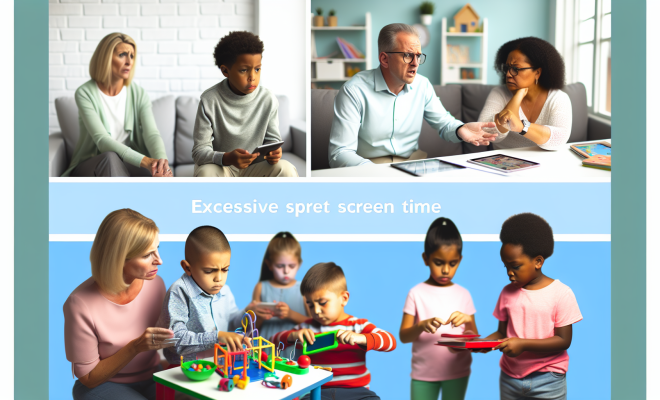
As education technology becomes increasingly integrated into classrooms, a growing number of parents in Los Angeles and other areas of California are expressing concern over the amount of screen time their young children are experiencing in transitional kindergarten. With children as young as four years old using tablets for lessons and educational apps, many families are advocating for a reevaluation of the role of technology in early childhood education.
Growing Concerns Over Educational Technology
In the Los Angeles Unified School District (LAUSD) and other California school districts, parents have reported issues related to excessive screen time. Many youngsters in transitional kindergarten are using devices to access educational programs like JiJi, while also finding themselves inadvertently browsing platforms such as YouTube during instructional time. This reliance on technology has sparked a wave of frustration among families who believe this approach undermines the core values of hands-on learning and meaningful peer interaction.
The Impact on Learning Environments
Parents argue that the current use of educational technology can disrupt the traditional learning environment that is crucial for young children. Hands-on activities, which are essential for cognitive and social development at this age, are often sidelined for screen-based lessons. Many parents have noted that their children come home from school less engaged and eager to learn, primarily due to their experiences with technology in the classroom.
One parent, who wishes to remain anonymous, shared her frustrations with the current state of transitional kindergarten at LAUSD. She stated, “My child comes home eager to talk about what they did at school, but the conversations revolve around the apps they used rather than the stories they read or the games they played with their classmates. This is concerning for us as parents who prioritize interpersonal skills and creativity in our children’s education.”
Parental Push for Change
In response to these concerns, many parents are actively seeking alternatives to schools that heavily rely on digital learning platforms. For instance, one mother, Edwards, has made the decision to transfer her kindergartner to a low-screen charter school, hoping to find a more balanced approach to education that emphasizes real-world interactions and creativity.
Edwards explained her choice: “I want my child to learn through play and exploration. The idea that they could be staring at a screen for hours at such a young age is deeply troubling to me.” This sentiment is echoed by numerous parents throughout California, highlighting a broader trend of dissatisfaction with the current educational technology landscape.
Legislative Movements Across the States
The issue of excessive screen time in schools has not gone unnoticed at the legislative level. In 2026, an increasing number of states—specifically, 16—have introduced bills aimed at reevaluating the use of educational technology in classrooms. Among these, four states are seriously considering bans on devices in elementary schools, reflecting a growing recognition of the potential negative impacts of excessive screen exposure on young children.
While some educational experts argue that technology can enhance learning when used appropriately, there are substantial concerns regarding the effectiveness of unvetted software and the potential long-term implications of extended screen use at such a formative age. Parents are advocating for more stringent guidelines and oversight when it comes to the technology integrated into early education.
Finding a Balance
As schools navigate the balance between incorporating technology and maintaining traditional teaching methods, the voices of parents are becoming increasingly influential. Many families are demanding that educational institutions prioritize a holistic approach to learning that emphasizes socialization, creativity, and critical thinking over screen-based instruction.
- Hands-on Learning: Prioritizing activities that engage children physically and cognitively.
- Peer Interaction: Encouraging social skills through play and collaboration.
- Limit Screen Time: Fostering a healthy relationship with technology from a young age.
As discussions continue around the role of technology in education, it is clear that parents are committed to advocating for their children’s well-being. The ongoing dialogue between families, educators, and lawmakers may well shape the future of transitional kindergarten and beyond, ensuring that the next generation of students can thrive in an environment that values both innovation and traditional learning principles.