Phoebe Gates’ Phia Startup Embroiled in Cookie-Stuffing Scandal
“`html
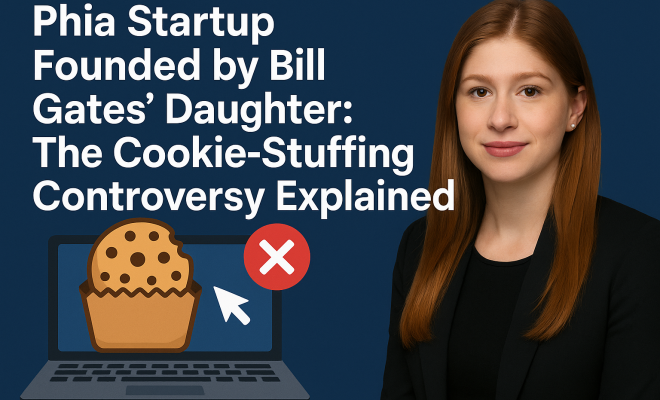
The startup scene is rife with innovation, and occasionally, scandal. Recently, one such scandal has erupted around Phia, a prominent startup founded by Phoebe Gates, the daughter of tech mogul Bill Gates. The company has been accused of engaging in ‘cookie-stuffing’ affiliate fraud, a practice that raises serious ethical questions and challenges the integrity of the brand.
The Rise of Phia: A Tech Dream Turned Sour
Phia was launched with ambitions of making a substantial impact in the tech industry. With Phoebe Gates at the helm, there were high expectations. After all, she is not just any entrepreneur; she’s the daughter of Bill Gates, a name synonymous with technological advancement and philanthropy.
However, the startup’s reputation has recently come under scrutiny, particularly after allegations surfaced regarding deceptive affiliate marketing practices. This has sent shockwaves through social media, prompting discussions about ethics in tech, especially in companies associated with influential figures.
Understanding Cookie-Stuffing: What It Is and Why It Matters
Before diving deeper into the specifics of Phia’s controversy, it’s crucial to understand cookie-stuffing. This deceptive affiliate marketing tactic involves inserting tracking cookies into a user’s browser without their consent. The intent is to falsely inflate commission claims by making it appear as if the user was referred by an affiliate when they actually were not.
In simple terms, cookie-stuffing misleads companies into paying for affiliate referrals that never occurred, undermining trust in the affiliate marketing system. For a tech startup like Phia, accusations of such practices could severely tarnish its reputation and drive away potential customers and partners.
The Controversy Erupts: Public Reaction and Company Response
The controversy took a sharp turn within the last 24 hours when Phia publicly admitted that its code had inadvertently caused incorrect attribution for some users. While the company claimed this was an unintentional error, the damage was done. Social media erupted in discussion, with many users expressing shock that a company founded by Bill Gates’ daughter could be involved in such practices.
Some users took to platforms like Twitter and Facebook, questioning how this could happen and whether the company had ethics at its core. Others expressed fear of being scammed, wondering if they could trust Phia or its services moving forward. The viral nature of the scrutiny stemmed not just from the allegations but also from the unexpected juxtaposition of elite lineage and unethical practices.
Digital Fraud: A Growing Concern in the Startup Landscape
This incident brings to light a broader issue within the startup ecosystem: the prevalence of unethical marketing practices. Many startups, driven by the desire for rapid growth, sometimes resort to aggressive tactics that prioritize short-term gains over long-term integrity. The Phia incident serves as a cautionary tale for both entrepreneurs and consumers.
With the digital landscape becoming increasingly competitive, startups face immense pressure to differentiate themselves and drive sales. Unfortunately, this can lead to corners being cut, resulting in practices that may not only be unethical but also potentially illegal.
The Impact of Elite Lineage on Startup Expectations
When a startup is founded by someone with a storied family background, like Phoebe Gates, there are often inflated expectations. Consumers and investors alike may assume that the company would operate with a higher degree of ethics and transparency. However, as the Phia controversy highlights, these assumptions can be misguided.
The reality is that even those connected to legendary figures are not immune to the pressures and temptations of the business world. The juxtaposition of a trusted family name with allegations of fraud only intensifies the public’s reaction and demands answers.
Analyzing the Fallout: What This Means for Phia
The implications of this controversy for Phia could be significant. As users begin to question the legitimacy of the startup, Phia’s growth trajectory may be jeopardized. A loss of consumer trust can lead to declining sales and a damaged brand reputation that takes years to rebuild. (See: Affiliate marketing overview.)
Moreover, investors might reconsider their support for Phia, weighing the risks of associating with a company embroiled in ethical debates. The startup ecosystem thrives on trust, and once that is compromised, it becomes an uphill battle to regain credibility.
Transparency and Ethics: A Path Forward for Startups
In light of the Phia controversy, there’s a pressing need for startups to prioritize transparency and ethical practices. Companies should be proactive in their communications, particularly when errors occur. Addressing issues head-on can help mitigate backlash and preserve trust.
For new entrepreneurs, this means establishing clear ethical guidelines from day one. Implementing best practices in affiliate marketing and ensuring that all marketing tactics are above board not only builds credibility but also fosters long-term consumer loyalty. In an age where information spreads rapidly, the importance of maintaining a positive reputation cannot be overstated.
The Role of Social Media in Shaping Public Perception
Social media has become an undeniable force in shaping public opinion. The Phia situation illustrates how quickly conversations can spread online, affecting a company’s reputation in real-time. A well-timed tweet or post can escalate tensions and amplify scrutiny, as seen in this instance.
Startups must recognize the power of social media and be prepared to manage their online presence effectively. Engaging with consumers, addressing concerns promptly, and showcasing a commitment to ethical practices can help mitigate negative sentiments and restore trust in the brand.
Looking Ahead: The Future of Phia
As Phia navigates this storm, it will need to adopt a strategy that focuses on rebuilding its image and regaining consumer trust. This might include increased transparency in its business practices, public relations campaigns to clarify the situation, and a commitment to ethical marketing moving forward.
In the tech startup landscape, lessons are often learned the hard way. Phia has a unique opportunity to turn this controversy into a catalyst for positive change. By addressing the underlying issues and committing to ethical standards, the company can not only recover but potentially emerge stronger.
Consumer Vigilance: What You Should Know
The Phia controversy serves as a reminder for consumers to remain vigilant. Always investigate the companies you are engaging with, particularly those linked to high-profile figures. Understanding the practices they employ is crucial to safeguarding yourself against potential fraud.
As the tech world continues to evolve, consumers must educate themselves on digital practices and marketing tactics. By doing so, they can make informed decisions and help hold companies accountable.
A Final Thought: The Importance of Integrity in Innovation
In conclusion, the Phia startup controversy offers a sobering look at the intersection of elite lineage and ethical business practices. While innovation is crucial in the tech landscape, integrity must accompany it. As startups emerge and evolve, the lessons learned from Phia’s missteps should serve as a guide for future entrepreneurs.
Ultimately, the success of any startup hinges not just on its innovative ideas but on its commitment to ethical practices that inspire trust and loyalty in consumers.
Understanding the Broader Context of Affiliate Marketing Ethics
The ethical landscape of affiliate marketing is complex and nuanced. While cookie-stuffing is a significant concern, it’s crucial to understand the broader spectrum of unethical practices that can occur within this field. Some companies engage in misleading advertising, ad fraud, or misrepresentation of products, all of which can harm both consumers and the integrity of the marketplace.
According to a study by the Association of National Advertisers, digital ad fraud is projected to cost companies $100 billion annually by 2023. This staggering statistic emphasizes the urgent need for startups like Phia to adopt ethical marketing practices as part of their core business strategies.
The Role of Industry Regulations and Associations
In response to the rising concerns about unethical practices in affiliate marketing, several organizations have emerged to set standards and promote ethical behavior. The Performance Marketing Association (PMA) is one such organization that advocates for transparency and ethical practices in the industry. They provide resources for companies to educate themselves and stay updated on the best practices. (See: Advertising and marketing guidelines.)
For startups, aligning with these organizations can bolster credibility and provide a framework for ethical marketing. As consumers become more aware of these issues, associations that promote integrity can become vital partners for companies seeking to rebuild trust.
Expert Perspectives on Startup Ethics
Industry experts emphasize the importance of establishing a strong ethical foundation from the start. Dr. Lisa McLeod, a well-known thought leader in marketing ethics, states, “Companies that prioritize ethical practices not only thrive in the long term but also cultivate loyal customer bases. Consumers today are more informed and concerned about where they put their money.” This perspective underscores how the Phia situation is not an isolated incident but reflective of a larger trend in consumer behavior.
Another expert, Professor Richard D. Wolff, an economist and social analyst, argues that the reputation of a company can be significantly impacted by its ethical decisions. “In an age where information is readily accessible, consumers will always seek out the truth behind a brand. If startups want to succeed, they need to prioritize building a trustworthy image,” he notes.
Comparative Analysis: Other Startups and Their Ethical Challenges
Phia is not alone in facing ethical challenges; many startups encounter similar pitfalls. For instance, Uber has faced its share of controversies concerning its corporate culture and business practices, leading to public backlash and significant changes within the company. Another example is Theranos, which collapsed under the weight of unethical practices and misleading claims about its technology.
What sets Phia apart is the high-profile nature of its founder and the immediate public scrutiny that follows. This comparison highlights the different scales of ethical breaches in the startup world and how public perception can vary based on the company’s leadership and reputation.
Frequently Asked Questions About Phia and Ethical Marketing
What is Phia, and what do they do?
Phia is a tech startup founded by Phoebe Gates, focusing on innovative solutions within the tech industry. The company aims to leverage technology for better consumer engagement and service delivery, although it has recently faced scrutiny regarding its marketing practices.
What does cookie-stuffing mean in affiliate marketing?
Cookie-stuffing is a deceptive practice in affiliate marketing where tracking cookies are placed in a user’s browser without their consent. This technique is used to falsely claim affiliate commissions by making it appear as if a user was referred by an affiliate when they were not.
How can startups ensure ethical marketing practices?
Startups can ensure ethical marketing practices by establishing clear guidelines, implementing best practices in affiliate marketing, being transparent in communications, and educating themselves on the ethical implications of digital marketing strategies.
How does social media influence public perception of startups?
Social media plays a critical role in shaping public perception by allowing information to spread quickly. Startups must manage their online presence proactively, engaging with consumers and addressing concerns to build a positive image.
What are the consequences of unethical marketing practices for startups?
Unethical marketing practices can lead to a loss of consumer trust, declining sales, damaged brand reputation, and potential legal repercussions. Companies may face challenges regaining credibility once trust is compromised.
What are some examples of other companies facing similar ethical challenges?
Companies like Uber and Theranos have faced significant ethical challenges. Uber dealt with issues related to its corporate culture, while Theranos collapsed due to misleading claims about its technology, illustrating the severe consequences of unethical practices.
Final Thoughts: The Path Forward for Phia and Similar Startups
The Phia situation is a crucial reminder of the importance of ethics in the startup world. As the landscape continues to evolve, companies must prioritize integrity and transparency in their operations. For Phia, this moment could serve as a turning point, prompting a renewed commitment to ethical practices that not only restore their brand but also set a standard for others to follow. (See: Health communication and marketing.)
Ultimately, the success of a startup is not solely defined by its innovation but also by its dedication to building trust with consumers, adhering to ethical standards, and fostering a culture of accountability. As the tech sector moves forward, these principles will become increasingly essential for sustainable growth and success.
Learning from Phia: A Case Study for Emerging Entrepreneurs
The Phia situation serves as an essential case study for aspiring entrepreneurs. Understanding the dynamics of public perception and ethical responsibilities can help new business leaders navigate their own challenges more effectively. By analyzing the missteps of established figures like Phoebe Gates, upcoming entrepreneurs can glean valuable lessons on the importance of transparency, accountability, and ethical marketing.
Many startups fail not just because of poor products but due to a lack of trust. For instance, a survey by Edelman found that 81% of consumers say they need to be able to trust a brand to buy from them. So, for entrepreneurs, investing in trust through ethical practices is not just morally right, but a smart business strategy.
The Importance of Accountability in Leadership
Leadership accountability is paramount in establishing company culture and ethical standards. When leaders are transparent about their operations and willing to admit mistakes, it creates a culture of openness within the organization. This is especially vital for startups, as they often operate under the scrutiny of the public eye.
For Phia, Phoebe Gates must take responsibility for the actions of her company, whether they were intentional or not. Acknowledging mistakes can help in rebuilding trust with consumers and stakeholders. As stated by Simon Sinek, “Leadership is not about being in charge. It is about taking care of those in your charge.” This mindset can be a game-changer for startups aiming to foster loyalty and integrity.
What Consumers Can Do: Empowering Yourself in the Digital Age
With the rise of digital marketing, it is essential for consumers to educate themselves about their rights and the ethical practices of the companies they engage with. Being informed can empower you to make better choices and hold companies accountable for their marketing strategies.
Tracking your online interactions and being conscious of where you share your data are vital steps in protecting yourself against unethical marketing practices. A report from the Pew Research Center indicated that 79% of consumers are concerned about how their data is being used. This highlights the importance of consumer vigilance in an increasingly data-driven world.
The Future Landscape of Ethical Startups
The Phia controversy is not just a momentary blip but a reflection of a growing trend towards ethics in the startup ecosystem. As more consumers demand transparency and accountability, companies will need to adapt. The future landscape will likely see a rise in startups that prioritize ethical practices as part of their core mission.
For example, brands like TOMS and Patagonia have successfully built their businesses around ethical practices and strong social responsibility initiatives. This demonstrates that it is possible to thrive financially while adhering to a higher ethical standard. As consumers become more discerning, startups that prioritize ethics will be better positioned for long-term success.
“`
Trending Now
Frequently Asked Questions
What is Phia and who founded it?
Phia is a tech startup founded by Phoebe Gates, the daughter of Bill Gates. The company aimed to make a significant impact in the tech industry but has recently faced controversy over its marketing practices.
What is cookie-stuffing in affiliate marketing?
Cookie-stuffing is a deceptive affiliate marketing tactic where tracking cookies are inserted into a user's browser without their consent. This practice misleads companies into believing that a user was referred by an affiliate when they were not.
Why is Phia facing controversy?
Phia is facing controversy due to allegations of engaging in cookie-stuffing affiliate fraud. This has raised serious ethical questions about the company's practices and affected its reputation in the tech industry.
How does cookie-stuffing affect companies?
Cookie-stuffing undermines trust in the affiliate marketing system by causing companies to pay for nonexistent referrals. This can lead to financial losses and damage the credibility of brands involved in such practices.
What was the public reaction to Phia's cookie-stuffing allegations?
The public reaction to Phia's cookie-stuffing allegations has been significant, with discussions on social media focusing on ethics in tech, especially concerning companies linked to influential figures like Bill Gates.
Have you experienced this yourself? We'd love to hear your story in the comments. We covered router ban impact in more detail.