AI-Generated Amazon Reviews: Deceiving Shoppers?
“`html
Introduction: The Rise of AI-Generated Reviews
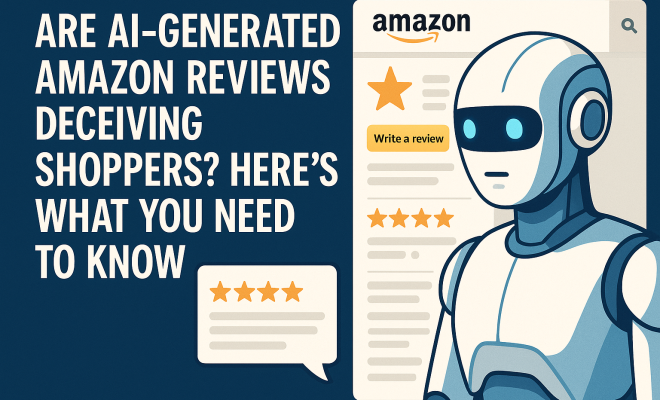
As consumers, we often rely on online reviews when making purchasing decisions. They serve as a crucial reference point, helping to shape our opinions about products and influencing our buying choices. However, a recent report from Pangram Labs reveals a startling trend: approximately 3% of front-page Amazon reviews are now generated by artificial intelligence (AI). This revelation raises an important question for shoppers: can we still trust these reviews?
What Are AI-Generated Amazon Reviews?
AI-generated Amazon reviews are created using algorithms and machine learning models that analyze existing reviews to produce new content. These synthetic reviews can mimic human writing styles, making them appear legitimate at first glance. The sophistication of these AI systems has reached a level where they can create reviews that sound genuine, but they often lack the personal touches or specific details that real customers usually provide.
As AI technology continues to evolve, its impact on consumer behavior and trust in online reviews is becoming increasingly significant. The fact that 3% of the reviews on Amazon’s front page are AI-generated means that millions of shoppers could unknowingly be influenced by these artificial opinions before they even hit the “buy” button.
Spotting the Signs of AI-Generated Reviews
Identifying AI-generated reviews can be challenging, especially as the technology becomes more advanced. However, there are some telltale signs that you might encounter when browsing Amazon:
- Generic Language: AI-generated reviews often use polished, formal language and lack the nuances of everyday speech. If a review seems overly generic or lacks personality, it could be a sign that it was generated by an AI.
- Vague Opinions: Many AI reviews fail to provide specific product details or personal experiences. If a review praises a product without mentioning any of its features or how it was used, it might not be from a genuine customer.
- Repetitive Phrases: To produce reviews, AI systems may rely on common phrases and sentence structures. If you notice similar phrases repeated across multiple reviews for the same product, this could indicate AI involvement.
- Lack of Emotion: Genuine reviews usually reflect the reviewer’s emotions and experiences, while AI-generated content may come off as sterile or emotionless.
By being aware of these signs, consumers can better discern which reviews to trust and which may not be as credible.
The Impact of AI-Generated Reviews on Consumer Trust
The integration of AI-generated Amazon reviews poses a significant challenge to consumer trust. Shoppers rely on reviews to make informed decisions, and the increasing presence of synthetic content can distort the reality of a product’s quality. As a result, consumers may find themselves questioning the authenticity of all reviews, even those that are genuine.
This erosion of trust can lead to a cautious approach when shopping online. If shoppers begin to doubt the reviews they read, they may spend more time researching products or even avoid purchasing altogether. The fear of being misled before making a purchase can create frustration and anxiety, particularly in a marketplace as vast as Amazon.
The Emotional Charge of Trust and Fraud
At the heart of this issue is the emotional charge associated with trust and fraud. Consumers want to feel confident in their purchasing decisions, and the presence of AI-generated reviews introduces a sense of uncertainty. It’s not just a matter of convenience; it’s about ensuring that shoppers receive the value they expect from their purchases.
This emotional aspect is heightened by the fear of missing out (FOMO). With millions of products available, shoppers are often under pressure to make quick decisions. If they suspect that some reviews may be artificial, they might worry that they’ll miss out on a great product because they trusted the wrong review.
The Role of Amazon in Combatting AI-Generated Reviews
As AI-generated reviews become more prevalent, it falls upon platforms like Amazon to take action against this growing concern. Amazon has established guidelines to prevent fake reviews, but the challenge lies in enforcement. AI-generated content can be sophisticated enough to evade detection by automated systems, making it difficult for Amazon to eliminate it entirely. See also understanding AI concepts.
To address this issue, Amazon could invest in advanced verification systems that utilize AI to identify synthetic reviews effectively. Additionally, improving clarity in review guidelines and encouraging authentic user-generated content could help reduce the prevalence of AI-generated reviews. This is crucial not only for maintaining consumer trust but also for the integrity of the Amazon marketplace. (See: Amazon reviews and fake content.)
What Consumers Can Do
So, what can shoppers do to protect themselves from being misled by AI-generated Amazon reviews? Here are some actionable tips:
- Read Reviews Carefully: Take the time to read through multiple reviews. Look for details and personal experiences that indicate authenticity.
- Check Review Patterns: Observe the review patterns. If a product has an overwhelming number of reviews with similar phrasing or vague comments, it may raise a red flag.
- Look for Verified Purchases: Many platforms, including Amazon, label reviews from verified purchasers. These reviews are more likely to be authentic.
- Use External Review Sites: Consider checking external review platforms or forums to gather more diverse opinions on a product before making a decision.
By employing these strategies, consumers can make more informed decisions and reduce the risk of falling victim to AI-generated Amazon reviews.
The Future of Online Reviews
The evolution of AI technology will undoubtedly continue to shape the landscape of online reviews. As AI becomes more integrated into the shopping experience, consumers will need to adapt to these changes. The challenge remains for both consumers and marketplaces to create a transparent ecosystem where authentic reviews thrive.
In the future, we might see more innovative solutions to verify the authenticity of reviews. Blockchain technology, for instance, has the potential to create tamper-proof review systems that ensure each review comes from a genuine source. Such advancements could restore consumer trust and promote genuine feedback. This builds on top AI applications.
Comparing AI-Generated Reviews to Human-Created Reviews
Understanding the difference between AI-generated reviews and human-created reviews can help consumers gauge the level of trustworthiness. Human reviews often contain personal anecdotes, emotional language, and specific criticisms or praises related to their experiences with a product.
On the other hand, AI-generated reviews, while they may sound polished, often lack depth and specificity. They might describe product features but fail to convey how those features impacted the reviewer’s experience. This distinction can serve as a guide for consumers as they navigate the sea of online feedback.
Expert Perspectives on AI-Generated Reviews
Experts in consumer behavior and digital marketing weigh in on the implications of AI-generated Amazon reviews. Dr. Sarah K. Thompson, a leading researcher in online consumer behavior, emphasizes the potential pitfalls: “When consumers can’t differentiate between real and AI-generated reviews, it undermines the trust they have in the entire review system. This could lead to a significant decline in online sales.”
Furthermore, Dr. Thompson points to the ethical considerations at play. “Companies that manipulate reviews, whether through AI or other means, risk damaging their brand’s reputation long-term. Transparency is vital in maintaining consumer trust.” Likewise, marketing strategist James Lee suggests that companies need to be proactive in addressing AI misuse. “Brands should encourage genuine feedback from customers rather than relying on artificially generated content. Authenticity can be a strong differentiator in today’s market.”
Statistics on Consumer Trust and Reviews
Recent studies shed light on how AI-generated Amazon reviews affect consumer behavior. According to a survey conducted by BrightLocal, 82% of consumers read online reviews for local businesses, and 91% of 18-34-year-olds trust online reviews as much as personal recommendations. However, the presence of AI-generated content can skew these statistics significantly.
Another study revealed that 70% of consumers are skeptical about the reviews they read if they suspect some might be fake or AI-generated. This growing skepticism presents a challenge for brands and platforms alike. They must not only combat the rise of AI-generated reviews but also restore trust among their customer base through greater transparency and authenticity.
The Legal Implications of AI-Generated Reviews
The rise of AI-generated reviews isn’t just a consumer concern; it also raises legal implications. In many jurisdictions, deceptive practices, including fake reviews, can lead to legal action against companies. The Federal Trade Commission (FTC) in the United States has guidelines in place regarding endorsements and testimonials, which can extend to online reviews.
Companies that knowingly allow AI-generated reviews to mislead consumers could face serious repercussions, including fines and legal battles. As AI technology continues to evolve, lawmakers are likely to keep a close eye on its impact on consumer rights and protections. Businesses must navigate these legal waters carefully to avoid potential pitfalls. (See: Understanding health literacy and trust.)
FAQ About AI-Generated Amazon Reviews
What are AI-generated Amazon reviews?
AI-generated Amazon reviews are reviews created using artificial intelligence algorithms that mimic human writing styles to produce synthetic content that appears authentic.
How can I tell if a review is AI-generated?
Look for signs like generic language, vague opinions, repetitive phrases, and a lack of emotional depth. These can indicate that a review might have been generated by an AI rather than a real customer.
Are AI-generated reviews illegal?
While not inherently illegal, AI-generated reviews can violate consumer protection laws if they are used deceptively to mislead consumers. Companies must comply with regulations regarding truthful advertising.
What can Amazon do about AI-generated reviews?
Amazon can implement advanced verification systems, enhance guidelines for reviews, and promote authentic user-generated content to combat the rise of AI-generated reviews. Related reading: the future of AI in education.
How does AI-generated content affect consumer trust?
The prevalence of AI-generated reviews can erode consumer trust in online reviews, leading shoppers to question the authenticity of all reviews, which can impact their purchasing decisions.
Consumer Awareness: Navigating the AI-Generated Review Landscape
As AI-generated reviews become more common, consumer awareness is crucial. Shoppers should educate themselves not just about the signs of AI-generated content, but also about the broader implications for the shopping experience. Understanding the challenges posed by these synthetic reviews can empower consumers to make more informed decisions.
For example, many shoppers rely heavily on the star ratings of products. However, if a significant portion of the reviews are AI-generated, those ratings may not accurately reflect the product’s quality. This realization can prompt consumers to dig deeper rather than simply relying on star averages.
Building a Trustworthy Review Ecosystem
Creating a trustworthy review ecosystem requires collaboration among various stakeholders. Consumers, brands, and platforms like Amazon must work together to promote authenticity. Brands can play their part by encouraging customers to leave honest reviews and sharing their experiences. This can help cultivate a culture of genuine feedback.
Furthermore, platforms can enhance their review systems by introducing features that allow users to flag suspicious reviews. This community-driven approach could serve as an early warning system for identifying potential AI-generated content.
The Psychology Behind Review Influence
To truly understand the impact of AI-generated reviews, it’s helpful to explore the psychology behind online reviews. Research shows that consumers often rely on social proof when making decisions. This means they look at the opinions and experiences of others to validate their choices. AI-generated reviews disrupt this natural process, as they may create an illusion of consensus that isn’t based on real experiences. (See: Impact of AI on consumer behavior.)
One study from Harvard Business School found that positive reviews can increase sales by up to 18%. However, if a portion of those reviews is AI-generated, it raises questions about whether that influence is based on genuine consumer sentiment or fabricated content. This insight underlines the importance of trust in the review process.
Potential Solutions for Brands and Consumers
Brands and consumers can adopt various strategies to mitigate the impact of AI-generated reviews. For brands, transparency is key. They can actively communicate their review policies to customers and emphasize the importance of authentic feedback. This can help build trust with consumers who may be skeptical about the authenticity of online reviews.
On the consumer side, utilizing tools and browser extensions that analyze review patterns can help identify potential AI-generated content. Some platforms also offer features that aggregate reviews based on verified purchases, providing a more reliable foundation for consumer decisions. By leveraging technology, shoppers can arm themselves against the volatility of AI-generated reviews.
The Role of Federal Regulation in AI-Generated Reviews
As the prevalence of AI-generated reviews grows, regulatory bodies may need to take action to protect consumers. The FTC has already begun to scrutinize fake reviews, and similar regulations could apply to AI-generated content. Striking a balance between innovation and consumer protection will be essential as technology continues to advance.
Potential regulations could include stricter guidelines on disclosing whether a review is AI-generated or requiring platforms to enforce penalties against companies that engage in deceptive practices. By holding companies accountable, regulators can help foster a safer online shopping environment.
Conclusion: A Call to Awareness
As the presence of AI-generated Amazon reviews continues to grow, it is vital for consumers to remain vigilant. The intersection of technology, trust, and online shopping presents a complex challenge, but by staying informed and adapting to the landscape, shoppers can protect themselves from misleading information.
The responsibility also lies with platforms like Amazon to ensure a trustworthy marketplace. With ongoing advancements in AI and a concerted effort to maintain the integrity of online reviews, we can strive for a shopping experience that prioritizes authenticity and consumer confidence. For more on this, see AI in today's classrooms.
“`
Trending Now
Frequently Asked Questions
How can I tell if an Amazon review is fake?
To identify fake Amazon reviews, look for generic language, vague opinions, and a lack of personal experiences. AI-generated reviews often sound polished but lack the specific details that real customers provide, making them less trustworthy.
Are AI-generated reviews common on Amazon?
Yes, a recent report indicates that approximately 3% of front-page Amazon reviews are generated by artificial intelligence. This trend raises concerns about the authenticity of reviews and their influence on consumer purchasing decisions.
What are AI-generated Amazon reviews?
AI-generated Amazon reviews are created using algorithms and machine learning models that analyze existing reviews to produce new content. These synthetic reviews can mimic human writing styles and may appear legitimate, but often lack personal touches.
Can I trust online reviews?
While many online reviews can be trusted, the rise of AI-generated reviews complicates this. It's essential to be cautious and look for specific details and personal experiences in reviews to gauge their authenticity.
What impact do AI-generated reviews have on shopping?
AI-generated reviews can significantly influence shopper behavior by providing seemingly legitimate opinions. However, they may mislead consumers, as these reviews often lack personal insights and specific product details that help buyers make informed decisions.
Have you experienced this yourself? We'd love to hear your story in the comments.