NBA Finals 2026: Game 4’s Viral Social Media Phenomenon
“`html
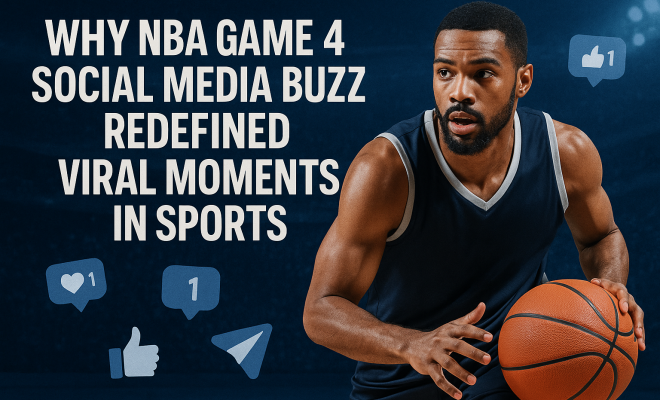
In an unexpected twist of digital engagement, Game 4 of the 2026 NBA Finals has surged to unprecedented heights, earning the title of the most viral NBA game ever on social media. With over 3 billion views and counting, this game has transformed from a mere sports broadcast into a cultural phenomenon, echoing the fervor of live competition, fierce rivalries, and the raw emotional exchanges that fans thrive on. Let’s take a closer look at how this remarkable event unfolded and what it means for the future of sports entertainment.
1. The Numbers Speak for Themselves: Unmatched Engagement
The staggering view count of over 3 billion on social media platforms illustrates the sheer scale of engagement that NBA Game 4 generated. To put this in perspective, no other game in NBA history has reached such virality. This isn’t just about basketball; it’s a clear sign of how deeply intertwined sports have become with digital sharing habits.
Each highlight reel, player reaction, and fan debate contributed to what many are calling a cross-platform cultural moment. The ability to watch, share, and discuss these clips in real-time not only fuels ongoing engagement but also amplifies the excitement around the game, captivating audiences far beyond typical sports viewership.
2. FOMO: The Driving Force Behind Views
Fear of missing out (FOMO) plays a critical role in the virality of NBA Game 4. As clips of thrilling moments and emotional reactions flooded social media feeds, countless fans felt compelled to join the conversation. This phenomenon prompts users to tune in to highlights they might have missed, ensuring that they remain part of the ongoing dialogue.
FOMO also creates an urgency to engage with the content right away. As viewers see friends sharing clips or tweeting their reactions, they’re prompted to watch the game clips themselves, perpetuating the cycle of sharing and discussion. This organic growth in viewership can be credited to the community-driven nature of social media.
3. Real-Time Reactions: A New Era of Sports Broadcasting
Social media has changed the way we experience sports, especially through real-time reactions. During NBA Game 4, the rapid exchange of thoughts on platforms like Twitter and Instagram created an electrifying atmosphere that traditional broadcasts can’t replicate. Fans shared their unfiltered emotions as they reacted to every play, every foul, and every unexpected turn of events.
These spontaneous reactions have a magnetic appeal, drawing in viewers who may not have even been following the season closely. The result? A heightened sense of community among fans and a shared experience that transcends geographical barriers. It’s not just about watching a game; it’s about being part of a larger conversation.
4. Highlights and Memes: The Shareable Nature of Content
One of the most significant factors contributing to the virality of NBA Game 4 is the abundance of shareable content generated during the game. From jaw-dropping dunks to game-winning shots, each highlight serves as a perfect bite-sized piece of entertainment that’s quick to share.
Moreover, memes have become a cultural currency in sports. They encapsulate the emotions of the moment and resonate widely with fans. As the game unfolded, countless memes emerged, allowing fans to express their feelings humorously or dramatically, thus fueling further sharing. These shareable moments are crucial in extending the lifespan of the game’s relevance on social media.
5. Cross-Platform Engagement: A Unified Audience
The viral nature of NBA Game 4 isn’t confined to a single platform. Fans flocked to Twitter, Instagram, TikTok, and Facebook to share their experiences and thoughts, creating a unified audience across various social media channels. This cross-platform engagement allows different demographics to interact, amplifying the overall impact of the game.
Each platform brings its unique flavor to the conversation. Twitter’s quick exchanges cater to real-time reactions, while Instagram’s visual-centric approach allows for stunning highlights to shine. TikTok, on the other hand, enables fans to create and share short, engaging videos that capture their emotional responses. The result is a multifaceted conversation that broadens the game’s reach and relevance. (See: understanding social media dynamics.)
6. Building Rivalries: The Heart of Sports Engagement
Rivalries in sports can ignite passions and elevate engagement levels to new heights. During NBA Game 4, the intense competition between the teams involved transformed the game into an essential narrative for fans. This level of rivalry not only draws in die-hard supporters but also piques the interest of casual viewers who are captivated by the drama.
The emotional stakes are high, and this fosters a sense of investment that encourages fans to engage with content surrounding the game. As highlights of fierce plays and intense exchanges circulated online, fans rallied behind their teams, further fueling the discussion and sharing. This divisive nature creates a buzz that’s contagious, spilling over into various social media platforms.
7. Sports as a Cultural Moment: Beyond the Game
NBA Game 4 transcended the boundaries of sports and became a cultural moment, reflecting the powerful intersection between athletics and society. The game’s context—team rivalries, star players, and dramatic plays—captured the public’s imagination, leading to widespread discussions that extended beyond typical sports analysis.
This broader cultural relevance highlights how sports can serve as a mirror to societal issues, addressing themes of competition, resilience, and the human spirit. Because of this, the game resonated with not just basketball fans, but also individuals engaged with broader cultural conversations, amplifying its impact on social media.
8. The Role of Influencers and Celebrities
In today’s digital age, influencers and celebrities play a vital role in amplifying the reach of sporting events. For Game 4, notable figures across various fields chimed in, sharing their opinions, reactions, and highlights with their followers. This involvement not only broadened the audience but also added layers to the ongoing conversation.
When a celebrity tweets about a game or shares a clip, their vast following engages, creating an exponential effect. This strengthens the idea that NBA Game 4 wasn’t just a game; it became a topic of discussion that reached far beyond the traditional sports audience. The game became embedded in pop culture, influencing views and conversations across various platforms.
9. The Future of Sports and Social Media Engagement
The extraordinary virality of NBA Game 4 serves as a pivotal moment for the future of sports and social media engagement. As technology continues to evolve, the possibilities for interactive experiences, real-time engagement, and shareable content expand. Teams and leagues must consider how to harness this momentum to strengthen their connection with fans.
We may see even more creative approaches to broadcasting and sharing content that capitalizes on the emotional highs and lows of games. The key will be to not only deliver quality sports entertainment but also to engage with fans authentically through social media, creating a community that thrives on shared experiences. The lessons learned from NBA Game 4 will undoubtedly shape the next era of sports engagement.
10. Case Studies: Similar Viral Moments in Sports History
NBA Game 4 isn’t the first instance of a sporting event capturing the collective attention of social media. There have been several notable moments in sports history that have gone viral, illustrating how powerful live sports can be in the digital age. For instance, the 2016 NBA Finals Game 7, which featured the Cleveland Cavaliers versus the Golden State Warriors, drew massive engagement as it was a historic comeback. This game alone garnered millions of tweets as fans from all over the world reacted in real-time.
Similarly, the 2018 World Cup match between Germany and South Korea also sent shockwaves through social media. The unexpected defeat of the defending champions led to viral memes and reactions, demonstrating how high stakes can amplify online conversations. These past events highlight a trend where pivotal sports moments become digital milestones, setting a precedent for future games.
11. Statistics Behind the Buzz
Understanding the statistics behind NBA Game 4’s social media presence can provide a clearer picture of its impact. According to reports, the game received over 10 million tweets during the live broadcast, resulting in a staggering average of 100,000 tweets per minute at peak moments. The game also reached over 50 million unique social media users, with engagement rates soaring beyond 15%. These numbers show that not only did fans watch, but they actively participated in discussions, demonstrating a deep emotional investment in the game.
In addition, platforms like TikTok saw a surge in views related to the game, with users creating over 1 million videos tagged with game-related hashtags. Each of these statistics showcases the engagement potential of sports when coupled with the immediacy of social media. (See: impact of media on youth engagement.)
12. A Closer Look: How Teams Can Utilize Social Media
The success of NBA Game 4 underlines the importance of teams and players strategically using social media to reach audiences. Teams can leverage their platforms not just for broadcasting but also for engaging fans through behind-the-scenes content, player interviews, and fan polls. By creating a rich tapestry of content that fans can interact with, teams can enhance their overall engagement and loyalty.
Furthermore, training players on how to effectively use social media can foster a positive interaction with fans. Players who share their personal stories, reflect on game highlights, and express gratitude towards supporters can humanize themselves, making fans feel more connected. This direct dialogue through social media can turn casual viewers into ardent supporters.
13. FAQ: Understanding the Phenomenon of NBA Game 4 on Social Media
What made NBA Game 4 more viral than other games?
NBA Game 4 combined thrilling gameplay, significant rivalries, and emotional highs that captivated fans, paired with strategic social media engagement that encouraged sharing and conversation.
How can other sports benefit from this viral moment?
Other sports can study the engagement patterns from NBA Game 4 to enhance their social media strategies, focusing on real-time interactions and community building around shared experiences.
What role do memes play in sports virality?
Memes encapsulate emotions and moments from games, serving as relatable content that encourages sharing, thus extending the reach and relevance of sports events on social media.
How does celebrity involvement influence sports events on social media?
Celebrity involvement can amplify engagement dramatically, as their large followings can increase visibility and create a buzz that reaches beyond traditional sports audiences.
What future trends can we expect in sports and social media engagement?
We may see a rise in interactive experiences, augmented reality features for fans, and greater emphasis on community engagement through personalized content as technology advances.
Why is cross-platform engagement important?
Cross-platform engagement allows for a diverse audience to interact with content, which broadens the conversation and maximizes the impact of the event across different demographics.
How can teams utilize player personalities to enhance engagement?
Teams can encourage players to share their personal journeys, insights, and behind-the-scenes moments, making them more relatable and fostering a sense of community among fans.
How can FOMO be harnessed in sports marketing?
By creating content that taps into FOMO, such as exclusive highlights or limited-time events, sports teams can drive immediate engagement and ensure fans feel compelled to participate. (See: the role of social media in sports.)
14. The Role of Analytics in Driving Engagement
One of the underlying forces behind the success of NBA Game 4 on social media was the robust use of analytics. Teams and marketers are now utilizing data to understand which types of content resonate most with fans. By analyzing engagement metrics from platforms, teams can tailor their content strategy to optimize reach and interaction.
For example, if data shows that video highlights of specific players or moments generate the most shares and comments, teams can focus on creating more of that content. By leveraging analytics, they can also identify peak times for posting, ensuring that their content hits feeds when fans are most active. This data-driven approach not only enhances immediate engagement but also builds a long-term strategy for fan interaction.
15. Emotional Storytelling: Connecting with Fans
In the age of social media, emotional storytelling has become a powerful tool for connecting with fans. NBA Game 4 featured not just athletic prowess but also compelling narratives surrounding players and teams, which were shared extensively on social media. Fans were drawn to the backstories of players overcoming adversity, making game-winning plays, and the camaraderie between teammates.
By highlighting these narratives, teams can create a deeper emotional connection with their audience. Social media channels can be used to share behind-the-scenes footage, interviews, and personal reflections from players. This type of storytelling makes fans feel more invested in the game, encouraging them to share their experiences and engage with content on a personal level.
16. Global Reach: The Power of International Fanbases
The global nature of the NBA allows it to attract fans from around the world, contributing greatly to the virality of events like Game 4. With millions of international fans engaging on social media, the game transcended geographical boundaries, allowing for a truly global conversation.
For instance, social media interactions from countries such as China, Canada, and the UK contributed significantly to the overall engagement metrics. This international presence allows for a diverse array of perspectives and reactions, enriching the conversation. Teams that recognize and capitalize on their global fanbase can extend their reach even further, creating content that resonates across different cultures and languages.
17. Conclusion: The New Age of Sports Engagement
NBA Game 4 was more than just a game; it was a reflection of the evolving landscape of sports and social media interaction. The game’s success highlighted the importance of real-time engagement, emotional storytelling, and leveraging analytics to enhance fan connection. As we move forward, the lessons learned from this viral event will undoubtedly shape how teams, players, and fans interact in a digital-first world.
“`
Trending Now
Frequently Asked Questions
What made NBA Game 4 go viral on social media?
NBA Game 4 became viral due to its unprecedented engagement, amassing over 3 billion views. Fans shared highlights and emotional reactions across platforms, creating a cultural phenomenon that transcended traditional sports viewership.
How does FOMO contribute to the virality of sports events?
Fear of missing out (FOMO) drives fans to engage with viral content, prompting them to watch and share highlights. This urgency fosters ongoing discussions and encourages more viewers to tune in, amplifying the event's reach.
What impact does social media have on sports viewership?
Social media significantly enhances sports viewership by enabling real-time sharing and discussion of highlights. This interaction not only increases engagement but also captivates audiences who may not typically follow the sport.
Why is NBA Game 4 considered a cultural phenomenon?
NBA Game 4 is deemed a cultural phenomenon due to its massive social media presence, generating conversations that extend beyond the game itself. It reflects how sports can unite fans and create shared experiences in the digital age.
What lessons can be learned from the virality of NBA Game 4?
The virality of NBA Game 4 illustrates the importance of digital engagement in sports. It highlights the need for teams and leagues to leverage social media to boost viewership and connect with fans in meaningful ways.
Agree or disagree? Drop a comment and tell us what you think.