Reciprocity in Child Development: Shaping Social Skills
“`html
Understanding the intricate dynamics of reciprocity in child development is crucial for parents, educators, and anyone involved in nurturing young minds. At its core, reciprocity refers to the mutual exchange and responsiveness in interactions, playing a fundamental role in shaping social skills. In this comprehensive exploration, we’ll uncover the significance of reciprocity, its developmental stages, practical implications, and how to foster these essential skills in children.
Defining Reciprocity in Child Development
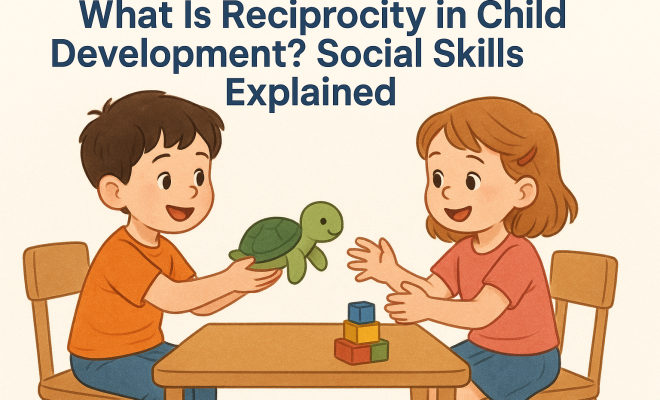
Reciprocity in child development encompasses the back-and-forth interactions between children and their caregivers or peers. This concept is not merely limited to verbal communication but extends to non-verbal cues, emotional exchanges, and even physical gestures. When a child responds to a parent’s smile with a smile of their own, or shares a toy with a friend, they are engaging in reciprocal behavior.
This mutual engagement fosters a child’s ability to form relationships, understand social cues, and build empathy. Professor of Psychology, David G. Myers, highlights that reciprocity is fundamental to social interactions and crucial for healthy psychological development. It lays the groundwork for the complex web of human relationships children will navigate throughout their lives.
The Importance of Reciprocity in Early Development
From the earliest stages of life, infants are attuned to social interactions. Studies demonstrate that even newborns exhibit a tendency to engage reciprocally with caregivers. This early form of reciprocity is essential for emotional bonding and attachment. Infants respond to their caregivers’ facial expressions, vocalizations, and touch, showcasing an innate desire to connect.
As children grow, the importance of reciprocity shifts and becomes more complex. By the time they reach toddlerhood, they engage in more sophisticated social exchanges, such as turn-taking during play or sharing experiences with peers. This developmental progression indicates that reciprocity is not a static skill; it evolves and expands with age and social context.
Stages of Reciprocity Development
Understanding the stages of reciprocity in child development can help caregivers and educators promote these skills effectively. Here are the key stages:
- Infancy (0-12 months): At this stage, infants rely on their caregivers for basic needs. They begin to recognize familiar voices and faces, responding with smiles and coos.
- Early Childhood (1-3 years): As toddlers, children start to engage in more complex interactions, such as imitating sounds and movements. They practice turn-taking and enjoy simple games that require reciprocal actions.
- Preschool Age (3-5 years): During preschool years, children develop a clearer understanding of social norms. They engage in cooperative play, share toys, and begin to empathize with peers’ feelings.
- School Age (6-12 years): As children enter school, reciprocity becomes more structured. They learn to navigate friendships, understand group dynamics, and develop negotiation skills.
- Adolescence (13-18 years): In adolescence, reciprocity involves more complex emotional exchanges. Teens navigate friendships that require deeper emotional intelligence and peer support.
Key Components of Reciprocity
Several key components contribute to effective reciprocity in child development:
- Emotional Expression: Children learn to express their feelings and recognize emotions in others. Responsive caregivers validate their emotions, reinforcing the importance of emotional communication.
- Active Listening: Children need to learn how to listen and respond appropriately. Active listening fosters understanding and shows respect for the speaker’s feelings and thoughts.
- Non-verbal Cues: Body language, eye contact, and gestures are crucial for reciprocity. Children need to be aware of these factors to engage meaningfully in social interactions.
- Conflict Resolution: Learning how to manage disagreements is a vital aspect of reciprocity. Children need to develop skills to negotiate, empathize, and resolve conflicts amicably.
Practical Insights: Fostering Reciprocity in Children
Parents and educators can play a pivotal role in nurturing reciprocity in children. Here are some actionable strategies: (See: importance of social interactions.)
- Model Reciprocal Behavior: Children learn by observing. Demonstrating reciprocal behaviors in your interactions can provide a strong role model for them to emulate.
- Encourage Cooperative Play: Engaging children in play that requires teamwork can enhance their reciprocal skills. Games like building blocks together or cooperative storytelling foster collaboration.
- Practice Emotional Literacy: Talk about feelings openly. Encourage children to express their emotions and discuss how others might feel in various situations.
- Facilitate Peer Interactions: Create opportunities for children to interact with peers. Playdates or group activities can enhance social skills and improve reciprocal exchanges.
Current Relevance of Reciprocity in Child Development
In our increasingly digital world, understanding reciprocity in child development holds significant relevance. As children spend more time interacting through screens than face-to-face, the need for nurturing these skills becomes even more critical. Social media, while it offers connectivity, often lacks the depth of reciprocal engagement found in personal interactions.
Research indicates that children who develop strong reciprocal skills tend to have better social competence and emotional intelligence, which are essential for navigating both online and offline relationships. As such, fostering reciprocity in children may serve as a protective factor against the pitfalls of digital communication, such as cyberbullying or social isolation.
The Role of Educators in Promoting Reciprocity
Educators play a vital role in promoting reciprocity in classrooms. By creating a supportive environment that encourages collaboration, teachers can help children develop these essential social skills. Techniques such as group projects, peer mentoring, and guided discussions can facilitate reciprocal interactions among students.
Furthermore, educators can integrate social-emotional learning (SEL) into their curriculum. SEL programs focus on fostering skills like empathy, relationship-building, and conflict resolution—key components of reciprocity. A study conducted by the Collaborative for Academic, Social, and Emotional Learning (CASEL) found that students who participated in SEL programs demonstrated improved social skills and reduced behavioral problems.
Challenges to Developing Reciprocity
Despite the importance of reciprocity, several challenges can hinder its development. Children with developmental delays or social anxiety may struggle to engage in reciprocal interactions. Additionally, cultural differences can shape how reciprocity is expressed and understood, leading to potential misunderstandings among peers.
Moreover, societal issues such as increasing screen time can further complicate the development of reciprocal skills. Children who spend excessive time on screens may miss out on essential face-to-face interactions that foster emotional connections and social understanding.
Expert Perspectives on Reciprocity in Child Development
Experts in child psychology and developmental education underscore the significance of reciprocity. Dr. Kenneth Ginsburg, a pediatrician and adolescent medicine specialist, emphasizes that fostering strong relationships is fundamental to healthy development. He states, “When children learn to give and take in relationships, they build a solid foundation for future connections, whether with peers, family, or within the community.”
Additionally, Dr. Linda Papadopoulos, a psychologist and author, notes the growing importance of emotional intelligence in today’s society. She argues that understanding and practicing reciprocity is essential for children to thrive socially, highlighting that “the ability to empathize and connect with others is a core skill that will serve them well throughout their lives.”
Impacts of Reciprocity on Long-term Outcomes
Research suggests that strong reciprocal skills in childhood significantly influence long-term outcomes in various domains, including mental health, academic success, and interpersonal relationships. A longitudinal study by the University of California found that children who displayed higher levels of reciprocity and empathy at a young age were more likely to succeed academically and maintain healthy relationships into adulthood.
For instance, children who engage in reciprocal play demonstrate better problem-solving skills and greater creativity. This is often attributed to the collaborative nature of play, where ideas are exchanged and built upon, fostering cognitive development alongside social growth. (See: reciprocity in child development.)
Comparative Analysis: Reciprocity Across Different Cultures
Reciprocity is not universally defined and may vary widely across cultural contexts. In collectivist cultures, such as those found in many Asian countries, reciprocity often emphasizes group harmony and shared responsibilities, whereas in individualistic cultures, like in the U.S., reciprocity can focus more on personal achievement and individual relationships.
Understanding these differences is crucial for educators and parents who work with culturally diverse children. For example, while one child might see sharing as a form of reciprocity, another might view it as a sacrifice. Awareness of these cultural nuances can help caregivers foster a more inclusive environment that respects and nurtures diverse expressions of reciprocity.
Frequently Asked Questions about Reciprocity in Child Development
What is the role of reciprocity in forming friendships?
Reciprocity is vital in forming friendships. It involves mutual exchanges of support, trust, and affection, creating a solid foundation for lasting relationships. Children learn to navigate the complexities of social interactions through reciprocal behaviors, enhancing their ability to form and maintain friendships.
How can I encourage reciprocity in my child?
Encouraging reciprocity in your child can be achieved by promoting empathetic behaviors, modeling reciprocal interactions, and providing opportunities for cooperative play. Discussing feelings and encouraging expressive communication also foster reciprocal skills.
Are there any signs that my child is struggling with reciprocity?
Signs that a child may be struggling with reciprocity include difficulty in sharing, problems with taking turns, and an inability to recognize or respond to others’ emotional cues. If these behaviors are persistent and impact social interactions, it may be beneficial to seek guidance from a child psychologist or counselor.
Can technology hinder the development of reciprocity?
Yes, excessive use of technology can hinder the development of reciprocity. While digital communication allows for connection, it often lacks the emotional depth and non-verbal cues present in face-to-face interactions, which are critical for developing reciprocal skills.
How does reciprocity relate to emotional intelligence?
Reciprocity is closely linked to emotional intelligence, as it involves understanding and responding to one’s own emotions and the emotions of others. Developing strong reciprocal skills enhances a child’s ability to empathize, communicate effectively, and navigate social relationships.
Strategies for Overcoming Barriers to Reciprocity
Overcoming barriers to developing reciprocity is essential for children’s social growth. Here’s how parents and educators can help:
- Provide Structured Social Opportunities: Children who struggle with initiating reciprocal interactions may benefit from structured social opportunities, like organized playdates or group activities where roles and expectations are clear.
- Teach Empathy Explicitly: Teaching empathy doesn’t just happen naturally. Discussing scenarios where children can practice understanding others’ feelings can help them connect with their peers more meaningfully.
- Utilize Role-Playing: Engaging children in role-playing can help them practice reciprocal interactions in a controlled environment. They can experiment with different social situations and receive immediate feedback.
- Encourage Self-Reflection: After social encounters, encourage children to reflect on what went well and what could improve. This can help them develop self-awareness regarding their social behaviors.
Longitudinal Studies on Reciprocity
Longitudinal studies have provided insights into how reciprocity in early childhood influences later behavior. For example, a study tracked children from preschool through high school, assessing their social interactions. The findings revealed that children who exhibited strong reciprocal skills were not only well-liked among peers but also showed greater resilience in facing peer pressure during adolescence.
Another study highlighted that children who engaged in reciprocal play demonstrated superior academic performance, attributing this success to enhanced communication skills and collaboration experiences. These studies emphasize the importance of cultivating reciprocity early in life to foster positive outcomes in various facets of a child’s development.
Reciprocity and Mental Health
The link between reciprocity and mental health is increasingly recognized. Positive reciprocal interactions can lead to improved emotional regulation, reduced anxiety, and enhanced coping strategies. Children who learn to engage in reciprocal relationships may have a lower risk of developing mental health issues later in life. This is because they feel more connected and supported within their social circles.
Conversely, a lack of reciprocity can lead to feelings of isolation and low self-esteem, which are significant risk factors for mental health disorders. It’s essential for caregivers and educators to foster environments where children can practice reciprocity to promote long-term mental wellness.
The Future of Reciprocity in Child Development
As we move forward in an increasingly complex world, the role of reciprocity in child development cannot be overstated. By understanding its significance and actively fostering these skills, we can help children build strong, meaningful relationships that will support their emotional and social well-being. Through intentional practices at home, in schools, and within our communities, we can equip the next generation with the tools they need to navigate their social landscapes successfully. The essence of reciprocity—mutual respect, understanding, and connection—remains a critical pillar of child development as we look towards the future.
“`
Trending Now
Frequently Asked Questions
What is reciprocity in child development?
Reciprocity in child development refers to the mutual exchange and responsiveness in interactions between children and their caregivers or peers. It involves both verbal and non-verbal communication, helping children form relationships, understand social cues, and build empathy.
Why is reciprocity important for children?
Reciprocity is crucial for children's emotional bonding and attachment. It helps them develop social skills, including understanding and responding to social cues, which are essential for healthy psychological development and navigating relationships throughout their lives.
How does reciprocity develop in infants?
Infants exhibit early forms of reciprocity by responding to their caregivers' facial expressions, vocalizations, and touch. This interaction fosters emotional connections and attachment, laying the foundation for more complex social exchanges as they grow.
What are examples of reciprocity in child interactions?
Examples of reciprocity in child interactions include a child smiling back at a parent, sharing toys with friends, or taking turns during play. These behaviors illustrate mutual engagement and are vital for developing social skills.
How can parents encourage reciprocity in their children?
Parents can encourage reciprocity by engaging in responsive interactions, such as making eye contact, smiling, and encouraging sharing and turn-taking during play. These practices help children develop their social skills and emotional connections.
Agree or disagree? Drop a comment and tell us what you think.