Avoidant Attachment in Children & Teens: Signs & Impact
“`html
Introduction to Attachment Theory
Attachment theory is a psychological framework that helps us understand how early interactions between children and their caregivers influence emotional development and interpersonal relationships. Pioneered by John Bowlby and furthered by Mary Ainsworth in the mid-20th century, attachment theory categorizes attachment styles into four primary types: secure, anxious, disorganized, and avoidant. This article aims to unpack the complexities of avoidant attachment in children, highlighting its signs, causes, and implications on child development and relationships.
What is Avoidant Attachment?
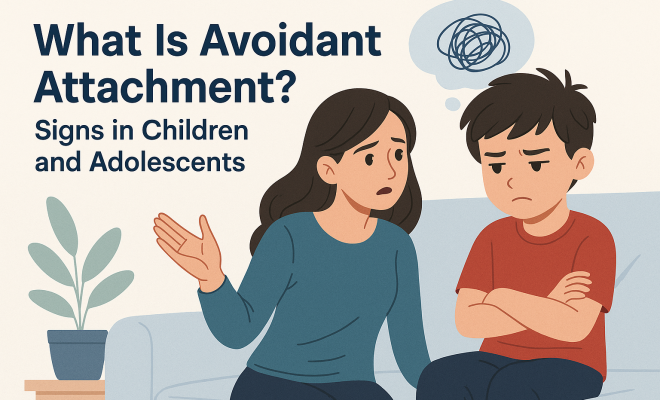
Avoidant attachment is often characterized by a child’s reluctance to seek comfort or closeness from caregivers. Children with this attachment style tend to develop a defense mechanism against potential distress, leading them to avoid emotional connections. They may appear self-sufficient and indifferent to parental figures, often minimizing the importance of relationships. In contrast to securely attached children, those with avoidant attachment typically exhibit behaviors that suggest they have learned to suppress their emotional needs.
Signs of Avoidant Attachment in Children
Identifying avoidant attachment in children can be challenging, especially since many signs can be misinterpreted as independence or maturity. However, certain key behaviors can indicate the presence of avoidant attachment:
- Limited Emotional Expression: Children may show a lack of emotional expression, appearing stoic even in situations where others would typically show distress or joy.
- Avoidance of Physical Contact: They may resist hugs, cuddling, or any form of physical affection from caregivers.
- Self-Reliance: These children often pride themselves on being independent, sometimes to the point of refusing help when it’s clearly needed.
- Difficulty Establishing Relationships: Avoidantly attached children may struggle to form close friendships or show discomfort in social situations.
- Emotional Numbness: A notable absence of emotional responses can be observed, leading to a perception of emotional coldness.
Causes of Avoidant Attachment
The roots of avoidant attachment can often be traced back to early childhood experiences, particularly interactions with primary caregivers. Some common causes include:
- Inconsistent Caregiving: When caregivers are emotionally unavailable or unresponsive, children learn to suppress their needs to avoid rejection.
- Parental Rejection: Children who experience overt rejection or criticism may develop an avoidant style to protect themselves from further emotional pain.
- Overly Independent Parenting Styles: Parents who emphasize independence may inadvertently encourage avoidance, leading children to believe that expressing needs is a sign of weakness.
The Impact of Avoidant Attachment on Development
Avoidant attachment can have far-reaching consequences for children as they grow. Research suggests that children with avoidant attachment may face challenges in several areas:
- Interpersonal Relationships: They may struggle with intimacy and trust in relationships, often leading to difficulties in romantic partnerships later in life.
- Emotional Regulation: These children might find it hard to cope with their emotions, which can lead to increased anxiety or depression.
- Academic Performance: Social challenges can hinder cooperative learning and peer interactions in school, potentially affecting academic outcomes.
Recognizing Avoidant Attachment in Adolescents
As children transition into adolescence, the signs of avoidant attachment can evolve but often remain evident. Adolescents may display:
- Withdrawal from Social Activities: They might prefer solitude or only engage superficially with peers.
- Discomfort with Emotional Topics: Avoidant adolescents often shy away from discussions about feelings or relationships.
- Struggles with Commitment: In romantic relationships, they may exhibit avoidance behaviors, such as fear of closeness or reluctance to label relationships.
Expert Opinions on Avoidant Attachment
Experts in child psychology emphasize the importance of early intervention. Dr. Mary Main, a prominent figure in attachment research, highlights that understanding attachment styles can guide parents and caregivers in fostering healthier relationships. “Recognizing the signs of avoidant attachment allows adults to create a supportive environment where children feel safe to express their emotions,” she states. This creates a pathway for healing and developing a secure attachment style. (See: Attachment theory overview.)
Strategies for Supporting Children with Avoidant Attachment
For caregivers concerned about avoidant attachment in children, there are several strategies that can promote healthier emotional development:
- Encouraging Emotional Expression: Create an environment that welcomes open discussions about feelings, ensuring children know it’s okay to express vulnerability.
- Modeling Healthy Relationships: Demonstrate secure attachment behaviors by being responsive and emotionally available.
- Providing Consistent Support: Children need to feel that their caregivers are reliable and will respond to their needs.
The Role of Therapy and Intervention
Therapeutic interventions such as play therapy, cognitive-behavioral therapy (CBT), and family counseling can be instrumental in addressing avoidant attachment. Therapists often focus on helping children recognize and articulate their feelings, gradually encouraging them to establish healthier relationships. “Therapy can empower children to understand their attachment style, paving the way for more secure connections,” notes clinical psychologist Dr. Lisa Firestone.
Current Relevance and Societal Impact
In today’s fast-paced society, where emotional connections can sometimes feel secondary to achievement and independence, understanding avoidant attachment in children is more relevant than ever. With rising awareness of mental health issues, educators and parents are increasingly recognizing the importance of fostering secure attachments. This shift can lead to a generation of children better equipped to handle emotional challenges and build lasting relationships.
Understanding the Neurobiology of Avoidant Attachment
Recent research into the neurobiology of attachment has revealed that early experiences can significantly shape brain development. Avoidant attachment in children has been linked to alterations in the brain’s stress response systems. Children who develop this attachment style may exhibit heightened levels of cortisol, the stress hormone, which can affect their emotional regulation and stress management.
The amygdala, responsible for processing emotions, can show increased activation in children with avoidant attachment. This heightened responsiveness can lead to a perception of threat in social situations, causing them to withdraw rather than engage. Understanding these neurobiological underpinnings can help caregivers and practitioners develop targeted interventions that address both psychological and physiological aspects of avoidant attachment.
Cross-Cultural Perspectives on Avoidant Attachment
Avoidant attachment is not only a phenomenon observed in Western cultures; it’s essential to consider cultural contexts. Different cultures have varying approaches to parenting and emotional expression, which can influence attachment styles. For instance, in some collectivist societies, children may be more encouraged to prioritize family and community needs over individual emotional expression, potentially leading to avoidant behaviors.
Research shows that children in cultures that value emotional restraint may develop avoidant attachment as a response to social norms that discourage open emotional communication. This perspective encourages a thoughtful approach to understanding avoidant attachment across different cultural settings, emphasizing the need for culturally sensitive interventions. (See: CDC on child attachment.)
Comparing Avoidant Attachment to Other Attachment Styles
Understanding avoidant attachment also requires a comparison with other attachment styles, such as secure and anxious attachments. Securely attached children typically feel comfortable exploring their environment, knowing they can return to their caregivers for support. In contrast, children with anxious attachment may exhibit clinginess or extreme distress upon separation from their caregivers, often seeking constant reassurance.
This comparison highlights the spectrum of attachment styles and how they manifest behaviors and emotional responses. While avoidant children may appear self-sufficient, they often lack the emotional support systems that securely attached children possess, leaving them vulnerable to emotional challenges. Recognizing these differences can aid in tailoring interventions that address specific needs, fostering healthier emotional development.
Long-term Effects of Avoidant Attachment
The long-term implications of avoidant attachment can be profound, affecting various aspects of adult life. Research indicates that individuals with avoidant attachment often find it challenging to maintain close relationships, leading to patterns of emotional distance or conflict in romantic partnerships. They might struggle with commitment, fearing vulnerability and often withdrawing when faced with emotional intimacy.
Moreover, adults with avoidant attachment may experience higher rates of stress and anxiety, stemming from their difficulty in expressing needs and seeking support from others. Such patterns can perpetuate a cycle of isolation and emotional distress. Understanding these long-term effects allows for more comprehensive therapeutic approaches that address not just the childhood experiences but also the adult relationships and emotional health of individuals.
Frequently Asked Questions about Avoidant Attachment in Children
- What are the signs of avoidant attachment in infants?
- Infants with avoidant attachment may avoid eye contact, show little distress when separated from their caregivers, and be indifferent to the caregiver’s return. They might not seek comfort when upset and often focus on the environment rather than the caregiver.
- Can avoidant attachment be changed?
- Yes, with appropriate interventions such as therapy, caregivers can help children reframe their understanding of attachment and emotional needs, leading to healthier attachment styles over time.
- How does avoidant attachment affect adult relationships?
- Adults with avoidant attachment might struggle with intimacy and often prioritize independence over closeness, leading to challenges in building and sustaining romantic relationships.
- Is avoidant attachment linked to other mental health issues?
- There is a correlation between avoidant attachment and various mental health issues, including anxiety and depression. Individuals may find it hard to seek help, compounding these challenges.
- What role do schools play in addressing avoidant attachment?
- Schools can create nurturing environments and provide social-emotional learning programs that teach children about emotional expression and relationship-building, helping to mitigate the effects of avoidant attachment.
The Importance of Early Intervention
Addressing avoidant attachment early can be crucial in helping children develop healthier emotional responses and relationships. Parents, caregivers, and educators can play a pivotal role by recognizing early signs and implementing supportive practices. Programs that focus on parent-child interaction and attachment-based interventions have shown promise in reducing avoidant behaviors. The earlier the intervention, the better the outcomes for children as they navigate their emotional worlds.
Practical Activities to Foster Emotional Connection
Here are some activities parents and caregivers can do to foster emotional connections with children showing signs of avoidant attachment: (See: NIH on attachment in children.)
- Emotion Cards: Create or purchase cards with different emotions depicted. Encourage children to pick a card and discuss a time when they felt that emotion, promoting emotional literacy.
- Story Time with a Twist: Read books that emphasize feelings and relationships. After reading, ask open-ended questions about the characters’ emotions and how the child might relate to them.
- Family Emotion Check-Ins: Establish a routine where family members share one positive and one challenging emotion from their day. This normalizes emotional sharing and can help children feel more comfortable expressing their own feelings.
Support Networks for Caregivers
Caregivers of children with avoidant attachment often benefit from support networks, whether through parenting groups, therapy, or community resources. Sharing experiences and strategies with others in similar situations can provide invaluable insights and encouragement. These networks can also offer practical resources, such as workshops or seminars focused on attachment and emotional development.
Longitudinal Studies on Attachment Styles
Longitudinal studies examining attachment styles have provided insights into how patterns established in childhood can persist into adulthood. One notable study followed participants from infancy into their adult years, demonstrating that those with avoidant attachment in childhood often carried these patterns into their adult relationships, facing challenges similar to those described above. These studies emphasize the importance of addressing avoidant attachment to foster healthier emotional outcomes over a lifetime.
Final Thoughts on Preventing Avoidant Attachment
Ultimately, the goal is to foster secure attachments and prevent avoidant attachment wherever possible. For parents, this means being attuned to their child’s emotional needs, providing consistent love and support, and ensuring that children feel safe expressing their feelings. By creating an environment where attachment can thrive, caregivers can help their children develop into emotionally healthy adults.
Conclusion: Moving Towards Secure Attachments
Understanding avoidant attachment in children is crucial for parents, educators, and mental health professionals alike. By recognizing the signs and implementing supportive strategies, we can help children move toward developing healthier, more secure attachments. As we continue to learn about the nuances of attachment theory, we have the opportunity to create nurturing environments where children can thrive emotionally.
“`
Trending Now
Frequently Asked Questions
What does avoidant attachment look like in children?
Avoidant attachment in children is characterized by limited emotional expression, a reluctance to seek comfort from caregivers, and an emphasis on self-reliance. These children may appear indifferent to emotional connections and often avoid physical affection, such as hugs or cuddling.
What are the signs of avoidant attachment in adolescents?
In adolescents, signs of avoidant attachment may include difficulty forming close relationships, a tendency to suppress emotions, and a strong preference for independence. They may also struggle with expressing their needs and may avoid intimacy in friendships and romantic relationships.
How does avoidant attachment affect relationships?
Avoidant attachment can lead to challenges in relationships, such as difficulty trusting others, fear of intimacy, and a tendency to withdraw from emotional closeness. These individuals may prioritize independence over connection, which can hinder the development of healthy relationships.
What causes avoidant attachment in children?
Avoidant attachment often develops from early caregiver interactions where emotional needs are not consistently met. Children learn to suppress their emotions and seek self-sufficiency as a defense mechanism against potential distress, leading to a reluctance to form close bonds.
Can avoidant attachment be changed?
Yes, while avoidant attachment styles can be challenging to change, therapeutic interventions can help individuals develop healthier attachment patterns. Therapy can provide a safe space to explore emotions, build trust, and learn new ways to connect with others.
Agree or disagree? Drop a comment and tell us what you think.