New Crypto Ethics Bill 2026: A Loophole for Trump’s Family?
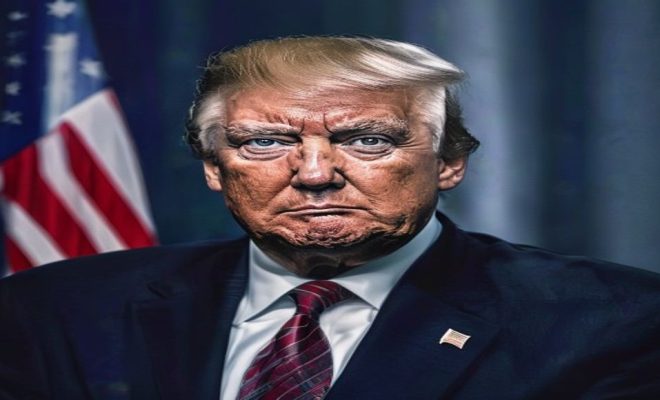
When the Digital Asset Market Clarity Act, or CLARITY Act, first surfaced, many in Washington and the broader crypto community hoped it would finally bring some much-needed ethical guardrails to the wild west of digital assets, particularly concerning federal officials. But a fresh draft, released just this past July 22, 2026, has left a lot of folks scratching their heads – and some, quite frankly, fuming. The latest iteration includes ethics provisions specifically designed to stop federal officials, their spouses, and their direct employees from issuing or sponsoring digital assets while they’re holding office. Sounds good on paper, right?
Well, here’s where it gets interesting, and frankly, a bit infuriating for those who believe in strict ethical standards. The glaring omission? The children and other family members of these officials. This isn’t just some minor oversight; it’s a gaping hole that critics are pointing to with increasing alarm, particularly when you consider the eye-watering figures associated with certain prominent political figures. We’re talking about potential avenues for continued, substantial Trump crypto profits, even with this new legislation on the books. It’s a classic case of legislative whack-a-mole, where you solve one problem only to find another, arguably larger one, pop up right next to it.
This whole debate isn’t happening in a vacuum, of course. It’s intrinsically linked to the ongoing saga surrounding former President Donald Trump, who, by all accounts, has had a spectacularly lucrative run in the crypto space. Estimates from 2025 alone suggest he raked in an astonishing $1.4 billion from various crypto ventures, including the now-infamous $TRUMP token and his involvement with World Liberty Financial. When you put those numbers next to a piece of legislation that seems to conveniently overlook key family members, you can understand why eyebrows are being raised, and why the phrase “Trump crypto profits” is quickly becoming a lightning rod in this discussion. It makes you wonder: is this an intentional oversight, or simply a failure to grasp the full scope of potential conflicts of interest in the digital asset sphere?
The CLARITY Act’s Intent: A Noble Goal, But Flawed Execution?
Let’s give credit where credit is due: the intention behind the ethics provisions in the CLARITY Act is genuinely laudable. In an era where digital assets are becoming increasingly intertwined with mainstream finance and political influence, establishing clear boundaries for public servants is absolutely essential. The core idea is to prevent a scenario where someone in a position of power could leverage their office to directly benefit from the creation or promotion of a digital asset. Imagine a cabinet secretary pushing a particular blockchain project, knowing full well their own token stands to gain immensely. That’s precisely the kind of self-dealing the Act aims to prevent.
The specific language targeting federal officials, their spouses, and employees is a direct response to growing concerns about conflicts of interest. It’s an acknowledgment that the traditional lines between public service and personal enrichment can easily blur in the fast-paced, often opaque world of crypto. The act aims to draw a clear line in the sand, saying, “While you’re serving the public, you cannot be actively involved in creating or endorsing digital assets that could line your own pockets.” This is a critical step towards maintaining public trust in both government and the nascent digital asset industry. Without such rules, the perception of corruption could quickly erode faith in the integrity of our institutions.
However, the devil, as always, is in the details – or, in this case, the omissions. While the specified individuals are covered, the legislative drafters seem to have underestimated the ingenuity of those looking to circumvent such rules. It’s a bit like building a robust firewall but leaving a backdoor wide open. The current draft’s limited scope inadvertently creates a massive loophole, one that astute political observers and ethical watchdogs are quick to point out. It highlights a fundamental challenge in legislating complex, rapidly evolving areas like cryptocurrency: the rules need to be comprehensive enough to anticipate and prevent all plausible forms of abuse, not just the most obvious ones.
Donald Trump’s Crypto Windfall: A Billion-Dollar Question Mark
You can’t talk about crypto ethics in Washington right now without Donald Trump’s name inevitably entering the conversation. His foray into the digital asset space has been nothing short of spectacular, both in terms of financial returns and the sheer audacity of it all. The reported $1.4 billion in Trump crypto profits in 2025 isn’t just a headline-grabbing number; it represents a significant, arguably unprecedented, financial entanglement between a prominent political figure and the volatile world of digital currencies. This isn’t just about selling merchandise; it’s about active participation in and profit from the creation and promotion of digital assets. (See: New Crypto Ethics Bill Analysis.)
Take, for instance, the $TRUMP token. This isn’t merely a collectible; it’s a meme coin, a speculative asset whose value is intrinsically linked to the former President’s brand and public persona. For someone who has held, and potentially may hold again, the highest office in the land, profiting directly from such a volatile, personality-driven asset raises serious ethical red flags. Then there’s World Liberty Financial, another venture contributing to his estimated earnings. These aren’t passive investments; they’re active engagements in the crypto ecosystem that have generated immense wealth for Trump.
The scale of these Trump crypto profits provides a powerful backdrop to the CLARITY Act debate. It’s not hypothetical; it’s real money, made by a real person with a very real possibility of returning to federal office. This context makes the perceived loopholes in the legislation all the more glaring. If a bill is designed to prevent conflicts of interest, but the most prominent example of potential conflict continues to thrive through family channels, what’s the real impact of the legislation? It underscores the urgency and importance of getting these ethics provisions right, ensuring they are robust enough to address the realities of modern political finance, not just theoretical scenarios.
The “Children and Other Family Members” Loophole
Here’s the sticking point, the detail that has critics up in arms: the CLARITY Act’s ethics provisions do not extend the ban to officials’ children or other, broader family members. Think about that for a moment. A federal official is prohibited from issuing or sponsoring digital assets, but their adult child, living in the same household or closely associated with them, could theoretically launch their own token, heavily capitalize on their parent’s name and influence, and funnel profits back to the family unit. Does that sound like robust ethical oversight to you? Probably not.
This isn’t a new problem in political ethics. For decades, politicians have faced scrutiny over family members’ business dealings, particularly when those dealings seem to benefit from the politician’s influence. But crypto adds a new layer of complexity. The barrier to entry for creating a digital asset is relatively low, and the potential for rapid, astronomical gains is high. This means a family member could, with minimal technical expertise, launch a project that leverages their prominent relative’s brand, directly or indirectly, leading to significant financial returns that are then shared or otherwise benefit the official. It’s a classic case of influence peddling, repackaged for the digital age.
The absence of language covering children and other family members creates a clear pathway for circumvention. It invites officials to simply shift their crypto endeavors to a family member, effectively creating a proxy. This defeats the entire purpose of the ethics provisions. If the goal is to prevent conflicts of interest and the perception of corruption, then the rules must be comprehensive enough to close these obvious escape routes. Otherwise, the legislation becomes less about genuine ethical reform and more about political theater, offering the appearance of action without the substance.
Why This Omission Matters: A Question of Influence and Perception
Beyond the legal technicalities, the omission of family members from the CLARITY Act’s ethics provisions carries significant weight in terms of public perception and the overall health of democratic institutions. When the public sees prominent figures or their close relatives making vast sums of money from ventures that seem to capitalize on their political status, it erodes trust. It fosters a cynical view that politics is merely a vehicle for personal enrichment, rather than public service. This cynicism is corrosive and can lead to disengagement and a decline in faith in government.
Consider the optics. If a presidential candidate, or even a sitting President, is seen to be indirectly profiting from crypto schemes run by their children, it creates an immediate and powerful perception of undue influence. Questions will inevitably arise: Is policy being shaped to benefit these crypto ventures? Are regulatory decisions being made with an eye toward protecting family assets? Even if no direct quid pro quo exists, the mere appearance of such a conflict is damaging. It suggests that personal financial interests might be taking precedence over the public good, which is anathema to democratic principles.
Moreover, this loophole could set a dangerous precedent. If the CLARITY Act passes with this omission, it essentially signals that it’s acceptable for federal officials to leverage their family for financial gain in the crypto space. This could encourage other politicians to explore similar avenues, leading to a proliferation of politically connected crypto projects and further muddying the waters between public duty and private profit. True ethical reform requires foresight and a willingness to close all plausible avenues for abuse, not just the most obvious ones. (See: Ethical Principles in Legislation.)
The Sunset Clause: A Temporary Fix?
Another interesting, and perhaps troubling, aspect of the CLARITY Act’s ethics provisions is the sunset clause. These rules are currently set to expire on January 20, 2029. Why that specific date? It aligns perfectly with the end of the current presidential term. This isn’t just a random expiration; it’s a deliberate choice that raises immediate questions about the long-term commitment to these ethical standards.
On one hand, you could argue that a sunset clause allows for flexibility. It gives lawmakers an opportunity to review the effectiveness of the provisions and make adjustments based on real-world experience. Perhaps they envision a more comprehensive framework being developed by 2029, or believe that the landscape of digital assets will have evolved to a point where different rules are needed. It’s a chance to reassess and refine, rather than locking in potentially flawed legislation indefinitely.
However, the timing of this particular sunset clause feels less about flexibility and more about political expediency. Tying it directly to the presidential term suggests a certain hesitancy to make these rules permanent, especially given the political sensitivities surrounding Trump crypto profits and the potential for him to return to office. It could be interpreted as a way to address immediate concerns without committing to a lasting ethical framework. This temporary nature undermines the seriousness of the provisions; if conflicts of interest are wrong today, they’ll likely be wrong in 2029 and beyond. A truly robust ethical framework should aim for permanence, with mechanisms for review, rather than a built-in expiration date that aligns so conveniently with political cycles.
Social Media’s Role in Amplifying the Debate Over Trump Crypto Profits
In today’s interconnected world, legislative debates rarely stay confined to the halls of Congress. The discussion around the CLARITY Act, and particularly the ethical loopholes concerning Trump crypto profits, has exploded across social media platforms. This isn’t just political wonkery; it’s a highly charged topic, fueled by the enormous financial stakes, the involvement of a polarizing political figure, and the fundamental questions about fairness and integrity in government. Social media acts as both a megaphone and a battleground in these discussions.
Platforms like X (formerly Twitter), Reddit, and even TikTok are buzzing with commentary, analysis, and outrage. Crypto enthusiasts, political pundits, and everyday citizens are dissecting the legislation, pointing out its flaws, and speculating on the motivations behind the omissions. Hashtags related to “Trump crypto” and “CLARITY Act” are trending, driving engagement and forcing the conversation into the mainstream. This constant, real-time feedback loop can be both a blessing and a curse for lawmakers. It provides an immediate gauge of public sentiment, but it also means every perceived flaw is amplified and scrutinized mercilessly.
The substantial financial figures involved – those estimated $1.4 billion in Trump crypto profits – make this an irresistible topic for online discourse. Money talks, and when that much money is involved, especially in connection with politics, people pay attention. The democratic process is increasingly shaped by these online conversations, and the pressure generated by social media can often push legislative bodies to reconsider or amend their proposals. Whether this social media outcry will be enough to force changes to the CLARITY Act’s ethics provisions remains to be seen, but it’s undoubtedly a significant factor in how this story is unfolding.
The Broader Implications for Crypto Regulation and Trust
The CLARITY Act, even with its current flaws, represents a significant step towards bringing regulatory oversight to the digital asset market. It’s an acknowledgment that crypto is no longer a fringe phenomenon but a legitimate, albeit volatile, part of the global financial landscape. However, the ethical omissions within the bill could have broader, negative implications for the entire crypto industry, not just for political figures. (See: BBC Coverage on Trump's Financial Ties.)
One of the biggest hurdles for widespread crypto adoption has always been a lack of trust. High-profile scandals, rug pulls, and regulatory uncertainty have made many wary of diving into digital assets. If new legislation designed to foster trust and ethical conduct is perceived as weak, full of loopholes, or specifically designed to allow powerful individuals to continue profiting from questionable means, it further damages the industry’s reputation. It reinforces the narrative that crypto is a playground for the rich and well-connected, rather than a fair and transparent financial system for everyone.
For the crypto industry to truly flourish and integrate into mainstream finance, it needs clear, robust, and equitable regulation. This includes strong ethical guidelines that apply to everyone, especially those in positions of power. A CLARITY Act that truly lives up to its name would provide clarity not just on market structure, but on ethical boundaries. Failing to address the perceived loopholes surrounding Trump crypto profits and similar situations could hinder broader regulatory efforts and prolong the period of uncertainty that has plagued the industry for years. It’s a chance to build confidence, and a missed opportunity could have lasting consequences.
What Happens Next? The Path to Stronger Ethics
So, what’s the next step for the CLARITY Act? The current draft isn’t necessarily the final word. Legislative processes are often iterative, with bills undergoing multiple revisions based on feedback from stakeholders, constituents, and, increasingly, public outcry on social media. The criticism levied against the current ethics provisions, particularly regarding the omission of family members, is significant and widespread. It’s entirely possible that these concerns will force lawmakers to revisit the language and strengthen the bill before it moves further through Congress.
Advocacy groups focused on government ethics and transparency are likely to push hard for amendments. They’ll highlight the specific ways in which the current language falls short and propose specific remedies, such as expanding the scope to include adult children and other immediate family members, or implementing more stringent disclosure requirements for family members’ financial dealings in crypto. The pressure will also come from within Congress, particularly from Democrats and other ethics-minded legislators who recognize the political liability of passing a bill that appears to condone continued Trump crypto profits through indirect means.
Ultimately, the effectiveness of the CLARITY Act in addressing potential conflicts of interest will depend on the willingness of lawmakers to listen to these criticisms and act decisively. This isn’t just about one politician or one set of crypto profits; it’s about setting a standard for ethical conduct in a new and complex financial landscape. The opportunity is there to create truly meaningful legislation that protects the integrity of public service and fosters trust in the digital asset market. Let’s hope they seize it and close those glaring loopholes.
Trending Now
Frequently Asked Questions
What is the Digital Asset Market Clarity Act?
The Digital Asset Market Clarity Act, or CLARITY Act, aims to establish ethical guidelines for federal officials regarding their involvement with digital assets. It seeks to prevent officials, their spouses, and direct employees from issuing or sponsoring digital assets while in office, but notably excludes children and other family members.
Why are critics concerned about the CLARITY Act?
Critics are alarmed that the CLARITY Act omits provisions for the children and other family members of federal officials, creating a loophole that could allow significant crypto profits, particularly for figures like Donald Trump, despite the legislation's intent to enforce ethical standards.
How much money did Donald Trump reportedly make from crypto?
In 2025, estimates suggested that former President Donald Trump earned around $1.4 billion from various crypto ventures, including the $TRUMP token and his association with World Liberty Financial, highlighting the financial stakes involved in the ongoing legislative discussions.
What are the implications of the loophole in the CLARITY Act?
The loophole in the CLARITY Act allows family members of federal officials to potentially profit from digital assets, undermining the legislation's ethical objectives. This raises concerns about transparency and accountability in the financial dealings of prominent political figures.
What does the term 'Trump crypto profits' refer to?
The term 'Trump crypto profits' refers to the substantial earnings that Donald Trump has reportedly gained from the cryptocurrency market, particularly in light of new legislation that seems to overlook ethical restrictions on family members, allowing him continued financial opportunities in this sector.
There’s a fuller look at The Ethics Bomb Explained.
Have you experienced this yourself? We'd love to hear your story in the comments.