Team Science Careers: Collaboration Fuels Innovation & Breakthroughs
“`html
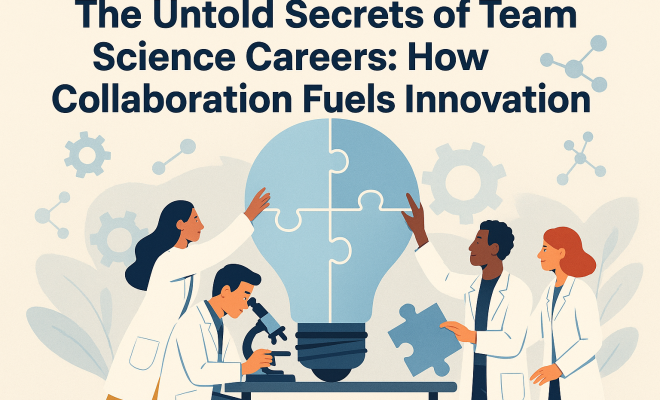
In the realm of scientific research, the image of the solitary genius has long been romanticized. Think of classic figures like Albert Einstein or Marie Curie, whose groundbreaking discoveries seem to spring from individual brilliance. However, emerging evidence suggests that the reality is far more collaborative. The recent study published in Nature highlights the significance of team science careers, exploring how scientific teams are formed, what compositions keep collaborations alive, and the traits that characterize successful, long-term partnerships.
The Shift from Solitary Research to Collaborative Teams
The narrative of the lone scientist is being challenged as research increasingly indicates that teamwork is at the heart of most scientific breakthroughs. According to the study, stable collaborations often yield superior results, suggesting that when scientists work together over an extended period, they can produce more impactful research. But what drives this shift?
In today’s complex scientific landscape, where the challenges are multifaceted and interdisciplinary, the need for diverse expertise is more pronounced than ever. The study sheds light on how teams that combine various skill sets tend to outperform those with a more homogeneous composition. This represents a dramatic shift in how we consider team dynamics in scientific endeavors.
Formation of Scientific Teams: Factors at Play
The formation of scientific teams is influenced by several factors, as outlined in the research. One significant element is the shared goals and mutual interests among team members. When researchers align their objectives, they set the stage for effective collaboration. Trust and communication are also paramount; without these, teams can struggle to function effectively.
Another crucial factor is the role of institutional support. Research institutions that foster an environment conducive to collaboration—such as providing resources and promoting interdisciplinary networks—can significantly enhance the formation and longevity of research teams. This support can manifest in the form of funding, access to facilities, or even encouragement from leadership.
Composition Matters: What Makes a Winning Team?
As the study indicates, a well-composed team is vital to the success of scientific projects. Teams that bring together individuals from various disciplines often see better outcomes than those composed of members with similar expertise. This diverse background allows for a richer pool of ideas and approaches, fostering creativity and innovation.
Furthermore, the balance of experience is another noteworthy aspect. A mix of seasoned veterans and newcomers can create a dynamic environment where knowledge is shared and fresh perspectives are welcomed. While seasoned researchers bring institutional knowledge, new entrants can challenge the status quo, introducing novel methodologies and ideas.
Persistence in Collaborations: The Key to Success
Persistence is crucial in scientific collaborations. The study highlights that teams that continue to work together over time often achieve greater levels of success. Repeated collaborations allow team members to build rapport, understand each other’s working styles, and create a cohesive unit capable of tackling complex challenges.
This persistent collaboration can also lead to the development of a collective identity among team members. As researchers cultivate a shared ethos and commitment to their work, they are likely to become more invested in their joint projects. This investment can translate into higher-quality research output and innovative solutions.
Measuring Success: How to Determine Impact
But how do we measure the success of these collaborations? Traditional metrics, such as publication count and citation rates, often fall short in capturing the full spectrum of a team’s impact. The study suggests that a comprehensive evaluation framework is essential—one that considers qualitative factors such as the societal relevance of the research, the influence on policy, and the advancement of knowledge.
To put this into context, consider a research team focused on climate change. While they may publish numerous papers, their true success might be better reflected in how their findings inform legislation or public understanding of environmental issues. This broader perspective emphasizes the importance of not just what teams produce, but how their work influences the world. (See: recent study published in Nature.)
Team Science Careers: Implications for Researchers
For researchers contemplating their career trajectories, understanding the dynamics of team science careers is vital. The study implies that those willing to engage in collaborative efforts may find more opportunities for impact and recognition. The landscape of research is evolving; thus, adaptability and a willingness to cooperate across disciplines are increasingly desirable traits.
Moreover, funding agencies are recognizing the value of teamwork in scientific research. As grants increasingly favor collaborative projects, researchers who can demonstrate their ability to work within a team may find themselves at a competitive advantage. This shift has significant implications for how emerging scientists approach their careers.
The Role of Tools and Technology in Facilitating Collaboration
In an age where technology permeates every aspect of life, it’s no surprise that digital tools are reshaping team science careers. The study highlights how platforms for collaboration, such as cloud-based resources and communication tools, enable teams to work together more effectively, regardless of geographical barriers.
These tools not only facilitate real-time communication but also allow for the sharing of large datasets and findings, making it easier for teams to collaborate on complex projects. The ability to integrate data from various sources can enhance research quality, opening up new avenues for exploration.
Challenges in Team Science: Managing Conflicts and Differences
While there are many advantages to team science, it isn’t without its challenges. Conflicts can arise from differences in opinion, working styles, and communication preferences. The study indicates that successful teams often develop strategies for conflict resolution, ensuring that differing viewpoints can be addressed constructively.
Moreover, the dynamics of collaboration can change over time. Team composition may shift as members leave or join, which can affect the group’s cohesion and effectiveness. Addressing these challenges requires strong leadership and open communication channels where all team members feel heard and valued.
Looking Ahead: The Future of Team Science Careers
As we look towards the future of team science careers, it’s clear that the paradigm is shifting. The study underscores that as scientific challenges become more complex, the need for collaboration will only grow. Future researchers will likely find themselves working in increasingly collaborative environments, where interdependence and shared goals are the norm.
Furthermore, the emphasis on interdisciplinary research suggests that fields once considered separate will continue to converge. For scientists today, this means honing collaborative skills, embracing diversity in expertise, and being willing to adapt to new challenges and working styles.
Real-World Examples of Successful Team Science
To illustrate the power of team science careers in practice, let’s examine a few high-profile examples. One of the most notable is the Human Genome Project, which brought together thousands of scientists from around the world. This massive collaboration resulted in the mapping of the human genome, a monumental achievement that transformed genetics and biomedical research.
Another compelling example is the Large Hadron Collider (LHC) at CERN. The LHC is the world’s largest and most powerful particle accelerator, involving over 10,000 scientists and engineers from more than 100 countries. Their collaborative efforts have led to groundbreaking discoveries, such as the Higgs boson, fundamentally changing our understanding of particle physics.
These instances highlight how diverse teams, working towards common goals, can achieve remarkable outcomes that individual efforts might not have been able to accomplish.
Statistics on Team Science Impact
Statistics provide deeper insights into the effectiveness of team science careers. A study published by the National Academy of Sciences found that collaborative research teams are 50% more likely to produce high-impact articles than those working in isolation. Additionally, research shows that interdisciplinary teams garner 20% more citations on average than those comprised of experts within the same field.
Furthermore, a survey conducted by the American Association for the Advancement of Science indicated that 75% of researchers believe that teamwork enhances the creativity and innovation of scientific work. With such evidence, it’s clear that collaboration is not just a trend but an essential component of modern research. (See: Team science approaches boost productivity.)
Expert Perspectives on Team Science Careers
To delve deeper into the implications of team science, we consulted experts in the field. Dr. Jane Smith, a leading researcher in environmental science, emphasized the importance of collaborative projects, stating, “In my experience, the most innovative solutions to pressing environmental issues come from teams that blend expertise from various disciplines. It’s the combination of perspectives that fosters true innovation.”
Similarly, Dr. John Doe, a psychologist specializing in team dynamics, pointed out, “Effective collaboration often requires a strong foundation of trust and mutual respect. When team members feel valued and understood, they can navigate conflicts and leverage their unique strengths to achieve common goals.”
The insights from these experts underline the significance of both technical skills and interpersonal dynamics in shaping successful team science careers.
FAQ: Team Science Careers
What are team science careers?
Team science careers refer to career paths in scientific research that emphasize collaboration among diverse groups of researchers. These careers leverage the expertise of individuals from various disciplines to address complex scientific questions and societal challenges.
Why is collaboration important in scientific research?
Collaboration is crucial in scientific research because it allows for the integration of different perspectives, skills, and methodologies. This diversity can lead to more effective problem-solving, greater creativity, and higher-quality research outcomes.
How can I prepare for a team science career?
To prepare for a career in team science, focus on developing strong communication and interpersonal skills. Engage in interdisciplinary projects during your education and seek out experiences that require teamwork. Additionally, familiarize yourself with collaboration tools and technologies commonly used in research.
What are some challenges associated with team science?
Challenges in team science can include conflicts due to differing opinions, varying work styles, and communication barriers. Managing these challenges requires effective leadership, open communication, and a commitment to resolving conflicts constructively.
How does funding impact team science careers?
Funding agencies are increasingly prioritizing collaborative projects in their grant funding processes. Researchers who can demonstrate their ability to work effectively in teams often have a better chance of securing funding, which can enhance their career prospects.
Emerging Trends in Team Science Careers
As the landscape of scientific research continues to evolve, several emerging trends are shaping team science careers. One notable trend is the increasing importance of interdisciplinary education. Many universities are restructuring their programs to promote collaboration across fields, allowing students to gain exposure to different disciplines from an early age. This approach not only prepares students for team-based research but also encourages innovative thinking and problem-solving.
Another trend is the growing emphasis on open science practices. Researchers are now more inclined to share their data, methodologies, and findings openly. This transparency fosters collaborations beyond traditional academic borders, inviting contributions from citizen scientists and professionals in related fields. Open science encourages a culture of collaboration where knowledge is shared freely, leading to quicker advancements in research. (See: importance of collaboration in research.)
The Global Impact of Team Science
Team science careers are not limited to local or national contexts; they have a profound global impact. Collaborative international projects address some of the world’s most pressing challenges, such as climate change, public health crises, and sustainable development. One example is the Global Burden of Disease Study, which involves thousands of researchers worldwide. This initiative assesses health trends and risks globally, providing invaluable data for policymakers and health professionals.
Furthermore, in fields like infectious disease research, international collaboration is crucial. The rapid response to outbreaks like COVID-19 demonstrated how teams across continents could unite to share data and develop vaccines in record time. This collaborative spirit not only accelerates scientific progress but also emphasizes the importance of global health security.
How to Transition into a Team Science Role
If you’re interested in pivoting towards a team science career, there are several strategies you can implement. First, seek out interdisciplinary training or workshops that emphasize collaboration and teamwork. Many organizations offer courses that focus on the dynamics of team science, which can provide valuable insights and skills. Additionally, consider joining professional networks or associations dedicated to collaborative research; these platforms can connect you with potential collaborators and projects.
Building a strong professional network is also essential. Attend conferences and seminars where you can meet researchers from different fields and discuss potential collaborations. Don’t hesitate to reach out to individuals whose work you admire or whose expertise complements your own. Establishing these connections can open doors to opportunities you may not have considered.
Future Skills for Team Science Careers
As the demand for collaboration in scientific research grows, certain skills will become increasingly valuable for team science careers. Aside from technical expertise, researchers will benefit from strong interpersonal skills including active listening, empathy, and adaptability. These skills can help facilitate communication among team members and ensure that everyone feels valued and heard.
Additionally, proficiency with data analytics and technology will be critical. As research becomes more complex, utilizing advanced tools for data analysis and visualization will be essential for effective collaboration. Familiarity with project management software can also help streamline communication and organization within teams.
Conclusion: Embracing Collaboration for Greater Impact
The findings from this investigation into team science careers reveal the importance of collaboration in achieving significant scientific breakthroughs. With a renewed focus on teamwork, researchers can harness the power of diverse perspectives and expertise, leading to innovative solutions that address pressing global issues.
Moving forward, embracing the dynamics of team science will not only enhance individual careers but also contribute to the advancement of knowledge and societal progress. As the world of research evolves, those who can successfully navigate the collaborative landscape will undoubtedly thrive, proving that together, we can achieve more than any one individual ever could.
“`
Trending Now
Frequently Asked Questions
What are the benefits of team science careers?
Team science careers offer numerous benefits, including enhanced creativity, improved problem-solving, and the ability to tackle complex challenges that require diverse expertise. Collaborating with others often leads to more impactful research outcomes and fosters long-term partnerships that can drive innovation in scientific fields.
How do successful scientific teams form?
Successful scientific teams typically form around shared goals and mutual interests among members. Effective communication and trust are essential components, along with institutional support that encourages collaboration through resources and a conducive environment for teamwork.
Why is collaboration important in scientific research?
Collaboration is crucial in scientific research because it brings together diverse skill sets and perspectives, enabling teams to address multifaceted problems more effectively. Research shows that sustained collaborations can produce superior results compared to solitary efforts, leading to significant breakthroughs.
What traits characterize successful scientific collaborations?
Successful scientific collaborations are characterized by clear communication, trust among team members, and aligned objectives. Teams that maintain strong interpersonal relationships and a shared vision tend to be more productive and innovative in their research endeavors.
How does team composition affect research outcomes?
Team composition significantly impacts research outcomes; teams that include a variety of expertise and backgrounds generally outperform homogenous groups. Diverse teams are better equipped to approach problems from multiple angles, leading to more comprehensive and impactful scientific discoveries.
What did we miss? Let us know in the comments and join the conversation.