Trump’s 2023 July 4th: ‘Golden Age’ Amidst Storms
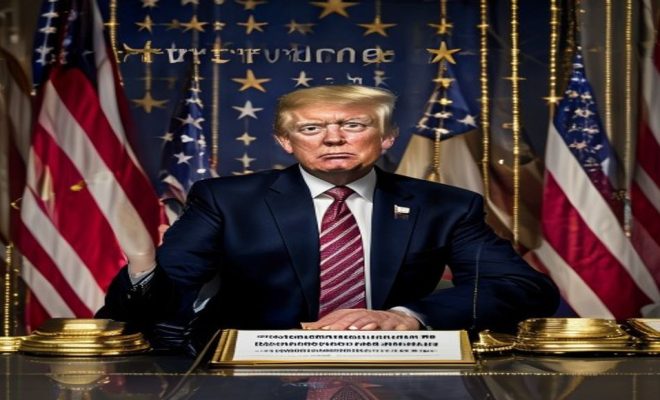
“`html
Introduction: A Day of Celebration and Storms
On July 4th, 2023, President Donald Trump boldly proclaimed that America is embarking on a ‘golden age’ during his much-anticipated Independence Day celebration on the National Mall. Despite severe thunderstorms and chaotic weather conditions that led to temporary evacuations, Trump remained defiant, insisting that the festivities would continue as planned. This moment not only highlighted his commitment to showcasing patriotic fervor but also served as a platform for advancing his political agenda. The juxtaposition of the inclement weather and Trump’s resolute stance fueled a surge in social media engagement, as users shared videos of the dramatic evacuations alongside the president’s remarks.
Weathering the Storm: Disruptions and Determination
The day began with great anticipation, as thousands gathered for the iconic fireworks display that typically lights up the Washington, D.C., skyline. However, Mother Nature had other plans. Severe storms rolled through the area, prompting officials to issue evacuation orders for safety. Yet, even as heavy rain fell and winds whipped through the crowd, Trump took to the stage to deliver his speech, determined to rally the spirits of American citizens despite the chaos surrounding him.
Trump’s insistence on proceeding with the celebration amidst such unfavorable conditions was met with mixed reactions. Supporters viewed it as a powerful statement of resilience and patriotism, a hallmark of his presidency. Critics, however, questioned the wisdom of holding an event during a weather emergency, citing concerns about safety and the optics of defiance in the face of nature’s fury.
Trump’s Narrative of a ‘Golden Age’
During his address, Trump articulated his vision of America entering a ‘golden age.’ This phrase, laden with optimism, suggests a transformative period characterized by economic prosperity, national pride, and a strong sense of identity. But what does this ‘golden age’ entail? For Trump, it means a return to traditional values, prioritizing American businesses, and a focus on law and order.
He emphasized his administration’s achievements, such as tax cuts and deregulation, which he argues have spurred economic growth. Furthermore, he posited that under his leadership, America would reclaim its position as a global leader, focusing on fostering relationships that benefit U.S. interests.
A Deep Dive into Trump’s Political Agenda
Central to Trump’s vision of a ‘golden age’ is an unwavering commitment to his political agenda. This includes a robust stance on immigration reform, a focus on energy independence, and a continued push for infrastructural improvements. Trump’s administration has long touted the need to build a wall along the southern border, arguing that it is crucial for national security and economic stability. His rhetoric often paints immigration as a threat to American jobs and societal safety.
Moreover, Trump has championed energy policies aimed at reducing dependence on foreign oil. His administration’s efforts to promote fossil fuels, including coal and natural gas, reflect a broader vision of maintaining America’s energy dominance. This approach resonates with many voters who prioritize economic growth over environmental concerns.
The Emotional Charge of July 4th
The Fourth of July holds a special place in the hearts of Americans, serving as a reminder of the nation’s founding principles and shared history. Trump’s choice to deliver his speech on this significant day was particularly strategic, as it allowed him to frame his narrative within the context of national identity and pride.
The emotional resonance of his message was amplified by the backdrop of the chaotic celebration. Videos circulated online depicting the frantic evacuations contrasted sharply with Trump’s unwavering confidence. This dichotomy captured the attention of social media users, turning the event into a trending topic as people weighed in on the unfolding situation.
Social Media Engagement and Public Reaction
In an age where social media serves as a primary means of communication, Trump’s Independence Day address and the surrounding chaos quickly became a hotbed of online discourse. Users shared clips of the event, both praising and criticizing the president’s actions.
For supporters, the narrative of resilience during a national celebration resonated strongly. Many expressed their pride in Trump’s leadership, framing his insistence on proceeding with the event as a symbol of American grit. On the other hand, critics seized the opportunity to highlight what they perceived as reckless behavior, questioning whether the president should have prioritized safety over spectacle. (See: CDC on weather-related safety.)
The duality of public reaction exemplified the polarized state of American politics, where supporters and detractors alike found themselves passionately voicing their opinions in real-time.
Historical Context: Independence Day Celebrations
Independence Day has long been a cherished American tradition, marked by celebrations that reflect the country’s values and history. Trump’s speech echoed themes that have been prevalent in past Independence Day addresses, such as freedom, unity, and patriotism.
However, the modern political landscape has altered the way these celebrations are perceived. Trump’s approach contrasts sharply with previous administrations, which often emphasized collective celebration over political posturing. By interweaving his political agenda with the themes of Independence Day, Trump has effectively transformed the holiday into a platform for his ongoing narrative.
The Role of Patriotism in Trump’s Presidency
Patriotism has been a cornerstone of Trump’s political identity. From his campaign rallies to official addresses, Trump consistently invokes themes of national pride and American exceptionalism. This strategy appeals to a considerable segment of the electorate who feel that their values and beliefs have been overlooked by political elites.
By promoting a ‘golden age,’ Trump not only seeks to inspire hope among his supporters but also to rally them around a shared vision of what America should be. His rhetoric often highlights perceived threats to this vision, whether through immigration policies, foreign relations, or social issues, reinforcing the idea that he is the protector of American interests.
Challenges and Criticisms
While Trump’s vision resonates with many, it is not without its challenges. Critics argue that his policies often exacerbate divisions rather than foster unity. The insistence on a ‘golden age’ can be seen as exclusionary, particularly for marginalized communities that feel left behind by his administration’s focus on traditional values and economic metrics.
Moreover, Trump’s handling of the COVID-19 pandemic and its aftermath has led to significant scrutiny. Many Americans are concerned about the implications of his policies on public health and welfare. As Trump continues to promote his narrative of a ‘golden age,’ he faces the challenge of addressing these concerns while maintaining his support base.
Looking Ahead: The Future of Trump’s ‘Golden Age’
As Trump navigates the complexities of American politics, the concept of a ‘golden age’ will likely remain a cornerstone of his messaging. With the 2024 presidential election approaching, Trump will need to galvanize support by demonstrating tangible achievements and addressing the concerns of a diverse electorate.
In this context, the July 4th celebration serves as a microcosm of the broader political landscape. The combination of fervent support and vocal criticism underscores the challenges that lie ahead for Trump as he strives to cement his legacy while appealing to an increasingly divided nation.
Analyzing Economic Indicators: The Reality Behind the ‘Golden Age’
Trump’s assertion of a ‘golden age’ also hinges on the economic indicators he presents. For supporters, the promise of economic rejuvenation is appealing, but it’s essential to examine the broader context. In his speech, he cited the lowest unemployment rates for various demographics and a booming stock market during his presidency. However, critics argue that these figures do not paint the full picture.
The U.S. has seen remarkable stock market growth, but this has disproportionately benefited the wealthy. According to recent statistics, income inequality remains a significant issue, with the top 10% of earners capturing a larger share of the nation’s wealth than in previous decades. For many Americans, the reality of rising costs for housing, healthcare, and education starkly contrasts Trump’s narrative of prosperity.
Additionally, the pandemic revealed vulnerabilities in the economy, leading to job losses and business closures, particularly in sectors like hospitality and retail. Analyzing these disparities could provide a more nuanced understanding of whether America truly is in a ‘golden age’ or if it’s merely rhetoric aimed at energizing a political base. (See: New York Times coverage of Trump's speech.)
Expert Opinions: What Do Economists Say?
To gain deeper insights, it’s valuable to consider expert opinions on Trump’s economic policies. Economists are often divided on the effectiveness of his fiscal strategies. Some argue that tax cuts and deregulation have stimulated growth, while others contend that these measures have led to long-term deficits and increased national debt.
For example, the Tax Cuts and Jobs Act of 2017 was touted as a transformative policy that would spur investment; however, the Congressional Budget Office projected that it would significantly increase the deficit over the following years. Economic growth is not solely measured by GDP or stock market performance but also by metrics like wage growth and job security. A report from the Economic Policy Institute indicates that wage growth for the bottom 90% of earners has stagnated, raising questions about the sustainability of the ‘golden age’ narrative.
Engaging with these varying perspectives is crucial for voters and citizens to form an informed opinion about the state of the economy under Trump’s leadership.
The Impact of Foreign Policy on Trump’s Vision
Trump’s vision of a ‘golden age’ is also intertwined with his foreign policy. His administration has taken a confrontational stance towards nations like China, framing it as a battle for economic dominance. The tariffs imposed during his tenure were aimed at protecting American jobs; however, this has resulted in retaliatory measures that have impacted farmers and manufacturers.
Trade wars are complex and often have unintended consequences. While some industries may benefit from protectionist measures, the overall impact can be detrimental to consumers and businesses reliant on imported goods. For instance, the cost of everyday items increased, and many small businesses reported challenges in sourcing materials. This contradiction poses a question about the feasibility of sustaining a ‘golden age’ amid global tensions and economic isolation.
FAQ: Understanding Trump’s ‘Golden Age’
What does Trump mean by ‘golden age’?
Trump’s ‘golden age’ refers to a vision of America characterized by economic prosperity, national pride, and a return to traditional values. He frames it as a period of rejuvenation for American businesses and society.
What economic indicators support Trump’s claim of a ‘golden age’?
Trump often cites low unemployment rates, stock market performance, and tax cuts as evidence of economic success. However, critics argue that income inequality persists and that the benefits are not shared equally.
How has the public reacted to Trump’s vision of a ‘golden age’?
Public reaction is polarized. Supporters view it as a positive and hopeful message, while critics express skepticism about its inclusivity and feasibility. Social media plays a significant role in amplifying both perspectives.
What are the criticisms of Trump’s economic policies?
Critics highlight that Trump’s policies may exacerbate income inequality, increase national debt, and lead to economic instability in certain sectors. The long-term impact of tax cuts and deregulation remains contentious among economists.
How does Trump’s foreign policy relate to his ‘golden age’ narrative?
Trump’s foreign policy, particularly regarding trade and relations with countries like China, is framed as essential for maintaining America’s economic dominance. However, this approach has led to mixed outcomes and raised questions about its sustainability. (See: Wikipedia on Independence Day.)
Evaluating Trump’s Influence on American Culture
Beyond the political and economic dimensions, Trump’s ‘golden age’ narrative extends its influence into American culture. His presidency has undeniably reshaped public discourse, with a distinct emphasis on nationalism and identity politics. For many, Trump’s approach has invigorated a sense of pride in American culture, prioritizing traditional values and national symbols. This cultural shift can be seen in various ways, from the rising popularity of patriotic merchandise to the resurgence of interest in American history and founding principles.
However, this cultural revival has also led to significant pushback from those who feel marginalized or misrepresented in Trump’s vision of America. Activism around social justice issues, including racial equality and LGBTQ+ rights, has gained traction as a direct response to the rhetoric and policies put forth during his presidency. Understanding the cultural ramifications of Trump’s ‘golden age’ narrative is essential in recognizing the broader societal landscape.
Polling Data: Public Perception of Trump’s ‘Golden Age’
To gauge the effectiveness of Trump’s messaging around the ‘golden age,’ it’s helpful to analyze polling data. Recent surveys show a split in public perception regarding his presidency. While a majority of his base continues to support the idea of a ‘golden age,’ polls indicate a significant portion of the population remains skeptical or outright opposed to this narrative. For instance, a Gallup poll indicated that only 45% of Americans believe that the country is on the right track, with many expressing concerns about the divisive nature of Trump’s presidency.
This division can be seen more acutely among younger voters, who tend to prioritize issues like climate change, social justice, and healthcare reform. Engaging these demographics is crucial for Trump to sustain his narrative and rally a broader coalition of support as he heads toward the 2024 elections.
Anticipating the 2024 Election: Strategies for Success
Looking ahead to the 2024 election, Trump’s strategy may involve doubling down on his ‘golden age’ rhetoric while also addressing the concerns raised by different voter segments. This could mean adopting more inclusive language to appeal to moderates and independent voters who may feel alienated by his aggressive political style. He might also need to provide concrete examples of how his policies have positively impacted various communities, particularly those that have historically felt marginalized.
Additionally, a focus on key issues that resonate widely, such as healthcare costs and job creation, may help him expand his appeal beyond his core supporters. Balancing his traditional base with a more inclusive approach could be essential for success in a competitive electoral landscape. There’s a fuller look at July 4th kids activities.
Conclusion: A Legacy in Progress
The events of July 4th, 2023, encapsulated the current state of American politics, where celebrations can quickly become contentious debates. Trump’s declaration of a ‘golden age’ amid storms reflects both his determination and the divisive nature of his presidency. As America continues to grapple with its identity and future, the narrative that Trump weaves will undoubtedly shape the political discourse for years to come. With challenges ahead in the form of economic disparities, cultural divisions, and an increasingly skeptical electorate, how he navigates these issues will be critical to his vision of a ‘golden age’ and his legacy as a leader.
“`
Trending Now
Frequently Asked Questions
What did Trump say during his July 4th speech?
During his July 4th speech in 2023, Trump proclaimed that America is entering a 'golden age,' emphasizing themes of economic prosperity, national pride, and strong identity. Despite severe thunderstorms, he remained defiant, insisting that the celebrations would continue, which sparked significant social media engagement.
How did the weather affect the July 4th celebrations?
The July 4th celebrations were significantly impacted by severe thunderstorms, leading to temporary evacuations for safety. Despite the inclement weather, Trump delivered his speech, calling for resilience among American citizens, which drew mixed reactions from supporters and critics alike.
What reactions did Trump's July 4th speech receive?
Trump's July 4th speech received mixed reactions; supporters viewed his determination to proceed with the celebration as a statement of resilience and patriotism, while critics raised concerns about the safety and appropriateness of holding an event during severe weather conditions.
What is Trump's vision of a 'golden age'?
Trump's vision of a 'golden age' refers to a transformative period for America characterized by economic growth, national pride, and a strong sense of identity. He articulated this vision during his July 4th speech amidst chaotic weather, aiming to inspire hope and unity among citizens.
Why was Trump's July 4th celebration controversial?
The controversy surrounding Trump's July 4th celebration stemmed from his decision to proceed with festivities despite severe storms and evacuation orders. Supporters praised his resilience, while critics questioned the safety and judgment of holding a large public event during such dangerous weather.
Agree or disagree? Drop a comment and tell us what you think.