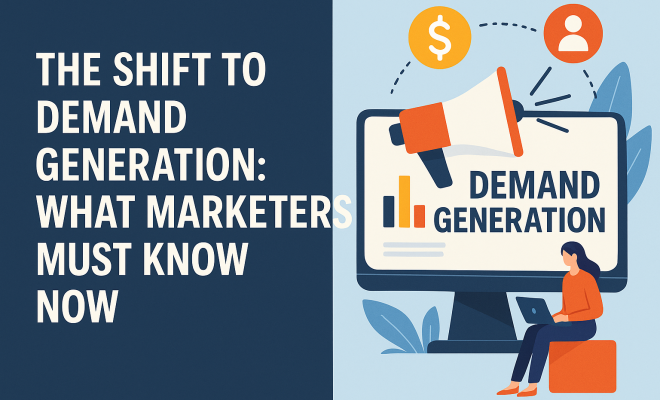
Google’s Demand Gen Campaigns: A Marketer’s Essential Guide
“`html
The landscape of digital advertising is changing rapidly, and if you’re not paying attention, you might just miss the next big wave. Enter demand generation campaigns, a term that’s gaining traction as Google transitions its Display Ads to this new platform. This shift signifies a profound evolution in how marketers engage with audiences, especially across high-impact surfaces like YouTube, Gmail, and the Google Discover feed. In this article, we’ll explore what demand generation campaigns are, why they matter, and how you can adapt your strategies to leverage this groundbreaking approach.
Understanding Demand Generation Campaigns
At its core, a demand generation campaign is designed to create awareness and interest in your product or service, ultimately driving engagement and action. Unlike traditional methods that prioritize conversions, demand generation focuses on nurturing potential customers through creative testing and targeted outreach across various platforms. Google’s Demand Gen campaigns aim to tap into over 3 billion monthly active users and more than 50 billion daily views on YouTube Shorts alone.
This new approach offers marketers the chance to connect with audiences in innovative ways, using captivating content to spark interest and encourage interaction. By leveraging platforms where users are already consuming content, businesses can enhance their visibility and relevance in a crowded market.
The Role of Google in Shaping Demand Generation
Google’s decision to shift its Display Ads to a demand generation framework marks a significant pivot in its advertising strategy. The company recognizes that advertisers need more than just a broad reach; they require tools that enable them to engage effectively with their target demographics. With the integration of demand generation campaigns, Google provides advertisers with advanced targeting options, allowing them to reach specific audiences based on their interests and behaviors.
This transition is not just a minor update; it’s a response to changing consumer habits, particularly the rise of short-form video content and the increasing importance of platforms like YouTube. Marketers who wish to remain competitive must adapt to these developments or risk becoming irrelevant.
Key Features of Demand Generation Campaigns
Demand generation campaigns come packed with several features designed to maximize their effectiveness. First, they prioritize creative testing. This aspect allows marketers to experiment with various creative assets—be it videos, images, or texts—to determine what resonates best with their audience.
Second, these campaigns are optimized for high-traffic areas where users spend their time. YouTube, Discover, and even Gmail are prime locations for reaching potential customers. The ability to showcase content in these spaces can significantly elevate brand visibility.
Finally, demand generation campaigns employ sophisticated audience targeting, enabling advertisers to reach users based on specific interests and behaviors. This precise targeting means better engagement rates and a higher likelihood of converting interest into action.
Why the Shift Matters
The transition to demand generation campaigns is not merely a marketing strategy; it’s a response to an evolving digital ecosystem. Traditional advertising methods that focused primarily on conversions are becoming less effective as consumers demand more meaningful interactions with brands.
Today’s consumers are inundated with ads, and they’ve become skilled at filtering out messages that don’t appeal to them. Demand generation campaigns, with their emphasis on creative testing and engagement, offer a way for brands to break through the noise. This shift is marked by a growing need for businesses to focus on building relationships rather than just pushing for immediate sales.
The Impact on Marketing Strategies
As demand generation campaigns become more prevalent, marketers must reevaluate their existing strategies. One immediate consideration is the balance between direct response marketing and brand building. While immediate sales are essential, brands must also invest in creating a memorable presence that encourages long-term loyalty. (See: Digital marketing overview.)
Marketers should consider integrating demand generation strategies with their existing campaigns. This might include using data-driven insights to craft more personalized content, leveraging creative testing to find the most effective messaging, or utilizing high-impact surfaces to reach audiences in new ways.
Furthermore, the integration of storytelling into these campaigns can enhance emotional connections with audiences, making them more likely to engage with the brand over time.
Challenges Marketers Face with Demand Generation
While the benefits of demand generation campaigns are clear, it’s essential to acknowledge the challenges that come with this shift. First and foremost, adapting to a new advertising framework can be daunting. Marketers may find themselves grappling with unfamiliar tools and strategies, requiring time and resources to become proficient.
Additionally, with demand generation campaigns placing a premium on creative content, brands might feel pressured to produce high-quality assets consistently. This can strain smaller teams with limited resources, pushing them to be more innovative and efficient.
Moreover, measuring the success of these campaigns can be complex. Unlike traditional metrics focused on immediate sales, demand generation campaigns require a more nuanced approach to analytics, tracking engagement, and customer interactions over time.
Best Practices for Implementing Demand Generation Campaigns
To effectively implement demand generation campaigns, marketers should consider adopting several best practices. First, invest in quality content creation. Whether it’s video, graphics, or text, ensure the content is engaging and resonates with your target audience.
Second, make use of analytics and data to inform your strategies. By understanding which types of content drive engagement and conversions, you can tailor your campaigns to maximize effectiveness.
Third, incorporate audience feedback into your campaigns. Engaging with your audience through surveys, social media, or user-generated content can provide valuable insights that help refine your approach.
The Future of Demand Generation Campaigns
Looking ahead, the demand for effective demand generation campaigns is likely to grow. As more marketers recognize the importance of engagement over simple conversions, we can expect to see an evolution in how brands communicate with their audiences.
New technologies like AI and machine learning are poised to play a significant role in the future of demand generation. These tools can enhance targeting capabilities, optimize creative assets in real-time, and provide predictive analytics that inform campaign strategies.
As demand generation campaigns continue to evolve, brands that stay ahead of the curve and adapt their strategies will be well-positioned to thrive in a competitive digital landscape.
Examples of Successful Demand Generation Campaigns
To illustrate the effectiveness of demand generation campaigns, let’s look at a few real-world examples. A well-known case is that of a prominent tech company that launched a demand generation campaign around a new software product. They created high-quality video content showcasing the software’s unique features, shared through YouTube and social platforms. This approach not only raised awareness but also led to a significant increase in trial sign-ups, demonstrating how engaging content can drive interest and engagement.
Another example is a retail brand that used personalized email campaigns to nurture leads. By segmenting their audience based on shopping behavior and preferences, they crafted tailored messages that resonated with each segment. The result was a noticeable lift in click-through rates and conversions, proving that personalized outreach is a powerful tool in demand generation. (See: Health behaviors and marketing.)
Statistics Supporting Demand Generation Strategies
It’s crucial to back up your strategies with data. According to recent studies, 66% of marketers believe that demand generation campaigns are essential for their business growth. Additionally, companies that excel at lead nurturing generate 50% more sales-ready leads at 33% lower cost. These statistics underscore the importance of investing in demand generation as a long-term strategy for success.
Expert Perspectives on Demand Generation Campaigns
Industry experts have weighed in on the effectiveness of demand generation campaigns. Marketing thought leader Neil Patel emphasizes that “demand generation is about building relationships, not just pushing sales.” This perspective highlights the need for brands to prioritize their customers’ journey and create experiences that foster loyalty over time.
Likewise, marketing strategist Ann Handley notes that “the future of marketing lies in storytelling.” She argues that brands that can weave compelling narratives into their campaigns are more likely to capture the attention and hearts of consumers. This insight aligns with the idea that demand generation should focus on engagement and connection.
Frequently Asked Questions About Demand Generation Campaigns
What is the primary goal of demand generation campaigns?
The primary goal of demand generation campaigns is to create awareness and interest in a product or service, nurturing potential customers through engaging content that encourages interaction and action.
How do I measure the success of a demand generation campaign?
Success can be measured using a combination of metrics, including engagement rates, click-through rates, lead generation, and overall conversion rates. It’s important to focus on long-term metrics rather than immediate sales alone.
What platforms are best for running demand generation campaigns?
High-traffic platforms like YouTube, Gmail, and Google Discover are ideal for running demand generation campaigns, as they allow brands to reach users where they are already consuming content.
Can small businesses benefit from demand generation campaigns?
Absolutely! Small businesses can leverage demand generation campaigns to build brand awareness and engage with their target audience effectively, even with limited budgets.
What types of content are effective in demand generation campaigns?
Effective content includes informative blogs, engaging videos, eye-catching graphics, and interactive social media posts. The key is to create content that resonates with your audience and encourages engagement.
How can I integrate demand generation with existing marketing strategies?
You can integrate demand generation by using data-driven insights to personalize content, employing creative testing to refine messaging, and focusing on building relationships through storytelling in your existing marketing efforts. This builds on YouTube optimization strategies.
Case Studies Highlighting Demand Generation Success
To showcase the effectiveness of demand generation campaigns further, consider the following case studies. Each demonstrates how brands can effectively engage their audience and drive results. (See: Google's advertising evolution.)
Case Study: A Health and Wellness Brand
A health and wellness brand sought to increase awareness for its new line of organic supplements. They opted for a demand generation approach by creating a series of educational videos discussing the benefits of each ingredient. These videos were distributed via social media platforms and targeted ads on YouTube. The campaign resulted in a 200% increase in website traffic and a 75% rise in newsletter subscriptions. By prioritizing educational content that resonated with health-conscious consumers, the brand established credibility and trust.
Case Study: An E-commerce Clothing Retailer
An e-commerce clothing retailer implemented a demand generation campaign by launching a seasonal style guide in the form of interactive content. Users could select their body type and receive personalized wardrobe suggestions, complete with links to buy the items featured. The campaign was promoted through Instagram ads and influencer partnerships. Following this, the retailer reported a 150% increase in engagement and a significant uptick in conversion rates, proving the effectiveness of personalized content strategies in driving sales.
Challenges and Solutions in Demand Generation Campaigns
While demand generation campaigns can lead to significant results, they also present unique challenges. Here, we’ll explore some common obstacles marketers face and how to overcome them.
Challenge: Resource Constraints
Many businesses, particularly small ones, struggle with limited marketing budgets and personnel. Demand generation campaigns often require high-quality content and ongoing management. To mitigate this, brands can consider partnering with freelancers or agencies for content creation. Utilizing marketing automation tools can also help streamline campaign management, allowing smaller teams to execute complex strategies without overwhelming their resources.
Challenge: Analyzing Data Effectively
With demand generation campaigns, the volume of data generated can be overwhelming. Marketers may struggle to make sense of which metrics are most important. To address this, start by defining clear KPIs that align with campaign goals. Use analytics tools to visualize data, making it easier to identify trends and insights. A/B testing can also provide direct feedback on what content is performing best, which can guide future efforts.
Challenge: Staying Relevant
The digital landscape changes rapidly, and what works today may not work tomorrow. To stay relevant, brands should invest in ongoing market research to understand their audience’s evolving preferences. Engaging with customers through social media and feedback loops can provide insights into what types of content they find engaging. Additionally, keeping an eye on industry trends and competitor strategies can help brands adapt their approaches accordingly.
Conclusion: Embracing the Change
In the rapidly evolving world of digital marketing, embracing change is essential. Demand generation campaigns represent a significant shift in how businesses must approach their advertising strategies. By focusing on engagement and creative testing, marketers can create a more meaningful connection with their audiences.
As the digital landscape continues to shift, staying informed and adaptable will be your best assets. Don’t let the opportunity to engage with your audience pass you by—get ready to dive into demand generation campaigns and watch your brand grow.
“`
Trending Now
- our breakdown of free guide to using wild symphony in your classroom
- “Social Learning Theory vs. Behaviorism: Understanding…
- this guide on “understanding nonverbal communication in children: reading body language and facial expressions”
- “Executive Function Skills in Children: A Complete Guide for Parents and Teachers”
Frequently Asked Questions
What are demand generation campaigns?
Demand generation campaigns are marketing strategies aimed at creating awareness and interest in a product or service. Unlike traditional campaigns that focus on immediate conversions, they nurture potential customers through engaging content and targeted outreach across various platforms.
How do demand generation campaigns differ from traditional marketing?
Demand generation campaigns prioritize building relationships and engagement over immediate sales. They focus on nurturing leads through creative content and targeted outreach, while traditional marketing often emphasizes direct conversions and immediate results.
Why is Google shifting to demand generation campaigns?
Google is shifting to demand generation campaigns to provide advertisers with advanced targeting options and enable more effective engagement with specific audiences. This strategy reflects a need for deeper connections with users rather than just broad reach.
What platforms are best for demand generation campaigns?
Demand generation campaigns thrive on platforms where users actively consume content, such as YouTube, Gmail, and Google Discover. These high-impact surfaces allow marketers to connect with audiences effectively and enhance visibility.
How can marketers adapt to demand generation strategies?
Marketers can adapt to demand generation strategies by focusing on creative content that engages potential customers, utilizing advanced targeting options, and nurturing leads through personalized outreach across various digital platforms.
Agree or disagree? Drop a comment and tell us what you think.