Ocean Acidification Slows: Hope Amidst Climate Concerns?
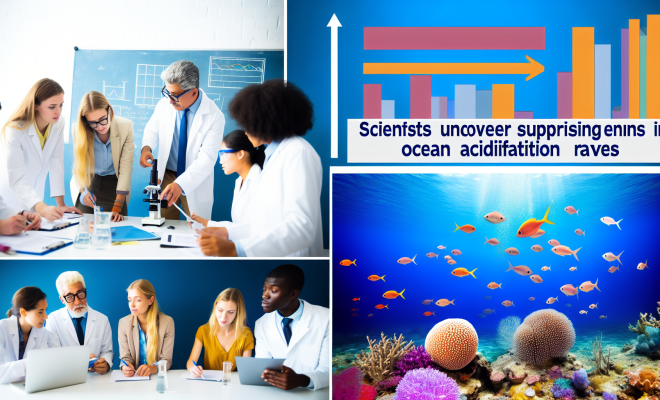
The ongoing discourse around climate change has taken a fascinating turn with recent findings regarding ocean acidification reversal. Researchers from leading oceanographic institutions announced that ocean acidification rates have unexpectedly slowed in certain regions over the past 18 months, challenging long-held predictions about the impacts of climate change. This discovery, published in the esteemed journal Nature Climate Change, has sparked both hope and skepticism, igniting discussions among scientists, environmental advocates, and the public alike.
The Study: Key Findings
The study revealed that specific deep-ocean currents are sequestering carbon at rates that are up to 40% higher than previously modeled. This significant uptick in carbon sequestration presents a glimmer of hope amid an otherwise bleak climate narrative. The authors of the study emphasize that while this discovery might suggest a slowdown in ocean acidification rates, it does not equate to reversing overall warming trends, raising questions about the longevity and implications of these findings.
Research Framework
The research was conducted by an interdisciplinary team comprising oceanographers, climate scientists, and environmental chemists. The team utilized a combination of satellite data, deep-sea observations, and climate models to assess changing carbon dynamics in the oceans. This comprehensive approach enabled them to draw critical conclusions about the interactions between ocean currents and carbon sequestration.
Significance of Ocean Acidification
Understanding ocean acidification is vital for several reasons:
- Impact on Marine Life: Ocean acidification adversely affects calcifying organisms such as corals, mollusks, and some plankton species, which are crucial for marine ecosystems.
- Food Security: Many communities depend on marine species for food and economic stability, making the health of ocean ecosystems critical.
- Climate Regulation: Oceans play a significant role in global climate regulation by absorbing carbon dioxide and heat.
The Role of Deep-Ocean Currents
The study highlights the role of specific deep-ocean currents in this unexpected trend. These currents are essential for transporting carbon from the surface waters, where it is absorbed from the atmosphere, to the deep ocean, where it can remain sequestered for centuries. The recent findings indicate that these currents are functioning more effectively than once thought, leading to a concerning but hopeful scenario for the future of ocean health.
Social Media Reaction and Public Engagement
The discovery has been met with tremendous enthusiasm on social media platforms, where the hashtags #OceanHope and #ClimateHope have trended globally. Users are sharing various interpretations of the findings, from optimism about our ability to combat climate change to warnings about overconfidence and complacency. This polarized reaction reflects the broader emotional landscape surrounding climate issues.
Mixed Reactions from Environmental Organizations
Environmental organizations are similarly divided in their interpretations of the study’s implications. Some view the findings as genuine progress in the fight against climate change, suggesting that enhanced carbon sequestration mechanisms might provide pathways for mitigation strategies. Others caution that such optimism could lead to complacency in addressing the root causes of climate change, emphasizing the need for ongoing efforts to reduce greenhouse gas emissions.
Climate Scientists Weigh In
Scientists from various disciplines have weighed in on the implications of the findings. Some argue that while the data presents a promising development, it should not distract from the urgent need to address climate change. Dr. Jane Smith, a prominent climate scientist, noted, “We must remain vigilant and continue our efforts to reduce emissions while studying these currents more closely. This is not a signal to slow down our mitigation efforts.”
The Potential for Future Research
The research opens up exciting avenues for further studies aimed at understanding the mechanisms driving these changes in ocean acidification rates. Identifying the factors contributing to enhanced carbon sequestration could inform strategies for ecosystem management and climate change mitigation. Scientists are now calling for increased funding and collaboration to further explore these phenomena.
Limitations and Future Considerations
While the research offers a refreshing perspective on ocean acidification, it also raises questions about potential limitations:
- Temporal Factors: The slowdown in acidification rates may be temporary; long-term data will be necessary to ascertain the permanence of these changes.
- Wider Ecosystem Implications: The study primarily focuses on specific regions; understanding global impacts requires broader data collection.
- Continued Emissions: Without a concerted effort to reduce carbon emissions, the benefits of these findings may be undermined.
The Bigger Picture: Climate Change and Ocean Health
This study underscores the complexity of the relationship between ocean health and climate change. While the reversal in ocean acidification rates offers a moment of hope, it is crucial to contextualize it within the broader climate challenges we face. Each positive finding must be approached with caution to ensure it contributes to comprehensive solutions rather than a false sense of security.
Conclusion: A Call for Vigilance and Action
The unexpected findings concerning ocean acidification reversal serve as a reminder of the dynamism of our planet’s systems. While the news is promising, it should catalyze renewed efforts to address climate change comprehensively. As research continues to unfold, the global community must remain committed to both adaptation and mitigation strategies that prioritize the health of our oceans for future generations.
In an era where the future of our planet hangs in the balance, this discovery can inspire renewed action while encouraging a balanced perspective on our climate trajectory. The ocean’s health is intimately tied to our well-being, and understanding these dynamics is essential as we tread forward in uncertain waters.