Google Engineer Rejected by Startup Over Low CGPA
“`html
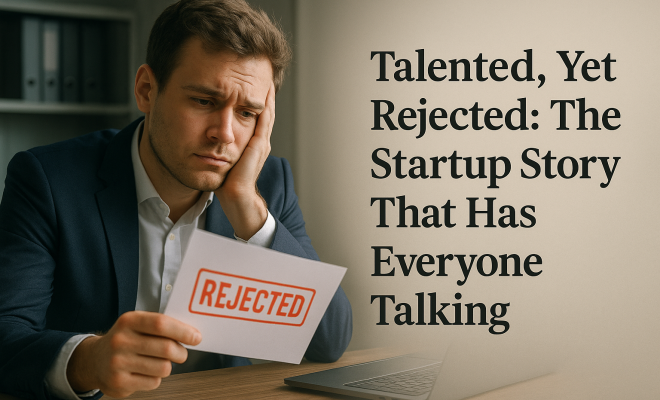
Picture this: you’re a software engineer at Google, with a wealth of experience and technical skills under your belt. You’ve tackled high-pressure projects, collaborated with some of the best minds in the industry, and yet, you find yourself rejected by a startup simply because of a low CGPA. Sounds unbelievable, right? This scenario recently fueled a heated discussion online, highlighting the contentious dynamics of hiring practices in the startup world. This incident, which began as an Instagram reel, has sparked debates that resonate with many aspiring professionals and job seekers.
The Incident That Ignited Debate
A recent Instagram reel shared by a prominent account brought to light the story of a Google software engineer from an ATL background who was denied a position at a startup due to a perceived lack of academic credentials—specifically, a low CGPA. While this might seem like an isolated case, it reflects a broader trend in hiring practices that many job seekers face, especially in the tech industry. The clip quickly went viral, with thousands engaging in discussions about the fairness of such decisions.
Understanding the Context of Startup Rejection Stories
In the world of startups, rejection stories can often carry a heavy emotional weight. They tap into deep-seated fears among job seekers regarding the validity of their hard work, skills, and experiences. For many, traditional academic metrics like CGPA do not necessarily reflect their capabilities or potential. The story of the Google engineer serves as a compelling example of the friction between traditional hiring criteria and the evolving landscape of talent acquisition.
The Role of CGPA in Modern Hiring Practices
CGPA, or Cumulative Grade Point Average, has long been a staple in the hiring process, especially among companies looking for fresh graduates. But how relevant is it in the tech industry today?
While academic achievements can provide a glimpse into a candidate’s dedication and intellectual aptitude, relying solely on CGPA can be detrimental. A low CGPA does not account for a candidate’s hands-on experience, problem-solving abilities, or creativity—all of which are critical in a startup environment. The dismissal of the Google engineer’s application based on this metric begs the question: are startups losing out on top talent by clinging to outdated hiring practices?
The Psychological Impact on Job Seekers
The rejection faced by the Google engineer is not just a statistic; it represents a real emotional toll on job seekers. The anxiety of not being seen for one’s true worth can be paralyzing. Many individuals invest years into their education and professional development only to be sidelined by arbitrary benchmarks. This creates a feeling of helplessness and can lead to a sense of inadequacy, especially in a competitive field like technology.
The anxiety surrounding career prospects is exacerbated when stories like this circulate. Aspiring engineers may begin to question whether their hard work will ever be recognized or if they will always be judged against a GPA, regardless of their skills or experience.
Startup Gatekeeping: A Double-Edged Sword
Startups often pride themselves on fostering innovation and creativity, yet they can also be notoriously selective in their hiring processes. The concept of gatekeeping comes into play here. Founders may feel compelled to lean on academic credentials to validate their hiring decisions, particularly when they seek assurance in a high-stakes environment.
This reliance on traditional credentials, however, can be paradoxical. Startups that thrive on innovation often need talent that can think outside the box, yet they might overlook those who don’t fit the conventional mold. In the case of the Google engineer, the startup missed an opportunity to bring a wealth of experience and a fresh perspective to their team.
The Meritocracy Myth
One of the more contentious aspects of hiring practices is the idea of meritocracy—the belief that anyone can succeed based solely on their merits and abilities. The incident with the Google engineer challenges this notion. If merit is measured by academic performance alone, then true meritocracy remains elusive. (See: startup hiring practices and trends.)
Consider this: many successful entrepreneurs and tech leaders did not finish college or struggled academically. By relying on traditional metrics, startups may inadvertently reinforce a narrow definition of success that overlooks diverse paths to achievement. This not only undermines the spirit of startup culture but also limits the talent pool from which they can draw.
Real-World Examples of Startup Rejections
The tech world is rife with stories of talented individuals facing rejection due to arbitrary criteria. Consider the case of renowned entrepreneur and investor Elon Musk, who faced numerous rejections early in his career, despite compelling ideas and a strong work ethic. His eventual success serves as a reminder that initial failures do not define potential.
Similarly, consider the story of a software developer who was rejected by multiple startups due to their lack of a formal degree. Eventually, they landed a job at a non-profit that valued their innovative approach over their academic credentials, going on to develop software that significantly improved operational efficiency. These narratives serve to illustrate that startup rejection stories often have unexpected twists, revealing that perseverance and skill can eventually lead to success, even when traditional measures dictate otherwise.
Breaking Down the Barriers
What can be done to shift the narrative and ensure that hiring practices in startups become more equitable? Some companies are already taking steps in this direction. A growing number of tech firms are opting for skills-based assessments, coding challenges, and real-world problem-solving tests that allow candidates to showcase their abilities beyond their academic records.
Moreover, implementing blind recruitment processes—where personal information such as names and educational backgrounds are anonymized—can help level the playing field. By focusing on a candidate’s skills and experiences, rather than their academic history, startups can better identify the talent that will drive their success.
The Future of Hiring in Startups
As the startup ecosystem continues to evolve, there lies a significant opportunity to reshape hiring practices. By embracing a broader definition of talent, startups can not only attract the best candidates but also foster a more inclusive and diverse workplace. This shift benefits not only the companies themselves but also the industry at large, promoting innovation and creativity.
The story of the Google engineer is but one example in a sea of startup rejection stories that highlight the pressing need for change in hiring practices. It serves as a catalyst for discussion, urging founders and hiring managers to rethink their criteria and prioritize skills over superficial metrics.
Encouraging Transparency and Dialogue
To tackle the challenges posed by traditional hiring criteria, fostering an environment of transparency and dialogue is essential. Startups should encourage open discussions around their hiring processes, inviting feedback from candidates and employees alike. This not only helps to identify potential biases but also promotes a culture of continuous improvement.
Moreover, sharing stories of rejection and success can help demystify the hiring process. When job seekers see that others have faced similar challenges and ultimately triumphed, it can provide motivation and hope. It reinforces the idea that rejection is not a reflection of one’s worth but rather a step in the journey toward success.
Startup Rejection Stories: Statistics and Trends
To better understand the landscape of startup rejection stories, let’s look at some statistics. Recent surveys indicate that around 70% of job applicants experience rejection at some point in their careers. In the tech sector, this number can be even higher, with many candidates facing multiple rejections before landing a job.
Interestingly, a study by Glassdoor found that companies that use a more transparent hiring process see a significant decrease in candidate rejection rates. In fact, firms that adopted skills-based assessments reported a 40% increase in successful hires. These figures suggest that startups willing to innovate their recruitment processes stand to benefit from a richer pool of talent. (See: importance of GPA in hiring.)
Expert Perspectives on Hiring Practices
Industry experts have begun to weigh in on the conversation surrounding startup hiring practices. According to Dr. John Sullivan, a well-known HR thought leader, “The tech industry is at a crossroads. Companies that cling to outdated hiring metrics are missing out on a wealth of talent that could drive their businesses forward.”
Similarly, Clara Rattner, a startup advisor, emphasizes the importance of practical experience. “Skills and experience should be the primary drivers of hiring decisions, especially in fast-paced environments. Startups need adaptable thinkers who can pivot quickly, not just GPA-analyzers.”
Comparing Successful Startups With Traditional Hiring Practices
Some successful startups have already redefined their hiring processes to attract top talent without relying heavily on traditional metrics. Companies like Buffer and GitHub have implemented transparent hiring practices, showcasing their commitment to diversity and inclusion.
At Buffer, for instance, candidates are evaluated based on their skills and cultural fit rather than their academic background. This approach has enabled Buffer to build a highly diverse team, fostering a culture of innovation and creativity.
GitHub similarly emphasizes practical skills through coding challenges and real-world scenario assessments. By prioritizing what candidates can do over where they went to school, GitHub has established itself as an employer of choice in the tech industry.
Addressing Common Misconceptions
Many people hold preconceived notions about what it takes to succeed in tech, often tying success to prestigious educational backgrounds or high GPAs. Let’s clear up some misconceptions:
- Myth 1: High GPA equals high performance in the workplace.
- Myth 2: A prestigious degree guarantees job security.
- Myth 3: Only those with formal education are tech-savvy.
These myths can lead to an exclusionary culture where talented individuals are overlooked based on criteria that don’t accurately depict their capabilities. By debunking these misconceptions, we can create a more inclusive hiring environment.
Frequently Asked Questions (FAQ)
What are startup rejection stories?
Startup rejection stories are narratives shared by job seekers who have faced rejection from startups, often highlighting the reasons behind their rejection, such as academic metrics or unconventional backgrounds.
Why are traditional metrics like CGPA often criticized?
Traditional metrics like CGPA are criticized because they don’t necessarily reflect a candidate’s real-world skills, creativity, or potential to contribute meaningfully to a startup. Many believe that practical experience and problem-solving abilities are better indicators of success.
How can startups improve their hiring practices?
Startups can improve their hiring practices by adopting skills-based assessments, implementing blind recruitment processes, and fostering open dialogues about their hiring criteria. This approach helps to reduce biases and attract a diverse range of candidates. (See: impact of academic credentials on employment.)
What impact does rejection have on job seekers?
Rejection can have a significant emotional toll on job seekers, often leading to feelings of inadequacy and anxiety about their career prospects. It’s essential for candidates to understand that rejection is a common part of the job search process and doesn’t define their worth.
Can a startup succeed without relying heavily on academic credentials?
Absolutely! Many successful startups have built their teams by prioritizing skills and practical experience over academic credentials. This approach often leads to a more innovative and adaptable workforce.
What can startups do to create a more inclusive hiring process?
To create a more inclusive hiring process, startups can implement initiatives such as training for hiring managers on unconscious bias, establishing diversity hiring goals, partnering with organizations that support underrepresented groups, and actively soliciting feedback from candidates about their experiences.
Are there any successful founders who faced rejection before achieving success?
Yes, numerous well-known founders faced rejection before finding success. For example, Reid Hoffman, co-founder of LinkedIn, experienced rejection from multiple companies before launching his successful venture. Similarly, Jack Ma, founder of Alibaba, was turned down by several jobs and faced numerous failures before achieving his entrepreneurial dreams.
What role does social media play in discussing startup rejection stories?
Social media serves as a powerful platform for sharing startup rejection stories, allowing individuals to connect over shared experiences and creating communities of support. These platforms also amplify discussions regarding hiring practices, making it easier for job seekers to voice their concerns and for companies to address them.
Conclusion: Redefining Success in the Startup World
The story surrounding the Google engineer’s rejection is a powerful reminder of the ongoing struggles within the hiring landscape. As talent acquisition practices evolve, startups have the unique opportunity to redefine success and prioritize the skills and qualities that truly drive innovation.
Ultimately, by moving beyond traditional metrics like CGPA and embracing a more holistic view of candidates, startups can cultivate a workforce rich in diverse talents, perspectives, and experiences. The future of hiring should not be confined to outdated norms; instead, it should celebrate the unique journey each candidate brings to the table. In a world where startup rejection stories abound, let’s strive for a culture that elevates talent over tradition.
“`
Trending Now
- 15 Read-Alouds That Make Teachers Cry…
- our breakdown of “using bloom’s taxonomy to write better learning objectives for lesson plans”
- read the full story
- this guide on “piaget’s conservation tasks: simple activities to assess your preschooler’s cognitive development”
- our breakdown of “proprioception activities for kids: 25 sensory diet ideas to improve body awareness”
Frequently Asked Questions
Why do startups reject candidates based on CGPA?
Startups often prioritize academic metrics like CGPA as a way to filter candidates, assuming it reflects their abilities and work ethic. However, many argue that this practice overlooks the practical skills and experiences that are crucial in the tech industry.
What impact does a low CGPA have on job applications?
A low CGPA can significantly hinder job applications, especially in competitive fields like tech, where companies may use academic performance as a primary filtering criterion. This can lead to the rejection of talented individuals with strong technical skills.
Are traditional hiring practices changing in the tech industry?
Yes, there is a growing debate about the relevance of traditional hiring practices, such as using CGPA as a key metric. Many argue for a more holistic approach that considers skills, experience, and potential rather than just academic achievements.
How can job seekers overcome CGPA-related rejections?
Job seekers can focus on showcasing their practical skills, project experiences, and personal achievements in their resumes and interviews. Networking and referrals can also help bypass traditional hiring criteria based on CGPA.
What sparked the recent debate about hiring practices in startups?
The debate was ignited by a viral Instagram reel featuring a Google engineer who was rejected by a startup due to a low CGPA. This story resonated with many, highlighting the disconnect between academic performance and actual job capabilities in the tech industry.
What’s your take on this? Share your thoughts in the comments below — we read every one.