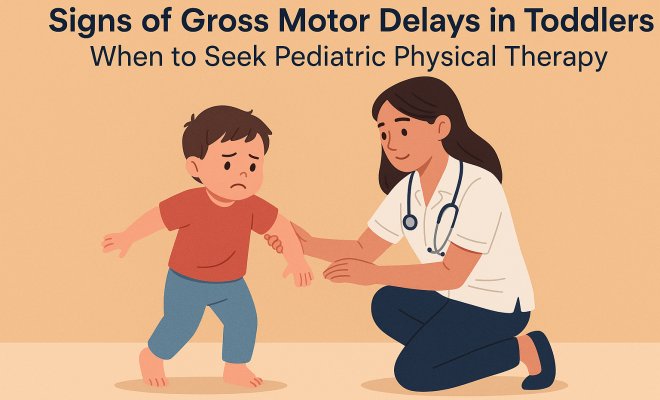
Gross Motor Delays in Toddlers: When to Seek Pediatric PT
“`html
Understanding Gross Motor Skills
Gross motor skills are the foundational movements that allow toddlers to engage with their environment. These skills involve the large muscles of the body, enabling actions like crawling, walking, jumping, and climbing. As children progress through their development stages, these skills become increasingly refined. By the time they reach the age of three, most toddlers can run, climb, and kick a ball. However, each child develops at their own pace, and while some may be ahead, others might lag behind, leading to concerns about gross motor delays in toddlers.
The Importance of Early Intervention
Early intervention is crucial for addressing gross motor delays. The earlier a child receives help, the better their chances of catching up with their peers. Delays can lead to further complications in social, emotional, and cognitive development. Studies show that toddlers who receive appropriate physical therapy can significantly improve their motor skills and overall quality of life. Recognizing the signs early can make all the difference in a child’s developmental journey.
Recognizing the Signs of Gross Motor Delays
Identifying gross motor delays in toddlers is essential for timely intervention. Parents and caregivers should be aware of specific milestones to monitor. Here are some key signs that may indicate a gross motor delay:
- Inability to Sit Up: By six months, most children can sit up without support. If a child is unable to achieve this milestone, it may indicate a delay.
- Delayed Crawling: Crawling typically begins between 6 to 10 months. If a toddler isn’t crawling or shows very little movement, this could be a sign of concern.
- Difficulty Walking: By 12 months, most toddlers can walk while holding onto furniture. If a child isn’t making attempts to stand or walk by this age, it warrants further evaluation.
- Limited Coordination: Toddlers should be able to perform actions like throwing a ball or kicking by 18 months. Difficulty in these activities may signal a delay.
- Poor Balance: If a toddler frequently tumbles or falls during play, it may indicate that their balance and coordination are not developing as expected.
- Low Muscle Tone: A lack of muscle tone can prevent a child from achieving gross motor milestones. If a toddler seems floppy or lacks strength, it may be a red flag.
- Excessive Stiffness: Conversely, some children might exhibit stiffness that limits their movements. This rigidity can hinder their ability to crawl, walk, or run.
- Lack of Interest in Movement: If a toddler shows little interest in exploring their environment or engaging in physical activities, this might indicate a delay.
Common Causes of Gross Motor Delays
Understanding the potential causes of gross motor delays is essential for parents. Various factors can contribute to these delays, including:
- Genetic Factors: Some children have a family history of developmental delays or motor skill issues, which can increase their risk.
- Premature Birth: Children born prematurely may be at a higher risk for developmental delays due to their early arrival and potential health complications.
- Neurological Issues: Conditions affecting the brain and nervous system, such as cerebral palsy or muscular dystrophy, can significantly impact gross motor skill development.
- Environmental Influences: A lack of opportunities for physical activity or play can hinder motor skill development. Children who spend more time in restrictive environments may not explore their physical capabilities.
- Health Conditions: Medical conditions such as vision or hearing impairments can indirectly affect a child’s gross motor skills. If a child cannot see or hear properly, it can impact their ability to navigate their environment.
When to Seek Pediatric Physical Therapy
If you notice any signs of gross motor delays in toddlers, it’s essential to consult with a pediatrician. They can assess the child’s development and determine if physical therapy is necessary. Here are some indicators that may warrant a referral:
- Persistent Delay: If a child is significantly behind in reaching developmental milestones, a pediatric physical therapist can evaluate their condition and recommend an individualized plan.
- Injury or Trauma: If a child has experienced an injury that affects their movement, therapy can aid in recovery and help them regain strength and coordination.
- Medical Diagnosis: Children diagnosed with conditions affecting movement should begin therapy as early as possible to promote optimal development.
- Parental Concerns: If parents have ongoing concerns about their child’s movement patterns or abilities, it’s always best to consult a professional.
The Role of Pediatric Physical Therapy
Pediatric physical therapy plays a crucial role in helping toddlers with gross motor delays. Physical therapists use various techniques to improve a child’s mobility and strength, including:
- Targeted Exercises: Therapists will create a tailored exercise program that addresses a child’s specific challenges, focusing on building strength, coordination, and balance.
- Play-Based Therapy: Many therapists incorporate play into their sessions, making therapy enjoyable for the child while promoting physical skills.
- Family Education: Therapists provide guidance to parents on how to support their child’s development at home, offering strategies and activities to encourage movement and play.
- Adaptive Equipment: In some cases, therapists may recommend equipment such as walkers or braces to assist with mobility.
What to Expect During Therapy Sessions
Parents often wonder what a typical therapy session looks like. While each session is unique, it generally includes the following components: (See: Milestones for child development.)
- Assessment: The therapist will begin with a thorough assessment of the child’s abilities and challenges. This evaluation helps shape the therapy plan.
- Goal Setting: Together with the family, the therapist will set achievable goals based on the child’s current abilities and challenges.
- Engaging Activities: Sessions will include a mix of fun activities that target gross motor skills. Expect to see playtime incorporated into the therapy.
- Progress Monitoring: Therapists will regularly assess the child’s progress and adjust the therapy plan as needed to ensure optimal development.
Parental Involvement: A Key Component
Parents play an essential role in the success of physical therapy for gross motor delays in toddlers. Here are some ways you can support your child:
- Encourage Daily Activities: Engage your child in activities that promote movement, such as playing outside or participating in structured playgroups.
- Practice at Home: Use techniques and exercises recommended by the therapist during playtime at home to reinforce skills.
- Stay Informed: Ask the therapist questions and seek guidance about your child’s progress and what you can do to help.
- Be Patient: Development takes time, and progress may be slow. Celebrate small victories, and keep a positive outlook.
Success Stories: Overcoming Gross Motor Delays
Many children have successfully overcome gross motor delays through early intervention and therapy. Consider the case of Jacob, a three-year-old who struggled to walk independently. After several months of physical therapy, focusing on strength and balance exercises, Jacob took his first unassisted steps. His story is just one of many that highlight the importance of recognizing delays early and seeking help.
Understanding the Impact of Gross Motor Delays
Gross motor delays can have significant implications for a child’s overall development. Children with these delays may struggle not only with physical activities but also with social interactions and self-esteem. Being unable to keep up with peers during play can lead to feelings of frustration and isolation. Research indicates that children with gross motor delays often experience challenges in their emotional regulation, as they might feel less competent compared to their peers.
Additionally, these delays can affect a child’s cognitive development. Movement and exploration are closely tied to learning and understanding the world. For instance, a toddler who is unable to crawl may miss out on crucial experiences that promote spatial awareness and problem-solving skills. This can create a cycle where delays in gross motor skills lead to further delays in other developmental areas.
Statistics on Gross Motor Delays in Toddlers
Statistics can provide insight into how common gross motor delays are among toddlers. According to the CDC, approximately 15% of children between the ages of 1 and 3 exhibit developmental delays, with gross motor delays being one of the most prevalent types. A study published in the *Journal of Pediatrics* found that nearly 22% of toddlers who were born preterm experienced gross motor delays compared to just 5% of their full-term counterparts. Understanding these numbers helps underline the importance of monitoring development closely and seeking help when needed.
Expert Perspectives on Addressing Delays
Experts in child development emphasize the significance of early intervention. Dr. Rachel Stein, a pediatric physical therapist, notes, “The earlier we can identify and address gross motor delays, the more likely we are to see positive outcomes. Children are incredibly adaptable, and with the right support, they can often close the gap with their peers.” Her insights highlight the importance of proactive measures rather than reactive responses when it comes to developmental delays.
Additionally, child psychologist Dr. Mark Lopez adds, “Parents often need guidance on how to interact with their child during these formative years. Activities that promote movement and exploration should be encouraged, as they not only aid in physical development but also enhance cognitive and emotional growth.” This holistic approach is essential for addressing the multifaceted impacts of gross motor delays in toddlers. (See: Gross motor skills in children.)
Strategies for Supporting Gross Motor Development at Home
Supporting your toddler’s gross motor skills at home can be both fun and effective. Here are some strategies to consider:
- Outdoor Play: Take your child to parks or open spaces. Activities like climbing on playground equipment, running, or playing tag can stimulate gross motor development.
- Join a Toddler Class: Classes that focus on movement, such as toddler yoga or dance, can be beneficial. They provide structured opportunities to practice motor skills in a fun setting.
- Fine Motor Coordination: Activities such as building with blocks, playing with playdough, or engaging in art projects can enhance hand-eye coordination, which supports gross motor skills.
- Interactive Games: Incorporate games that require movement, such as Simon Says, or follow-the-leader games that encourage a variety of movements, from jumping to spinning.
- Routine Activities: Everyday tasks like helping with chores, climbing stairs, or even walking the dog can provide practical opportunities to strengthen gross motor skills.
Common Myths About Gross Motor Delays
There are several myths surrounding gross motor delays that can lead to misunderstanding and stigma. Addressing these myths can help parents feel more informed and empowered:
- Myth 1: All children develop at the same rate: In reality, children develop at different rates. What matters is that they progress in their own way and timeframe.
- Myth 2: Delays mean a child will never catch up: Many children with gross motor delays make significant progress with the right intervention and support, often catching up to their peers.
- Myth 3: Only physical issues are involved: Gross motor delays can be linked to various factors, including cognitive, emotional, and environmental influences, not just physical limitations.
- Myth 4: Therapy is only for severe cases: Early intervention can benefit all children with delays, regardless of severity. The sooner therapy begins, the better the outcomes.
Frequently Asked Questions (FAQ)
What are the typical milestones for gross motor skills in toddlers?
Gross motor skill milestones generally include rolling over by six months, sitting up independently by eight months, crawling by 10 months, standing with support by 12 months, and walking independently by 15 months. However, each child develops at their own pace, and slight variations are normal.
How can I assist my child at home with gross motor delays?
Encouraging play that involves movement is vital. Activities like dancing, playing catch, or obstacle courses can promote physical development. Engaging in everyday activities, such as climbing stairs or pushing a toy cart, can also help strengthen gross motor skills.
What should I do if I suspect my child has a gross motor delay?
If you suspect a delay, it’s important to consult your pediatrician. They may recommend a developmental assessment and can guide you on the next steps, including referrals to physical therapy if necessary.
Are gross motor delays permanent?
Many children with gross motor delays can significantly improve with early intervention and therapy. While some may have ongoing challenges, many can achieve age-appropriate skills and lead active lives. The key is early recognition and consistent support. (See: Child development and early intervention.)
What role does nutrition play in a child’s motor development?
Nutrition is vital for overall growth and development, including motor skills. A balanced diet that includes essential vitamins and minerals supports muscle development and energy levels necessary for physical activities. Foods rich in calcium, iron, and omega-3 fatty acids are particularly beneficial.
Can technology help with gross motor development?
Yes, technology can play a supportive role in gross motor development. Interactive apps and videos that encourage movement, such as dance or exercise programs designed for young children, can engage toddlers and motivate them to move. However, it’s important to balance screen time with active play.
How can I find a good pediatric physical therapist?
To find a reputable pediatric physical therapist, start by asking for referrals from your pediatrician or local health care providers. You can also seek recommendations from other parents or search online directories of licensed physical therapists that specialize in pediatric care.
The Path Forward
Understanding gross motor delays in toddlers is crucial for parents and caregivers. By being aware of the signs and seeking early intervention, you can provide the best possible support for your child. Remember, no two children develop at the same pace, and with the right help, many can catch up and thrive. If you have concerns about your child’s development, don’t hesitate to consult a healthcare professional. The sooner you act, the brighter the future can be for your little one.
“`
Trending Now
Frequently Asked Questions
What are the signs of gross motor delays in toddlers?
Signs of gross motor delays in toddlers include inability to sit up by six months, delayed crawling beyond 10 months, difficulty walking by 12 months, and limited coordination in activities like throwing a ball. Monitoring these milestones is essential for identifying potential delays early.
When should I be concerned about my toddler's motor skills?
You should be concerned if your toddler is not meeting key developmental milestones, such as sitting up by six months, crawling by ten months, or walking by twelve months. Early intervention is crucial for addressing any delays in gross motor skills.
How can I help my toddler with gross motor delays?
To help a toddler with gross motor delays, consider engaging them in play activities that promote movement, such as crawling through tunnels, climbing on soft play structures, or throwing balls. Consulting a pediatric physical therapist for personalized strategies can also be beneficial.
What role does early intervention play in gross motor delays?
Early intervention plays a critical role in addressing gross motor delays by providing timely support to improve a child's motor skills. Studies show that children who receive physical therapy early have better outcomes and can significantly enhance their overall quality of life.
What are gross motor skills and why are they important?
Gross motor skills are foundational movements involving large muscle groups, enabling toddlers to perform actions like crawling, walking, and jumping. They are vital for physical development and help children engage with their environment, affecting their social and cognitive growth.
What did we miss? Let us know in the comments and join the conversation.