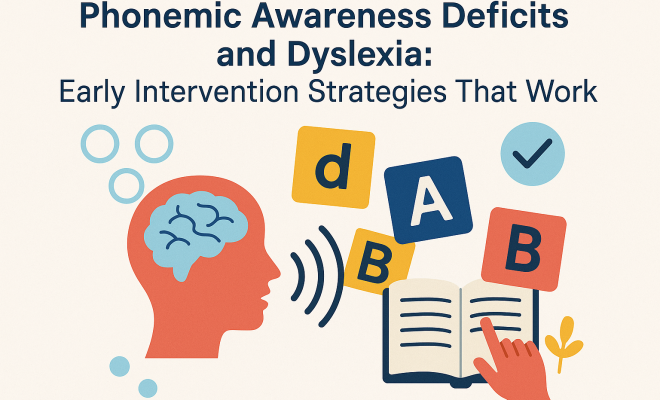
“Phonemic Awareness Deficits and Dyslexia: Early Intervention Strategies That Work”
“`html
When it comes to literacy, understanding the complex relationship between phonemic awareness and dyslexia is crucial. For many children and their families, dyslexia represents a profound challenge that can hinder academic success, self-esteem, and future opportunities. However, early identification and effective phonemic awareness dyslexia interventions can drastically change this narrative. This article will explore the nature of phonemic awareness deficits, their link to dyslexia, and actionable strategies to address these challenges.
What is Phonemic Awareness?
Phonemic awareness is a fundamental skill that involves the ability to recognize and manipulate the individual sounds, or phonemes, in spoken words. It goes beyond simply being able to hear sounds; it requires a conscious understanding that words are made up of distinct sounds that can be segmented, blended, and altered. This skill is essential for developing reading proficiency, as it lays the groundwork for phonics instruction, where learners connect sounds to letters.
In fact, research has shown that phonemic awareness is one of the best predictors of a child’s future reading success. Children who struggle with recognizing and manipulating sounds are at a heightened risk of encountering difficulties in reading, spelling, and writing.
Dyslexia: Understanding the Condition
Dyslexia is a specific learning disability that primarily affects reading and language processing. It is characterized by difficulties with accurate and/or fluent word recognition and by poor spelling and decoding abilities. The International Dyslexia Association defines it as a language-based disorder that affects the phonological component of language and is often unexpected in relation to other cognitive abilities.
Approximately 1 in 10 people exhibit signs of dyslexia, but the prevalence may be even higher when considering those who struggle with reading without a formal diagnosis. Early intervention is essential, as it can significantly mitigate the impact of dyslexia, enabling children to develop the skills necessary for academic success.
The Connection Between Phonemic Awareness and Dyslexia
Research indicates a strong correlation between phonemic awareness deficits and dyslexia. Many children diagnosed with dyslexia struggle with phonemic awareness tasks, such as identifying the number of sounds in a word or blending sounds to form words. This relationship highlights the importance of targeting phonemic awareness in interventions for children with dyslexia.
In practical terms, a child with dyslexia may find it challenging to decode words because they cannot easily separate or manipulate the sounds that compose those words. This difficulty can lead to frustration in reading tasks and can affect a child’s confidence and motivation in learning. Understanding this connection allows educators and parents to tailor interventions that focus on building these foundational skills.
Signs of Phonemic Awareness Deficits
Identifying phonemic awareness deficits early can greatly improve the chances of effective intervention. Here are some common signs that a child may be struggling:
- Difficulty rhyming words or recognizing rhyming patterns
- Challenges in breaking words into individual sounds (e.g., knowing that “cat” consists of /k/, /æ/, /t/)
- Inability to blend sounds together to form words (e.g., combining /b/, /æ/, /t/ to say “bat”)
- Struggles with spelling and writing even familiar words correctly
- Difficulty learning new vocabulary or recalling the sounds associated with letters
Recognizing these signs can prompt parents and educators to take action, guiding them towards appropriate interventions.
Effective Phonemic Awareness Dyslexia Interventions
Once phonemic awareness deficits are identified, implementing effective interventions becomes crucial. Here are several proven strategies:
1. Direct Instruction
Direct instruction is a structured approach to teaching phonemic awareness. This method involves explicit teaching of sound-letter relationships and may include using visual aids, manipulatives, and interactive activities. Programs like Wilson Reading System and Orton-Gillingham are well-established models that incorporate direct instruction to help children with dyslexia develop phonemic awareness. (See: Phonemic awareness and reading success.)
2. Multisensory Learning
Multisensory approaches combine visual, auditory, and kinesthetic learning styles to enhance learning. For example, using letter tiles or sandpaper letters allows children to see, hear, and feel the letters while practicing sounds. Activities like using clay to form letters or tracing letters in sand can create a rich learning environment that caters to different learning modalities.
3. Phoneme Isolation and Segmentation Activities
Engaging children in activities that focus on isolating and segmenting phonemes can strengthen their awareness. For instance, clapping hands for each sound in a word or using counters to represent sounds helps solidify their understanding. Games that involve identifying the first or last sound in a word can also be beneficial.
4. Rhyming Games
Rhyming is a fun way to develop phonemic awareness. Activities like singing songs, playing rhyming games, and reading rhyming books can expose children to sound patterns and encourage phonemic manipulation. These games make learning enjoyable while reinforcing important skills.
5. Sound Manipulation Exercises
Incorporating exercises that require children to manipulate sounds can enhance their phonemic skills. For example, ask a child to change the first sound in “cat” to create “bat” or to blend sounds to make words. These tasks can be both playful and educational, allowing children to engage with language dynamically.
The Role of Technology in Interventions
With advancements in technology, new tools have emerged to support phonemic awareness dyslexia interventions. Various apps and software programs offer interactive games and exercises designed to strengthen phonemic skills. Programs like ABCmouse and Reading Rockets provide engaging interfaces that make practice fun.
Moreover, online resources and platforms can connect families with educators and specialists, providing additional support and guidance. The integration of technology in phonemic awareness interventions opens up a world of possibilities for personalized learning experiences.
Creating a Supportive Home Environment
While school-based interventions are vital, cultivating a supportive home environment is equally important for children with dyslexia. Parents can take numerous steps to encourage phonemic awareness at home:
- Read aloud regularly to expose children to rich language and diverse sounds.
- Incorporate phonemic awareness games into daily routines, such as during car rides or while cooking.
- Limit screen time and encourage interactive play that fosters language development.
- Model positive attitudes towards reading and learning to build confidence.
By actively engaging in their child’s literacy journey, parents can significantly enhance the effectiveness of phonemic awareness dyslexia interventions.
The Importance of Early Intervention
Timing is everything when it comes to phonemic awareness dyslexia interventions. Research consistently shows that early intervention significantly improves outcomes for children with dyslexia. The earlier a child receives targeted support, the greater the chance of overcoming reading difficulties.
Effective early intervention can lead to measurable improvements in literacy skills, academic performance, and self-efficacy. Conversely, delaying intervention can result in wider gaps in reading proficiency, emotional challenges, and increased frustration for the child.
Collaboration Between Educators and Specialists
Collaboration is key in implementing phonemic awareness dyslexia interventions effectively. Educators, special education teachers, and reading specialists should work together to create a comprehensive approach to address the unique needs of each student.
Regular communication, shared resources, and collaborative planning can help ensure that all parties involved are aligned in their efforts. By pooling expertise and insights, educators can formulate targeted strategies that cater to the diverse challenges faced by students with dyslexia. (See: Understanding learning disabilities.)
Addressing Common Misconceptions About Dyslexia
There are various misconceptions surrounding dyslexia and phonemic awareness that can hinder effective intervention. Understanding these misconceptions is essential for educators and parents alike:
- Myth 1: Dyslexia is just a problem with reading. Many people think dyslexia only affects reading skills. In reality, it can impact spelling, writing, and even math skills, as the ability to process language is closely tied to overall academic performance.
- Myth 2: Children with dyslexia are not intelligent. Dyslexia does not correlate with a child’s intelligence. Many bright children struggle with dyslexia, and their cognitive abilities may far exceed their academic performance due to their reading difficulties.
- Myth 3: Dyslexia can be outgrown. While children can learn to manage their dyslexia effectively, it is generally a lifelong condition. Early intervention can help mitigate its effects, but support may still be needed throughout a person’s academic and professional life.
Addressing these misconceptions can reduce stigma and promote a more understanding approach to dyslexia intervention.
Statistics on Dyslexia and Phonemic Awareness
Understanding the statistical landscape surrounding dyslexia can shed light on the importance of phonemic awareness interventions:
- Studies indicate that approximately 15-20% of the population has some degree of dyslexia.
- Research suggests that up to 70-80% of children with reading difficulties have phonological processing deficits, highlighting the strong link between phonemic awareness and dyslexia.
- Children who receive phonemic awareness interventions early are four times more likely to improve their reading skills than those who don’t receive such support.
- Only 30% of children with dyslexia are identified and receive the help they need by the time they enter school, underscoring the need for awareness and early screening.
These statistics reveal the widespread nature of dyslexia and the critical role phonemic awareness plays in reading success.
Expert Perspectives on Phonemic Awareness Dyslexia Intervention
Experts in the field of special education and literacy development emphasize the need for effective phonemic awareness interventions. Dr. Sally Shaywitz, a leading researcher in the field of dyslexia, notes that “phonemic awareness is the most important predictor of a child’s reading success.” Her research highlights that solid foundational skills in phonemic awareness can significantly decrease reading difficulties.
Other professionals advocate for a tailored approach to intervention. Dr. Louisa Moats, an expert in reading instruction, states that “teachers must be well-versed in the science of reading to effectively support students with dyslexia.” This means educators should be trained not just in phonics, but in the specific challenges that students with dyslexia face, ensuring that strategies are appropriately adapted to meet their needs.
Frequently Asked Questions (FAQ)
What age should phonemic awareness instruction begin?
Phonemic awareness instruction can begin as early as preschool. Introducing sound play and phonemic games during this critical time can build a strong foundation for later reading success.
How can I assess my child’s phonemic awareness?
There are various assessments available, both formal and informal. Parents can conduct simple activities, such as asking their child to identify sounds in words or play rhyming games, to gauge their phonemic awareness skills. Consulting with a specialist or educational psychologist for a formal assessment can provide more comprehensive insights.
Are there specific resources I can use for phonemic awareness interventions?
Yes! Numerous resources are available, including books, online games, and software tailored to phonemic awareness. Programs like “Heggerty Phonemic Awareness” offer structured lessons, while apps like “Phonemic Awareness by Reading Rockets” provide interactive ways to practice these essential skills.
Can children with dyslexia learn to read at grade level?
Absolutely! With the right interventions and support, children with dyslexia can achieve reading proficiency at grade level or even above. Early and consistent phonemic awareness instruction is key to closing the achievement gap.
How can teachers engage students who struggle with phonemic awareness?
Engaging students who struggle with phonemic awareness requires creativity and patience. Incorporating games, hands-on activities, and peer collaboration can make learning enjoyable. Celebrating small successes can also motivate students and help them build confidence.
Strategies for Teachers and Parents
To maximize the benefits of phonemic awareness dyslexia interventions, both teachers and parents can adopt several practical strategies:
- Create a Routine: Consistency is key. Establish a daily routine that incorporates phonemic awareness activities. This could include a set time for reading, writing, and phonemic games, making it part of the child’s everyday life.
- Use Everyday Opportunities: Look for natural moments throughout the day to practice phonemic skills. This can be as simple as playing with sounds during playtime, asking your child to identify the first sound of their name, or playing word games during car rides.
- Encourage Peer Interaction: Group activities can be beneficial. Encourage your child to work with peers on phonemic awareness tasks. This not only makes learning more enjoyable but also fosters social skills and teamwork.
Individualized Learning Plans
Creating individualized learning plans (ILPs) for students with dyslexia is an essential step in addressing their phonemic awareness deficits. These plans should be tailored to meet the specific needs of each child, taking into consideration their unique strengths and weaknesses. Here’s how to create an effective ILP:
- Assessment-Based Goals: Use assessment data to set realistic and achievable goals for the child. Ensure these goals are specific to phonemic awareness skills and aligned with their reading levels.
- Regular Progress Monitoring: Continuously monitor the child’s progress towards their goals. This can involve tracking improvements in their phonemic awareness skills through regular assessments and observations.
- Flexibility: Be prepared to adjust the ILP as needed. As the child progresses, their goals and strategies may need to be modified to ensure continued growth.
The Role of Parents in Advocacy
Parents play a pivotal role in advocating for their children with dyslexia. Being informed about phonemic awareness and the interventions available can empower parents to effectively communicate their child’s needs to educators and specialists. Here are a few tips for parents:
- Educate Yourself: Familiarize yourself with dyslexia and phonemic awareness strategies. The more you know, the better you can advocate for your child.
- Open Communication: Maintain clear and ongoing communication with your child’s teachers and specialists. Share your observations and concerns to create a collaborative approach to your child’s education.
- Utilize Community Resources: Seek out local organizations and support groups for parents of children with dyslexia. These resources can provide valuable information and shared experiences that can help you navigate the challenges of supporting your child.
The Future of Phonemic Awareness Interventions
As research in the field of literacy continues to evolve, so do the strategies and tools available for phonemic awareness dyslexia interventions. Ongoing studies and technological advancements aim to provide even more effective methods for teaching phonemic awareness. Here’s a glimpse into what the future might hold:
- Adaptive Learning Technologies: Future interventions may incorporate adaptive learning technologies that tailor lessons to individual student needs, providing personalized phonemic awareness training in real-time.
- Data-Driven Decision Making: Increased use of data analytics in education may allow for more precise interventions based on a child’s progress, enabling educators to respond proactively to their needs.
- Collaborative Educational Frameworks: The potential for collaboration between educators, parents, and technology developers can lead to the creation of comprehensive systems that promote phonemic awareness across various settings.
Conclusion: A Path Forward
Phonemic awareness is a critical component in the journey towards literacy, especially for children diagnosed with dyslexia. Understanding the connection between phonemic awareness deficits and dyslexia paves the way for effective intervention strategies that can make a lasting impact. By implementing structured programs, utilizing multisensory approaches, and fostering supportive environments at home, we can empower children to overcome their reading challenges.
Ultimately, the goal is to foster a love for reading and learning, equipping children with the tools they need to thrive academically and personally. As awareness and understanding of phonemic awareness dyslexia interventions grow, so does the potential for transforming lives — one sound at a time.
“`
Trending Now
- read the full story
- this guide on “using bloom’s taxonomy to write better learning objectives for lesson plans”
- our breakdown of “piaget’s conservation tasks: simple activities to assess your preschooler’s cognitive development”
- this guide on “proprioception activities for kids: 25 sensory diet ideas to improve body awareness”
Frequently Asked Questions
What is phonemic awareness and why is it important?
Phonemic awareness is the ability to recognize and manipulate the individual sounds, or phonemes, in spoken words. It is crucial for reading proficiency as it forms the foundation for phonics instruction, helping children connect sounds to letters and predict their future reading success.
How does dyslexia affect reading and language processing?
Dyslexia is a specific learning disability that impairs accurate and fluent word recognition, along with poor spelling and decoding abilities. It affects the phonological component of language, making it difficult for individuals to process written words despite having normal cognitive abilities.
What are the signs of phonemic awareness deficits?
Signs of phonemic awareness deficits include difficulty recognizing sounds in words, trouble blending sounds, and challenges with spelling and writing. Children may struggle to segment words into individual sounds, which can lead to reading difficulties.
What early intervention strategies can help with dyslexia?
Effective early intervention strategies for dyslexia include targeted phonemic awareness training, structured literacy programs, and individualized instruction that focuses on sound recognition and manipulation. These approaches can significantly improve reading skills and overall academic success.
How common is dyslexia among children?
Dyslexia affects approximately 1 in 10 individuals, but the prevalence may be higher among those who struggle with reading without a formal diagnosis. Early identification and intervention are essential for those at risk to improve their reading abilities.
Have you experienced this yourself? We’d love to hear your story in the comments.