California Teachers’ Stunning Win: How Their New Paid Pregnancy Leave Stacks Up
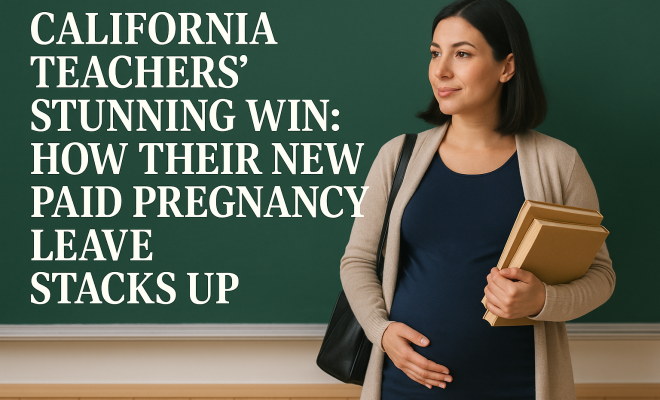
For years, educators in California, particularly those starting families, faced a difficult choice. The lack of comprehensive paid pregnancy leave often meant returning to the classroom far too soon after childbirth, or even delaying retirement plans just to accumulate enough service years to make ends meet. It was a systemic issue, one that disproportionately affected women and certainly didn’t help with the state’s ongoing teacher shortage. But that’s all changing, and it’s a huge deal. The recently approved 2026-27 California budget includes some truly significant victories for PreK-12 educators, and none stands out more than the new provisions for paid pregnancy leave. This isn’t just a win for teachers; it’s a critical step toward making the profession more sustainable and attractive for future generations. Let’s dig into how this California paid pregnancy leave vs other professions stacks up.
As someone who’s spent years in education, both as a K-12 teacher and later as a dean and professor, I’ve seen firsthand the sacrifices educators make. The push for better benefits, especially around family leave, has been a long and often frustrating battle. So, when the California Teachers Association finally secured this major legislative victory, mandating school districts provide up to 14 weeks of paid pregnancy disability leave, it wasn’t just a policy change; it was a profound acknowledgment of the value of our teachers and their families. This isn’t just about financial security; it’s about dignity, about valuing the well-being of new parents, and ultimately, about strengthening the entire educational ecosystem. This kind of progress is what we need to see across the board if we’re serious about supporting our educators.
1. The Landmark California Budget Victory for Teachers: A Long-Awaited Triumph
The 2026-27 California budget isn’t just another fiscal document; for PreK-12 educators, it represents a watershed moment. After years of relentless lobbying by the California Teachers Association (CTA) and facing previous gubernatorial vetoes, the state has finally allocated a substantial $218 million annually specifically for paid pregnancy leave. This isn’t pocket change; it’s a significant investment that directly addresses a long-standing pain point for teachers across the Golden State.
The core of this victory is the new requirement for school districts to offer up to 14 weeks of paid pregnancy disability leave. Think about that for a moment: 14 weeks. That’s a game-changer for new mothers in the teaching profession, providing them with crucial time to recover, bond with their newborns, and adjust to life with a new family member without the crushing financial burden that often accompanies unpaid leave. This move signals a profound shift in how California values its educators, moving beyond mere rhetoric to tangible support that impacts their lives directly.
2. California Paid Pregnancy Leave vs Other Professions: How Teachers Now Compare
When we talk about California paid pregnancy leave vs other professions, teachers have historically been at a disadvantage compared to many private sector employees. While California has robust state-mandated disability insurance and paid family leave programs, these often provide only a percentage of a person’s wages, leaving a significant gap. Many other professions, particularly in tech, finance, and large corporations, have long offered more generous, fully paid parental leave benefits, sometimes extending for months.
With this new legislation, California teachers are closing that gap considerably. Fourteen weeks of *paid* leave puts them on par with, or even surpasses, what many other sectors offer, especially in professions that might not traditionally be seen as high-paying. This isn’t just about catching up; it’s about setting a new standard for public sector employees, demonstrating that the state is willing to invest in its workforce in a meaningful way. It certainly makes the teaching profession a more attractive option for those considering a career path, especially for women who plan on starting families. For more on this, see Teachers and Schools overview.
3. Addressing the Teacher Recruitment and Retention Crisis: A Strategic Move
California, like many states, has grappled with persistent teacher shortages, particularly in critical subjects and underserved areas. The lack of competitive benefits, including robust family leave policies, has undoubtedly been a factor in both recruiting new talent and retaining experienced educators. Imagine being a young professional, weighing a career in teaching against options in the private sector that offer better pay, benefits, and work-life balance. For many, the decision has been clear.
This new paid pregnancy leave is a strategic move designed to turn that tide. By alleviating one of the most significant stressors for new mothers in the profession – the financial strain of taking time off – the state is making a powerful statement. It’s saying, ‘We value you, we support your family, and we want you to build a long, fulfilling career here.’ This isn’t a magic bullet for the recruitment crisis, but it’s a crucial piece of the puzzle that makes teaching a more viable and attractive long-term career option, particularly for women who constitute the majority of the teaching workforce.
4. The Human Cost of Insufficient Leave: Why This Matters So Much
Before this legislation, many California teachers faced an impossible dilemma. They were often forced to return to work prematurely, sometimes just weeks after childbirth, to avoid severe financial hardship. This isn’t just physically taxing; it’s emotionally devastating. The early weeks and months of a child’s life are critical for bonding and development, and forcing a parent back to work too soon can have lasting impacts on both the family and the teacher’s well-being.
Beyond the immediate post-birth period, some teachers felt compelled to extend their careers, delaying well-earned retirement, simply to accumulate enough service years to qualify for their full retirement benefits, all while managing the demands of parenthood with inadequate leave. This new policy directly addresses these very real human costs. It acknowledges that teachers are not just employees; they are individuals with families, and supporting their family needs ultimately benefits the entire school community by ensuring healthier, more engaged educators in the classroom.
5. Beyond Pregnancy Leave: Bolstering the Student Teacher Stipend Program
While paid pregnancy leave is a monumental win, it’s not the only way California is investing in its teaching pipeline. The budget also significantly bolsters the Student Teacher Stipend Program, injecting $408 million into it. This is another critical piece of the puzzle when we consider California paid pregnancy leave vs other professions, as it helps bring more talented individuals into the education field from the very start.
Under this enhanced program, eligible student teachers will receive $10,000 annually. That’s a substantial amount that can make a real difference in helping aspiring educators afford their training without racking up insurmountable debt. What’s even better is that this stipend increases to $15,000 annually for those student teachers committed to working in priority schools or teaching shortage subjects by the 2027-28 academic year. This targeted incentive is smart policy, directing resources where they’re most needed and encouraging talent to fill critical gaps in the system.
6. Preventing Funding Crises: The Golden State Teacher Grant Program
Another crucial component of this budget package is the injection of funding into the Golden State Teacher Grant program. This program has been a lifeline for many aspiring teachers, providing financial assistance to those pursuing teaching credentials. However, such programs are always at risk of running out of money if demand outstrips supply, leaving promising candidates in the lurch. For more context, see female-founded startups making a difference.
By shoring up this program’s funding, California is demonstrating a commitment to long-term stability in its teacher pipeline. This isn’t just about attracting new teachers; it’s about ensuring that the financial support systems in place remain robust and accessible. When combined with the new paid pregnancy leave and student teacher stipends, it paints a picture of a state that’s serious about fostering a healthy, sustainable teaching profession from recruitment through retention.
7. The Long Road to Victory: A Testament to Advocacy
It’s important to remember that this paid pregnancy leave wasn’t a handout; it was a hard-fought win. The California Teachers Association lobbied tirelessly for years, navigating political complexities, previous vetoes from governors, and the inherent challenges of securing significant budgetary allocations. This victory is a powerful testament to the effectiveness of organized advocacy and the persistence of those who believe deeply in the value of public education.
This isn’t merely about a benefit; it’s about recognizing the power of collective action. When educators stand together, advocate for their needs, and articulate the broader societal benefits of their well-being, real change can happen. This serves as a potent reminder for educators in other states: don’t underestimate the power of your collective voice in shaping policy and improving working conditions.
8. Implications for Future Policy: Setting a New Standard
The decision by California to implement 14 weeks of paid pregnancy disability leave for teachers has broader implications that extend beyond the state’s borders. California is often seen as a trendsetter in policy, and this move could very well inspire similar legislation in other states. When one of the largest states in the nation makes such a significant investment in its public sector workforce, it sends a clear message about what’s possible and what’s equitable.
This could kickstart a wave of discussions and legislative efforts aimed at improving family leave policies for public employees, particularly teachers, nationwide. It forces other states to look at their own benefits packages and ask if they’re doing enough to support their educators. In the ongoing debate about how to attract and retain talent in education, California has just offered a compelling new blueprint.
9. The Broader Impact on the K-12 Ecosystem: More Than Just Teachers
While the immediate beneficiaries of this new paid pregnancy leave are teachers, the positive ripple effects will undoubtedly extend throughout the entire K-12 ecosystem. When teachers feel supported, valued, and less stressed, they are better equipped to show up for their students. This translates to more engaged instruction, greater classroom stability, and ultimately, improved learning outcomes.
A healthier, more stable teaching workforce means less turnover, which benefits students who thrive on consistency. It also reduces the burden on school administrators who spend less time and resources on recruitment and training new staff. This isn’t just a teacher benefit; it’s an investment in the overall health and effectiveness of California’s public education system, proving that supporting educators is really about supporting students.
10. California Paid Pregnancy Leave vs Other Professions: The Path Forward
So, where does this leave us regarding California paid pregnancy leave vs other professions? Teachers in California have made monumental strides, putting them in a much more competitive position regarding family leave benefits. This isn’t to say the fight is over, but it’s a significant victory that demonstrates what’s possible when advocacy meets political will. It sets a new benchmark for what we should expect for those who dedicate their lives to educating our children.
The future of education hinges on our ability to attract and retain the best and brightest. By investing in comprehensive benefits like paid pregnancy leave, student teacher stipends, and robust grant programs, California is charting a course that prioritizes the well-being of its educators. This isn’t just good policy; it’s smart policy, ensuring that the next generation of students has access to the dedicated, supported, and passionate teachers they deserve.
11. A Deeper Dive into the Economic Impact for Teachers
Let’s talk numbers beyond the $218 million allocation. For an individual teacher, 14 weeks of *paid* leave can mean the difference between financial stability and a significant household crisis. Consider a teacher earning California’s average annual salary for public school teachers, which was roughly $87,000 as of recent reports. Without this new provision, that teacher would have likely relied on state disability insurance (SDI) and Paid Family Leave (PFL) programs. While helpful, these programs typically replace only 60-70% of wages, up to a cap. For a higher-earning teacher, this could still mean a loss of thousands of dollars over 14 weeks, a substantial hit for any family, especially with the added expenses of a newborn.
The new policy essentially bridges that gap, ensuring teachers receive their full pay during this critical period. This isn’t just about avoiding debt; it’s about allowing families to maintain their quality of life, pay their mortgages, cover childcare for other children, and not stress about basic necessities when they should be focusing on a new baby. This economic security strengthens the teacher’s overall financial health, potentially reducing the need for second jobs or delaying other financial goals, which can impact long-term career satisfaction and retention.
12. Comparing California’s New Policy to National Trends and Other States
To truly understand the significance of California paid pregnancy leave vs other professions, we need to look at the national landscape. Nationally, the U.S. lags behind most developed nations in terms of mandated paid parental leave. Many states have no specific paid parental leave for public sector employees beyond federal FMLA (Family and Medical Leave Act) which guarantees job-protected *unpaid* leave. Some states offer short-term disability programs, similar to California’s existing SDI, but full wage replacement for an extended period is rare. For more context, see impact of systemic issues on various sectors.
California now positions itself as a leader in this area for public sector workers. For example, while New York offers paid family leave, the wage replacement is capped at a percentage of the state’s average weekly wage, meaning higher-earning teachers might still see a significant income drop. States like New Jersey and Washington also have robust paid leave programs, but few match California’s 14 weeks of *fully paid* leave specifically for pregnancy disability for teachers. This move by California sets a high bar and could pressure other progressive states, and even those struggling with teacher shortages, to re-evaluate their own offerings.
13. The Psychological Benefits for New Parent Teachers
The impact of sufficient paid leave extends far beyond just financial security. There’s a huge psychological benefit for new parent teachers. The stress of returning to work too early can lead to increased anxiety, postpartum depression, and burnout. Knowing you have ample time to recover physically from childbirth, establish breastfeeding if desired, and bond with your infant without the constant worry of lost income is invaluable.
This peace of mind allows teachers to return to the classroom feeling refreshed, more focused, and emotionally prepared. It reduces the likelihood of them feeling torn between their professional duties and their family responsibilities. Ultimately, this leads to happier, healthier teachers who are more present and effective in their roles, which is a win for everyone involved, especially their students.
14. Equity and Access: Who Benefits Most from This Policy?
This new policy also has significant equity implications. Historically, teachers from lower-income backgrounds or those without a strong personal safety net were most vulnerable to the financial pressures of unpaid leave. They were often the ones forced to return to work prematurely or take on burdensome debt. By providing fully paid leave, California is leveling the playing field.
It ensures that all new parent teachers, regardless of their personal financial situation, have the opportunity to take the full 14 weeks of leave. This is particularly important for minority teachers and those in underserved communities, who often face additional systemic barriers. It’s a step toward making the teaching profession more inclusive and equitable, attracting a more diverse group of individuals who might have previously been deterred by inadequate benefits.
15. The Employer’s Perspective: Why Districts Benefit Too
While this is clearly a win for teachers, it’s important to recognize the benefits for school districts as well. Yes, there’s an upfront cost, but the long-term gains can be substantial. For starters, improved retention means less money spent on recruitment and training. Replacing a teacher is an expensive endeavor, often costing thousands of dollars per hire when you factor in advertising, interviewing, onboarding, and professional development for new staff.
A workforce that feels valued and supported is also a more productive and engaged workforce. Teachers who take adequate leave are less likely to experience burnout or health issues that could lead to extended absences down the line. Furthermore, offering competitive benefits enhances a district’s reputation as an employer of choice, making it easier to attract top talent in a competitive market. It’s a strategic investment that pays dividends in the form of a stable, high-quality teaching staff.
Frequently Asked Questions About California Paid Pregnancy Leave for Teachers
Q1: When does the new paid pregnancy leave policy for California teachers take effect?
The new provisions for paid pregnancy leave for PreK-12 educators are part of the 2026-27 California budget, meaning they are slated to take effect for the 2026-27 academic year. For more context, see reshaping rules for better support.
Q2: How many weeks of paid leave will teachers receive under this new policy?
Eligible teachers will receive up to 14 weeks of paid pregnancy disability leave. This leave is specifically for the period of disability related to pregnancy and childbirth.
Q3: Does this new policy replace California’s existing Paid Family Leave (PFL) or State Disability Insurance (SDI) programs?
No, this new policy complements existing state programs. While SDI and PFL offer partial wage replacement, this new budget allocation ensures that teachers receive full pay for the 14 weeks of pregnancy disability leave, bridging the gap that previously existed.
Q4: Is this paid leave only for mothers, or does it cover fathers and adoptive parents too?
The 14 weeks of paid leave specifically addresses pregnancy disability leave, which is for the birth parent. However, California’s existing Paid Family Leave (PFL) program can be used by any new parent (mothers, fathers, adoptive, and foster parents) for bonding with a new child, though PFL offers partial wage replacement, not full pay, and is usually for up to 8 weeks.
Q5: What are the eligibility requirements for teachers to receive this paid leave?
Specific eligibility details will be finalized closer to the implementation date. Generally, it will apply to PreK-12 educators employed by school districts in California. Details regarding tenure, full-time status, or other employment conditions will be outlined by the California Teachers Association and the state education department.
Q6: How does this new policy impact teacher retention in California?
This policy is expected to significantly boost teacher retention. By removing the financial burden of taking time off after childbirth, it reduces a major stressor that often leads new mothers to leave the profession. It signals that California values its educators and supports their families, making teaching a more attractive and sustainable long-term career choice.
Q7: Will this policy help address California’s teacher shortage?
Yes, it’s a crucial piece of the puzzle. The lack of competitive benefits has been a barrier to attracting new talent to teaching. By offering generous paid pregnancy leave, California makes the profession more appealing, especially to women who make up a large portion of the teaching workforce and are often considering family planning. It’s an investment in strengthening the teacher pipeline.
Q8: Are other public sector professions in California receiving similar paid pregnancy leave benefits?
While California has robust general paid family leave and disability programs, this specific provision for 14 weeks of *fully paid* pregnancy disability leave for PreK-12 educators is a distinct victory for the teaching profession. Other public sectors may have varying benefits, but this sets a high standard for teachers.
Q9: What if a teacher needs more than 14 weeks off for pregnancy-related reasons?
The 14 weeks cover the period of pregnancy disability. If a teacher needs additional time for medical reasons beyond this period, or wishes to take additional time for bonding (not covered by the 14 weeks of paid disability leave), they may be able to utilize other leave options, such as California’s Paid Family Leave (PFL) for bonding (partial pay) or take unpaid leave, depending on their district’s policies and collective bargaining agreements. The new policy focuses specifically on the disability period.
Trending Now
Frequently Asked Questions
What new benefits do California teachers get for pregnancy leave?
California teachers will now receive up to 14 weeks of paid pregnancy disability leave, a significant improvement that acknowledges the challenges educators face when starting families. This policy aims to enhance the profession's attractiveness and sustainability, particularly in light of the state's ongoing teacher shortage.
How does California's paid pregnancy leave compare to other states?
California's new paid pregnancy leave policy is among the most comprehensive in the nation, offering 14 weeks of paid leave. This positions California favorably compared to many other states, where paid leave provisions are often limited or nonexistent, particularly for educators.
Why is paid pregnancy leave important for teachers?
Paid pregnancy leave is crucial for teachers as it allows them to recover and bond with their newborns without the stress of financial instability. This policy not only supports individual educators but also helps retain teachers in the profession, addressing the broader teacher shortage issue.
What impact does paid pregnancy leave have on the teaching profession?
The introduction of paid pregnancy leave is expected to make the teaching profession more appealing, particularly for women, by providing necessary support during a critical life phase. This change aims to improve job satisfaction and retention rates among educators.
How long is the paid pregnancy leave for California teachers?
California teachers are now entitled to up to 14 weeks of paid pregnancy disability leave. This benefit is part of a broader effort to enhance the working conditions for educators and support them during significant life events.
What's your take on this? Share your thoughts in the comments below — we read every one.