Mindfulness for Test Anxiety: High School Success Before Exams
“`html
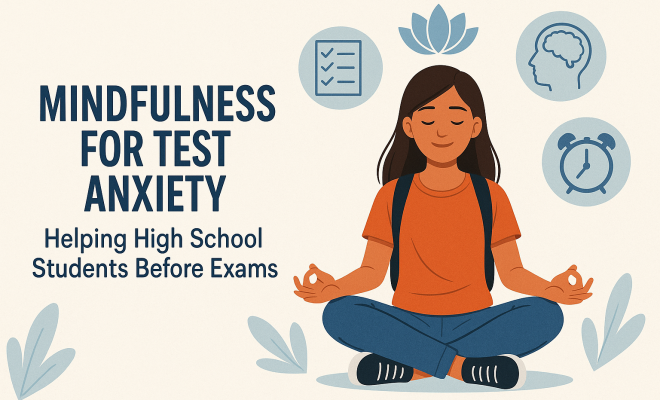
Test anxiety is a common challenge faced by high school students, often leading to stress and poor performance during exams. This phenomenon has been studied extensively, revealing that a significant portion of students experience heightened anxiety levels before tests. According to the American Psychological Association, over 30% of students report feeling anxious during exams. In this article, we’ll explore how mindfulness for test anxiety can provide effective strategies to help students manage their stress and improve their performance.
Understanding Test Anxiety
Test anxiety can manifest in various ways, including physical symptoms like sweating and racing heart, as well as psychological effects such as negative thoughts and self-doubt. These feelings can be overwhelming and might even lead to a phenomenon known as “performance anxiety,” where students struggle to perform under pressure. Recognizing the signs of test anxiety is the first step in addressing it. Symptoms may include:
- Increased heart rate
- Difficulty concentrating
- Feelings of panic or dread
- Negative thoughts or self-talk
- Physical symptoms like headaches or stomachaches
Understanding the underlying causes of test anxiety is crucial. Factors such as fear of failure, high expectations from parents or teachers, and past experiences can all contribute to these feelings. Moreover, the competitive nature of high school can exacerbate anxiety, as students often feel like their worth is tied to their academic performance.
The Role of Mindfulness
Mindfulness is a mental practice that involves focusing on the present moment without judgment. Research shows that mindfulness can significantly reduce anxiety and improve overall mental health. A study published in the journal Health Psychology Review found that mindfulness practices can lower stress levels among students and enhance their ability to cope with anxiety-inducing situations.
By incorporating mindfulness into their study routines, high school students can train their minds to respond more positively to stress. This not only helps in alleviating anxiety around tests but also instills coping mechanisms that can be beneficial in various life situations.
Mindfulness Techniques for Students
Here are seven practical mindfulness techniques that students can use to combat test anxiety:
1. Deep Breathing Exercises
One of the simplest and most effective mindfulness techniques is deep breathing. This exercise can be done anywhere and at any time. Students can practice deep breathing by inhaling slowly through their nose for a count of four, holding their breath for a count of four, and exhaling slowly through their mouth for another count of four. This technique helps to calm the nervous system and reduce feelings of anxiety.
2. Mindful Meditation
Mindful meditation involves sitting quietly and focusing on one’s thoughts and feelings without judgment. Students can dedicate just 10 minutes a day to this practice. Research from JAMA Internal Medicine indicates that meditation can significantly decrease anxiety levels. This practice encourages students to observe their thoughts, acknowledge their feelings, and let them pass without becoming overwhelmed.
3. Visualization Techniques
Visualization is a powerful tool in mindfulness for test anxiety. Students can imagine themselves in a calm and peaceful setting, or visualize successfully completing their exam. This technique helps to create a positive mental space that reduces anxiety. Studies have shown that visualization can enhance performance by increasing confidence and lowering stress.
4. Grounding Exercises
Grounding exercises help students connect with their surroundings and can be particularly effective when anxiety peaks. One technique involves focusing on the five senses. Students can take a moment to identify:
- Five things they can see
- Four things they can touch
- Three things they can hear
- Two things they can smell
- One thing they can taste
This practice shifts attention away from anxious thoughts and brings a sense of calm.
5. Journaling
Writing down thoughts and feelings can be a great way to process emotions. Journaling allows students to express their worries and fears on paper. By articulating their thoughts, students can gain clarity and perspective, which can help in managing anxiety. Research indicates that expressive writing can improve mental health and reduce symptoms of anxiety. (See: CDC resources on youth mental health.)
6. Mindful Movement
Physical activity can also be a form of mindfulness. Students can engage in yoga, tai chi, or even a simple walk in nature. These activities promote awareness of body movements and breathing, helping to release tension and reduce anxiety. A study published in Psychology of Sport and Exercise suggests that mindful movement can enhance emotional regulation and resilience.
7. Positive Affirmations
Using positive affirmations can reshape a student’s mindset. Encouraging students to repeat affirming statements such as “I am capable” or “I can handle this” can help to counteract negative self-talk. This practice has been shown to foster resilience and promote a positive outlook, which is vital when facing exams.
Implementing Mindfulness in Schools
Incorporating mindfulness for test anxiety within the educational system can significantly benefit students. Schools can implement programs that teach mindfulness techniques as part of the curriculum. For example, dedicated mindfulness sessions can be integrated into health classes or after-school programs. Research conducted by the University of Massachusetts found that school-based mindfulness programs resulted in decreased levels of anxiety and increased academic performance among students.
Educators can also receive training on mindfulness practices, equipping them with tools to create a supportive environment where students feel comfortable expressing their feelings. Additionally, schools can provide resources such as guided meditation apps or mindfulness workshops to foster a culture of well-being.
The Importance of Parental Support
Parents play a crucial role in helping their children manage test anxiety. By encouraging mindfulness practices at home, parents can create a supportive atmosphere where students feel safe discussing their worries. Simple actions, like practicing deep breathing together or engaging in calming activities, can make a world of difference.
Moreover, parents should strive to foster an open dialogue about academic pressures and validate their children’s feelings. This can help reduce stigma around anxiety and encourage students to seek support when needed. By prioritizing mental health, families can contribute to a more balanced approach to education.
Real-Life Success Stories
Many students have experienced transformative results through the application of mindfulness techniques. Take, for example, Sarah, a high school junior who struggled with crippling test anxiety. After participating in a mindfulness program at her school, Sarah began practicing deep breathing and visualization techniques before exams. As a result, she reported feeling calmer and more focused, leading to significant improvements in her test scores.
Another inspiring story is that of James, a student who faced intense pressure to perform academically. After incorporating journaling and positive affirmations into his daily routine, James noticed a shift in his mindset. No longer burdened by debilitating self-doubt, he approached exams with self-assurance, ultimately seeing his grades improve.
Current Relevance and Future Directions
As the pressures of academic life continue to mount, the importance of mental health awareness in schools cannot be overstated. The COVID-19 pandemic has further exacerbated feelings of anxiety among students, making mindfulness practices even more relevant. Schools are beginning to recognize the necessity of equipping students with tools to manage their mental health effectively.
Future research into mindfulness for test anxiety could explore long-term effects on academic performance and emotional well-being. Additionally, studies could assess the effectiveness of various mindfulness techniques in different educational settings. As more schools adopt these practices, we can expect a positive shift in how students experience academic challenges.
Understanding the Science Behind Mindfulness
To appreciate the benefits of mindfulness for test anxiety, it’s essential to understand the neuroscience behind it. Mindfulness practices have been shown to affect the brain’s structure and function, leading to improvements in emotional regulation and stress management. Research indicates that mindfulness can increase gray matter density in areas of the brain associated with learning, memory, emotional regulation, and perspective-taking.
One significant area impacted by mindfulness is the amygdala, which is responsible for processing emotions, especially fear and anxiety. Studies suggest that regular mindfulness practice can reduce amygdala reactivity, allowing students to manage their anxiety more effectively. Additionally, mindfulness enhances connectivity between the prefrontal cortex and the amygdala, promoting better emotional control and decision-making during high-stress situations like exams.
The ability to shift attention and maintain focus is also enhanced through mindfulness. This is particularly vital when students face the overwhelming pressure of tests. By training their brains to stay present, students can improve their concentration, which is crucial for optimal test performance.
Statistics on Mindfulness Efficacy
Statistics reveal that integrating mindfulness practices into education yields significant benefits. A meta-analysis conducted on various mindfulness programs for students found that students who engaged in mindfulness training demonstrated a 30% reduction in anxiety levels compared to their peers who did not participate in such programs. Furthermore, students reported feeling more relaxed and capable of handling academic pressures. (See: NIMH statistics on anxiety disorders.)
In another study published in the Journal of Educational Psychology, researchers found that students who practiced mindfulness regularly had higher academic performance, with an average increase of 15% in test scores. These promising statistics underscore the necessity of incorporating mindfulness into the educational framework to support students in managing test anxiety effectively.
Mindfulness Across Cultures
While mindfulness has gained popularity in Western education systems, it has deep roots in various cultures around the world. Practices such as yoga and meditation in Eastern traditions have been used for centuries to promote mental well-being and stress relief. Understanding these cultural origins can help students appreciate the value of mindfulness and its universal applicability in managing anxiety.
For instance, in Buddhist culture, mindfulness is an integral part of spiritual practice aimed at achieving enlightenment. Techniques such as breath awareness and body scanning are taught to cultivate a deep sense of presence and ultimately reduce suffering. By recognizing these global influences, students can connect more profoundly with mindfulness practices and see them as part of a larger tradition of mental health support.
Potential Challenges in Practicing Mindfulness
Despite its many benefits, students may face challenges when trying to incorporate mindfulness into their routines. One common struggle is finding the time to engage in mindfulness practices amidst busy schedules filled with homework, extracurricular activities, and social obligations. It’s essential for students to recognize that even a few minutes of mindfulness can be beneficial.
Another challenge may arise from misconceptions about mindfulness. Some students might believe they need to clear their minds completely to practice effectively. In reality, mindfulness is about acknowledging thoughts and feelings as they arise rather than suppressing them. Educators and parents can help dispel these myths, encouraging students to adopt a more flexible and compassionate approach to their practice.
Finally, the effectiveness of mindfulness can vary among individuals. While some may experience immediate relief, others may require more time to see significant results. It’s important for students to remain patient and consistent in their practice, understanding that building a mindful attitude takes time and persistence.
Frequently Asked Questions
What is mindfulness for test anxiety?
Mindfulness for test anxiety involves using mindfulness techniques to help students manage their anxiety levels before and during exams. This can include practices such as deep breathing, meditation, visualization, and positive affirmations.
How does mindfulness help with test anxiety?
Mindfulness helps students develop a greater awareness of their thoughts and feelings without judgment, allowing them to manage anxiety more effectively. It promotes relaxation, improves focus, and fosters a positive mindset, all of which are beneficial during tests.
Can mindfulness improve academic performance?
Yes, research has shown that students who engage in mindfulness practices often experience improvements in their academic performance. Mindfulness can enhance concentration and reduce anxiety, leading to better test results and overall academic success.
How often should students practice mindfulness?
Even a few minutes of mindfulness practice daily can be beneficial. Students should aim to integrate mindfulness into their routines regularly, whether that’s through brief breathing exercises or longer meditation sessions.
Are there specific mindfulness apps for students?
Yes, several mindfulness apps are designed for students, including Headspace, Calm, and Insight Timer. These apps offer guided meditations, breathing exercises, and mindfulness resources tailored for young people.
Mindfulness in the Digital Age
In our fast-paced, technology-driven world, students face a unique set of stressors that can contribute to test anxiety. The constant barrage of notifications, social media pressures, and digital distractions can heighten feelings of anxiety and overwhelm. Mindfulness practices can serve as a counterbalance to this digital chaos, providing students with tools to find calm amidst the noise.
Many mindfulness apps leverage technology to bring mindfulness practices into students’ daily lives. These apps can help students create structured routines for mindfulness, making it easier to incorporate these practices into their busy schedules. Features like reminders, guided meditations, and progress tracking can motivate students to prioritize their mental well-being.
Furthermore, virtual mindfulness classes and online workshops have become increasingly popular, particularly after the pandemic. These digital formats can provide students with access to expert guidance and a supportive community, regardless of geographical limitations. This accessibility is crucial in ensuring that students from diverse backgrounds can benefit from mindfulness practices.
Long-Term Benefits of Mindfulness
The long-term benefits of incorporating mindfulness into a student’s life extend far beyond just managing test anxiety. Research indicates that students who regularly practice mindfulness can experience improved emotional regulation, greater resilience in facing challenges, and enhanced interpersonal relationships.
For example, students who practice mindfulness may be more adept at handling conflicts with peers or managing stress in other areas of their lives, leading to a more balanced and fulfilling experience in school and beyond. Moreover, these skills can carry over into adulthood, equipping individuals with the tools they need to navigate life’s challenges more effectively.
Additionally, mindfulness can foster a growth mindset, encouraging students to view challenges as opportunities for learning rather than as threats. This shift in perspective can transform their approach to both academic and personal challenges, promoting lifelong learning and adaptability.
Community Support and Mindfulness
Building a supportive community around mindfulness practices can amplify their effectiveness. Schools can foster peer support groups where students can share their experiences and techniques for managing test anxiety. These groups can serve as safe spaces for students to connect, learn from one another, and encourage each other in their mindfulness journeys.
Community events such as mindfulness workshops or mindfulness challenges can also engage students in fun and interactive ways. These events can promote a collective approach to mental health, highlighting the importance of community support in reducing anxiety and building resilience. By creating a culture that values mindfulness, schools can empower students to take charge of their mental health proactively.
A Path Forward
Mindfulness for test anxiety presents a promising avenue for helping high school students cope with stress and perform better academically. By embracing mindfulness techniques, students can cultivate resilience, enhance focus, and manage anxiety more effectively. As we move forward, it’s essential for schools, parents, and students to work together in fostering a culture of mindfulness, ultimately creating a healthier, more supportive environment for academic success.
“`
Trending Now
Frequently Asked Questions
What is test anxiety and how does it affect students?
Test anxiety is a common experience among high school students, characterized by physical symptoms like increased heart rate and psychological effects such as negative thoughts. It can lead to poor performance during exams and is often linked to factors like fear of failure and high expectations.
How can mindfulness help with test anxiety?
Mindfulness practices help students focus on the present moment, reducing anxiety and improving mental health. Research indicates that incorporating mindfulness can lower stress levels and enhance coping skills, making it an effective strategy for managing test anxiety.
What are the symptoms of test anxiety?
Symptoms of test anxiety include increased heart rate, difficulty concentrating, feelings of panic, negative self-talk, and physical symptoms like headaches or stomachaches. Recognizing these signs is crucial for addressing the issue effectively.
Why do students experience test anxiety?
Students may experience test anxiety due to various factors, including fear of failure, high parental or teacher expectations, and competitive academic environments. Past negative experiences can also contribute to heightened anxiety before exams.
What strategies can students use to manage test anxiety?
Students can manage test anxiety by practicing mindfulness techniques, such as deep breathing and meditation. Other strategies include preparation, positive self-talk, and developing a supportive study environment to help alleviate stress before exams.
Agree or disagree? Drop a comment and tell us what you think.