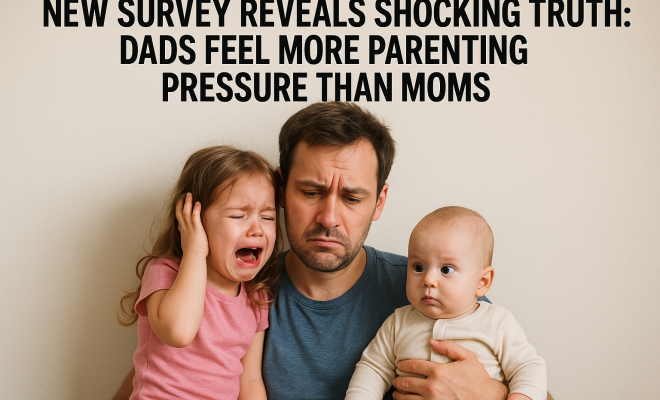
Dads Face More Parenting Pressure Than Moms, Survey Reveals
“`html
It’s often assumed that mothers bear the brunt of parenting pressure, but a recent survey has turned that notion on its head. According to groundbreaking research focused on millennial and Gen Z parents, fathers are experiencing a greater sense of parental duty and anxiety than their female counterparts. This revelation has sparked conversations across social media platforms, as many grapple with the implications of these findings. Not only do these statistics challenge traditional gender roles, but they also highlight the evolving dynamics of modern parenting.
1. The Survey Revealed: What the Numbers Say
The survey in question focused on parents aged 18 to 45, revealing some startling statistics about their experiences and perceptions of parenting. A significant 62% of dads reported feeling overwhelmed by the expectations placed upon them to be emotionally available and financially stable. In contrast, only 48% of mothers shared similar sentiments. This gap indicates that many fathers are wrestling with the pressures of their roles in ways that might not have been previously acknowledged.
Among the subsets of fathers, Gen Z dads reported feeling the most intense anxiety. With the rising cost of living, career pressures, and societal expectations, the burden seems to be heavier for them. The survey’s findings are particularly astonishing given that many still hold onto the traditional view that mothers are the primary caregivers and emotional support systems in families.
2. Changing Gender Roles: The New Norms in Parenting
This survey highlights a significant shift in the expectations around fatherhood. Traditionally, fathers were often seen as the breadwinners, with less focus on their emotional involvement in their children’s lives. However, modern dads are increasingly expected to be active participants in both the emotional and financial aspects of parenting. This change is largely influenced by evolving social norms and a growing emphasis on shared parenting responsibilities.
As a result, many fathers find themselves juggling work commitments while also striving to be present and engaged in their children’s lives. This dual pressure can lead to heightened feelings of inadequacy, as they may question their ability to fulfill these expectations. The pressure isn’t just about spending time with children; it involves being emotionally available and supportive, which can feel like an overwhelming task.
3. The Impact of Social Media: A Double-Edged Sword
Social media plays a complicated role in this narrative. While it can be a platform for fathers to express their struggles, it also serves as a breeding ground for unrealistic comparisons. Dads often find themselves inundated with images and stories showcasing other fathers who seem to have it all figured out — from perfectly curated family outings to extravagant birthday parties. This can exacerbate feelings of inadequacy and pressure, as fathers feel the need to measure up to these often unattainable standards.
Furthermore, the viral nature of posts discussing dad parenting pressure has led to increased awareness of the emotional burden many fathers carry. It has opened up dialogue about what it means to be a father today, making it easier for dads to share their experiences and seek support. However, it also raises questions about how these platforms can distort perceptions of parenting and contribute to stress.
4. Understanding the Emotional Landscape: The Weight of Expectations
The emotional landscape for fathers today is complex. Many dads feel torn between the desire to provide for their families and the need to be emotionally present. As the survey indicated, a significant number of fathers feel that they must be both a financial provider and an emotionally supportive figure, which can create a challenging dynamic.
Gen Z fathers, in particular, are navigating this emotional terrain with unique pressures. They are often seen as trailblazers in redefining fatherhood, yet they also feel the weight of those expectations keenly. As they strive to engage in parenting with as much dedication as mothers, the fear of failure looms large. This anxiety can lead to significant stress, manifesting in a variety of ways, from burnout to feelings of inadequacy. (See: positive parenting resources from CDC.)
5. Comparing the Pressure: Dads vs. Moms
While both dads and moms face their own sets of challenges, the survey clearly indicates that fathers are feeling the heat in ways that are beginning to surface in discussions around parenting pressures. Moms have traditionally been viewed as the default caregivers and emotional nurturers, but as the survey showed, dads are stepping into these roles with increasing seriousness.
However, it’s essential to acknowledge that the pressures moms face differ significantly from those of dads. While mothers often wrestle with societal expectations to be perfect caregivers while managing household duties, fathers are increasingly burdened with the expectation to provide financially while also being emotionally available. Both parents are under stress, but the nature of that stress varies and needs to be understood in its context.
6. Support Systems: Finding Balance Together
As the pressures of parenting grow, so does the need for effective support systems. Many dads are finding comfort in communities, both online and offline, where they can share their experiences and seek advice. Support groups specifically catering to fathers are becoming more common, allowing them to discuss their feelings and the pressures they face without judgment.
Moreover, understanding the unique struggles that dads face can foster empathy and collaboration between partners. Couples who communicate openly about their challenges are more likely to find equitable solutions that alleviate some of this pressure. By sharing parenting responsibilities and openly discussing emotions, parents can create a healthier family dynamic that reduces stress for everyone involved.
7. Expert Perspectives: What Professionals Say About Dad Parenting Pressure
Child psychologists and family dynamics experts have stepped into the conversation, emphasizing that understanding the emotional needs of fathers is crucial. Many professionals argue that traditional masculinity norms discourage men from expressing vulnerability, leading them to feel isolated in their parenting journey.
Experts recommend that fathers actively engage in discussions about their feelings and experiences, as this can lead to healthier coping mechanisms. Counseling and therapy can also provide valuable tools for fathers struggling with the pressures of modern parenthood. Encouraging fathers to participate in parenting classes, workshops, and peer support groups can significantly enhance their emotional well-being and help them manage parenting stress more effectively.
8. The Future of Fatherhood: Changing the Narrative
The findings of the survey signal a shift in the narrative surrounding fatherhood. As more dads begin to speak out about their experiences with parenting pressure, it opens up avenues for deeper understanding and change. Future generations may find themselves in a parenting landscape that recognizes the complexities of both mothers’ and fathers’ roles.
As society continues to evolve, the expectation for fathers to contribute both financially and emotionally is likely to become more normalized. This change not only benefits the fathers but also their children, who will grow up seeing their parents engaged in a balanced partnership. It’s a significant step towards dismantling outdated gender roles and creating a more equitable parenting environment.
9. Real-Life Stories: Dads Share Their Experiences
To better understand the impact of parenting pressure on fathers, it’s insightful to hear from dads themselves. Many have shared stories that illuminate their struggles and triumphs in navigating this new terrain. For instance, John, a 32-year-old father of two, recalls his journey: “Initially, I felt lost trying to balance my job and being there for my kids. I had this notion that I had to be the perfect provider, but I realized I was missing out on meaningful moments with my children.” His experience reflects a common theme among fathers—balancing societal expectations with personal fulfillment.
Another father, Mike, 29, expressed how social media impacted his perception of fatherhood. “I would scroll through Instagram and see these dads who seemed to have it all figured out. It made me question my abilities. Eventually, I learned that those posts often don’t portray the full picture, and I decided to focus on what works for my family.” Mike’s realization highlights the importance of self-acceptance and the need to resist external pressures. (See: New York Times on fathers and parenting.)
10. Statistics on Dad Parenting Pressure: The Numbers Behind the Shift
Data on dad parenting pressure reveals not just the feelings of inadequacy but also concrete statistics that emphasize the evolving role of fathers. According to the Pew Research Center, 48% of fathers with children under 18 reported that they spend more time caring for their children than their dads did when they were young. Additionally, a 2021 study found that fathers who take paternity leave are 30% more likely to be involved in their children’s daily activities compared to those who do not.
These statistics suggest a significant cultural shift that not only recognizes but actively encourages father involvement in parenting. As the statistics show, there’s an increasing trend of fathers wanting to take active roles in childcare, leading to positive outcomes for both themselves and their families.
11. Strategies for Managing Parenting Pressure: Tips for Dads
Managing parenting pressure is crucial for the well-being of fathers and their families. Here are some strategies that can help dads navigate their roles more effectively:
- Set Realistic Expectations: Understand that perfection isn’t the goal. It’s okay to make mistakes and learn from them.
- Prioritize Self-Care: Taking time for oneself is essential. Engage in hobbies, exercise, and ensure mental health is a priority.
- Seek Support: Don’t hesitate to reach out to friends, family, or support groups. Sharing experiences can alleviate feelings of loneliness.
- Communicate with Your Partner: Open dialogue about parenting pressures can foster understanding and teamwork in managing responsibilities.
- Focus on Quality Time: Instead of stressing about quantity, prioritize meaningful moments with your children.
12. FAQs about Dad Parenting Pressure
Q: What are the main sources of parenting pressure for dads?
A: Common sources include financial responsibilities, societal expectations to be emotionally supportive, and balancing work-life commitments.
Q: How can fathers cope with feelings of inadequacy?
A: Talking to other dads, seeking therapy, or joining support groups can provide helpful perspectives and coping strategies.
Q: Are there resources available specifically for fathers?
A: Yes, there are many resources, including parenting classes, online forums, and local support groups designed for fathers to share experiences and advice.
Q: How can partners support each other in managing parenting pressure?
A: Open communication about challenges, sharing responsibilities equally, and being each other’s sounding boards can significantly lessen the pressure.
Q: Is it common for dads to feel overwhelmed by parenting responsibilities?
A: Absolutely. Many dads report feeling overwhelmed, especially as societal expectations around fatherhood evolve and become more demanding.
13. Statistics on the Benefits of Involved Fatherhood
Research indicates that involved fathers can have a profound impact on their children’s development. According to a 2019 study published in the journal Child Development, children with engaged fathers are more likely to excel academically, have better emotional well-being, and develop stronger social skills. In fact, these children are 43% more likely to earn A’s in school, showing the direct correlation between paternal involvement and educational success.
Moreover, a report from the National Fatherhood Initiative highlights that children who grow up with engaged fathers are also less likely to engage in risky behaviors such as drug use and early sexual activity. This suggests that the role of fathers extends beyond mere financial support; active involvement can shape a child’s trajectory positively.
14. Breaking the Cycle: The Importance of Role Models
As societal expectations shift, the importance of role models in fatherhood cannot be overstated. Dads who actively participate in their children’s lives not only impact their immediate family but also serve as role models for future generations. When fathers take an active role in parenting, they challenge outdated stereotypes and inspire their children to embrace a more balanced view of gender roles.
Programs aimed at mentoring young fathers have emerged across the country. These initiatives often focus on assisting new dads in developing the skills they need to be present and involved. For instance, organizations like Fathers.com provide resources and workshops that empower fathers while also helping them build strong community ties. These programs underline the importance of a positive support network and highlight the necessity of role models in reshaping future parenting dynamics.
15. Community Engagement: Building a Supportive Network
Community programs are crucial in providing fathers with resources and connections. Local groups, workshops, and fatherhood initiatives can offer a platform for dads to connect, share experiences, and learn from one another. Engaging with community resources can help alleviate some of the emotional burdens that dads face.
For example, many cities now offer fatherhood engagement programs that connect fathers with mentors and resources that address emotional health, parenting skills, and shared responsibilities. Participating in these community initiatives gives fathers not only a sense of belonging but also practical skills to manage parenting pressures effectively.
16. Conclusion: The Path Forward for Dads
The conversation around dad parenting pressure is just beginning. As awareness grows, it’s essential for all parents to support each other in navigating the unique challenges they face. Whether you’re a mom, dad, or a caregiver, understanding and empathy can go a long way in creating a nurturing environment for everyone involved. The evolving role of fathers is a journey that requires compassion, resilience, and mutual support, paving the way for healthier families and empowered future generations.
“`
Trending Now
Frequently Asked Questions
Do dads feel more pressure than moms in parenting?
Yes, a recent survey found that a significant 62% of dads feel overwhelmed by parenting expectations compared to 48% of moms, indicating that fathers are experiencing higher levels of parenting pressure.
What are the main concerns for millennial and Gen Z dads?
Millennial and Gen Z dads report feeling intense anxiety related to emotional availability, financial stability, and societal expectations, particularly in light of rising living costs and career pressures.
How are gender roles changing in parenting?
The survey highlights a shift in gender roles, with modern dads increasingly expected to be involved in both emotional and financial aspects of parenting, moving away from traditional views of fathers as primarily breadwinners.
What impact does societal expectation have on fathers?
Societal expectations are placing significant pressure on fathers, leading to increased feelings of anxiety and responsibility to be emotionally present and financially stable for their families.
What does the survey reveal about the emotional involvement of fathers?
The findings suggest that fathers are now expected to be more emotionally involved in their children's lives, challenging the traditional view that mothers are the primary caregivers.
What’s your take on this? Share your thoughts in the comments below — we read every one.