Mindfulness in Kindergarten: 8 Daily Routine Strategies
“`html
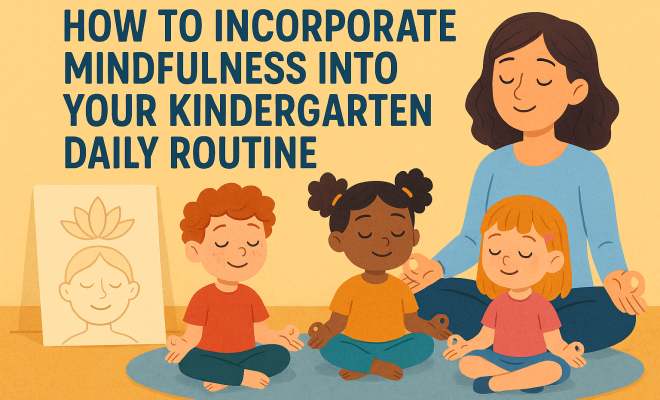
In recent years, the concept of mindfulness has gained traction in various educational circles, and its significance has become particularly evident in early childhood education. Mindfulness in kindergarten not only aids in emotional regulation but also enhances focus and boosts overall well-being among young learners. So, how can educators incorporate mindfulness into their daily routines? Here are eight effective strategies that can easily be implemented to foster a peaceful and focused learning environment.
1. Start the Day with Mindful Moments
Kick off each school day with a moment of mindfulness to set a positive tone. This can be as simple as a brief meditation session, where children close their eyes and take deep breaths together. Encourage them to focus on their breathing and the sensations of their bodies. Research has shown that just a few minutes of focused breathing can help reduce anxiety and improve concentration throughout the day.
Additionally, integrating a morning circle time that includes mindfulness can be beneficial. Teachers can share a positive affirmation or read a short story that emphasizes mindfulness. This not only helps establish a routine but also allows children to engage socially and emotionally with their peers, setting a supportive atmosphere right from the start.
2. Incorporate Mindful Breathing Exercises
Mindful breathing exercises are one of the most accessible practices for young children. Teachers can introduce techniques like “bubble breathing,” where children imagine inflating a bubble as they inhale deeply and then slowly exhale to let the bubble float away. This playful approach helps children visualize their breath and promotes relaxation.
Another effective method is the “5-4-3-2-1” technique, where children identify five things they can see, four they can touch, three they can hear, two they can smell, and one they can taste. This exercise encourages them to ground themselves in the present moment, enhancing their sensory awareness and mindfulness.
3. Mindfulness Through Movement
Physical activity can be a fantastic way to introduce mindfulness. Incorporating yoga or gentle stretching into your daily routine can help children connect with their bodies and breath. Simple poses, such as “tree pose” or “cat-cow stretch,” can not only improve flexibility and strength but also enhance focus and calmness.
Another movement-based practice is mindful walking. Organize a short walk around the playground or classroom, asking children to pay attention to the sensations of their feet touching the ground, the wind on their skin, and the sounds around them. This simple practice of being present during movement can be both grounding and energizing.
4. Mindful Snack Time
Transforming snack time into a mindful moment can significantly impact children’s awareness and appreciation for food. Begin by encouraging children to express gratitude for their meals. This can be done through a simple phrase like, “I am grateful for this snack because it helps me grow strong!”
During snack time, instruct children to eat slowly, focusing on the taste, texture, and smell of their food. Encourage them to notice how they feel after taking a bite—are they full, happy, or energized? This practice not only promotes healthy eating habits but also fosters mindfulness in daily activities.
5. Create a Calm Corner
A designated calm corner in the classroom can serve as a sanctuary for children needing a break. Stock this space with mindfulness resources like soft cushions, calming visuals, books about emotions, and sensory tools like stress balls or fidget toys. When children feel overwhelmed, they can retreat to this area to practice mindfulness techniques or simply take a moment for themselves. (See: Mental health resources for youth.)
Additionally, the calm corner can be a space for guided meditation sessions. Teachers can provide guided imagery exercises, inviting children to visualize a peaceful place or an animal they love. This not only helps them with self-regulation but also encourages them to express themselves in a safe environment.
6. Storytime with a Mindful Twist
Storytime is a staple in kindergarten classrooms, and it can also be a powerful tool for teaching mindfulness. Choose books that explore themes of mindfulness, empathy, and emotional intelligence. Titles like “The Rabbit Listened” by Cori Doerrfeld or “Breathe Like a Bear” by Kira Willey can spark meaningful discussions about feelings and mindfulness.
After reading, facilitate a conversation about the story’s themes and encourage children to share their thoughts and feelings. This not only deepens their understanding of mindfulness but also fosters a sense of community and belonging within the classroom.
7. Teach Emotional Awareness
Integrating emotional awareness into daily routines is fundamental for fostering mindfulness in kindergarten. Educators can introduce tools like emotion charts or feeling wheels, helping children identify and express their emotions. This practice encourages self-awareness and prepares children to handle their feelings constructively.
Additionally, role-playing scenarios can help children practice responding to various emotions. For example, asking how they would feel in a specific situation can stimulate conversations about empathy and perspective-taking. By nurturing emotional intelligence, educators cultivate a mindful classroom environment where children feel safe expressing themselves.
8. Engage Families in Mindfulness Practices
Finally, involving families in mindfulness practices can enhance the impact of these techniques. Sending home information about mindfulness activities allows parents to reinforce these practices in the home environment. Encourage them to establish a daily breathing routine or to practice gratitude as a family.
Consider holding workshops or informational sessions for parents to learn about mindfulness in kindergarten. This collaboration between school and home can create a consistent mindfulness practice that benefits the child’s emotional and social development.
9. The Science of Mindfulness: Why It Matters in Kindergarten
Understanding the science behind mindfulness can help educators appreciate its importance. Research indicates that mindfulness practices can lead to structural changes in the brain, particularly in areas related to emotional regulation and attention. For young children, who are still developing these cognitive abilities, establishing mindfulness practices can fundamentally shape how they interact with their environment.
According to a study published in the Journal of Applied School Psychology, kindergarten students who participated in a mindfulness program showed significant improvements in behavior and emotional regulation compared to those who did not. This suggests that mindfulness not only enhances individual well-being but also contributes to a more harmonious classroom environment.
10. Mindfulness Techniques Tailored for Different Learning Styles
Every child is unique, and their learning styles can vary significantly. Some children may benefit more from visual aids, while others may thrive on auditory or kinesthetic engagement. Below are a few mindfulness techniques catered to different learning styles: (See: Mindfulness and child development.)
- Visual Learners: Use colorful mindfulness jars filled with glitter. When children shake the jar and watch the glitter settle, they can practice deep breathing and focus their thoughts.
- Auditory Learners: Introduce mindfulness songs or soundscapes that promote relaxation. Playing calming sounds or nature recordings during quiet time can help these children tune into their surroundings.
- Kinesthetic Learners: Incorporate movement-based mindfulness activities, such as mindful dancing or yoga sequences. These activities allow children to engage their bodies while practicing mindfulness.
11. Mindfulness and Social Skills Development
Mindfulness isn’t just about individual practice; it can significantly enhance social interactions among young learners. When children are mindful, they are more present and attentive to their peers. This presence can lead to improved communication and stronger relationships.
Group exercises, such as team-building activities that involve mindful listening, can foster cooperation and empathy. For instance, a “listening circle” can be set up where children take turns sharing their thoughts while others practice active listening. This not only builds social skills but also reinforces the principles of mindfulness.
12. Mindfulness in the Digital Age
In today’s fast-paced, tech-driven world, young children are exposed to screens from an early age. Integrating mindfulness into digital learning can help balance this exposure. Apps and online resources specifically designed for mindfulness can offer engaging content for children. However, educators need to approach screen time mindfully, ensuring that technology enhances rather than detracts from mindfulness practices.
It’s crucial to set clear boundaries around device use in the classroom, encouraging children to take breaks from screens and engage in mindful activities instead. Educators can guide discussions about how to use technology responsibly, blending mindfulness with digital literacy.
13. Mindfulness and the Benefits of Nature
Connecting mindfulness with nature can create profound learning experiences for children. Outdoor settings offer a vibrant backdrop for mindfulness practices, allowing children to engage their senses fully. Nature walks, for instance, can be conducted where children pay attention to the sounds of birds, the rustling of leaves, or the feel of the grass beneath their feet. This connection not only increases their awareness but also nurtures a sense of curiosity and respect for the environment.
Studies show that children who spend time outdoors are more likely to engage in mindfulness practices and exhibit reduced levels of stress and anxiety. Educators can structure outdoor activities that incorporate mindfulness elements, such as guided nature explorations or mindfulness scavenger hunts, where children look for specific items like different types of leaves or colors in nature, enhancing their observational skills.
14. The Role of Teachers in Cultivating Mindfulness
Teachers play a crucial role in modeling mindfulness for their students. When educators practice mindfulness themselves, they create a ripple effect in the classroom. Being calm, present, and patient not only helps teachers manage their stress levels but also provides a living example for children to emulate. Teacher training programs that include mindfulness practices can equip educators with the tools they need to foster a mindful classroom environment effectively.
Regular mindfulness practice can lead to improved job satisfaction and reduced burnout among teachers, allowing them to engage more meaningfully with their students. Workshops that focus on mindfulness strategies for educators, such as mindful communication and stress-reduction techniques, can further enhance the overall classroom experience.
15. FAQ: Mindfulness in Kindergarten
What age should children start practicing mindfulness?
Children can begin practicing mindfulness as early as three years old. Simple breathing exercises and mindful activities can be adapted to suit younger children’s developmental levels.
How long should mindfulness sessions last in kindergarten?
Mindfulness sessions can be as short as 3-5 minutes, especially for younger children. As they become accustomed to the practice, sessions can gradually increase to 10-15 minutes.
Can mindfulness help children with special needs?
Yes, mindfulness can be beneficial for children with special needs. It can help them develop self-regulation skills and improve focus. Tailoring mindfulness practices to each child’s unique needs can enhance their learning experience.
How can I involve parents in mindfulness practices?
Communicate with parents about the mindfulness practices being implemented in the classroom. Provide them with resources and tips on how to reinforce these practices at home, such as creating a family gratitude jar or practicing mindful breathing.
What are some signs that mindfulness is effective for my students?
Signs of effective mindfulness practices in students may include improved focus, better emotional regulation, decreased anxiety, and a more positive classroom environment. Teachers may also notice greater cooperation and social interaction among students.
Can mindfulness in kindergarten promote academic success?
Absolutely! Research indicates that mindfulness practices can improve attention and concentration, which are critical skills for academic achievement. When children are more focused and less anxious, they are better equipped to absorb new information and engage in classroom activities.
Are there specific mindfulness programs designed for young children?
Yes, there are several mindfulness programs tailored specifically for young children, such as MindUp, Calm Classroom, and Inner Explorer. These programs provide structured curricula that educators can use to instill mindfulness practices within the classroom setting.
Mindfulness in kindergarten is not just a trend—it’s a valuable framework for supporting children’s growth and well-being. By integrating these strategies into daily routines, educators can create a nurturing environment that fosters resilience, emotional regulation, and focus. As mindfulness becomes a part of the fabric of early education, children can develop essential skills that will benefit them throughout their lives.
“`
Trending Now
- the complete explanation
- this guide on 7 reasons students with adhd struggle with pragmatic language skills
- Understanding Pragmatics Challenges in English Language Learners: Key Insights for Teachers
- 7 Essential Strategies to Foster Pragmatic Language Development in Preschoolers
- this guide on unlocking language: the intricate dance of pragmatics, semantics, and syntax
Frequently Asked Questions
How can mindfulness help kindergarten students?
Mindfulness helps kindergarten students by aiding emotional regulation, enhancing focus, and boosting overall well-being. Incorporating mindfulness practices into their daily routine can significantly reduce anxiety and improve concentration, creating a more peaceful and focused learning environment.
What are some mindfulness activities for kids?
Some effective mindfulness activities for kids include mindful breathing exercises, such as 'bubble breathing' and the '5-4-3-2-1' technique. These activities encourage children to focus on their breath and engage their senses, promoting relaxation and present-moment awareness.
How do you start a mindfulness routine in kindergarten?
To start a mindfulness routine in kindergarten, begin each day with a mindful moment, such as a brief meditation or a morning circle time that includes positive affirmations. This sets a positive tone and fosters social and emotional engagement among students.
What are the benefits of mindfulness in early childhood education?
The benefits of mindfulness in early childhood education include improved emotional regulation, enhanced attention span, and better overall well-being. Mindfulness practices help children manage stress and anxiety, leading to a more conducive learning environment.
Can mindfulness improve focus in young children?
Yes, mindfulness can significantly improve focus in young children. Practices such as mindful breathing and sensory exercises help them develop concentration skills, which can lead to better engagement and participation in classroom activities.
Have you experienced this yourself? We’d love to hear your story in the comments.