AI in Mental Health: Promise, Peril, and the Future of Support
“`html
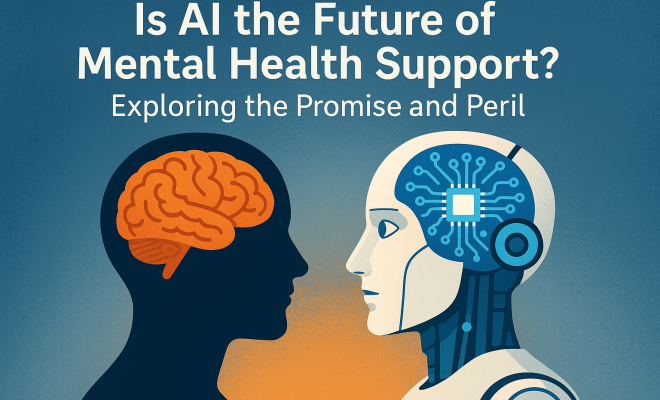
In recent years, there’s been a notable surge in discussions surrounding artificial intelligence mental health. As technology continues to evolve, many are intrigued by how AI can be harnessed to provide early support for individuals battling mental health challenges, particularly depression. This exploration is timely, especially given the backdrop of a global mental health crisis exacerbated by the pandemic. But while the potential for AI in this field is vast, it also raises significant concerns about accuracy, safety, and the risk of overreliance on technology for emotional support.
The Rise of AI in Mental Health
The integration of artificial intelligence into mental health care isn’t a distant prospect; it’s happening now. Companies are leveraging machine learning algorithms to develop chatbots and virtual therapists designed to interact with users and provide immediate assistance. For many, these tools offer a sense of comfort and accessibility that traditional therapy might not. After all, not everyone has the means or opportunity to seek in-person help.
As per a report from the World Health Organization, the demand for mental health services has surged, with an estimated 1 in 4 individuals experiencing some form of mental health issue in their lifetime. In light of this, AI platforms present a scalable solution to meet the increasing demand while also reducing the stigma associated with seeking help. Several AI-driven applications, like Woebot and Wysa, have been developed specifically to aid users in managing their mental health through conversational interfaces.
Understanding the Promise of AI
The potential benefits of employing artificial intelligence mental health tools are manifold. For one, they provide immediate support. Imagine a late-night moment of anxiety or depression; having an AI app available to talk to can feel like a lifeline. This instant accessibility can help prevent individuals from spiraling deeper into their struggles.
Moreover, AI-driven tools can provide personalized support that is tailored to the needs and preferences of individual users. By analyzing user interactions, these platforms can adapt their recommendations and responses accordingly, offering a level of customization that is often difficult to achieve in traditional therapy settings. This adaptability can enhance the therapeutic experience, making users feel more understood and supported.
The Perils of AI in Mental Health Support
Despite the promising aspects of artificial intelligence in mental health, significant challenges remain. One of the foremost concerns is accuracy. AI systems are only as good as the data they are trained on; if the underlying data is flawed, the results can be misleading. In mental health, where nuances in human emotion and experience are critical, a misstep could lead to harmful recommendations or misdiagnosis.
Safety is another vital issue. For many individuals, mental health is a sensitive topic, and the last thing they need is a poorly designed AI tool that exacerbates their condition. There’s a risk that users may rely too heavily on AI support, bypassing essential professional care. This reliance could lead to situations where individuals are left vulnerable during critical moments.
The Emotional Impact of AI Interactions
The emotional aspect of interacting with AI is another area of concern. While digital support can be beneficial, it’s essential to remember that AI lacks the human touch. Empathy, understanding, and genuine emotional connection are crucial components of effective mental health care. Users may feel a sense of solace in discussing their feelings with a chatbot, but can it truly replace the depth of interaction found in human therapy?
Studies have shown that while some users find comfort in AI interactions, others report feeling disconnected or misunderstood. This emotional dissonance could lead to frustration or an increased sense of isolation. For those struggling with severe mental health issues, the absence of a human connection can be detrimental.
Expert Perspectives: What Do Professionals Say?
Mental health professionals are divided on the issue of AI in therapy. Many acknowledge the potential benefits but caution against replacing traditional therapy entirely. Dr. John Torous, a psychiatrist and director of the Digital Psychiatry Division at Beth Israel Deaconess Medical Center, emphasizes that AI can enhance, but not replace, human-based care. He notes that AI tools can serve as an adjunct to therapy, providing supplementary resources to clients. (See: World Health Organization on mental health.)
Moreover, mental health experts stress the importance of ensuring that AI applications are grounded in evidence-based practices. Tools that lack proper validation or are purely algorithmic can do more harm than good. As exciting as the advancements may be, the mental health field must approach AI with a critical lens.
Case Studies: Successful Implementations of AI
Despite the challenges, there are notable examples of successful AI implementations in mental health care. One such case is the use of an AI chatbot named Woebot, developed by Dr. Alison Darcy. Woebot employs cognitive-behavioral therapy (CBT) principles to help users manage their mental health through guided conversations. Early studies suggest that users of Woebot experience significant reductions in anxiety and depression symptoms.
Another promising example is the use of AI in predictive analytics. Some platforms analyze user data to identify individuals at risk of developing severe mental health conditions. By flagging these users early, healthcare providers can intervene before issues escalate, potentially saving lives.
Future Directions: Balancing Innovation and Ethics
As artificial intelligence mental health tools continue to evolve, it’s crucial to prioritize ethical considerations. Developers must ensure that AI applications are transparent, equitable, and accessible to all users. Addressing issues like data privacy and algorithm bias is essential to building trust among users.
Furthermore, ongoing research and collaboration between technologists and mental health professionals can help bridge the gap between innovation and clinical practice. By establishing guidelines and best practices for AI tools, the mental health field can harness technology’s power while safeguarding patient welfare.
The Role of Social Media in AI Mental Health Discussions
Social media plays a significant role in shaping public perceptions of mental health and AI. Platforms like Instagram and Twitter have become hubs for discussions surrounding mental health awareness and the potential of technological solutions. By sharing personal experiences and insights, users can create a supportive community that fosters open dialogue about mental health challenges.
However, caution is advised. Misinformation can spread rapidly on social media, leading individuals to make uninformed decisions about their mental health care. It’s crucial that users remain discerning about the information they encounter online and consult qualified professionals when seeking help.
How to Approach AI Tools Responsibly
If you’re considering using AI-powered mental health tools, here are a few tips to approach them responsibly:
- Do Your Research: Before downloading an app, read reviews and check for clinical validation. Look for tools that are backed by mental health professionals.
- Complement, Don’t Replace: Use AI tools as a complement to traditional therapy, not a substitute. They can provide additional resources but should not replace human connection.
- Stay Critical: Be aware of the limitations of AI. It may provide support, but it lacks the nuanced understanding and empathy of human therapists.
- Prioritize Safety: If you ever feel overwhelmed or in crisis, seek immediate support from a qualified mental health professional.
The Importance of Data Privacy in AI Mental Health
When adopting AI tools for mental health, one of the most pressing concerns is data privacy. Personal mental health information is sensitive and can significantly influence how individuals perceive themselves and their treatment options. Companies developing AI applications must take rigorous steps to protect user data.
According to a survey by the American Psychological Association, over 60% of users are concerned about how their data is being used. This concern highlights the importance of transparency in data collection and usage policies. AI tools should provide clear information about what data is collected, how it’s used, and who has access to it. Ensuring data is anonymized and secure is essential for building trust with users.
Statistics and Current Trends in AI Mental Health
Several statistics illuminate the growing intersection of AI and mental health care: (See: National Institute of Mental Health statistics.)
- According to a recent report by McKinsey, the global mental health market is expected to grow to $240 billion by 2026, in part due to the rise of AI solutions.
- A study published in the journal Nature found that AI-driven mental health apps can reduce symptoms of anxiety by up to 50% in some users.
- Approximately 70% of individuals using mental health apps report feeling more empowered to manage their mental health issues.
These trends showcase that AI applications are not only gaining popularity but also effectiveness in supporting mental health care. However, as the market expands, it’s essential to maintain a focus on quality and efficacy over sheer quantity.
Comparing Human Therapy and AI Tools
Many people wonder how AI tools stack up against traditional human therapy. While both can be beneficial, they serve different purposes and come with distinct advantages and limitations. Here’s a quick comparison:
| Feature | Human Therapy | AI Tools |
|---|---|---|
| Empathy | High – Human therapists can empathize and connect deeply with clients. | Low – AI lacks emotional understanding. |
| Accessibility | Limited – Requires scheduling and often location-based. | High – Available 24/7 from anywhere. |
| Personalization | High – Tailored treatment based on nuanced understanding. | Variable – Can be personalized but lacks depth. |
| Cost | High – Traditional therapy can be expensive. | Low – Many AI tools are free or low-cost. |
| Data Privacy | Moderate – Subject to ethical standards and regulations. | Variable – Users must research data practices. |
This comparison underscores the idea that while AI can supplement mental health care, it’s not a one-size-fits-all solution. Many individuals may benefit from a hybrid approach that combines both human and AI support.
FAQ: Artificial Intelligence in Mental Health
1. Can AI really help with serious mental health issues?
AI tools can provide support and resources for those with serious mental health issues, but they should not be seen as a replacement for professional care. They can serve as an adjunct to therapy, offering additional coping strategies and support.
2. Are AI mental health apps safe to use?
Safety largely depends on the specific app and its data handling practices. It’s essential to research the app thoroughly and ensure it has been validated by mental health professionals before use.
3. How do I choose the right AI mental health tool for me?
Consider your specific needs, read reviews, check for clinical validation, and explore apps that offer features you find appealing, such as chat support, guided exercises, or symptom tracking.
4. Will using an AI tool prevent me from needing a therapist?
Not necessarily. AI tools can complement traditional therapy but should not replace the nuanced understanding and emotional support provided by human therapists, especially for more severe mental health issues.
5. How can AI help reduce the stigma around mental health?
By making mental health resources more accessible and engaging in conversations through chatbots and apps, AI can help normalize discussions around mental health and encourage individuals to seek help.
Emerging AI Technologies in Mental Health
As artificial intelligence continues to advance, several emerging technologies are making waves in the mental health landscape. For instance, sentiment analysis tools can evaluate users’ emotional states based on their written or spoken language. This technology can help AI applications understand context better and respond more appropriately to users’ needs. With the capacity to analyze large volumes of data quickly, sentiment analysis can also reveal trends in mental health issues across populations, which can be beneficial for research and intervention strategies.
Another exciting innovation is the use of virtual reality (VR) in conjunction with AI. VR therapy can immerse users in controlled environments designed to help them confront fears or practice coping strategies. By integrating AI into these platforms, users can receive real-time feedback and support based on their interactions within the VR space. This combination could redefine therapeutic experiences, making them more engaging and effective. (See: AP News on AI in mental health.)
Incorporating AI in Traditional Therapy Settings
There’s also a growing trend of integrating AI tools into traditional therapy settings. Some therapists are beginning to use AI-driven apps as supplementary tools to enhance their sessions. For instance, therapists might assign users to track their moods or thought patterns through an app before discussing them in therapy. This approach allows for more structured sessions, where the focus can be on resolving patterns and behaviors illuminated by the AI tool.
Furthermore, AI can assist therapists in administrative tasks, such as documentation and scheduling, freeing up their time to focus more on patient care. By streamlining these processes, therapists can provide more effective and personalized care while AI manages the logistical aspects of practice.
Global Perspectives on AI in Mental Health
The conversation about AI and mental health is not limited to the United States; it’s a global dialogue. In countries with limited access to mental health professionals, AI tools can provide critical support. For instance, in regions of Africa and Asia where mental health resources are scarce, AI applications can help bridge the gap, offering basic support and information. They can also serve as a first point of contact for individuals who may be hesitant to seek traditional help due to cultural stigmas.
However, it’s essential to consider the cultural context when implementing AI solutions. What works in one country may not be effective in another, and developers must work closely with local mental health professionals to tailor their solutions appropriately. Understanding cultural attitudes towards mental health and technology will be crucial for the successful integration of AI in diverse communities.
Challenges in AI Development for Mental Health
While the potential for AI in mental health is significant, there are many hurdles that developers and stakeholders face. One prominent challenge is the ethical implications of AI decision-making. If an AI system provides incorrect advice or misdiagnoses a user, the repercussions can be severe. Developers must navigate these ethical waters, ensuring that their systems are not only effective but also safe and responsible.
Additionally, the regulatory landscape surrounding AI in mental health is still evolving. Governments and organizations worldwide are grappling with how to regulate AI applications effectively. Striking a balance between promoting innovation and protecting users will require ongoing dialogue and collaboration among technologists, mental health professionals, and policymakers.
Conclusion: The Path Forward
The intersection of artificial intelligence mental health carries both promise and peril. While AI can offer innovative solutions for early mental health support, it’s essential to tread carefully. Emphasizing accuracy, safety, and the importance of the human touch will be critical as we move forward. As these technologies continue to develop, society must remain vigilant, balancing the excitement of innovation with the ethical considerations that accompany it.
“`
Trending Now
Frequently Asked Questions
How is AI being used in mental health support?
AI is being integrated into mental health support through chatbots and virtual therapists that provide immediate assistance. These tools leverage machine learning algorithms to offer accessible and scalable solutions for individuals seeking help, especially when traditional therapy options are limited.
What are the benefits of using AI for mental health?
The benefits of using AI for mental health include immediate support, accessibility, and the ability to reduce stigma associated with seeking help. AI tools can provide comfort and assistance during critical moments, making mental health resources more available to those in need.
What are the risks of relying on AI for mental health care?
Relying on AI for mental health care presents risks such as concerns about accuracy, safety, and the potential for overreliance on technology. Users may miss out on the nuanced support that human therapists provide, which is crucial for effective mental health treatment.
Can AI really help with depression?
Yes, AI can help with depression by offering immediate support through conversational interfaces. Applications like Woebot and Wysa are designed to assist users in managing their mental health, providing a convenient resource for those who may not have access to traditional therapy.
Is AI the future of mental health treatment?
AI has the potential to play a significant role in the future of mental health treatment by addressing the increasing demand for services. However, it must be implemented carefully, considering the importance of human interaction and the need for accurate, safe tools.
Have you experienced this yourself? We’d love to hear your story in the comments.