Intel’s 18A Chips Enter Production: A New Era for CPUs
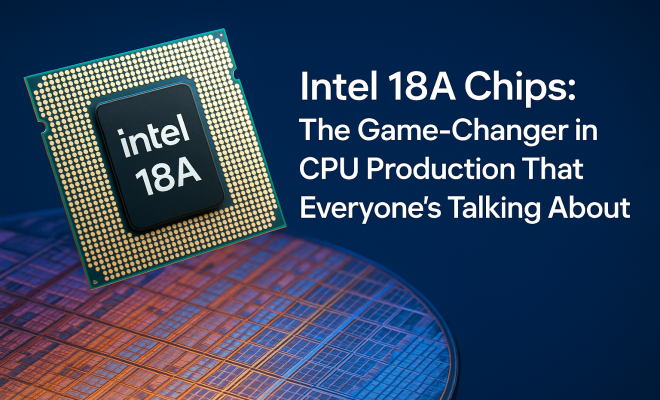
“`html
In a remarkable turn of events, Intel has officially announced that its 18A-P chips have entered initial production. This milestone is not merely a footnote in the vast world of semiconductors; it’s a pivotal moment for Intel’s comeback narrative, especially as the demand for CPUs continues to soar. With the rise of next-gen gaming, AI applications, and data-intensive tasks, the implications of this latest development stretch far beyond corporate boardrooms—impacting gamers, tech enthusiasts, and investors alike.
Understanding the 18A Architecture
The 18A architecture marks a significant evolution in Intel’s chip production strategy. As the company pivots from its previous challenges, this new architecture promises to deliver enhanced performance and efficiency. The “A” in 18A stands for Angstrom, which reflects the advanced manufacturing process that operates at a scale of just 18 angstroms. This level of precision allows for greater transistor density, leading to improved power efficiency and processing capabilities.
From consumer-friendly Core Series 3 chips that cater to everyday users to the Xeon 6+ chips designed for enterprise data centers, Intel’s foray into the 18A architecture is a response to the diverse and rapidly evolving needs of the market. The newly minted 18A-P chips are specifically tailored for laptops and servers, aiming to create a robust ecosystem that meets both performance demands and energy efficiency standards.
Rising CPU Demand and Market Dynamics
The demand for CPUs has seen a significant uptick in recent years, driven largely by the surge in cloud computing, AI applications, and, of course, gaming. As more consumers and businesses turn to technology to drive efficiency and innovation, the need for powerful, reliable processors has never been more critical. According to recent market research, the global CPU market is projected to grow at a compound annual growth rate (CAGR) of over 5% through 2027, underscoring the urgency behind Intel’s latest production decision.
Intel’s ability to ramp up production of its 18A chips comes at a crucial juncture. Competitors like AMD and Nvidia have been making significant strides in the market, with advanced architectures and aggressive pricing strategies. As Intel embarks on its recovery narrative, the introduction of the 18A-P process node could serve as a catalyst to regain lost market share and consumer confidence.
The Competitive Landscape
In the fiercely competitive semiconductor industry, the stakes have never been higher. Companies like AMD and Nvidia have been proactive, releasing cutting-edge chips that cater to gamers, data centers, and everything in between. Intel’s 18A-P chips will need to not only compete on performance but also on features and price points.
For instance, AMD’s Ryzen processors have gained traction in the gaming community due to their excellent price-to-performance ratio. Meanwhile, Nvidia’s GPUs remain the gold standard for graphics performance, further complicating Intel’s position. The introduction of the 18A architecture could be Intel’s ticket to closing the performance gap, especially as the demand for gaming and high-performance computing continues to rise.
Technical Features and Advantages of 18A-P Chips
One of the most exciting aspects of the Intel 18A chips is their technical advancements. The 18A-P chips are designed to offer superior power efficiency, which is critical for laptops and servers that operate under heavy loads. With energy efficiency becoming a top priority for manufacturers and consumers alike, these chips present a promising solution.
Furthermore, the 18A-P production process allows for a higher transistor density, which translates to faster processing speeds and improved performance metrics. For gamers, this means smoother frame rates and enhanced graphics processing capabilities, positioning Intel as a strong contender in the gaming hardware space. Additionally, the support for advanced AI workloads further solidifies its place in the future of computing.
Impacts on Gaming Hardware and Performance
As gaming demands escalate—thanks to higher resolutions, augmented reality, and virtual reality—having a robust CPU becomes increasingly important. The performance of Intel 18A chips directly affects gaming PCs and their capability to render graphics smoothly, perform complex calculations, and handle multitasking seamlessly.
For instance, imagine playing the latest AAA titles where every millisecond counts. A well-optimized CPU can mean the difference between winning and losing in competitive scenarios. The 18A-P chips are expected to elevate the gaming experience by providing the necessary horsepower to tackle these demanding tasks. (See: New Developments in Intel's Chip Production.)
The Broader Semiconductor Ecosystem
The journey of Intel’s 18A chips also reflects the complexities of the global semiconductor ecosystem. The COVID-19 pandemic exposed vulnerabilities in supply chains, leading to shortages that impacted not only consumers but also manufacturers. As demand surged, companies scrambled to secure components, making it clear that stability in semiconductor production is paramount.
With Intel’s commitment to ramping up production, there’s hope that the company can help stabilize the market. A more reliable supply of 18A chips could ease some of the pressure on manufacturers and retailers alike, ultimately benefiting consumers who have faced inflated prices and limited availability.
Investor Sentiments and Stock Market Reactions
The announcement regarding the 18A-P chips has created a buzz among investors, many of whom are keenly observing Intel’s strategic movements. A successful launch could potentially bolster Intel’s stock performance, especially if it leads to increased sales and improved market share. Tech stocks have been known for their volatility, and any news that signals progress can swiftly change investor sentiment.
Recent stock market trends indicate a cautious optimism surrounding Intel, particularly after the company’s struggles in the past few years. Analysts are keeping a close eye on how the production of 18A chips plays out and whether it aligns with Intel’s broader recovery narrative. If successful, it could pave the way for a gradual resurgence in the stock price, attracting both individual and institutional investors.
Future Prospects and Innovations
The launch of the Intel 18A chips is just the beginning. As technology evolves, so too will Intel’s approach to chip design and manufacturing. Future innovations may include advanced cooling solutions, integration with AI technologies, and enhanced connectivity features that cater specifically to gamers and content creators.
Moreover, Intel’s plans to invest heavily in R&D could lead to new breakthroughs that further solidify its position in the semiconductor race. With competitors constantly pushing the envelope, Intel must remain agile and innovative to keep pace.
A Deep Dive into Intel’s 18A-P Chip Features
To better understand the significance of the Intel 18A chips, let’s explore some of their notable features. One of the standout advancements is the integration of Intel’s Foveros technology. This 3D packaging technology allows multiple chiplets to be stacked vertically, improving performance and efficiency without increasing the footprint. This is particularly beneficial for mobile devices, where space is at a premium.
Additionally, the 18A-P chips will support DDR5 memory, which offers faster data rates and improved bandwidth compared to its predecessor, DDR4. This enhancement is vital for applications that require rapid data transfer, such as gaming and AI-driven tasks. As more devices adopt DDR5, the overall ecosystem will benefit from increased performance.
Another innovative feature is the incorporation of AI accelerators directly into the CPU architecture. This allows for real-time processing of AI tasks, such as image recognition and natural language processing, without the need for a discrete GPU. As AI continues to permeate various sectors, having a CPU that can handle these tasks efficiently will be a game-changer.
The Environmental Impact of 18A-P Chip Production
Intel has also made strides in ensuring that the production of its 18A chips is more environmentally friendly. The company has committed to reducing its carbon footprint and is working towards achieving net-zero greenhouse gas emissions by 2040. This includes implementing sustainable practices in their manufacturing processes and investing in renewable energy sources.
Moreover, the efficiency of the 18A architecture means that devices powered by these chips will consume less power, thereby reducing energy costs for consumers and organizations. This aspect not only benefits users but also contributes to global efforts in combating climate change. Companies increasingly recognize the importance of sustainability in their operations, and Intel’s proactive measures may set a precedent for the industry.
Expert Perspectives on Intel’s 18A Chips
To gain a deeper understanding of the implications of the Intel 18A chips, we spoke to several industry experts and analysts. One prominent semiconductor analyst noted, “The 18A architecture represents a bold step for Intel. It’s not just about catching up; it’s about redefining what consumers can expect from their processors. The integration of AI capabilities and the shift towards sustainability are indicative of where the industry is heading.” (See: Advancements in Semiconductor Manufacturing.)
Another technology consultant emphasized the competitive edge the 18A chips could provide Intel: “With the rise of AI and machine learning, having a CPU that can handle these workloads natively puts Intel in a unique position. If they execute this right, they can potentially reclaim lost ground against AMD and Nvidia.”
Comparing Intel’s 18A-P Chips with AMD and Nvidia Offerings
It’s essential to put Intel’s 18A-P chips into context by comparing them with AMD’s latest Ryzen series and Nvidia’s GPUs. AMD has made significant advancements with its Zen architecture, particularly in multi-core performance, making it a favorite for content creators and gamers alike. AMD’s latest offerings also support PCIe 5.0, which enhances connectivity for next-gen devices.
Nvidia, on the other hand, has redefined the GPU landscape with its RTX series, which utilizes ray tracing technology and AI-enhanced graphics rendering. This positions Nvidia as the go-to for high-end gaming and graphical tasks. Intel will need to ensure that its 18A-P chips can offer competitive performance, particularly in graphics-intensive scenarios, to win back gamers who may have shifted to AMD or Nvidia platforms.
A comparative analysis of benchmarks will be crucial as the 18A-P chips hit the market. Early reviews and user experiences will provide insight into how they stand against their competitors, particularly in real-world applications.
Expanding the 18A Ecosystem: Collaborations and Partnerships
As Intel prepares for the launch of the 18A-P chips, the company is likely to explore collaborations and partnerships to enhance the ecosystem surrounding these new processors. Collaborations with gaming companies, AI developers, and cloud service providers can create a more integrated experience for end-users. For instance, partnerships with gaming studios might allow Intel to optimize their chips for specific titles, potentially leading to exclusive features or performance enhancements that could differentiate their offerings from AMD and Nvidia.
Additionally, Intel has previously partnered with artificial intelligence firms to integrate advanced AI capabilities into their chips. This strategy not only helps to bolster the functionality of the 18A-P chips but also positions Intel as a leader in AI processing, which could be a significant market differentiator moving forward.
Potential Challenges Ahead for the 18A-P Chips
Despite the excitement around the launch of the 18A-P chips, there are several challenges that Intel could face. One major concern is the rapid pace of technological advancement in the semiconductor industry. As competitors continue to innovate, Intel must ensure that the 18A architecture not only meets current demands but is also adaptable for future technologies. If Intel is unable to keep up with the pace set by AMD and Nvidia, it may struggle to regain its competitive edge.
Moreover, supply chain issues continue to be a concern for semiconductor manufacturers. The 18A chips will require a variety of materials and components that may still be affected by shortages in the global supply chain. Intel needs to develop robust strategies to secure these resources to avoid delays in production and distribution.
FAQ: Everything You Need to Know About Intel 18A Chips
What does the “18A” in Intel’s 18A chips refer to?
The “18A” stands for 18 angstroms, which is the manufacturing process used to create these chips. This advanced technology allows for a greater transistor density, leading to improved performance and energy efficiency.
When will Intel 18A-P chips be available for consumers?
While Intel has announced the commencement of production, the exact release date for the consumer market has not been officially disclosed. Industry analysts speculate that we can expect them in mid to late 2024.
How do Intel’s 18A chips compare to AMD and Nvidia’s offerings?
Intel’s 18A chips are positioned to compete with AMD’s Ryzen processors and Nvidia’s GPUs, particularly in terms of performance, efficiency, and price. Benchmarks will provide a clearer picture once the chips are released.
What applications will benefit most from Intel 18A chips?
These chips are designed for a range of applications, including gaming, AI workloads, and data-intensive tasks. Their enhanced performance capabilities make them suitable for everything from laptops to enterprise servers.
How is Intel addressing environmental concerns with the production of 18A chips?
Intel is committed to sustainability and has implemented measures to reduce its carbon footprint during production. The energy efficiency of the 18A chips also contributes to lower energy consumption in devices that use them.
What are the expected performance improvements with Intel’s 18A-P chips?
The 18A-P chips are expected to deliver significantly improved power efficiency, faster processing speeds, and enhanced graphics capabilities, particularly beneficial for gaming and AI applications.
What role does AI play in the architecture of 18A chips?
The 18A-P chips are designed with integrated AI accelerators that allow for real-time processing of AI tasks. This includes capabilities such as image recognition and natural language processing, which enhance the overall computing experience and efficiency.
How does Intel plan to support developers with the 18A architecture?
Intel plans to support developers through its oneAPI toolkit, which facilitates software optimization for the 18A architecture. This initiative aims to ensure that developers can fully leverage the advanced capabilities of the new chips in their applications.
What is the expected market impact of the 18A-P chips?
The introduction of the 18A-P chips is anticipated to stimulate competition in the CPU market, potentially leading to more innovation and better pricing for consumers. As Intel seeks to regain market share, the chips could also influence the strategic direction of competitors like AMD and Nvidia.
Conclusion: A New Era for Intel and Beyond
As the tech landscape evolves, Intel’s 18A-P chips represent a significant shift not just for the company but for the industry as a whole. With rising CPU demands and a focus on efficiency and performance, these chips may very well play a crucial role in the future of computing. For gamers, tech enthusiasts, and investors alike, the implications are both exciting and promising. Intel’s comeback story is just beginning, and the world will be watching closely as these developments unfold.
“`
Trending Now
Frequently Asked Questions
What is Intel 18A architecture?
The Intel 18A architecture represents a significant advancement in chip production, utilizing a manufacturing process that operates at just 18 angstroms. This level of precision enhances transistor density, improving both power efficiency and processing capabilities, making it suitable for a wide range of applications from consumer devices to enterprise servers.
How does the 18A-P chip impact gaming performance?
The 18A-P chip is designed to enhance gaming performance by providing improved processing power and energy efficiency. With its advanced architecture, it supports next-gen gaming demands, ensuring smoother gameplay and better graphics while catering to the needs of gamers and tech enthusiasts alike.
What are the benefits of Intel's new 18A-P chips?
Intel's 18A-P chips offer several benefits, including increased performance, lower power consumption, and enhanced efficiency. Tailored for laptops and servers, these chips aim to meet the growing demands of cloud computing, AI applications, and data-intensive tasks, making them crucial for both consumers and businesses.
Why is CPU demand increasing?
CPU demand is on the rise due to the increasing reliance on cloud computing, AI applications, and gaming. As technology continues to evolve, both consumers and businesses seek powerful and reliable processors to enhance efficiency and innovation, leading to a projected growth rate of over 5% in the global CPU market through 2027.
What markets will benefit from Intel's 18A chips?
Intel's 18A chips are expected to benefit various markets, including consumer electronics, gaming, and enterprise data centers. By addressing the diverse needs of these sectors, the 18A architecture aims to provide robust performance and energy efficiency, catering to both everyday users and professional applications.
What did we miss? Let us know in the comments and join the conversation.