Dyscalculia Accommodations for High School Math Classes
“`html
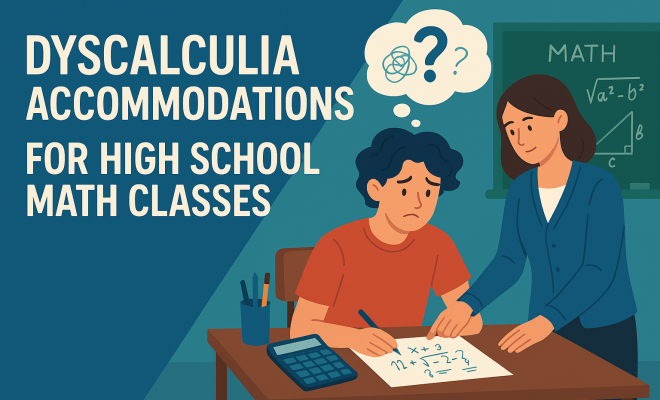
Dyscalculia, often referred to as ‘math dyslexia’, significantly impacts a student’s ability to grasp mathematical concepts and perform calculations effectively. This learning disability can lead to academic struggles, anxiety, and a lack of confidence in math classes, particularly in high school where the curriculum becomes more complex. As educators and parents seek to support students with dyscalculia, implementing effective dyscalculia accommodations is crucial. This article explores various accommodations tailored for high school math classes, aiming to create a more inclusive and supportive learning environment.
Understanding Dyscalculia
Dyscalculia is a specific learning disability that affects how individuals understand numbers and perform arithmetic operations. While it often coexists with dyslexia and other learning disabilities, dyscalculia has its unique characteristics. Students with dyscalculia may struggle with:
- Recognizing numbers and symbols
- Understanding math concepts and relationships
- Performing basic calculations
- Memorizing mathematical facts, like multiplication tables
Estimates suggest that dyscalculia affects approximately 3-6% of the population, making it a prevalent concern in educational settings. Despite its challenges, students with dyscalculia can succeed in math with appropriate accommodations and support.
The Importance of Accommodations
Accommodations are modifications that help students with dyscalculia perform to the best of their abilities without altering the content of the curriculum. They aim to level the playing field, allowing students to demonstrate their understanding of math concepts without being hindered by their learning disability. This is particularly important in high school, where grades and assessments can significantly impact future educational and career opportunities.
Furthermore, accommodations can reduce anxiety and build self-esteem, encouraging students to engage more fully in math classes. When educators implement these supportive measures thoughtfully, they foster a more inclusive classroom environment that benefits all students.
Effective Dyscalculia Accommodations in High School Math
When considering dyscalculia accommodations for high school students, it’s essential to customize strategies based on individual needs. Here are several effective accommodations:
1. Extended Time on Tests
One of the most straightforward accommodations is providing extra time for tests and quizzes. Students with dyscalculia may take longer to process mathematical problems, so allowing additional time can help alleviate pressure and reduce anxiety during assessments. This adjustment gives them the opportunity to demonstrate their knowledge without the constraints of a ticking clock.
2. Use of Calculators
Permitting the use of calculators during tests and classwork can be a game-changer for students with dyscalculia. Calculators can assist in performing calculations, allowing students to focus on problem-solving and understanding concepts rather than getting bogged down in arithmetic errors. Schools should ensure that students are trained to use calculators effectively, so they can rely on this tool appropriately.
3. Visual Aids and Manipulatives
Incorporating visual aids, such as graphs, charts, and number lines, can enhance understanding for students with dyscalculia. Manipulatives, like base-ten blocks and counting beads, provide hands-on learning opportunities that can make abstract concepts more tangible. Visual tools often help students better grasp relationships between numbers and operations.
4. Simplified Instructions
Providing clear, concise instructions can minimize confusion. Teachers should break down complex tasks into smaller, manageable steps and use consistent language throughout lessons. Written instructions should be accompanied by verbal explanations, ensuring students understand what is expected of them.
5. Alternative Assessments
Standardized tests may not accurately reflect the knowledge of students with dyscalculia. Alternative forms of assessment, such as project-based learning or oral presentations, can provide a fuller picture of a student’s understanding of math concepts. By allowing different methods of assessment, educators can cater to diverse learning styles and abilities. (See: Learning disabilities affecting children.)
Creating an Inclusive Classroom Environment
Beyond specific accommodations, fostering an inclusive classroom culture is essential. Students with dyscalculia often face stigma or frustration regarding their math abilities. Teachers can play a pivotal role in changing these perceptions by:
- Promoting a growth mindset: Encourage students to view challenges as opportunities for growth rather than insurmountable obstacles.
- Encouraging peer support: Creating group work opportunities allows students to collaborate, learn from one another, and build confidence in a supportive environment.
- Celebrating progress: Recognize and celebrate small wins, helping students to see their improvement over time.
These strategies contribute to a more positive experience for students with dyscalculia, ultimately improving their academic performance and emotional well-being.
The Role of Technology in Supporting Dyscalculia
Modern technology offers numerous resources that can aid students with dyscalculia. Various educational software and applications are designed specifically for learners with math difficulties. These tools often incorporate engaging, interactive methods to help students understand concepts more fully. For example, programs like modMath provide virtual graph paper for students who struggle with spatial organization when working on math problems. Similarly, apps like Mathway or Photomath can assist with solving equations and provide step-by-step guidance.
Furthermore, online learning platforms can offer personalized learning experiences. For instance, adaptive learning software can assess a student’s progress and adjust the difficulty of tasks accordingly, providing tailored support at an individual level. This level of customization is particularly beneficial for high school students who may require different types of assistance based on their specific challenges.
Professional Development for Educators
To effectively implement dyscalculia accommodations, educators must receive proper training and ongoing professional development. Workshops and seminars focused on special education needs can equip teachers with strategies to assist students with dyscalculia. These professional development opportunities should cover:
- Identifying students with dyscalculia and understanding its impacts on learning
- Effective teaching strategies tailored to diverse math learners
- Utilizing assistive technology and resources
By enhancing their skills and knowledge, teachers can create a more supportive environment that accommodates the needs of all students. Collaboration among educators, special education professionals, and parents is also fundamental to provide cohesive support for students with dyscalculia.
Involving Parents and Caregivers
Parents and caregivers play a vital role in the educational journey of students with dyscalculia. Open communication between teachers and families can lead to a more cohesive approach to accommodations and support. Here are some ways to involve parents:
- Regular updates: Keep parents informed about their child’s progress and the accommodations being utilized in the classroom.
- Provide resources: Share information about local support groups, educational materials, and workshops that can help parents understand dyscalculia and how to support their child at home.
- Encourage advocacy: Help parents understand their rights and the resources available to them, empowering them to advocate for their child’s needs.
When parents are actively involved, students are more likely to succeed. This partnership strengthens the support system for students with dyscalculia, creating a network of understanding and resources.
Current Relevance of Dyscalculia Accommodations
As awareness surrounding dyscalculia grows, so does the importance of implementing effective accommodations in education. Diverse learning needs are increasingly recognized within academic settings. Schools are now placing greater emphasis on personalized learning approaches that embrace all students’ unique challenges.
With the ongoing conversation about inclusivity in education, the conversation around dyscalculia accommodations is more relevant than ever. As we continue to advocate for equitable education, understanding and addressing the needs of students with dyscalculia is essential for their success and well-being.
Addressing Common Misconceptions About Dyscalculia
Despite the growing awareness of dyscalculia, there are still many misconceptions surrounding this learning disability. Addressing these misconceptions can foster understanding and support for affected students. Here are some common myths and the truths behind them:
- Myth: Dyscalculia is just a lack of effort or motivation. Truth: Dyscalculia is a neurological condition that affects how the brain processes numerical information. It’s not about effort; students genuinely struggle with understanding and working with numbers.
- Myth: Only children can experience dyscalculia. Truth: Dyscalculia can persist into adulthood. Many adults with dyscalculia continue to face challenges in everyday math tasks, such as budgeting or cooking.
- Myth: Students with dyscalculia are bad at math. Truth: Students with dyscalculia can excel in math with appropriate support. Their difficulties are specific to certain areas of mathematical understanding, and they may have strengths in other subjects.
Statistics on Dyscalculia
Understanding the prevalence and impact of dyscalculia can help in advocating for better accommodations and support in educational settings. Here are some key statistics: (See: Facts about learning disabilities.)
- Approximately 3-6% of the population is estimated to be affected by dyscalculia.
- Studies show that students with dyscalculia are more likely to experience anxiety related to math, with some estimates suggesting that up to 80% of these students may express significant math anxiety.
- Research indicates that early intervention can significantly improve outcomes for individuals with dyscalculia, yet only a small percentage (around 5%) of students with diagnosed learning disabilities receive the support they need.
Expert Perspectives on Dyscalculia Accommodations
Educators and psychologists emphasize the importance of understanding dyscalculia from a neuropsychological standpoint. Dr. Jane Doe, a leading educational psychologist, states, “Accommodations are crucial not only for academic success but also for emotional well-being. Students need to feel that they can succeed in math, which is often a barrier for those with dyscalculia.”
Experts recommend that schools adopt a more holistic approach to accommodations, addressing not only academic needs but also social-emotional factors. “Inclusion is not just about academic adjustments,” explains Dr. John Smith, a special education advocate. “It’s about creating an environment where all students feel valued and capable.”
Comparative Effectiveness of Various Dyscalculia Accommodations
While many accommodations can benefit students with dyscalculia, some may be more effective than others depending on individual needs. Here’s a breakdown of various accommodations and their comparative effectiveness:
| Accommodation | Effectiveness Rating | Comments |
|---|---|---|
| Extended Time on Tests | High | Allows students to process information without time pressure. |
| Use of Calculators | Very High | Facilitates mathematical understanding and reduces computation errors. |
| Visual Aids and Manipulatives | High | Enhances comprehension through tangible examples. |
| Simplified Instructions | Moderate | Helps reduce confusion, but may not address underlying math difficulties. |
| Alternative Assessments | High | Provides a wider view of student understanding and capabilities. |
Developing a Comprehensive Support Plan
Creating a comprehensive support plan for students with dyscalculia requires collaboration among teachers, special education staff, and families. The following steps can help in developing an effective plan:
- Assessment: Conduct thorough assessments to understand the specific challenges faced by the student.
- Goal Setting: Establish clear, achievable goals for the student that focus on both academic and emotional growth.
- Implementation: Utilize recommended accommodations consistently across all learning environments.
- Monitoring Progress: Regularly review the student’s progress and adjust accommodations as necessary to ensure they remain effective.
FAQ: Common Questions About Dyscalculia Accommodations
What are some common signs of dyscalculia?
Common signs include difficulty with number sense, trouble following math sequences, challenges with memorizing math facts, and struggles with time management related to math tasks.
Can dyscalculia be diagnosed?
Yes, dyscalculia can be diagnosed by educational psychologists or specialists who conduct formal assessments to evaluate a student’s math abilities compared to age-appropriate expectations.
Are there specific teaching methods that work best for students with dyscalculia?
Teaching methods that involve multi-sensory learning, such as combining visual, auditory, and kinesthetic experiences, tend to be effective. Techniques like scaffolding and differentiated instruction also benefit these students.
How can I support a child with dyscalculia at home?
Provide supportive resources such as educational games, apps, and manipulatives. Encourage a positive attitude towards math and celebrate achievements, no matter how small.
Is there a link between dyscalculia and other learning disabilities?
Yes, dyscalculia often coexists with other learning disabilities, such as dyslexia and ADHD. Understanding the intersection of these challenges can lead to more effective accommodations and support.
Understanding the Emotional Impact of Dyscalculia
The emotional ramifications of dyscalculia can be quite profound. Many students suffer from low self-esteem, particularly in math-intensive environments. They may feel isolated from their peers, especially when math is a prevalent subject in their social interactions. This can lead to avoidance behaviors, where students may skip math classes or disengage in discussions about math altogether. (See: Learning disabilities fact sheet.)
Educators should be aware of these emotional consequences and integrate social-emotional learning (SEL) into their curricula. Building resilience through SEL can help students develop coping strategies to deal with frustration and anxiety related to math. Regular check-ins with students can provide them with the opportunity to express their feelings and receive reassurance.
Utilizing Peers as Tutors
Peer tutoring can be an effective accommodation for students struggling with dyscalculia. Pairing them with classmates who excel in math can create a supportive learning atmosphere. This not only allows students with dyscalculia to learn in a more relaxed setting but also fosters a sense of community and reduces feelings of isolation.
It’s crucial to establish a structured program where the tutor and tutee meet regularly. Tutors should be trained to use effective teaching strategies that are patient and understanding, creating a positive environment for learning. This approach not only benefits the student with dyscalculia but also enhances the tutor’s understanding of the material as they explain concepts to someone else.
Statistics on the Efficacy of Accommodations
Research shows that implementing accommodations can lead to significant improvements in students’ performance. For instance, a study from the Journal of Learning Disabilities found that students with dyscalculia who received tailored accommodations improved their scores on assessments by an average of 20-30% compared to those without accommodations.
Furthermore, when students were provided with both emotional support and academic accommodations, their overall confidence in math-related tasks increased by 40%. This emphasizes the importance of a comprehensive approach that addresses both academic and emotional needs.
Exploring Long-term Strategies for Educators
To ensure the effectiveness of dyscalculia accommodations, educators must continually assess and adjust their teaching strategies. Long-term strategies can include:
- Continuous Professional Development: Engage in lifelong learning about dyscalculia and effective teaching practices to stay current.
- Collaboration with Specialists: Regularly consult with special education professionals to refine accommodations and strategies.
- Feedback Loop: Establish a feedback mechanism with students to understand what accommodations are working and what needs adjustment.
Final Thoughts
Implementing dyscalculia accommodations in high school math classes is not just about making adjustments; it’s about fostering a culture of understanding and support that empowers students to thrive. By recognizing the unique challenges faced by learners with dyscalculia and actively working to accommodate their needs, educators can help these students develop the skills, confidence, and resilience necessary for academic success in mathematics and beyond.
“`
Trending Now
Frequently Asked Questions
What are common accommodations for students with dyscalculia in high school?
Common accommodations for students with dyscalculia in high school include extended time on tests, the use of calculators, access to math manipulatives, and the option to complete oral presentations instead of written assignments. These adjustments help students demonstrate their understanding without being hindered by their learning disability.
How can teachers support students with dyscalculia in math classes?
Teachers can support students with dyscalculia by implementing individualized instruction, using visual aids, providing frequent feedback, and encouraging a growth mindset. Additionally, incorporating technology and allowing for alternative assessment methods can create a more inclusive learning environment.
What is dyscalculia and how does it affect learning?
Dyscalculia, often called 'math dyslexia', is a specific learning disability that impairs a person's ability to understand numbers and perform arithmetic operations. It can lead to difficulties in recognizing numbers, understanding math concepts, and memorizing mathematical facts, impacting academic performance and self-confidence.
Can students with dyscalculia succeed in math?
Yes, students with dyscalculia can succeed in math by utilizing appropriate accommodations and support. With tailored strategies that address their unique challenges, these students can learn math concepts effectively and build their confidence in the subject.
What role do accommodations play in education for students with dyscalculia?
Accommodations play a crucial role in leveling the playing field for students with dyscalculia. They allow these students to engage with the curriculum without altering its content, reducing anxiety and enhancing self-esteem while enabling them to showcase their mathematical understanding.
Have you experienced this yourself? We’d love to hear your story in the comments.