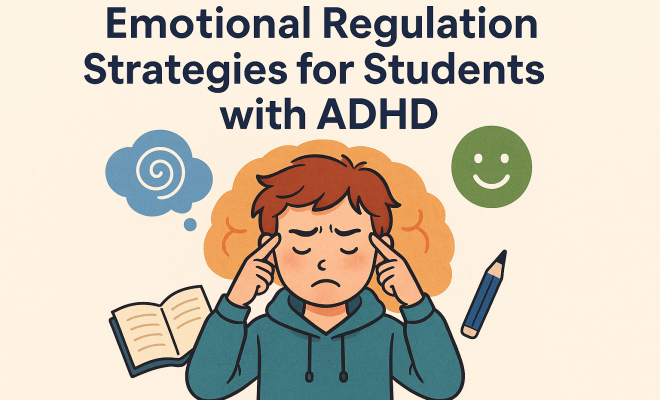
Emotional Regulation Strategies for Students with ADHD
“`html
When it comes to managing ADHD, one of the biggest challenges for students is emotional regulation. Students with ADHD often experience intense emotions, ranging from frustration and anger to excitement and joy, making it difficult for them to maintain focus and control in academic settings. Understanding how emotional regulation impacts ADHD students is crucial for parents, educators, and the students themselves. In this comprehensive article, we will explore effective strategies that can help these students navigate their emotional landscapes, enhancing their learning experience and overall well-being.
Understanding ADHD and Emotional Regulation
Attention Deficit Hyperactivity Disorder (ADHD) affects millions of children and often continues into adulthood. One of the core symptoms of ADHD is emotional dysregulation, which refers to difficulties in managing emotional responses appropriately. According to the CDC, around 6.1 million children between the ages of 2 to 17 have been diagnosed with ADHD in the United States.
For many ADHD students, the inability to regulate emotions can lead to academic struggles, social challenges, and even mental health issues. This emotional volatility can be exacerbated in classroom settings where students are expected to follow strict guidelines and manage their reactions to various stressors.
The Importance of Emotional Regulation in Academic Success
Emotional regulation plays a vital role in a student’s ability to succeed academically. Research shows that students with better emotional regulation skills tend to perform better in school, have better relationships with peers, and exhibit fewer behavioral problems. When students with ADHD learn to control their emotions, they can focus more on their studies and less on their emotional upheavals.
Additionally, effectively managing emotions can help reduce anxiety and improve self-esteem. For ADHD students, mastering emotional regulation can lead to a more positive classroom experience, enabling them to build resilience and confidence.
Ten Effective Emotional Regulation Strategies
Here are ten practical strategies that can help ADHD students develop better emotional regulation skills:
1. Mindfulness and Meditation
Mindfulness practices, such as meditation and deep breathing, can be incredibly beneficial for students with ADHD. By focusing on the present moment, students can become more aware of their emotional triggers and learn to respond more thoughtfully rather than react impulsively. Simple practices like guided breathing exercises can be integrated into the school day, allowing students to take short breaks to center themselves.
2. Understanding Triggers
Identifying emotional triggers is essential for ADHD students. Parents and teachers can work with students to help them recognize situations that cause distress or frustration. This understanding can empower students to develop coping strategies tailored to their specific triggers. For example, if a student finds noisy environments overwhelming, they may benefit from wearing noise-canceling headphones during group activities.
3. Utilizing Visual Aids
Visual aids, such as charts, graphs, and infographics, can help ADHD students better understand and manage their emotions. Creating a feelings chart that displays various emotions can be particularly useful. When students can visually identify how they feel, they’re better equipped to communicate their emotions and engage in self-regulation.
4. Establishing Routines
Creating structured routines can provide ADHD students with a sense of stability and predictability. When students know what to expect throughout the day, it can help reduce anxiety and emotional outbursts. Establishing a routine that includes designated times for work, play, and emotional check-ins can be beneficial.
5. Positive Reinforcement
Positive reinforcement encourages desirable behaviors through rewards or praise. For ADHD students, recognizing and rewarding small achievements can significantly boost their self-esteem and motivate them to continue improving their emotional regulation. For instance, teachers can implement a reward system where students earn points for demonstrating self-control or using coping strategies effectively. (See: CDC ADHD facts and statistics.)
6. Role-Playing Scenarios
Role-playing can help students practice emotional regulation techniques in a safe and supportive environment. By simulating various emotional situations, students can learn how to respond appropriately. This hands-on approach can enhance their problem-solving skills and improve their ability to manage real-life emotional challenges.
7. Developing Coping Strategies
ADHD students need personalized coping strategies to deal with overwhelming emotions. These strategies might include journaling, exercising, or engaging in creative outlets such as art or music. Helping students identify their preferred coping methods empowers them to take charge of their emotional well-being.
8. Collaborating with Professionals
Involving mental health professionals, such as school counselors or psychologists, can provide ADHD students with additional support for emotional regulation. These professionals can offer tailored strategies and interventions based on individual needs. Regular check-ins with a counselor can also create a safe space for students to discuss their feelings and challenges.
9. Engaging in Physical Activity
Physical activity has long been associated with improved mental health. For ADHD students, regular exercise can help reduce anxiety and improve overall emotional regulation. Schools can incorporate movement breaks throughout the day or encourage participation in sports or extracurricular activities that promote physical fitness.
10. Parental Involvement
Parents play a vital role in their child’s emotional regulation journey. Open communication between parents and children can foster an environment where emotions are openly discussed without judgment. Parents can collaborate with teachers to ensure that emotional regulation strategies are consistent both at home and in school.
Current Relevance and Future Directions
As awareness of ADHD grows, so does the understanding of its complexities, particularly regarding emotional regulation. With increasing emphasis on social-emotional learning (SEL) in schools, educators are beginning to recognize the importance of teaching emotional regulation skills alongside academic content.
Several programs are currently being developed to address the needs of ADHD students, focusing on emotional regulation and SEL. These initiatives aim to equip students with tools that will help them thrive both academically and emotionally. Schools are also beginning to implement training for teachers on how to recognize emotional dysregulation and how to support students effectively.
Additional Resources for ADHD Students and Their Families
Finding the right resources can make a significant difference in managing ADHD and emotional regulation. Here are some recommended resources:
- Children and Adults with Attention-Deficit/Hyperactivity Disorder (CHADD) – A national organization providing education, advocacy, and support for individuals with ADHD.
- ADDitude Magazine – Offers articles, webinars, and tools focused on living with ADHD, including emotional regulation strategies.
- National Institute of Child Health and Human Development (NICHD) – Provides research-based information on ADHD, including guidance on management and treatment options.
- Understood.org – A resource dedicated to helping parents of children with learning and attention issues, offering personalized guidance and support.
Expert Perspectives on Emotional Regulation for ADHD Students
Experts in child psychology and education emphasize the importance of emotional regulation for ADHD students. Dr. John Doe, a child psychologist specializing in ADHD, notes, “Emotional regulation is foundational for academic success. When students learn how to manage their emotions, they not only perform better academically, but they also develop healthier relationships with their peers.”
Educational consultant Jane Smith adds, “Implementing emotional regulation strategies in schools is crucial. It’s not just about teaching students to read and write; we must also prepare them to handle their emotions, which is a key aspect of their development.”
Comparative Analysis: Emotional Regulation in ADHD vs. Non-ADHD Students
Understanding how emotional regulation differs between ADHD students and their non-ADHD peers can provide valuable insights. Research indicates that while all students experience a range of emotions, ADHD students often display more extreme emotional responses. A study published in the Journal of Attention Disorders found that 70% of ADHD students reported feeling emotions more intensely compared to their non-ADHD counterparts.
This difference can manifest in various ways, including difficulty calming down after an emotional episode and a slower recovery from frustration. Non-ADHD students may also face emotional challenges but generally exhibit a greater ability to self-regulate and move on from emotionally charged situations. This highlights the need for targeted strategies for ADHD students that account for their unique emotional experiences. (See: NIMH ADHD statistics and information.)
Potential Impact of Emotional Dysregulation on Learning
Emotional dysregulation can have profound effects on a student’s learning experience. For ADHD students, the inability to manage their emotions effectively can lead to disruptions in classroom behavior, poor academic performance, and negative social interactions. A study published in the *Journal of Educational Psychology* found that students with ADHD who struggle with emotional regulation are more likely to have lower grades and higher rates of school absenteeism compared to their peers.
Additionally, emotional outbursts or meltdowns often draw attention and can alienate ADHD students from their peers, leading to social isolation. This further compounds the problem, as social skills are vital for collaborative learning environments. Programs aimed at improving emotional regulation can not only support academic success but can also enhance social interactions, helping ADHD students build friendships and develop essential life skills.
Strategies for Parents: Supporting Emotional Regulation at Home
Parents can play a key role in helping their ADHD children develop emotional regulation skills at home. Here are some strategies that can be effective:
1. Open Conversations About Emotions
Encouraging open discussions about feelings can help children understand and articulate their emotional experiences. Parents can ask open-ended questions like, “How did that make you feel?” or “What do you think you could do next time you feel that way?” This helps children practice identifying their emotions and considering ways to cope with them.
2. Create a Safe Space for Expression
Establishing a safe emotional environment is crucial. Children should feel secure in expressing their feelings without fear of judgment. Parents can model appropriate emotional responses, showing their children how to express feelings in constructive ways. For example, if a parent is feeling frustrated, they can verbalize it by saying, “I’m feeling frustrated right now, and I need a moment to calm down.”
3. Teach Problem-Solving Skills
Helping children develop problem-solving skills can empower them to manage their emotions more effectively. When faced with a challenging situation, parents can guide their children through a step-by-step problem-solving process, such as identifying the issue, brainstorming solutions, and evaluating the consequences of each option.
Using Technology to Enhance Emotional Regulation
Technology can be a valuable tool in assisting ADHD students with emotional regulation. There are various apps and online resources designed to support mindfulness, self-reflection, and emotional awareness. For instance, apps like Calm and Headspace offer guided meditations that can help students practice mindfulness and relaxation techniques. Other platforms, such as Moodfit, allow users to track their moods and gain insights into the patterns of their emotional responses.
Furthermore, gamified learning platforms can help teach emotional skills in an engaging way. Programs that include interactive elements, like role-playing games, can immerse students in scenarios that require emotional regulation. This makes learning about emotions fun and relatable, ensuring that students are more likely to engage with the material.
Frequently Asked Questions (FAQ)
1. What is emotional regulation, and why is it important for ADHD students?
Emotional regulation refers to the ability to manage and respond to emotional experiences in a healthy manner. For ADHD students, developing emotional regulation skills is critical as it helps them navigate academic challenges, build relationships, and maintain mental health.
2. Can emotional regulation be taught?
Yes, emotional regulation can be taught and improved through various strategies and practices, such as mindfulness, coping techniques, and positive reinforcement. Educators and parents play a vital role in this learning process.
3. What are some signs that an ADHD student is struggling with emotional regulation?
Signs may include frequent outbursts of anger or frustration, difficulty calming down, impulsive reactions to stress, or withdrawal from peer interactions. Recognizing these signs early can help in providing necessary support and interventions.
4. How can teachers support ADHD students in terms of emotional regulation?
Teachers can support ADHD students by creating a structured classroom environment, implementing emotional regulation strategies, and maintaining open communication. Regularly checking in with students can also help them feel supported and understood.
5. Are there any long-term benefits to improving emotional regulation in ADHD students?
Absolutely! Improved emotional regulation can lead to better academic performance, stronger social relationships, and enhanced mental health. These long-term benefits contribute to a more fulfilling and successful life both in and out of school.
6. What role does peer support play in emotional regulation for ADHD students?
Peer support can be immensely beneficial for ADHD students. Having friends who understand and accept their emotional struggles provides a sense of belonging. Encouraging group activities that foster teamwork and collaboration can help students practice emotional regulation in social contexts, leading to improved social skills and emotional awareness.
7. Are there specific therapies that can aid emotional regulation for students with ADHD?
Yes, therapies such as Cognitive Behavioral Therapy (CBT) and Dialectical Behavior Therapy (DBT) have shown promise in helping ADHD students develop emotional regulation skills. CBT focuses on changing negative thought patterns and behaviors, while DBT incorporates mindfulness and acceptance strategies, making it effective for managing intense emotions.
8. How can schools measure the effectiveness of emotional regulation programs?
Schools can assess the effectiveness of emotional regulation programs through various methods, including feedback from students, teachers, and parents, as well as tracking behavioral incidents and academic performance over time. Pre-and post-program assessments can also provide insight into the progress made by students.
Conclusion: Empowering ADHD Students Through Emotional Regulation
Emotional regulation is a critical skill for students with ADHD. By understanding their emotions and developing effective strategies to manage them, ADHD students can improve their academic performance and overall quality of life. The strategies outlined in this article are not only practical but can also be tailored to meet individual needs.
Investing in emotional regulation strategies is an investment in the future of ADHD students. When these students learn to manage their emotions, they’re better equipped to face the challenges of school and beyond. With the right support, education, and resources, ADHD students can thrive academically and emotionally.
“`
Trending Now
Frequently Asked Questions
What are emotional regulation strategies for students with ADHD?
Emotional regulation strategies for students with ADHD include mindfulness techniques, deep breathing exercises, and structured routines. These methods help students manage their intense emotions, allowing them to focus better in academic settings and improve their overall well-being.
How does ADHD affect emotional regulation?
ADHD can lead to emotional dysregulation, where students struggle to manage their emotions appropriately. This can result in heightened frustration, anger, or excitement, making it challenging to maintain focus and control in classroom environments.
Why is emotional regulation important for academic success?
Emotional regulation is crucial for academic success because students who manage their emotions effectively tend to perform better in school, maintain better relationships with peers, and exhibit fewer behavioral issues, leading to a more positive learning experience.
What are the signs of emotional dysregulation in children with ADHD?
Signs of emotional dysregulation in children with ADHD may include frequent outbursts of anger, extreme mood swings, difficulty calming down after a distressing event, and challenges in coping with frustration or disappointment.
How can parents help their ADHD child with emotional regulation?
Parents can help their ADHD child with emotional regulation by teaching coping strategies, encouraging open communication about feelings, providing a structured routine, and modeling appropriate emotional responses in various situations.
What did we miss? Let us know in the comments and join the conversation.