Probiotics for Depression: A Gut-Brain Solution for Mental Health?
“`html
The Surprising Link Between Gut Health and Mental Well-Being
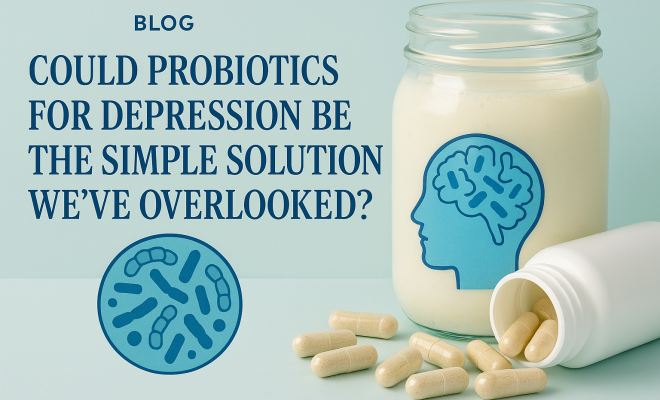
When we think about mental health, we often focus on therapy, medication, and lifestyle changes. But what if the key to improving our emotional well-being lies in our gut? Recent studies suggest that the balance of bacteria in our intestines, commonly referred to as our gut microbiome, may play a significant role in mental health. In particular, a small clinical trial has pointed to the potential of probiotics for depression and anxiety relief, especially among older adults.
Understanding Probiotics
Probiotics are live microorganisms that, when taken in adequate amounts, confer a health benefit to the host. They are often found in fermented foods like yogurt, kefir, sauerkraut, and kimchi, or available as dietary supplements. The idea is that these beneficial bacteria can help restore the natural balance of gut flora, which can be disrupted by various factors such as poor diet, illness, or stress.
Beyond digestive health, emerging research has been exploring the connection between gut health and mental health, suggesting that probiotics might mitigate symptoms of depression and anxiety. This connection is often referred to as the gut-brain axis, a complex communication network linking the gut and the brain, highlighting how intertwined our physical and mental health truly are.
Latest Findings on Probiotics and Mental Health
In a recent trial that caught the attention of researchers and mental health advocates alike, older adults diagnosed with depression were given a daily probiotic alongside their regular antidepressant treatment. The results were intriguing: participants taking the probiotic reported slightly greater improvements in their depression and anxiety symptoms compared to those who received a placebo. While both groups showed substantial progress, the probiotic group experienced somewhat larger reductions in their symptoms.
This finding is particularly compelling because it challenges the prevailing assumption that gut-health supplements have no significant mental health effects. It opens the door to the possibility that a simple daily intervention could enhance traditional treatment methods and offers hope for those struggling with mental health issues.
How Do Probiotics Work?
The mechanism behind how probiotics may affect mental health is still being explored. However, researchers suggest several possible pathways. First, probiotics can help produce neurotransmitters, such as serotonin, which play a crucial role in mood regulation. In fact, it’s estimated that about 90% of serotonin is produced in the gut.
Moreover, probiotics may reduce inflammation, which has been linked to depression. Chronic inflammation can disrupt the communication between the gut and the brain, potentially leading to mood disorders. By promoting a healthy gut environment, probiotics could mitigate these inflammatory responses, creating a more stable mental state.
Target Population: Older Adults
The recent study focused specifically on older adults, a demographic that often experiences higher rates of depression and anxiety. The reasons for this can be multifaceted, including social isolation, loss of loved ones, or chronic health issues. Therefore, finding effective and accessible treatments is essential.
Older adults may be particularly responsive to probiotics not only due to their mental health challenges but also because their gut microbiota tends to change with age. As we get older, our gut health can decline, further impacting our overall well-being and mood. Thus, introducing probiotics might serve as a simple, non-invasive way to combat some of these challenges.
Comparing Probiotics to Traditional Treatments
While the findings from this study are promising, it’s essential to frame them in the context of existing treatment options for depression and anxiety. Traditional methods often involve pharmaceuticals, such as selective serotonin reuptake inhibitors (SSRIs) or therapy. While these treatments can be effective for many, they may come with side effects and sometimes take weeks or months to produce noticeable effects. (See: Probiotics and mental health research.)
In contrast, probiotics are generally well-tolerated, with few reported side effects. The idea of using probiotics as a complementary treatment alongside standard antidepressants could provide a more holistic approach to mental health care, potentially leading to a faster and more sustainable improvement in symptoms.
Quality of Life Considerations
Despite the positive results regarding symptom reduction, researchers found no convincing evidence of added quality-of-life benefits from using probiotics. While it’s encouraging to see improvements in depression and anxiety symptoms, it raises important questions: Are these changes substantial enough to impact overall happiness? Or do they simply alleviate specific symptoms without addressing the underlying issues?
This distinction is crucial when considering probiotics as a treatment option. Understanding that while probiotics may help with symptoms, they might not be a comprehensive solution for everyone is necessary. Instead, they could serve as an effective adjunct to more traditional therapies.
Expert Perspectives on Future Research
The results of this study are just the beginning, according to mental health experts. Many emphasize the need for further research to confirm these findings and understand the precise mechanisms at play. Larger studies involving diverse populations and varying types of probiotics are vital to determine the most effective strains and dosages.
Experts are also advocating for an integrated approach to mental health treatment that considers diet and gut health as part of an overall wellness strategy. This means not only focusing on mental health interventions but also promoting a healthy lifestyle that includes a balanced diet, regular exercise, and adequate sleep.
Practical Tips for Incorporating Probiotics into Your Routine
If you’re considering probiotics for depression or simply want to enhance your overall well-being, here are a few practical tips to get started:
- Consult a healthcare provider: Before starting any new supplement, it’s essential to speak with a doctor or mental health professional, especially if you’re currently on medication.
- Choose quality products: Look for probiotic supplements that contain a variety of strains and a high number of live cultures. This can maximize potential benefits.
- Incorporate probiotic-rich foods: Include foods like yogurt, kefir, sauerkraut, and kimchi in your diet for a natural source of probiotics.
- Be patient: Probiotics may take time to show effects, so give your body a chance to adjust and respond.
- Monitor your symptoms: Keep track of any changes in your mood or anxiety levels to discuss with your healthcare provider, which can help in fine-tuning your treatment plan.
Potential Probiotic Strains for Mental Health
Research has identified several specific probiotic strains that may have more pronounced effects on mental health. Here are a few noteworthy ones:
- Lactobacillus rhamnosus: Studies suggest that this strain may reduce stress and anxiety levels. It appears to influence GABA receptors in the brain, which play a role in regulating mood and anxiety.
- Bifidobacterium longum: This strain has been linked to reducing anxiety and depressive symptoms in animal studies. It also shows promise in human trials, potentially improving psychological well-being.
- Lactobacillus helveticus: Known for its calming effects, this strain has been shown to reduce anxiety and improve overall mood in certain populations.
- Bifidobacterium bifidum: Associated with enhancing immune response and supporting overall gut health, which indirectly contributes to mental well-being.
Statistics on Mental Health and Probiotics
The prevalence of mental health disorders is alarming. According to the World Health Organization (WHO), more than 264 million people worldwide suffer from depression. In the United States alone, the National Institute of Mental Health (NIMH) reports that approximately 7.1% of adults experienced at least one major depressive episode in 2019. These statistics highlight the urgent need for effective treatments.
Interestingly, research indicates that about 30% of people with depression also experience gastrointestinal issues, suggesting a possible link between gut health and mental health. As more studies point to the benefits of probiotics, there’s hope that they could become a vital part of comprehensive treatment strategies.
Common Myths About Probiotics
With the growing popularity of probiotics, several myths have emerged that can cloud judgment about their efficacy. Here are a few clarifications:
- Myth: All probiotics are the same: In reality, different strains have different effects. It’s crucial to choose specific strains that have been studied for mental health benefits.
- Myth: Probiotics provide immediate results: Many people expect instant relief, but probiotics typically require time to establish themselves and show benefits, often weeks or even months.
- Myth: Probiotics can replace medication: While they can complement traditional treatments, probiotics should not be seen as a standalone solution, especially for severe mental health conditions.
FAQs About Probiotics for Depression
1. Can probiotics really help with depression?
While the research is still in its early stages, several studies suggest that certain probiotic strains can help alleviate symptoms of depression and anxiety. They may support gut health, which is linked to mood regulation.
2. How should I take probiotics for the best results?
To maximize benefits, consider a daily probiotic supplement with multiple strains and a high CFU (colony-forming units) count. You can also incorporate probiotic-rich foods into your diet to boost your intake. (See: CDC resources on mental health.)
3. Are there any side effects associated with probiotics?
Generally, probiotics are well-tolerated. However, some individuals may experience mild gastrointestinal discomfort, especially when they first start taking them. It’s best to introduce them gradually.
4. How long will it take to see results?
Results can vary from person to person, but many individuals may start to notice improvements within a few weeks of consistent use. Be patient and consult with a healthcare provider if you have concerns.
5. Can I take probiotics if I’m already on antidepressants?
Yes, many people take probiotics alongside antidepressants. However, it’s essential to consult your healthcare provider to ensure there are no interactions or contraindications.
6. Are probiotics suitable for everyone?
While probiotics are generally safe for most people, those with severe immune system issues or specific medical conditions should consult their healthcare provider before starting any supplement.
7. What should I look for in a probiotic supplement?
Look for supplements that list specific strains and have undergone clinical studies for mental health benefits. A higher CFU count can also indicate potency and effectiveness.
Integrating Probiotics into a Holistic Approach to Mental Health
Using probiotics for depression is just one piece of the puzzle in addressing mental health. A holistic approach that includes therapy, physical activity, mindfulness, and a balanced diet can significantly enhance overall well-being.
For example, engaging in regular exercise has been shown to boost mood and reduce anxiety, while practices like mindfulness and meditation can help manage stress levels. When combined with probiotics, these strategies can create a comprehensive mental wellness plan.
Also, focusing on a diet rich in fruits, vegetables, whole grains, and lean proteins can improve not just gut health but overall health, further supporting mental well-being. Remember, mental health is multifaceted, and integrating various strategies can lead to sustainable improvements.
The Role of Diet in Gut and Mental Health
Diet plays a crucial role in shaping your gut microbiome. The food we eat can either promote or hinder the growth of beneficial bacteria. Diets high in sugar and processed foods can lead to an imbalance in gut health, potentially exacerbating mental health issues. On the other hand, whole foods rich in fiber, such as fruits, vegetables, and whole grains, support healthy gut bacteria and may help enhance the effects of probiotics.
Research has shown that Mediterranean diets, rich in fruits, vegetables, fish, nuts, and healthy fats, are associated with better mental health outcomes. A study published in the journal Psychological Medicine found that adherence to a Mediterranean diet was linked with reduced risk of depression. This suggests that a combined approach of dietary intervention and probiotics may yield the best results for those struggling with depression. (See: Gut-brain axis and probiotics.)
How Stress Affects Gut Health and Mood
Stress can significantly impact gut health and, in turn, mental health. When you’re under stress, your body goes into fight-or-flight mode, which can disrupt digestion and alter gut flora. This connection between stress and gut health is often referred to as the “gut-brain connection.”
Chronic stress can lead to inflammation and changes in gut permeability, often referred to as “leaky gut.” This condition can allow harmful substances to enter the bloodstream, potentially leading to systemic inflammation and worsening mental health symptoms. Managing stress through techniques such as yoga, meditation, and deep breathing can not only benefit your mental health but also support a healthier gut environment, making probiotics even more effective.
Exploring the Future of Probiotics in Mental Health Treatment
The field of psychobiotics, a term coined to describe probiotics that affect mental health, is gaining traction. Researchers are excited about the potential of probiotics to be combined with traditional treatments to create a more comprehensive approach to mental health disorders.
As science continues to unravel the complexities of the gut-brain connection, we may see more targeted probiotic therapies developed specifically for mental health conditions. Clinical trials are likely to expand, potentially leading to the approval of specific probiotic strains as adjunct therapies for depression and anxiety.
In addition to probiotics, prebiotics—non-digestible food components that promote the growth of beneficial microorganisms—are also being explored. Foods rich in prebiotics, like garlic, onions, and asparagus, can enhance the benefits of probiotics, creating a synergistic effect that may further improve mental health outcomes.
Conclusion: The Path Forward with Probiotics and Mental Health
As the conversation around mental health continues to evolve, it’s clear that our understanding of the gut-brain axis is just beginning. The potential of probiotics for depression offers a hopeful avenue for many seeking relief. However, it’s essential to look at mental health holistically, recognizing that factors like diet, stress management, and lifestyle choices all play a significant role in our overall mental well-being.
Staying informed and involved in your mental health journey is crucial. By considering probiotics alongside traditional treatments, you might discover a more balanced approach that addresses both symptoms and root causes. The future looks promising, and for those grappling with depression, this multifaceted approach could lead to lasting change and improved quality of life.
“`
Trending Now
Frequently Asked Questions
Can probiotics help with depression?
Recent studies suggest that probiotics may help alleviate symptoms of depression and anxiety by restoring the balance of gut bacteria. A clinical trial found that older adults taking probiotics alongside their antidepressant medication reported greater improvements in their mental health compared to those on a placebo.
What is the gut-brain axis?
The gut-brain axis is a complex communication network linking the gut and the brain. It highlights how gut health can influence mental well-being, suggesting that the balance of bacteria in the intestines may play a significant role in emotional health.
What are probiotics good for?
Probiotics are live microorganisms that provide health benefits when consumed in adequate amounts. They are commonly known for supporting digestive health but emerging research indicates they may also positively affect mental health, potentially reducing symptoms of depression and anxiety.
How do probiotics work for mental health?
Probiotics may improve mental health by restoring the natural balance of gut flora, which can be disrupted by factors like poor diet and stress. This restoration may enhance the gut-brain communication, leading to improved emotional well-being.
Are there any side effects of taking probiotics?
While probiotics are generally considered safe for most people, some may experience mild side effects such as gas or bloating. It's advisable to consult with a healthcare professional before starting any new supplement, especially for those with underlying health conditions.
Have you experienced this yourself? We’d love to hear your story in the comments.