WHO’s Step-by-Step: Revolutionizing Mental Health Aid in Crises (2026)
“`html
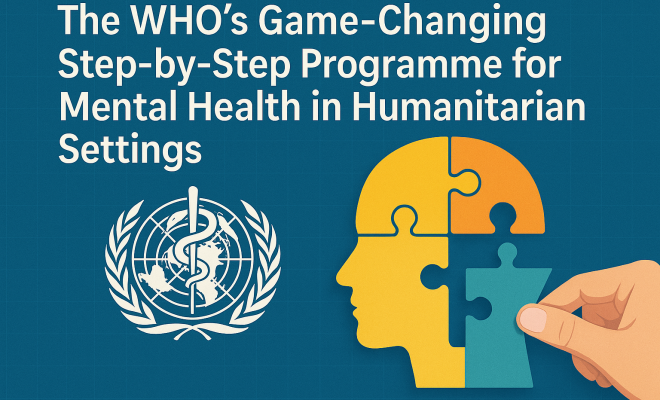
The World Health Organization (WHO) recently recognized its Step-by-Step programme as a significant innovation in addressing mental health needs within humanitarian settings. This recognition, announced on June 17, 2026, marks a pivotal moment in global mental health strategy, particularly for people who are affected by crises such as conflict, displacement, and natural disasters. In a world increasingly characterized by instability, the Step-by-Step programme stands as a beacon of hope, promising to reshape how mental health care is delivered to vulnerable populations.
The Importance of Mental Health in Humanitarian Settings
Mental health has long been overlooked in the context of humanitarian aid, often overshadowed by physical health needs and immediate survival concerns. However, the psychological impact of crises can be profound and long-lasting. According to the WHO, approximately 1 in 5 people in humanitarian settings experience mental health conditions, including anxiety, depression, and post-traumatic stress disorder (PTSD). This statistic underscores the urgent need for effective mental health interventions tailored to the unique challenges of these environments.
People displaced by conflict or natural disasters often face compounded stressors: the loss of loved ones, uncertainty about the future, and the trauma of their experiences. These factors can lead to a significant decline in mental health, making it imperative that humanitarian responses include robust mental health services as part of their overall strategies.
Understanding the Step-by-Step Programme
The Step-by-Step programme is designed to offer practical, scalable solutions for mental health care in humanitarian settings. It provides a structured, phased approach that enables non-specialists to deliver essential mental health interventions. This model is particularly valuable in regions where mental health professionals are scarce or unavailable. By training community health workers and volunteers, the programme aims to bridge the gap between those in need and the care they require.
The programme consists of several key components:
- Assessment: Identifying individuals who may benefit from mental health support.
- Intervention: Providing evidence-based psychological interventions tailored to the needs of individuals.
- Follow-up: Ensuring continued support and evaluation of the individual’s mental health progress.
- Capacity Building: Training local health workers to sustain mental health services.
This comprehensive approach not only addresses immediate mental health needs but also builds local capacity for long-term support, creating a sustainable model for mental health care in crisis-affected areas.
Impact and Effectiveness of the Programme
Initial evaluations of the Step-by-Step programme have shown promising results. Reports indicate that participants experienced significant reductions in symptoms of depression and anxiety after engaging in the interventions. For instance, in a pilot study conducted in a refugee camp, individuals who completed the programme reported a 50% decrease in depressive symptoms.
These findings are critical as they provide evidence that mental health interventions can be effective even in challenging environments. Furthermore, the community-based nature of the programme fosters trust and encourages individuals to seek help, reducing the stigma often associated with mental health issues.
Challenges in Implementing Mental Health Support
Despite the promise of initiatives like the Step-by-Step programme, implementing mental health support in humanitarian settings is fraught with challenges. Resource limitations, cultural stigma, and ongoing violence can hinder the effectiveness of mental health programmes. Additionally, the rapid nature of emergencies often means that mental health needs are not prioritized in the initial response.
Furthermore, the lack of trained professionals in many affected areas complicates the situation. While the Step-by-Step programme addresses this by training local community health workers, scaling up such training is essential to meet the demands of large populations affected by crises.
Engaging Communities in Mental Health Care
One of the strengths of the Step-by-Step programme is its focus on community engagement. By training local health workers, the programme helps integrate mental health support into existing community health systems. This approach not only improves access to care but also fosters a sense of ownership and responsibility within communities.
Involving community members in mental health initiatives can lead to more culturally sensitive and relevant care. For example, mental health care practices may need to be adapted to align with local beliefs and traditions. Community engagement ensures that care is not only accessible but also accepted by those who need it most. (See: Mental health in humanitarian settings.)
The Role of Technology in Mental Health Interventions
With the rise of digital technology, there is an opportunity to enhance the reach and effectiveness of mental health interventions in humanitarian settings. The Step-by-Step programme can incorporate digital platforms to provide information, training, and support. Mobile applications, teletherapy, and online resources can supplement traditional methods, making mental health care more accessible to those in remote or underserved areas.
For instance, mobile apps could offer self-help tools for individuals experiencing mental health issues, enabling them to manage their symptoms in real-time. Additionally, these apps can facilitate communication between community health workers and mental health professionals, ensuring that patients receive comprehensive care.
Global Collaboration for Mental Health Solutions
The global nature of mental health challenges in humanitarian settings necessitates collaboration across borders. The WHO’s recognition of the Step-by-Step programme reflects a broader commitment to addressing mental health issues on an international scale. Collaborative efforts among governments, NGOs, and local communities can lead to more effective interventions and better outcomes for individuals affected by crises.
For instance, partnerships with local organizations can enhance the training of community health workers, ensuring that they are equipped with the most current knowledge and skills. Joint efforts can also facilitate the sharing of resources, best practices, and data, further strengthening mental health initiatives worldwide.
The Future of Mental Health in Humanitarian Settings
As the world continues to grapple with conflicts, natural disasters, and displacement, the importance of mental health care in humanitarian settings will only grow. The recognition of the Step-by-Step programme by the WHO is a crucial step toward normalizing mental health support in these contexts. It sets a precedent for integrating mental health into broader humanitarian responses, ensuring that psychological well-being is prioritized alongside physical health.
The future of mental health interventions in humanitarian settings will likely involve continuous adaptation and innovation. As we learn more about the unique needs of affected populations, programmes will need to be flexible, allowing for tailored approaches that respect cultural differences and leverage local knowledge.
Conclusion: A Call to Action
The WHO’s Step-by-Step programme offers a glimmer of hope for individuals affected by crises, providing a structured and effective approach to mental health care. However, it is essential for global stakeholders to rally around this initiative, ensuring its implementation and sustainability. By investing in mental health support and fostering community engagement, we can make strides toward improving the psychological well-being of those in the most challenging circumstances. In doing so, we take a critical step towards healing not just individuals, but entire communities.
Additional Insights on Mental Health in Humanitarian Settings
While the Step-by-Step programme has made strides, a closer look at mental health interventions reveals the need for multi-faceted approaches. Mental health issues in humanitarian settings are often intertwined with social and economic factors, necessitating an intersectional understanding of health. For example, issues like food insecurity and lack of housing can exacerbate psychological distress. Therefore, effective interventions must address these interconnected issues holistically.
Statistics Highlighting the Need for Mental Health Support
Recent studies provide alarming statistics that illustrate the dire need for mental health support in humanitarian settings:
- Approximately 70% of refugees and internally displaced persons experience some form of mental health issue.
- Over 50% of children in conflict-affected areas are at risk of developing mental health disorders.
- Suicide rates in crisis-affected populations can be significantly higher—up to 40% in certain contexts—compared to global averages.
These numbers stress the importance of implementing mental health support as an integral part of humanitarian responses. Mental health care cannot be an afterthought; it must be prioritized to promote recovery and resilience among affected populations.
Expert Perspectives on Mental Health in Crises
Experts in the field of mental health emphasize that addressing mental health in humanitarian settings requires both compassion and pragmatism. Dr. Sarah J. Thompson, a clinical psychologist with over two decades of experience in crisis zones, states, “Mental health support is as vital as food and shelter in the aftermath of a disaster. If we ignore psychological wounds, we risk long-term societal instability.” Her insights highlight the importance of integrating mental health into broader humanitarian frameworks.
Furthermore, Dr. Mohammed Al-Hamadi, a mental health advocate working in refugee camps, notes, “Community-led initiatives are key. Local workers understand the cultural contexts and can provide care that is not only relevant but also accepted by the community.” This reinforces the notion that solutions must be locally driven and culturally sensitive.
Comparative Frameworks: Learning from Other Regions
Looking beyond the immediate context of the Step-by-Step programme, it is helpful to examine successful mental health interventions in other humanitarian contexts. For instance, programs in countries such as Lebanon and South Sudan have utilized peer support models to provide mental health care. By training individuals who have experienced similar traumas, these initiatives allow for empathy-driven care that resonates more deeply with those receiving support. (See: Overview of mental health challenges.)
In Lebanon, the use of community-based mental health teams has led to a significant increase in access and utilization of mental health services among Syrian refugees. The combination of culturally tailored interventions and the involvement of local leaders has been instrumental in overcoming stigma and promoting acceptance of mental health care. This model could serve as a valuable reference point for the adaptation of the Step-by-Step programme in similar settings.
Frequently Asked Questions (FAQs)
What is the primary goal of the Step-by-Step programme?
The primary goal of the Step-by-Step programme is to provide accessible, evidence-based mental health care to individuals in humanitarian settings, particularly where mental health professionals are scarce.
How does the Step-by-Step programme ensure cultural sensitivity?
The programme emphasizes community engagement and training local health workers, ensuring that interventions are culturally appropriate and resonate with the affected populations.
What are some common mental health issues faced by individuals in humanitarian settings?
Common mental health issues include anxiety, depression, PTSD, and other stress-related disorders, often stemming from trauma and displacement.
How can technology enhance mental health interventions?
Technology can enhance access to mental health resources through mobile apps, teletherapy, and online support groups, making assistance available to those in hard-to-reach areas.
What role do local communities play in mental health support?
Local communities are crucial for the success of mental health initiatives, as they provide insights into cultural contexts, help reduce stigma, and foster trust in mental health services.
What are the long-term benefits of implementing mental health care in humanitarian settings?
Long-term benefits include improved individual psychological resilience, increased community cohesion, and overall better health outcomes, contributing to more stable societies post-crisis.
How can donors and stakeholders support mental health initiatives?
Donors and stakeholders can support mental health initiatives by funding training programs, promoting community engagement, and ensuring mental health is included in overall humanitarian strategies.
Understanding Trauma in Humanitarian Settings
Trauma is a significant factor affecting mental health in humanitarian contexts. Understanding the different types of trauma that individuals may experience is crucial. There are generally two categories: acute trauma and complex trauma. Acute trauma refers to a single distressing event, such as witnessing violence or experiencing a natural disaster. In contrast, complex trauma results from prolonged exposure to adverse events, such as ongoing violence or chronic displacement. Individuals facing complex trauma may require more comprehensive support due to the compounded effects on their mental health.
Recognizing the type of trauma individuals have experienced can help tailor interventions more effectively. For example, programs that focus on narrative therapy may benefit those dealing with acute trauma by helping them process their experiences. On the other hand, individuals facing complex trauma may benefit from long-term therapy models that include skill-building techniques for coping with chronic stress.
Barriers to Accessing Mental Health Services
Access to mental health services in humanitarian settings can be obstructed by various barriers. Geographic isolation, language differences, and lack of awareness about available services are significant challenges. In many cases, individuals may not recognize their mental health needs due to cultural perceptions of mental health issues, which can stigmatize seeking help. Financial constraints also play a critical role; even when services are available, the cost of transportation or associated fees can deter individuals from seeking care. (See: Statistics on mental illness prevalence.)
Addressing these barriers is essential for increasing the uptake of mental health services. Initiatives that incorporate mobile clinics or community health outreach programs can mitigate geographic barriers, while community education campaigns can raise awareness and reduce stigma attached to mental health. Furthermore, subsidized or free services can ensure that financial barriers do not prevent individuals from accessing the help they need.
Innovative Practices in Mental Health Interventions
Innovation in mental health practices is vital for effectively addressing the unique challenges posed by humanitarian crises. One promising approach is the use of art and expressive therapies to facilitate healing. These modalities can be particularly effective in contexts where individuals may struggle to articulate their feelings verbally due to trauma. Activities such as drawing, music therapy, or theater can provide essential outlets for expression and communication.
For example, art therapy programs in refugee camps have shown that participants often experience reduced anxiety and improved emotional expression. In some cases, these practices have led to community cohesion as individuals share their artwork and stories, fostering connections that can alleviate feelings of isolation.
Collaborative Approaches to Mental Health
Collaboration among various sectors can enhance mental health interventions significantly. Integrating mental health services with primary health care can lead to more comprehensive support for individuals. When healthcare workers are trained to recognize and address mental health issues, it can help identify problems earlier and facilitate referrals to specialized services when necessary.
Collaboration with educational institutions can also be beneficial. Training programs that incorporate mental health awareness into educational curricula for social workers, teachers, and healthcare providers can create a more informed and equipped network of professionals who can provide support in crisis situations.
Long-term Outlook for Mental Health in Humanitarian Settings
The long-term outlook for mental health in humanitarian settings must focus on resilience-building and sustainability. Programs that not only address immediate mental health needs but also invest in the social determinants of health, such as education and employment, can foster greater resilience among affected populations. Empowering individuals through skill development can improve their overall well-being and contribute to community stability.
Moreover, fostering local leadership in mental health initiatives can lead to more sustainable outcomes. When community leaders are involved in the planning and implementation of mental health programs, there’s increased likelihood that interventions are culturally relevant and accepted, leading to better engagement and success.
Conclusion: The Imperative of Mental Health in Humanitarian Settings
As we continue to witness the complexities of humanitarian crises around the globe, addressing mental health needs in these settings is not just beneficial but essential. Initiatives like the Step-by-Step programme provide a framework for integrating mental health into humanitarian responses, but they must be part of a broader commitment to holistic care. Investing in mental health means investing in the future of communities affected by crisis, paving the way for recovery, resilience, and hope.
“`
Trending Now
Frequently Asked Questions
What is the WHO's Step-by-Step programme for mental health?
The WHO's Step-by-Step programme is an innovative approach aimed at addressing mental health needs in humanitarian settings. It focuses on providing practical, scalable solutions and enables non-specialists to deliver essential mental health interventions, especially in areas where mental health professionals are scarce.
Why is mental health important in humanitarian settings?
Mental health is crucial in humanitarian settings because crises such as conflict and natural disasters lead to profound psychological impacts. Approximately 1 in 5 people in these situations experience mental health conditions like anxiety and PTSD, highlighting the need for effective mental health interventions.
How does the Step-by-Step programme help in humanitarian crises?
The Step-by-Step programme helps by offering a structured, phased approach to mental health care, allowing non-specialists to provide essential interventions. This is particularly beneficial in regions with limited mental health resources, ensuring that vulnerable populations receive the support they need.
What are the common mental health issues faced in humanitarian settings?
Common mental health issues in humanitarian settings include anxiety, depression, and post-traumatic stress disorder (PTSD). These conditions often arise from traumatic experiences, loss, and uncertainty faced by individuals displaced by conflict or natural disasters.
How can non-specialists deliver mental health care in crisis situations?
Non-specialists can deliver mental health care in crisis situations by following the structured approach of the Step-by-Step programme. This programme trains individuals to provide essential mental health interventions, ensuring that even in the absence of specialists, vulnerable populations can receive adequate support.
What’s your take on this? Share your thoughts in the comments below — we read every one.