Boost Social Skills: Associative Play for Preschoolers
“`html
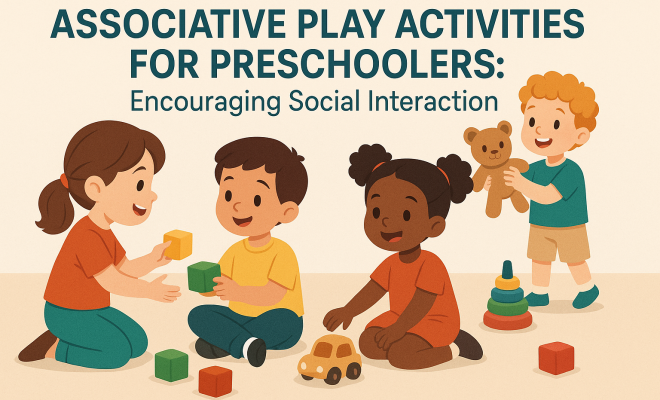
When it comes to early childhood development, play isn’t just a pastime; it’s a critical avenue through which children learn about the world and each other. One of the most dynamic types of play is known as associative play activities, which serve as a bridge between solitary play and more complex social interactions. As preschoolers engage in these activities, they not only have fun but also develop vital social skills that will benefit them throughout their lives.
Understanding Associative Play
Before diving into specific activities, it’s essential to comprehend what associative play entails. This stage typically occurs between the ages of 2 to 4 years, where children begin to play alongside others but don’t yet fully engage in coordinated group play. Instead of playing in a structured way, children involved in associative play share toys, comment on each other’s actions, and often mimic one another. This kind of play lays the groundwork for collaborative play, which will emerge as they grow older.
The Importance of Associative Play Activities
Associative play activities are crucial for several reasons:
- Social Skills Development: Through these activities, preschoolers learn essential social skills such as sharing, cooperation, and communication. They understand the importance of taking turns and expressing their feelings, which are vital for future interactions.
- Emotional Growth: Associative play allows children to explore emotions in a safe environment. They learn how to express joy, frustration, and excitement, helping them develop emotional intelligence.
- Cognitive Skills: Engaging in imaginative play boosts creativity and problem-solving abilities. Children learn to negotiate roles and rules, fostering critical thinking.
By participating in associative play activities, preschoolers develop the confidence to interact with peers and prepare for more structured forms of play as they grow.
Key Characteristics of Associative Play
To effectively facilitate associative play activities, it’s vital to recognize their key characteristics. These include:
- Interaction: Unlike parallel play, where children play next to each other without interaction, associative play involves communication and interaction. Children will pass toys back and forth, or discuss what they are doing.
- Imitation: Young children often imitate each other’s actions, which is a crucial aspect of learning during this stage. They may copy how another child uses a toy or engages in a particular game.
- Shared Goals: While they might not be working towards a common objective as they would in cooperative play, children in associative play often engage in similar activities that create a sense of shared purpose.
Recognizing these characteristics can help caregivers and educators identify effective associative play activities that promote social interaction.
Examples of Associative Play Activities
Here are some engaging associative play activities that preschoolers can enjoy:
- Arts and Crafts: Set up a craft station with various supplies like crayons, markers, and paper. Children can freely express their creativity while sharing materials and discussing their artistic choices.
- Building Blocks: Provide building blocks or construction sets. As children build structures together, they can talk about their designs, offer suggestions, and build upon each other’s ideas.
- Role-Playing Games: Create a themed area (like a kitchen or a store) where children can engage in imaginative play. They can take turns playing different roles while negotiating the rules of their game.
- Water Play: Setting up a water play station with cups, funnels, and toys allows children to experiment with pouring and floating. They can share tools and comment on their discoveries.
- Group Storytime: Gather children for a story session. After reading, encourage them to share their favorite parts or act out scenes together, stimulating discussion and collaboration.
These activities not only promote interaction but also enhance cognitive and emotional skills in a playful environment.
Creating a Supportive Environment for Associative Play
A sound environment is paramount for fostering associative play activities. Here are some strategies to create such an atmosphere: (See: Early Childhood Development Overview.)
- Designate Play Areas: Clearly defined play zones can help children feel safe while exploring. Ensure these areas are stocked with diverse materials that cater to various interests.
- Encourage Interaction: As an educator or caregiver, model social interactions by engaging with children during play. Encourage them to communicate and share with one another.
- Be Patient and Observant: Allow children the space to interact without constant intervention. Observe their play to understand their dynamics and step in only when necessary to facilitate more significant interactions.
- Limit Screen Time: Encourage off-screen play by providing engaging physical activities. Limit screens to ensure children engage in social play rather than isolating themselves.
By creating a nurturing environment, children can freely engage in associative play activities, promoting essential social skills.
Challenges and Solutions in Associative Play
While associative play is beneficial, it can also present challenges. Here are some common ones and how to address them:
- Conflict Resolution: Disagreements may arise during play. Teach children simple conflict resolution strategies, such as taking turns or using ‘I feel’ statements. This practice helps them navigate social difficulties positively.
- Shyness and Withdrawal: Some children may be hesitant to engage with peers. Encourage shy children by pairing them with a buddy or involving them in small group activities where they can feel more comfortable.
- Resource Sharing: Children may struggle with sharing toys. Encourage them to understand the importance of sharing by modeling this behavior and praising them when they do share.
Anticipating these challenges enables caregivers and educators to implement solutions that promote harmonious social interactions among preschoolers.
The Role of Adults in Associative Play Activities
Adults have a significant role in facilitating associative play. Here are some ways to support and nurture children’s interactions:
- Observation: Pay attention to how children interact during play. Understanding their dynamics and interests can guide how you facilitate and encourage their interactions.
- Facilitation: Occasionally intervene to ask questions that prompt deeper engagement, such as, “What do you think happens next?” This encourages children to think critically and communicate with others.
- Setting Up Play Dates: Organizing play dates can provide structured opportunities for children to interact. Ensure these gatherings have planned activities that encourage collaborative play.
- Feedback and Encouragement: Reinforce positive interactions with praise. Highlight how well children share or work together, building their confidence and reinforcing these behaviors.
By actively participating in associative play, adults help children develop the skills required for successful social interactions.
Current Relevance of Associative Play Activities
In today’s digital age, where screen time can dominate children’s lives, the importance of associative play activities cannot be overstated. Research indicates that children who engage in regular, unstructured play perform better academically and socially. The rise of technology has made it more crucial than ever to create opportunities for face-to-face interactions among preschoolers.
Moreover, as educators and parents increasingly recognize the mental health benefits of play, associative play activities are being integrated into early childhood education programs nationwide. Organizations like the National Association for the Education of Young Children (NAEYC) advocate for play-based learning, emphasizing its role in cognitive, social, and emotional development.
Future Directions for Associative Play Activities
As society evolves, so too does the landscape of play. Future trends might include:
- Incorporation of Technology: While technology can detract from play, it can also enhance it. Think about interactive play experiences that blend physical and digital elements, fostering social interaction while introducing new learning tools.
- Focus on Inclusivity: Ensuring all children, including those with disabilities, can participate in associative play activities is critical. Future initiatives may promote adaptive play environments that cater to diverse needs.
- Parent-Child Collaboration: Encouraging parents to engage in associative play with their children can strengthen family bonds and enhance the learning experience. Workshops or sessions that teach parents about the benefits of play can be valuable.
As we move forward, it’s pivotal to recognize the lasting impact these activities have on children’s development and to advocate for their continued presence in early childhood education.
Conclusion: The Lifelong Impact of Associative Play Activities
In sum, associative play activities are more than just enjoyable experiences for preschoolers; they are foundational for social and emotional development. Through engaging in these activities, children learn invaluable skills that shape their interactions for years to come. By nurturing these experiences, we pave the way for confident, empathetic, and socially adept individuals. The challenge for caregivers and educators is not only to facilitate more play but to understand its profound impact on the interconnected journey of learning and growing. (See: Positive Parenting and Child Development.)
FAQ about Associative Play Activities
To further enhance your understanding of associative play activities, here are some frequently asked questions:
What age group is most suitable for associative play activities?
Associative play typically occurs between the ages of 2 to 4 years. During this time, children start to engage with their peers more, sharing toys and ideas without fully coordinating their play. It is crucial to provide opportunities for associative play as it helps build a foundation for future collaborative play.
How can I encourage my child to engage in associative play?
To encourage associative play, create opportunities for your child to play with other children. Facilitate playdates, join community playgroups, or enroll them in preschool programs that emphasize social interaction. Additionally, provide materials that inspire creativity, such as arts and crafts supplies or building blocks, which naturally lend themselves to associative play.
Are there any specific skills children develop through associative play?
Yes! Through associative play, children develop numerous skills including:
- Communication: They learn to express their thoughts and negotiate with others.
- Empathy: Engaging with peers helps them understand and respect the feelings of others.
- Cognitive Flexibility: They explore different roles and scenarios, which boosts their problem-solving skills.
- Emotional Regulation: They learn to manage their emotions while sharing and playing with others.
What are some signs that my child is engaging in associative play?
Signs of associative play include sharing toys, engaging in conversation with peers, and showing interest in what other children are doing. If your child is imitating other children’s actions, expressing excitement about their creations, or negotiating play roles, they are likely engaging in associative play.
How does associative play differ from cooperative play?
Associative play involves children playing alongside each other and interacting without a structured goal, whereas cooperative play features children working together towards a shared objective. In cooperative play, you’ll see more structured interaction and collaboration, such as planning a game or building something together. Associative play is a natural precursor to cooperative play.
Can associative play activities be integrated into formal education?
Absolutely! Many early childhood education programs emphasize play-based learning, integrating associative play activities into their curriculum. Teachers can facilitate these activities by creating engaging environments, providing the necessary materials, and guiding children in their interactions, which enriches their learning experience.
What are some good resources to learn more about associative play?
Several books, articles, and online resources focus on early childhood development and the significance of play. Some recommended titles include:
- “The Importance of Play in Early Childhood Development” by the American Academy of Pediatrics.
- “Play: The Foundation for All Learning” by the National Association for the Education of Young Children (NAEYC).
- Websites like Zero to Three and Child Mind Institute offer valuable insights and research on the importance of play in early childhood.
How can I address conflicts during associative play?
Conflicts can arise during associative play, often due to misunderstandings or competition for resources. Teach children simple conflict resolution skills. Encourage them to use “I feel” statements and guide them to express their feelings openly. Also, model how to share and take turns, reinforcing these concepts during playtime.
The Benefits of Associative Play Activities for Lifelong Learning
Engaging in associative play activities not only benefits children in their early years but also lays a solid foundation for lifelong learning. Skills acquired during this stage remain relevant throughout one’s life. For example:
- Teamwork: Future academic and professional environments often require collaboration and teamwork. Children who engage in associative play are better prepared to work in groups and share ideas.
- Adaptability: Associative play encourages children to adapt to new situations and roles. This flexibility is essential in a fast-paced world where change is constant.
- Conflict Management: Skills learned in resolving minor disputes in play can transfer to handling conflicts in school or work settings, making children more adept at managing interpersonal relationships.
Integrating Associative Play Activities into Everyday Life
Parents and caregivers can easily integrate associative play activities into daily routines. Here are some practical suggestions:
- Family Game Nights: Make it a tradition to have regular family game nights, where everyone collaborates or competes in fun games that require communication and teamwork.
- Outdoor Playdates: Encourage outdoor play with other families in parks or backyards. Activities like tag, hide and seek, or building a fort can create natural settings for associative play.
- Cooking Together: Involve children in cooking, where they can help with simple tasks and share responsibilities, fostering cooperation and social interaction.
- Pet Playtime: If you have pets, encourage your children to engage in play with them and involve their friends, learning to work together in caring for them.
Expert Perspectives on Associative Play Activities
Experts in child development emphasize the critical role of play in early education. Dr. Laura Jana, a pediatrician and author of “The Newborn Handbook,” notes, “Play is the language of children. Associative play allows them to express their understanding of the world and develop the ability to connect with peers.” Dr. Jana highlights that it’s during these interactions that children learn empathy and cooperation.
Similarly, Dr. Stuart Brown, founder of the National Institute for Play, states, “Play is not a luxury; it is a necessity. Associative play activities promote emotional resilience, social skills, and creative problem-solving, which are crucial for success in life.” His research supports the idea that play is integral to developing well-rounded individuals.
Conclusion: The Lifelong Impact of Associative Play Activities
In sum, associative play activities are more than just enjoyable experiences for preschoolers; they are foundational for social and emotional development. Through engaging in these activities, children learn invaluable skills that shape their interactions for years to come. By nurturing these experiences, we pave the way for confident, empathetic, and socially adept individuals. The challenge for caregivers and educators is not only to facilitate more play but to understand its profound impact on the interconnected journey of learning and growing.
“`
Trending Now
Frequently Asked Questions
What is associative play in preschoolers?
Associative play is a stage of play that typically occurs between ages 2 to 4, where children play alongside others, sharing toys and commenting on each other's actions without fully engaging in coordinated group play. This type of play helps develop social skills and lays the foundation for more complex interactions.
Why is associative play important for preschoolers?
Associative play is crucial as it fosters social skills, emotional growth, and cognitive development in preschoolers. Through these activities, children learn to share, cooperate, express emotions, and enhance their creativity and problem-solving abilities, preparing them for future interactions.
What are some examples of associative play activities?
Examples of associative play activities include playing with building blocks together, engaging in imaginative play like pretending to cook, and sharing art supplies for collaborative projects. These activities encourage sharing, communication, and interaction among preschoolers.
How can parents encourage associative play?
Parents can encourage associative play by providing opportunities for group activities, such as playdates or structured group games. They can also facilitate interactions by providing toys that require sharing and collaboration, allowing children to explore social dynamics in a supportive environment.
At what age does associative play typically occur?
Associative play typically occurs between the ages of 2 to 4 years. During this stage, children begin to play alongside their peers, sharing toys and mimicking actions, which helps them develop essential social skills and prepares them for more complex forms of play.
What’s your take on this? Share your thoughts in the comments below — we read every one.