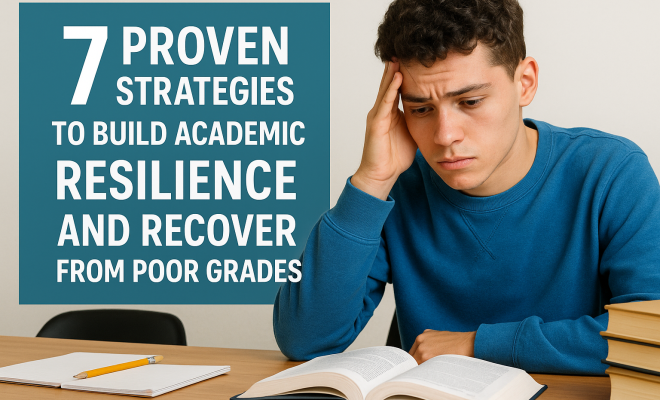
Boost Self-Esteem in Children with Learning Disabilities

“`html
Understanding Learning Disabilities
Learning disabilities (LDs) encompass a wide range of challenges that affect a child’s ability to process information, communicate, and learn effectively. These disabilities can impact reading, writing, math, and even social skills. According to the National Center for Learning Disabilities, about 1 in 5 children in the U.S. has a learning disability. This staggering number highlights the importance of understanding the unique struggles these children face.
Children with learning disabilities often grapple with feelings of inadequacy, frustration, and discouragement. They might find themselves falling behind their peers academically, which can lead to a significant decrease in self-esteem. This makes it crucial for parents, educators, and caregivers to actively engage in building self-esteem in children with learning disabilities.
The Link Between Learning Disabilities and Self-Esteem
Self-esteem is the perception one has of their own worth or value. For children with learning disabilities, low self-esteem can manifest in various ways, including withdrawal from social interactions, increased anxiety, and reluctance to participate in school activities. Studies show that these children often view themselves negatively, which can perpetuate a cycle of poor academic performance and further diminish their self-worth.
Research indicates that children with learning disabilities are at a higher risk for mental health issues, including anxiety and depression. A study published in the Journal of Learning Disabilities found that students with LDs are more likely to exhibit lower self-esteem than their non-disabled peers. This underscores the necessity of fostering a supportive environment that promotes healthy self-esteem.
Creating a Supportive Environment
One of the most effective ways to build self-esteem in children with learning disabilities is to create a nurturing and accepting environment. This begins at home, where parents can implement several strategies to ensure their children feel valued and understood. Here are some approaches:
- Open Communication: Encourage your child to express their feelings and frustrations. Listen attentively, validate their emotions, and reassure them that it’s okay to struggle.
- Positive Reinforcement: Celebrate achievements, no matter how small. Recognizing effort rather than just outcomes can help children appreciate their progress.
- Establish Routine: Consistency helps create a sense of security. Establishing a daily routine can help children feel more in control of their environment.
Creating a supportive atmosphere also extends to schools and educational settings where teachers and staff should cultivate an inclusive environment that accommodates diverse learning needs.
Encouraging Strengths and Interests
Every child has unique strengths and interests that can be leveraged to build self-esteem. Instead of focusing solely on academic challenges, parents and educators should encourage children to explore their passions. Whether it’s art, sports, music, or technology, engaging in activities where a child excels can significantly boost their confidence.
For example, if a child struggles with reading but shows talent in drawing, providing opportunities for artistic expression can help reinforce a positive self-image. Programs like after-school clubs or workshops tailored to their interests can foster a sense of belonging and competence.
Setting Realistic Goals
Setting achievable goals is another vital component of building self-esteem in children. Goals should be specific, measurable, attainable, relevant, and time-bound (SMART). When children have clear targets to work toward, they can experience a sense of accomplishment.
Small, incremental goals are especially crucial for children with learning disabilities. For example, if a child aims to improve their reading skills, a realistic goal might be reading one book per week instead of trying to catch up to their peers all at once. Celebrating these milestones can reinforce their belief in their abilities.
Teaching Coping Skills
Learning disabilities often come with challenges that can lead to frustration and emotional distress. Teaching children coping skills can empower them to handle setbacks more effectively. Here are some strategies parents and educators can adopt: (See: Understanding learning disabilities.)
- Mindfulness Techniques: Practices like deep breathing and meditation can help children manage anxiety and stress. These techniques can be particularly useful before a test or challenging situation.
- Problem-Solving Skills: Encourage children to approach challenges with a solutions-oriented mindset. Break problems down into manageable parts and brainstorm possible solutions together.
- Emotional Regulation: Help children identify and express their emotions. This can involve teaching them how to articulate feelings of frustration or sadness, which can validate their experiences and promote emotional intelligence.
By equipping children with coping skills, they can develop resilience and a stronger sense of self, which is crucial for building self-esteem.
Seeking Professional Support
Sometimes, the challenges associated with learning disabilities can be overwhelming for both children and their families. Seeking support from professionals can be a game-changer in building self-esteem. This could involve educational psychologists, special education teachers, or therapists who specialize in working with children with disabilities.
Professionals can provide assessments that help identify specific learning styles and challenges, allowing for tailored interventions. They can also offer therapy options that focus on building self-esteem and coping strategies. Support groups for parents can also provide a sense of community and shared experiences, which can be invaluable.
The Role of Peers and Social Interaction
Social skills are vital for self-esteem, yet many children with learning disabilities struggle to form connections with peers. It’s essential for parents and teachers to create opportunities for positive social interactions. Structured settings like team sports, clubs, and group projects can encourage teamwork and camaraderie.
Teaching social skills explicitly can also be beneficial. Role-playing different social scenarios can help children practice interactions in a safe environment. Additionally, fostering friendships with understanding peers can create supportive bonds that enhance self-esteem. Encouraging children to celebrate each other’s successes, regardless of their backgrounds, can build a culture of inclusivity.
Advocating for Your Child
Parents and caregivers play a crucial role in advocating for their children’s needs. Understanding their rights in educational settings can ensure that children receive appropriate accommodations and support. This may involve working closely with teachers to develop Individualized Education Plans (IEPs) that cater specifically to the child’s unique learning challenges.
Advocating for your child also means being their voice in social settings. Encouraging teachers and peers to recognize and appreciate the diversity of learning styles can lead to a more inclusive environment. When children see their needs being acknowledged, it reinforces their self-worth and confidence.
Current Trends and Research in Building Self-Esteem
Recent research continues to highlight the importance of social-emotional learning (SEL) in building self-esteem among children with learning disabilities. Programs incorporating SEL focus on developing emotional intelligence, resilience, and interpersonal skills, which are crucial for self-esteem. Related reading: books for social skills.
Involving parents in these initiatives has proven effective. Studies have shown that when parents are engaged in their child’s SEL development, it significantly enhances the child’s self-perception and social skills. Innovative approaches, like incorporating technology and interactive tools, are also being utilized to make learning engaging and accessible.
Strategies for Parents to Build Self-Esteem
As a parent, supporting your child through their unique learning challenges is crucial. Here are more specific strategies you can implement at home:
- Model Positive Self-Talk: Children learn from observing their parents. Use positive language about yourself and your abilities. Share your own challenges and how you overcame them, so your child realizes that everyone faces difficulties.
- Encourage Independence: Allow your child to make choices regarding their daily activities and learning processes. This autonomy helps children feel more in control and boosts their confidence.
- Establish a Growth Mindset: Teach your child that intelligence and abilities can be developed over time. Emphasize effort over innate talent, and celebrate persistence and resilience.
- Participate Together: Engage in activities that your child enjoys or shows interest in. Whether it’s cooking, gardening, or playing a game, shared experiences can strengthen your bond and make your child feel supported and valued.
Incorporating Technology to Support Learning
In today’s digital age, technology can be a valuable ally in building self-esteem among children with learning disabilities. Various educational apps and software are designed to cater to different learning styles and needs. Here are some examples:
- Interactive Learning Tools: Platforms like Khan Academy and Duolingo offer engaging and interactive ways to learn subjects at one’s own pace. These tools often provide instant feedback, which can help children feel accomplished and motivated.
- Assistive Technology: Tools such as text-to-speech software and speech recognition can make learning more accessible for children with reading and writing difficulties. These technologies can empower children by providing them alternative ways to engage with their learning materials.
- Games and Simulations: Educational games can make learning fun and enjoyable. Gamified learning can motivate children to practice skills without the pressure of traditional educational settings.
As with any tools, it’s essential to monitor screen time and ensure that technology is used in a balanced way to foster learning and self-esteem. (See: Overview of learning disabilities.)
Understanding the Impact of Learning Disabilities on Family Dynamics
Learning disabilities not only affect the child but can also have a significant impact on family dynamics. Parents often feel a range of emotions, from frustration to guilt, as they navigate their child’s challenges. Here are a few ways to manage these dynamics:
- Foster Open Dialogue: Encourage family discussions about learning disabilities to promote understanding and empathy. This helps normalize the experience and gives siblings the chance to express their feelings and concerns.
- Seek Family Counseling: Sometimes, professional guidance can help families cope with the stressors associated with learning disabilities. Counseling can provide tools for effective communication and conflict resolution.
- Share Responsibilities: Ensure that all family members are involved in supporting the child. This shared responsibility can alleviate pressure on one parent and strengthen family bonds.
Examples of Successful Self-Esteem Building Programs
Many programs have proven effective in helping children with learning disabilities build self-esteem. Here are a few noteworthy examples:
- The 3Rs Program: This program focuses on building relationships, resilience, and responsibility among children with learning challenges. The curriculum integrates social-emotional learning and academic instruction, providing a holistic approach to education.
- Project Adventure: Through outdoor experiential learning, this program helps children develop teamwork, communication, and problem-solving skills. Engaging in physically challenging activities promotes confidence and a sense of achievement.
- Mind Up Program: This mindfulness-based program is designed for children to enhance emotional regulation, empathy, and resilience. By teaching mindfulness techniques, children learn to manage their emotions, which can positively impact their self-esteem.
Frequently Asked Questions (FAQ)
What are the most common types of learning disabilities?
The most common types of learning disabilities include dyslexia (reading difficulties), dyscalculia (math difficulties), and dysgraphia (writing difficulties). Each type affects different areas of learning and requires specific strategies for support.
How can I tell if my child has a learning disability?
Signs can vary, but common indicators include persistent difficulties with reading, writing, or math, trouble following directions, and challenges with organization or memory. If you suspect a learning disability, consult with educators or professionals for assessment.
What role do teachers play in building self-esteem for children with learning disabilities?
Teachers are critical in recognizing the strengths and challenges of their students. They can foster a safe, inclusive classroom environment, differentiate instruction, and provide positive feedback, all of which contribute to building self-esteem.
Can self-esteem levels change over time?
Absolutely! Self-esteem is not static; it can fluctuate based on experiences, achievements, and support systems. Positive reinforcement and a nurturing environment can lead to improvements over time.
How can I help my child cope with the frustration of learning challenges?
Encourage open discussions about their feelings, teach coping strategies like mindfulness, and celebrate small victories. Remind them that everyone learns at their own pace, and it’s okay to ask for help. This builds on character-building children's literature.
Incorporating Social Skills Training
For children with learning disabilities, social skills can be as vital as academic skills for building self-esteem. Many children with learning challenges face difficulties in social settings, leading to feelings of isolation. Social skills training can provide these children with the tools they need to navigate social interactions successfully. These programs often focus on:
- Nonverbal Communication: Teaching children to recognize and interpret facial expressions and body language can help them respond appropriately in social situations.
- Conversation Skills: Practicing turn-taking, active listening, and maintaining eye contact can improve their ability to engage in meaningful conversations.
- Conflict Resolution: Equipping children with strategies to manage disagreements can foster healthier relationships and enhance their self-confidence when interacting with peers.
Incorporating social skills training in schools or through community programs can create a more supportive environment that nurtures self-esteem.
The Importance of Peer Role Models
Peer role models can have a tremendous effect on building self-esteem in children with learning disabilities. When children see their peers, particularly those who are successful in areas they find challenging, it can inspire them to strive for their own achievements. Schools and community organizations can facilitate mentorship programs where older students or peers act as role models and provide guidance. This kind of peer support can: (See: Frequently asked questions about LDs.)
- Foster a sense of belonging, as children often relate better to peers than adults.
- Encourage positive behavior by seeing their role models engage in healthy social interactions.
- Enhance motivation when children witness their peers overcoming similar challenges.
Creating environments where children can share their experiences and support each other can be instrumental in building both self-esteem and resilience.
Recognizing Cultural Factors in Building Self-Esteem
Cultural factors significantly influence a child’s self-esteem, particularly for those with learning disabilities. Children from diverse backgrounds may face unique challenges related to their cultural identity and learning differences. Understanding this context is crucial for parents, educators, and caregivers. Here are some ways to recognize and address cultural factors:
- Inclusive Practices: Schools should implement culturally responsive teaching practices that respect and acknowledge the diverse backgrounds of all students. This can help children feel seen and valued.
- Parental Involvement: Encourage parents to share their cultural practices and values in the educational setting. This helps create a sense of belonging and reinforces positive identity.
- Culturally Relevant Resources: Providing materials that reflect various cultures can help children relate to their learning environment, boosting their confidence and self-esteem.
By recognizing the cultural context in which a child learns and grows, we can better support their journey toward building self-esteem.
The Role of Community Support
Community support is essential in building self-esteem for children with learning disabilities. Local organizations, clubs, and groups can provide an inclusive environment where children feel accepted and valued. Here are a few ways communities can play a role:
- Awareness Campaigns: Hosting events and workshops that educate the community about learning disabilities can foster understanding and reduce stigma, making social participation easier for affected children.
- Extracurricular Activities: Providing diverse extracurricular options can help children find their interests and passions outside the classroom, contributing to a sense of achievement and community.
- Support Networks: Establishing networks for families of children with learning disabilities can offer emotional support and resources, helping families navigate challenges together.
Community involvement reinforces the idea that every child has unique strengths and can help nurture self-esteem in a supportive network.
Conclusion: The Journey of Building Self-Esteem
Building self-esteem in children with learning disabilities is a journey that requires patience, understanding, and commitment from both parents and educators. By creating a supportive environment, encouraging strengths, setting realistic goals, teaching coping skills, and seeking professional help, we can help these children thrive.
Ultimately, fostering self-esteem is about helping children recognize their inherent value and potential. Through a combination of love, support, and tailored interventions, we can empower them to overcome obstacles and embrace their unique abilities.
“`
Trending Now
- Free Guide to Using Wild Symphony in Your Classroom
- “Social Learning Theory vs. Behaviorism: Understanding…
- our breakdown of “understanding nonverbal communication in children: reading body language and facial expressions”
- our breakdown of “executive function skills in children: a complete guide for parents and teachers”
- the complete explanation
Frequently Asked Questions
How do learning disabilities affect self-esteem in children?
Learning disabilities can lead to feelings of inadequacy and frustration in children, impacting their self-esteem. As they struggle academically and socially, these children may withdraw from interactions, experience increased anxiety, and develop negative self-perceptions, further diminishing their self-worth.
What are some ways to boost self-esteem in children with learning disabilities?
To boost self-esteem in children with learning disabilities, create a supportive and nurturing environment. Encourage open communication, celebrate their strengths, provide positive reinforcement, and involve them in activities that promote success and social interaction.
Why is self-esteem important for children with learning disabilities?
Self-esteem is crucial for children with learning disabilities because it influences their motivation, resilience, and overall mental health. High self-esteem helps them cope with challenges, fosters a positive self-image, and can improve academic performance and social interactions.
What role do parents play in building self-esteem for children with learning disabilities?
Parents play a vital role in building self-esteem in children with learning disabilities by providing emotional support, encouraging their interests, and fostering a growth mindset. Active involvement and understanding can help children feel valued and capable, enhancing their self-worth.
Are children with learning disabilities at risk for mental health issues?
Yes, children with learning disabilities are at a higher risk for mental health issues, including anxiety and depression. Studies indicate that low self-esteem and negative self-perceptions can contribute to these risks, highlighting the importance of supportive environments to promote emotional well-being.
What’s your take on this? Share your thoughts in the comments below — we read every one.