Build Academic Resilience: Recover from Poor Grades
“`html
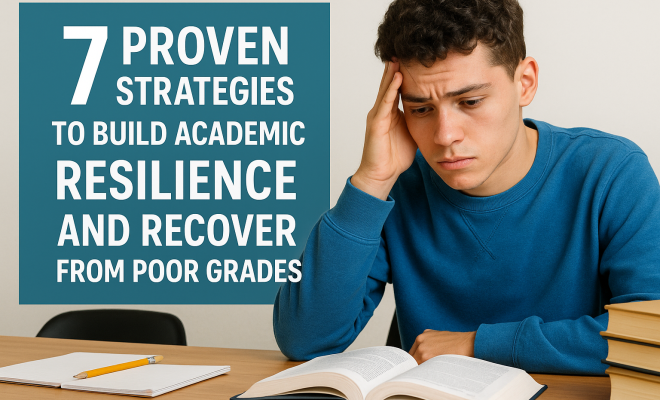
Every student experiences setbacks; it’s part of the learning journey. Poor grades can feel like a significant defeat, leaving students disheartened and questioning their academic abilities. However, these moments can also be transformative when approached with the right mindset and strategies. The concept of academic resilience embodies the ability to bounce back from such challenges, allowing students not only to recover from poor grades but also to grow stronger in their academic pursuits. In this article, we’ll explore effective strategies to foster this vital trait, enabling students to thrive in their educational journeys.
Understanding Academic Resilience
Academic resilience refers to a student’s capacity to adapt, persevere, and succeed despite experiencing difficulties in their academic life. It involves mental fortitude, motivation, and the ability to view setbacks as opportunities for growth rather than insurmountable obstacles. Research shows that students who develop this resilience tend to achieve better academic outcomes over time.
In recent years, educational institutions have begun placing more emphasis on cultivating this resilience. With the increasing pressure on students and the competitive nature of academics, ensuring that students can bounce back from adversity is more important than ever. Building academic resilience involves not only personal development but also a supportive environment that encourages risk-taking and learning from failure.
The Role of Mindset
A crucial factor in developing academic resilience is the concept of mindset, which psychologist Carol Dweck popularized. According to Dweck, there are two primary mindsets: fixed and growth. A fixed mindset believes that abilities and intelligence are static and unchangeable, while a growth mindset embraces the idea that skills can be developed through effort, perseverance, and learning from mistakes.
Students with a growth mindset view poor grades as feedback rather than a reflection of their intelligence. They are more likely to embrace challenges, persist through difficulties, and ultimately recover from setbacks. Encouraging students to adopt a growth mindset can significantly enhance their academic resilience. Here are some ways to foster this mindset:
- Encourage Self-Reflection: After receiving poor grades, prompt students to reflect on what went wrong and how they can improve. This process helps them take ownership of their learning and fosters a proactive approach.
- Celebrate Efforts, Not Just Results: Acknowledge hard work and effort rather than focusing solely on grades. This reinforces the idea that effort leads to improvement.
- Share Growth Stories: Provide examples of successful individuals who faced failures but persevered. Hearing stories of resilience can inspire students to adopt a similar approach.
Creating a Supportive Learning Environment
Academic resilience doesn’t flourish in a vacuum. A supportive environment plays a crucial role in helping students overcome academic challenges. Parents, teachers, and peers all contribute to this ecosystem. Here are some ways to create a nurturing environment:
- Encourage Open Communication: Students should feel free to express their struggles without fear of judgment. Establishing a culture of openness fosters trust and support.
- Individualized Support: Recognizing that each student has unique needs is key. Tailor support strategies such as tutoring, mentoring, or counseling to address specific challenges.
- Foster Collaborative Learning: Group projects and collaborative activities can help students learn from each other. When students work together, they develop a sense of community and shared resilience.
Setting Realistic Goals
Goal-setting is another vital aspect of building academic resilience. Students who have clear, achievable goals are better equipped to navigate setbacks. Instead of overwhelming themselves with the pressure of achieving perfect grades, students should aim for incremental improvements.
To effectively set goals, students can implement the SMART criteria—making their goals Specific, Measurable, Achievable, Relevant, and Time-bound. For instance, instead of saying, “I want to do better in math,” a student might set a goal like, “I will improve my math grade by at least 10% by the end of the semester by attending weekly tutoring sessions.” This clarity helps students focus their efforts and fosters resilience as they see their progress.
The Importance of Self-Care
A well-rounded approach to building academic resilience must include self-care. Academic challenges can lead to stress, anxiety, and burnout, impacting students’ overall well-being. Encouraging self-care practices can help students manage these pressures effectively.
Here are some self-care strategies that can promote resilience:
- Physical Activity: Regular exercise has been shown to reduce stress and improve mood. Encourage students to engage in activities they enjoy, whether it’s sports, dancing, or yoga.
- Healthy Eating: A balanced diet supports cognitive function and emotional well-being. Educate students on the importance of nutrition in maintaining energy levels and focus.
- Mindfulness and Relaxation Techniques: Practices such as meditation, deep breathing, or even simple relaxation exercises can help students manage anxiety and improve their focus and clarity.
Leveraging Resources and Support Systems
In the face of academic challenges, students should feel empowered to seek help. Whether it’s from teachers, tutors, or counselors, utilizing available resources can make a significant difference in their resilience journey. (See: Initiatives to support academic resilience.)
Encourage students to identify the support systems available to them. Schools often offer various resources, including academic support centers, counseling services, and peer mentoring programs. Students who actively engage with these resources are more likely to develop the skills and confidence needed to bounce back from poor grades.
Additionally, parents play a crucial role in this process. They can provide emotional support, encouragement, and resources to help their children navigate academic difficulties. Open dialogue at home about academic performance can foster a collaborative effort to achieve success.
Learning from Failure
Failure is often seen as a negative outcome, but it can be a powerful teacher. Embracing failure as part of the learning process is a key element of academic resilience. Instead of allowing poor grades to discourage them, students should be encouraged to analyze their mistakes and learn from them.
To turn failure into a learning opportunity, students might consider the following reflective questions:
- What specific factors contributed to this outcome?
- What steps can I take to address these issues moving forward?
- What resources or support do I need to improve?
This reflective practice not only helps students identify areas for improvement but also fosters a growth mindset, reinforcing the belief that they can overcome challenges. Related reading: Teaching growth mindset books.
Building a Network of Encouragement
Lastly, cultivating a network of encouragement is essential for fostering academic resilience. This network can consist of family, friends, mentors, and even classmates. Having people who believe in their abilities and provide support can inspire students to keep pushing forward, even when faced with setbacks.
Encourage students to connect with peers who share similar academic goals. Forming study groups or engaging in collaborative projects can provide motivation and accountability. Additionally, mentorship programs that pair students with older peers or adults can offer valuable guidance and support, helping them navigate challenges more effectively.
Understanding the Impact of Stress on Academic Resilience
Stress can significantly affect a student’s ability to exhibit academic resilience. When faced with the pressures of exams, deadlines, or extracurricular commitments, students may feel overwhelmed, leading to decreased performance. It’s vital to recognize the signs of stress and implement strategies to manage it effectively. For example, research indicates that students who practice stress-management techniques, such as time management skills and prioritization, are better equipped to handle academic pressures.
One effective approach is teaching students to break down larger tasks into smaller, manageable parts. This method not only makes the workload feel less daunting but also allows for a sense of accomplishment as they complete each small task. Additionally, incorporating regular breaks into study sessions can help maintain focus and prevent burnout.
Why Academic Resilience Matters
Understanding why academic resilience is critical can motivate students and educators alike to prioritize its development. Studies have shown that students with higher resilience tend to experience better mental health outcomes, lower dropout rates, and improved overall academic performance.
Furthermore, the skills acquired through developing resilience, such as problem-solving, emotional regulation, and adaptability, benefit students far beyond their academic careers. These skills play a vital role in life beyond school, enriching personal relationships and professional endeavors. For instance, employers often seek candidates who can handle stress and adapt to change—qualities inherent in resilient individuals.
Expert Perspectives on Academic Resilience
Educators, psychologists, and researchers have extensively studied the role of resilience in academic success. Dr. Angela Duckworth, a leading psychologist known for her research on grit, emphasizes that perseverance and passion for long-term goals are fundamental to success. She argues that resilience is not merely the absence of failure but rather the cultivation of a mindset that embraces challenges as opportunities for learning and growth. (See: What is academic resilience?.)
Additionally, Dr. Martin Seligman, a pioneer in the field of positive psychology, advocates for teaching students skills related to optimism and resilience. His work suggests that fostering a positive outlook can mitigate the adverse effects of academic stress and encourage students to approach difficulties with confidence and creativity.
Comparative Analysis: Resilience in Different Educational Systems
Different educational systems across the globe emphasize resilience in various ways, creating diverse outcomes for students. For example, Scandinavian countries often incorporate play and creativity into learning, allowing students to experience failure in a low-stakes environment. This approach has been linked to higher levels of resilience and lower stress among students.
In contrast, more traditional educational systems, such as in parts of Asia, often place a heavy emphasis on exam results and academic performance. While this can drive students to achieve high grades, it can also lead to heightened stress and a fear of failure. Exploring these differences can provide valuable insights into how educational policies and practices influence student resilience.
Practical Tips for Parents and Educators
Parents and educators play a vital role in nurturing academic resilience. Here are some practical tips to incorporate into daily routines:
- Model Resilience: Share personal experiences of overcoming challenges. When students see adults navigate difficulties, they learn to do the same.
- Promote a Balanced Perspective: Encourage students to view challenges as part of the journey rather than a destination. This mindset can diminish the fear of failure.
- Equip with Tools for Success: Provide students with organizational tools and techniques. Simple planners or apps can help them manage time effectively and reduce anxiety.
Frequently Asked Questions (FAQ)
What is academic resilience?
Academic resilience is the ability of students to adapt, persevere, and succeed in the face of academic challenges and setbacks. It involves mental strength, motivation, and viewing difficulties as opportunities for growth.
How can I help my child develop academic resilience?
To help your child develop academic resilience, encourage a growth mindset, promote open communication about challenges, celebrate efforts, and create a supportive environment where they feel safe to take risks and learn from mistakes.
What role do teachers play in fostering academic resilience?
Teachers play a crucial role by creating a supportive classroom environment, encouraging growth mindset strategies, providing individualized support, and teaching students effective coping and problem-solving skills.
Are there specific programs that focus on building academic resilience?
Yes, many schools and organizations offer programs designed to promote resilience, including social-emotional learning initiatives, mentorship programs, and workshops focused on coping strategies and growth mindset development.
Can academic resilience be measured?
While measuring resilience can be challenging, various assessments and surveys, such as the Resilience Scale or the Connor-Davidson Resilience Scale, can provide insights into a student’s resilience levels and their ability to cope with challenges.
Emotional Intelligence and Academic Resilience
Another key element closely tied to academic resilience is emotional intelligence (EI). EI is the ability to recognize and manage one’s own emotions and the emotions of others. Research indicates that students with higher emotional intelligence tend to be more resilient. They can better navigate the ups and downs of academic life, as they can identify stressors and react to them appropriately.
For instance, a student with high emotional intelligence may recognize when they are feeling overwhelmed and take proactive steps to address their emotions, such as taking a break or talking to a friend. Schools can foster EI through social-emotional learning programs that teach students skills like empathy, emotional regulation, and effective communication.
Incorporating Technology for Resilience Building
In an age where technology is an integral part of learning, students can leverage digital tools to enhance their academic resilience. Various applications and platforms can assist students in staying organized, managing their time, and accessing educational resources. For example, apps like Trello or Notion can help students break down tasks and manage projects efficiently.
Moreover, online forums and study groups can connect students with peers who share similar academic interests and challenges. Engaging in these communities can provide additional motivation, advice, and support, reinforcing the idea that they are not alone in their academic journey.
The Long-Term Benefits of Academic Resilience
Developing academic resilience has far-reaching implications for students, influencing not only their academic success but also their future careers and personal lives. The skills learned through overcoming academic challenges—such as critical thinking, problem-solving, and adaptability—are invaluable in today’s fast-paced work environment.
Employers consistently rank resilience as a key trait in prospective employees. Resilient individuals are often seen as more effective leaders and collaborators, as they can navigate difficulties and adapt to change without losing sight of their goals. As students learn to bounce back from setbacks, they are effectively preparing themselves for a successful future in their careers.
Strategies for Building Academic Resilience in the Classroom
Teachers can implement specific strategies in the classroom to build students’ academic resilience. Here are some effective approaches:
- Teach Problem-Solving Skills: Incorporate lessons that focus on critical thinking and problem-solving. Encourage students to tackle complex problems collaboratively, allowing them to experience both the challenges and rewards of overcoming obstacles.
- Create a Safe Learning Environment: Establish a classroom atmosphere where mistakes are viewed as part of the learning process. This can be achieved by modeling vulnerability, sharing your own experiences with failure and recovery.
- Implement Reflective Practices: Encourage students to keep journals where they reflect on their academic experiences. This practice can help them process their emotions and thoughts, ultimately leading to greater resilience.
Conclusion: Embracing the Journey
In the journey of education, poor grades can feel like a brick wall, but with the right mindset and strategies, they can be transformed into stepping stones toward success. Building academic resilience is not only about improving grades; it’s about fostering a love for learning, developing critical life skills, and becoming more adaptable in the face of adversity. By nurturing this resilience, we empower students to embrace challenges, learn from their experiences, and ultimately thrive in their academic pursuits. As educators, parents, and mentors, it is our responsibility to guide students through these pivotal moments, equipping them with the tools they need to rise above their challenges and reach their full potential.
“`
Trending Now
- Educators & LinkedIn: There Is a…
- Understanding Why ADHD Students Face Challenges…
- this guide on empowering young minds: 9 ways to enhance pragmatic language development in preschool
- our breakdown of decoding language: how pragmatics, semantics, and syntax shape communication
Frequently Asked Questions
What is academic resilience?
Academic resilience refers to a student's ability to adapt and succeed despite facing challenges in their educational journey. It involves mental fortitude, motivation, and viewing setbacks as opportunities for growth, ultimately leading to improved academic outcomes.
How can students recover from poor grades?
Students can recover from poor grades by adopting a growth mindset, seeking support from teachers and peers, setting realistic goals, and employing effective study strategies. Emphasizing resilience allows students to learn from their experiences and improve in future assessments.
Why is a growth mindset important for students?
A growth mindset is crucial for students as it encourages them to view challenges, such as poor grades, as opportunities for learning. This perspective fosters resilience and motivates students to put in effort and persist through difficulties, leading to better academic performance. Positivity posters for classrooms offers useful background here.
What strategies can help build academic resilience?
Strategies to build academic resilience include developing a growth mindset, setting achievable goals, seeking feedback, maintaining a supportive network, and practicing self-reflection. These approaches help students learn from setbacks and enhance their overall academic performance.
How do educational institutions support academic resilience?
Educational institutions support academic resilience by creating a nurturing environment that promotes risk-taking, learning from failure, and providing resources like counseling and tutoring. By emphasizing resilience, schools help students develop skills necessary to overcome academic challenges.
What’s your take on this? Share your thoughts in the comments below — we read every one.