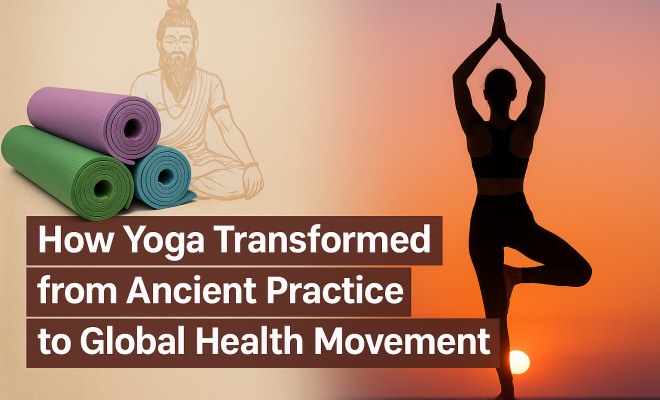
How Yoga Transformed from Ancient Practice to Global Health Movement
“`html
Yoga has transcended its origins to become a worldwide health phenomenon, celebrated for its physical, mental, and spiritual benefits. While many might see it as a modern trend in wellness routines, its roots run deep, anchored in a rich history that spans thousands of years. Understanding the history of yoga reveals how it evolved into an essential practice for many, particularly in tackling challenges like anxiety and depression in today’s hectic world.
The Ancient Roots of Yoga
The practice of yoga dates back over 5,000 years, originating in ancient India. The earliest texts, such as the Vedas and Upanishads, provide glimpses into how yoga was integrated into spiritual life. These scriptures emphasized meditation, moral conduct, and the pursuit of knowledge, laying the foundation for what would become a holistic approach to wellness.
As time progressed, more structured forms of yoga emerged, including the practices codified in the Yoga Sutras of Patanjali around the 2nd century BCE. This work outlined the Eight Limbs of Yoga, which encompass ethical guidelines, physical postures, and meditative practices. These principles were not just for physical health but aimed at achieving a harmonious balance between the body, mind, and spirit.
The Evolution Through the Ages
Over the centuries, yoga underwent significant transformations. During the Gupta period (circa 320-550 CE), yoga was increasingly intertwined with Hindu philosophy. The practice also absorbed influences from Buddhism and Jainism, which contributed to its rich tapestry of techniques and interpretations.
By the 19th century, yoga began to attract the attention of Western audiences, primarily through the teachings of figures like Swami Vivekananda. His participation in the 1893 Parliament of the World’s Religions in Chicago introduced many to yoga’s philosophical aspects, igniting curiosity and interest beyond Indian borders.
Yoga’s Journey to the West
The early 20th century saw the rise of notable yoga teachers such as T. Krishnamacharya and his students, who brought various styles of yoga to the West, further popularizing the practice. In 1965, the publication of “The Yoga Sutras of Patanjali” by Swami Satchidananda, along with the establishment of yoga studios and retreats, cemented yoga’s place in Western culture.
This cross-cultural exchange marked a pivotal moment in the history of yoga, as it evolved from a niche spiritual practice to a global health and wellness movement. The 1970s and 80s saw yoga becoming mainstream, with celebrities and public figures endorsing its benefits, thus solidifying its status in popular culture.
The Modern-Day Wellness Movement
Fast forward to today, and yoga is recognized as a powerful tool for mental health management. A recent post by MyGovIndia emphasizes this shift, highlighting how yoga is not merely a trend but a vision for global wellness. This perspective is particularly relevant around the International Day of Yoga, celebrated annually on June 21st, which has sparked renewed interest and participation in yoga worldwide.
Research increasingly supports the mental health benefits of yoga. Numerous studies have found that regular practice can significantly decrease symptoms of anxiety and depression. For instance, a 2017 meta-analysis published in Psychological Bulletin revealed that mindfulness-based practices, including yoga, could lead to substantial reductions in anxiety.
The Mental Health Benefits of Yoga
Yoga’s multifaceted approach to health encompasses physical, mental, and emotional dimensions, making it uniquely effective at addressing mental health issues. Regular practice is associated with a reduction in cortisol levels, the body’s primary stress hormone. Lower cortisol levels can enhance emotional regulation and resilience, making it easier to manage anxiety and stress. (See: Wikipedia entry on Yoga.)
Additionally, yoga encourages mindfulness — the practice of being present without judgment. This focus on the present moment can help you cultivate greater awareness of your thoughts and feelings, allowing for healthier emotional responses. Many practitioners report improved focus and concentration, making it easier to cope with everyday stressors.
The Role of Community in Yoga Practice
The social aspect of yoga cannot be overlooked. Group classes foster a sense of community, providing emotional support that enhances the overall experience. This communal aspect has become even more crucial during the COVID-19 pandemic, where isolation has exacerbated mental health challenges for many.
Online platforms and social media have also played a significant role in bringing people together. Virtual yoga classes and communities have flourished, allowing individuals to connect, share experiences, and support each other in their wellness journeys. This connectivity has helped sustain interest in yoga, reinforcing its position as a vital health practice.
Integrating Yoga into Everyday Life
For those considering incorporating yoga into their routines, the good news is that it doesn’t require hours of spare time or extensive training. Even short, daily sessions can yield significant benefits. Here are a few tips to get started:
- Start Small: Even ten minutes a day can make a difference. Begin with basic poses and short meditative practices.
- Find a Class: Look for beginner classes in your area or online. Having guidance can boost your confidence and ensure proper techniques.
- Practice Mindfulness: Combine yoga with mindfulness practices, such as meditation, to enhance its mental health benefits.
- Consistency is Key: Regular practice will yield the best results. Try to make yoga a part of your daily routine.
The Cultural Significance of Yoga
As yoga continues to spread globally, it’s essential to acknowledge and respect its cultural roots. Many practitioners are increasingly aware of the importance of approaching yoga not just as a physical exercise, but as a holistic practice that encompasses philosophy, spirituality, and community.
International Day of Yoga serves as a reminder of this cultural significance. Celebrated since 2015, it aims to raise awareness of the many benefits of yoga and its capacity to foster peace and harmony among individuals and communities. The event draws millions of participants worldwide, showcasing the unifying power of yoga.
The Future of Yoga
Looking ahead, it’s likely that yoga will continue to evolve and adapt to meet the needs of modern society. With increasing awareness of mental health issues, the demand for practices like yoga that promote emotional well-being will likely grow. Furthermore, as more people seek holistic approaches to health, yoga may expand its reach, integrating with other wellness practices such as nutrition, mindfulness, and holistic therapies.
The incorporation of technology into yoga practices is an emerging trend that can’t be ignored. Apps and online platforms providing guided yoga sessions, tracking progress, and offering personalized advice are becoming increasingly popular. This integration of technology can enhance accessibility, allowing people from various backgrounds and locations to engage with yoga.
A Closer Look at Different Yoga Styles
Understanding the various styles of yoga can help you find the one that best suits your needs. While there are countless styles, here are a few of the most popular:
- Hatha Yoga: Often considered a gentle introduction to yoga, Hatha focuses on basic postures and is a great starting point for beginners.
- Vinyasa Yoga: This style emphasizes breath with movement, flowing from one pose to another. It’s dynamic and can vary in intensity.
- Ashtanga Yoga: A more rigorous style, Ashtanga follows a specific sequence of postures and is known for its athleticism and stamina-building benefits.
- Yin Yoga: Focusing on deep stretching and long-held postures, Yin yoga complements more active styles and encourages relaxation.
- Restorative Yoga: This gentle practice uses props to support the body in relaxation poses, promoting recovery and stress relief.
Each style caters to different needs and may resonate differently with individuals. Trying out various classes can provide insights into what feels best for you, helping to personalize your yoga journey.
The Science Behind Yoga
Research into yoga’s effectiveness is growing, shedding light on how it works at a physiological level. Studies indicate that regular yoga practice may improve cardiovascular health, enhance lung capacity, and boost immune function. A study published in the Journal of Clinical Psychology found that participants who practiced yoga showed significant decreases in anxiety and stress levels compared to those who did not incorporate yoga into their routines. (See: NIH article on yoga and mental health.)
Another fascinating area of research is the impact of yoga on neuroplasticity — the brain’s ability to rewire and adapt. Research published in Frontiers in Human Neuroscience suggests that yoga may increase gray matter density in regions of the brain associated with emotional regulation, decision-making, and impulse control.
Global Perspectives on Yoga
With yoga becoming a universal practice, it’s essential to understand how it is perceived and practiced around the world. For instance, in the United States, yoga is often marketed as a fitness routine, focusing on physical postures and breath control. Many yoga studios cater to a purely fitness-minded audience, offering classes that emphasize calorie burning and strength building.
Contrastingly, in countries like India, yoga is still largely viewed through its spiritual and philosophical lenses. Traditional teachers often emphasize the spiritual aspects, including meditation and ethical living, rather than just physical postures. This cultural difference can sometimes lead to misunderstandings or dilution of yoga’s richer, holistic roots in the Western context.
In Europe, yoga has become a blend of both worlds, where many practitioners seek to balance physical fitness with the philosophical underpinnings of the practice. Retreats that combine physical yoga with mindfulness and vegetarian meals have become increasingly popular, reflecting a growing interest in holistic wellness.
The Environmental Impact of Yoga
As more people embrace yoga, there’s also a growing awareness of its environmental impact. Many practitioners are seeking eco-friendly yoga mats and clothing, pushing brands to adopt sustainable practices. This shift is changing the way yoga is marketed and consumed. Eco-conscious consumers prefer mats made from natural and recycled materials instead of those made from PVC, which can be harmful to the environment.
Moreover, yoga retreats are increasingly prioritizing sustainability by using local resources, reducing waste, and supporting community initiatives. This trend not only promotes environmental responsibility but also aligns with yoga’s foundational principle of ahimsa, or non-violence, toward all living things.
Frequently Asked Questions about the History of Yoga
What is the origin of yoga?
Yoga originated in ancient India over 5,000 years ago, initially practiced as a spiritual discipline aimed at achieving enlightenment and self-realization.
Who wrote the Yoga Sutras?
The Yoga Sutras were written by the sage Patanjali around the 2nd century BCE, serving as a foundational text that outlines the philosophy and practice of yoga.
How has yoga changed over time?
Yoga has evolved from its ancient spiritual roots into a diverse array of practices that focus on physical health, mental well-being, and holistic wellness. This transformation has been influenced by cultural exchanges and modernization. (See: CDC resources on mental health practices.)
Is yoga only for the flexible or athletic?
No, yoga is for everyone! It can be modified to suit all body types and fitness levels. Many styles of yoga are accessible to beginners, and there are classes specifically designed for those with varying abilities.
How can yoga benefit mental health?
Yoga promotes relaxation, improves emotional regulation, and enhances mindfulness. Studies have shown it can reduce symptoms of anxiety and depression, making it a valuable tool for mental health management.
What should I look for in a yoga class?
Look for classes that match your skill level and personal goals. Consider aspects such as the instructor’s experience, class size, and the style of yoga being taught. Most importantly, find an environment where you feel comfortable and supported.
Can yoga be practiced at home?
Absolutely! Many people find great benefits from practicing yoga at home. With the availability of online classes, apps, and videos, it’s easier than ever to create your own routine. Just ensure you have a comfortable space and the right resources to guide your practice.
What is the role of breath in yoga?
Breath, or “pranayama,” is a fundamental aspect of yoga. It connects movement with intention and helps to center the mind. Controlled breathing can enhance the practice, increase focus, and promote relaxation, making it an essential component for both beginners and experienced practitioners.
Are there any risks associated with yoga?
While yoga is generally safe, there are potential risks, especially if poses are performed incorrectly. It’s important to listen to your body and avoid pushing yourself too hard. If you have any pre-existing health conditions or concerns, consult with a healthcare professional before starting a new practice.
As you contemplate your own wellness practices, consider how integrating yoga into your life could provide the balance and clarity you seek amid the chaos of daily living.
“`
Trending Now
- 15 Read-Alouds That Make Teachers Cry…
- “Using Bloom’s Taxonomy to Write Better…
- “Piaget’s Conservation Tasks: Simple Activities to Assess Your Preschooler’s Cognitive Development”
- this guide on “proprioception activities for kids: 25 sensory diet ideas to improve body awareness”
Frequently Asked Questions
What are the origins of yoga?
Yoga originated in ancient India over 5,000 years ago, with early texts like the Vedas and Upanishads detailing its integration into spiritual life. These scriptures emphasized meditation, moral conduct, and the pursuit of knowledge, laying the groundwork for a holistic wellness approach.
How has yoga evolved over time?
Yoga has transformed significantly throughout history, adapting to various cultural influences. From its roots in ancient Hindu philosophy to the incorporation of Buddhist and Jain principles, yoga has developed into diverse practices that emphasize physical, mental, and spiritual well-being.
Who introduced yoga to the West?
Yoga gained attention in the West primarily through Swami Vivekananda in the late 19th century. His participation in the 1893 Parliament of the World's Religions sparked curiosity about yoga's philosophical aspects, leading to increased interest and practice in Western countries.
What are the benefits of practicing yoga?
Yoga offers numerous benefits, including improved physical health, enhanced mental clarity, and spiritual growth. It is particularly effective in managing stress, anxiety, and depression, making it a valuable practice for overall well-being in today's fast-paced world.
What are the Eight Limbs of Yoga?
The Eight Limbs of Yoga, codified in the Yoga Sutras of Patanjali, include ethical guidelines, physical postures, and meditative practices. These limbs provide a comprehensive framework for achieving balance and harmony between the body, mind, and spirit.
What’s your take on this? Share your thoughts in the comments below — we read every one.