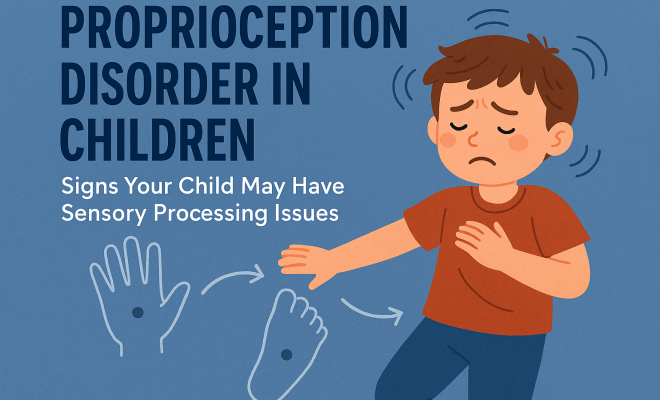
“Proprioception Disorder in Children: Signs Your Child May Have Sensory Processing Issues”
“`html
Proprioception disorder in children is a lesser-known yet critical sensory processing issue that can significantly impact a child’s development and daily functioning. Understanding the signs and implications of this disorder is crucial for parents, educators, and healthcare providers alike. In this comprehensive article, we aim to unpack what proprioception disorder entails, how to identify its signs, and what steps can be taken to support affected children.
What is Proprioception?
Proprioception refers to the body’s ability to sense its position and movement in space. It’s an essential part of how we interact with our environment and carry out everyday activities. Children develop this sense through experiences like crawling, walking, and playing — activities that help them learn about their bodies and how they fit into the world around them.
When a child has a proprioception disorder, their brain struggles to receive and process signals about their body’s position and movement. This can lead to various challenges, from navigating physical spaces to interpreting how to move their bodies effectively.
Understanding Proprioception Disorder in Children
Proprioception disorder is often categorized under the broader umbrella of sensory processing disorders (SPDs), which can affect how children respond to sensory inputs. While the proprioceptive system primarily focuses on body awareness, it is interconnected with other sensory systems, including the vestibular (balance) and tactile (touch) systems. When one system is out of balance, it can lead to issues in the others.
Research indicates that proprioception disorder can significantly affect a child’s ability to engage in play, participate in sports, and even manage everyday tasks like dressing and handwriting. Children may be either over-responsive or under-responsive to proprioceptive input, leading to different behavioral manifestations.
Signs Your Child May Have Proprioception Disorder
Recognizing proprioception disorder in children can be challenging, especially since children often exhibit a range of behaviors that can be interpreted in multiple ways. However, there are key signs to watch for:
- Difficulty with body awareness: Children may struggle to understand where their body is in relation to objects around them. This can manifest in clumsiness or bumping into things frequently.
- Problems with coordination: Tasks that require fine motor skills, like writing or using scissors, may be particularly troublesome. Children might also have difficulty with gross motor skills, such as running or jumping.
- Inconsistent strength: Some children may exhibit an unusual amount of strength or lack thereof. For example, they might press too hard when holding a pencil or struggle to open containers.
- Seeking or avoiding movement: Children with proprioceptive challenges might either seek out intense movement experiences or avoid them altogether. They could enjoy roughhousing, swinging, or jumping but may also shy away from activities that require more subtle movements.
- Emotional responses and behavior: Frustration often accompanies these challenges. Children may become upset easily, especially in situations that require fine motor skills or spatial awareness.
Causes and Risk Factors
Understanding the underlying causes of proprioception disorder can be complex. It is often associated with various factors, including:
- Genetics: Some children may be predisposed to sensory processing difficulties due to genetic factors.
- Neurological conditions: Conditions such as autism spectrum disorder (ASD) and attention deficit hyperactivity disorder (ADHD) can coexist with proprioceptive issues.
- Premature birth: Children born prematurely or with birth complications may be at a higher risk for developing sensory processing disorders.
- Injury or trauma: Physical injuries or trauma can also impact proprioceptive development, particularly if they affect the brain or nervous system.
Assessing Proprioception Disorder in Children
If you suspect your child may have a proprioception disorder, getting a formal assessment is essential. Occupational therapists are often the professionals best equipped to evaluate sensory processing issues. They may utilize standardized tests, clinical observations, and parent questionnaires to gauge a child’s proprioceptive functioning.
During an assessment, the therapist will look for signs of how well the child can sense their body position, manage movement, and handle various physical tasks. They may also assess the child’s reactions to different sensory stimuli, providing a more comprehensive picture of the child’s sensory profile. (See: Understanding sensory processing disorders.)
Strategies for Supporting Children with Proprioception Disorder
Once a proprioception disorder has been identified, there are several strategies and interventions that can help the child improve their sensory processing abilities:
- Occupational therapy: Engaging with an occupational therapist can provide tailored strategies and exercises to help children improve proprioceptive awareness. Therapists often use play-based activities that encourage movement and body awareness.
- Movement activities: Incorporating activities that emphasize body movement, such as climbing, jumping, or crawling, can help enhance proprioceptive input. Simple exercises like balancing on one foot or playing catch can also be beneficial.
- Weighted items: Using weighted blankets or vests can provide calming proprioceptive feedback for children, helping them feel more grounded and aware of their bodies.
- Deep pressure techniques: Providing deep tactile pressure, such as squeezes or hugs, can also support proprioceptive development. Activities like rolling on a large exercise ball can provide the same effect.
School and Social Implications
Proprioception disorder can affect a child’s performance in school and their interactions with peers. For instance, difficulties with coordination may hinder a child’s ability to participate in physical education classes or play team sports. This can lead to feelings of isolation or frustration, impacting their self-esteem.
Educators can play a pivotal role in supporting children with proprioception disorders by providing accommodating environments. This might include allowing more time for physical tasks, integrating sensory breaks into the classroom, or using adaptive tools to assist with writing and other activities. Regular communication between parents and teachers can foster a collaborative approach to the child’s development.
Current Research and Developments
The field of sensory processing disorders, including proprioception disorder in children, is continually evolving. Current research is investigating new therapeutic approaches, the neurological basis of these disorders, and the efficacy of various interventions.
Recent studies have shown promising results in the use of sensory integration therapy, which engages children in structured activities designed to improve their sensory processing skills. Researchers are also exploring the role of technology, such as virtual reality, in creating immersive environments that can enhance proprioceptive training.
The Role of Parents and Caregivers
As a parent or caregiver, your role in supporting a child with proprioception disorder is invaluable. Here are some actionable steps you can take:
- Educate yourself: Understanding proprioception disorders and sensory processing issues will help you advocate for your child and communicate effectively with professionals.
- Create a sensory-friendly environment: Modifying your home environment to accommodate sensory needs can be beneficial. This includes providing quiet spaces, minimizing sensory overload, and incorporating sensory tools like fidget toys or textured items.
- Encourage play: Engage your child in games and activities that promote movement and body awareness. Encourage them to try new sports or physical activities that interest them.
- Stay patient: Changes may take time, and every child progresses at their own pace. Celebrate small achievements and remain a source of encouragement.
Understanding the Long-term Impact of Proprioception Disorder
Proprioception disorder can have long-lasting effects on a child’s life if not addressed. Beyond the immediate challenges in physical coordination and social interactions, children may face difficulties as they transition into adulthood. Research shows that many individuals with sensory processing disorders continue to experience challenges related to proprioception throughout their lives.
In adulthood, these issues can manifest as difficulties in the workplace, especially in jobs requiring physical tasks, coordination, or teamwork. Furthermore, adults may struggle with activities such as driving or engaging in sports due to their proprioceptive challenges. The importance of early intervention cannot be overstated; by addressing these issues in childhood, we can significantly improve the quality of life for these individuals as they grow.
Real-Life Examples and Case Studies
In understanding proprioception disorder, real-life examples can provide valuable insights into how it affects daily life. For instance, consider a child named Jake, who struggles with proprioception. During a game of soccer, he often misjudges where the ball is, leading to frustration and embarrassment. This affects his willingness to join in on games, further isolating him from his peers.
Alternatively, we can look at Mia, who has been undergoing occupational therapy for proprioception disorder. With her therapist’s guidance, she has learned to use techniques such as jumping on a trampoline to strengthen her body awareness. As a result, Mia has improved not only her coordination but also her confidence in social settings, allowing her to enjoy playdates and sports.
Statistics and Research Findings
Understanding the prevalence and impact of proprioception disorder in children can be enhanced by looking at relevant statistics. Research indicates that around 1 in 20 children is affected by sensory processing disorders, with proprioception being a significant component for many of these cases. Furthermore, studies have shown that children with proprioceptive challenges are at a higher risk for developing anxiety and social difficulties, underlining the importance of early identification and intervention. (See: CDC on developmental disabilities.)
One study found that children diagnosed with proprioceptive disorder scored significantly lower on tests measuring coordination and body awareness compared to their peers. This research emphasizes the need for targeted therapeutic strategies to address these deficits early on. With proper support and interventions, many children can see significant improvements in their proprioceptive abilities and overall quality of life.
Frequently Asked Questions (FAQ)
What are the common therapies for proprioception disorder?
Common therapies include occupational therapy focused on sensory integration, physical therapy to enhance motor skills, and specialized play therapy that encourages movement and coordination.
How can I help my child at home with proprioception disorder?
You can encourage activities that promote body awareness, such as yoga, dancing, or even simple games like Simon Says. Providing plenty of opportunities for physical play can also help improve proprioception.
Are there specific activities that are beneficial for children with this disorder?
Yes, activities like jumping on trampolines, climbing, swimming, and playing with playdough or clay can significantly help improve proprioceptive skills. Activities incorporating heavy work, like pushing or pulling, are particularly beneficial.
Can proprioception disorder be outgrown?
Some children may develop better proprioceptive awareness as they grow and gain more experience with movement. However, others may continue to face challenges into adulthood. Early intervention and ongoing support can greatly improve outcomes.
How do I approach my child’s school about their proprioception disorder?
Communicate openly with teachers and school staff about your child’s needs. Sharing specific strategies that work at home can help them create a supportive environment. It’s also helpful to provide any documentation from healthcare professionals regarding your child’s diagnosis and recommended accommodations.
Understanding Coexisting Conditions
Many children with proprioception disorders may also experience coexisting conditions that can complicate their challenges. These often include autism spectrum disorder (ASD), attention deficit hyperactivity disorder (ADHD), and learning disabilities. Each of these conditions can amplify the difficulties related to proprioceptive processing, making it essential for caregivers and educators to adopt a comprehensive approach to treatment.
For example, children with ASD often have heightened sensory sensitivities. This can mean that they not only struggle with proprioceptive input but also have difficulties managing tactile or auditory stimuli. Being aware of these coexisting conditions can help inform interventions and create a more supportive environment for the child.
Parental Challenges and Support Systems
Parents of children with proprioception disorders often face unique challenges. The emotional toll can be significant, as many feel overwhelmed and unsure of how to best support their child. Having a reliable support system is vital for these caregivers. Joining local or online support groups can help parents share experiences, obtain advice, and connect with others facing similar challenges.
Many communities offer resources for families, including workshops and seminars that focus on proprioceptive disorders and sensory processing. These resources can empower parents with knowledge and strategies to advocate for their children effectively.
The Importance of Early Intervention
Delaying the diagnosis and intervention for proprioception disorder can lead to compounded difficulties in a child’s development. Early intervention is critical, as it can help mitigate negative outcomes and foster a more positive trajectory for the child’s growth. Addressing proprioceptive challenges early can lead to improvements in motor skills, social interactions, and emotional regulation.
There is ample evidence suggesting that children who receive appropriate interventions at a young age tend to have better academic performance and social skills as they grow older. Parents should remain proactive in seeking therapies and educational support as soon as they notice signs of proprioceptive disorder.
Future Directions in Proprioception Disorder Research
The future of research into proprioception disorder looks promising as advancements in neuroscience continue to shed light on sensory processing. Ongoing studies aim to uncover the precise neurological mechanisms underlying proprioceptive disorders, which may lead to innovative therapeutic approaches and interventions.
Another area of interest is the integration of technology into therapeutic practices. For example, virtual reality (VR) and augmented reality (AR) are being explored as tools for enhancing proprioceptive awareness through immersive experiences. These technologies can create engaging environments for children to practice and improve their movement skills in a safe, controlled setting.
Conclusion
Proprioception disorder in children is an often-overlooked issue that can affect various aspects of their lives, from physical abilities to emotional well-being. By being aware of the signs and implementing supportive strategies, parents and caregivers can make a substantial difference in their child’s quality of life. As research continues to unfold, the hope is that greater awareness and understanding of these disorders will lead to improved outcomes and brighter futures for affected children.
“`
Trending Now
Frequently Asked Questions
What are the signs of proprioception disorder in children?
Signs of proprioception disorder in children can include difficulty with balance, clumsiness, trouble navigating spaces, and challenges in activities like dressing or handwriting. Children may also appear overly cautious or overly active, struggling to understand their body’s position in relation to the environment.
How does proprioception affect children's development?
Proprioception plays a crucial role in a child's development by helping them understand body awareness and movement. When this sense is impaired, children may face challenges in coordination, play, and daily tasks, which can impact their social interactions and overall confidence.
What causes proprioception disorder in children?
Proprioception disorder can result from various factors, including developmental delays, neurological conditions, or sensory processing disorders. These issues can affect how the brain processes signals related to body position and movement, leading to difficulties in everyday functioning.
How can I help my child with proprioception issues?
To support a child with proprioception issues, engage them in activities that promote body awareness, such as obstacle courses, climbing, or dance. Occupational therapy can also be beneficial, providing tailored strategies and exercises to improve their sensory processing skills.
Is proprioception disorder the same as sensory processing disorder?
Proprioception disorder is a specific type of sensory processing disorder (SPD) that focuses on body awareness. While it falls under the SPD umbrella, it specifically addresses challenges related to understanding body position and movement, which can affect various daily activities.
What did we miss? Let us know in the comments and join the conversation.