How AI in Education Is Transforming Classrooms Amid Privacy and Equity Concerns
“`html
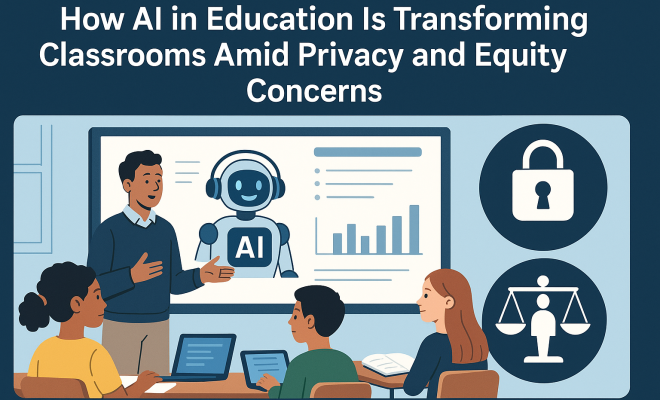
Artificial Intelligence (AI) is rapidly becoming a cornerstone of educational reform, fundamentally altering how teaching and learning are conducted. The integration of AI in education presents a wealth of opportunities for personalized learning, streamlined administrative tasks, and enhanced student engagement. However, this burgeoning technology also raises pressing concerns about privacy, equity, and the implications of surveillance within the school environment.
The Rise of AI in Education
In recent years, the surge of AI technologies has permeated various sectors, with education standing at the forefront of this transformation. AI’s application in classrooms includes adaptive learning platforms, automated grading systems, and virtual tutors that provide students with immediate feedback. According to research from the National Center for Education Statistics, 34% of public schools in the U.S. have already implemented AI technologies to some degree, showcasing its growing presence.
These advancements promise to tailor learning experiences to individual student needs, thereby fostering greater academic success. For instance, AI-driven tools can analyze student performance data and recommend personalized study plans, ensuring that every learner can progress at their own pace. This adaptability helps address diverse learning styles, making education more inclusive.
Understanding AI Literacy
While AI is poised to enrich educational experiences, a critical gap exists in understanding AI literacy among both educators and students. AI literacy encompasses the knowledge and skills required to navigate, utilize, and critically assess AI technologies. As AI tools become more prevalent in educational settings, it is essential that teachers and students become proficient in understanding how these systems work.
Many educators feel overwhelmed by the rapid pace of technological advancements and struggle to incorporate AI into their teaching. A survey conducted by the EdTech Review found that 62% of teachers believe they need additional training to effectively use AI tools in their classrooms. Without adequate training, the potential benefits of AI may remain unrealized, hindering the overall educational experience.
Deepfake Technology: A New Challenge
One of the more controversial aspects of AI is the emergence of deepfake technology, which uses AI to create hyper-realistic videos and images. While this technology has applications in various fields, its misuse can lead to significant ethical dilemmas, particularly in education. Deepfakes can foster misinformation and distrust among students and educators, complicating the already challenging task of teaching critical thinking skills.
In a world where students are bombarded with information, the ability to discern fact from fiction is paramount. The potential for deepfake technology to spread misleading content poses a unique challenge for educators. They must not only teach students how to identify credible sources but also educate them about the implications of manipulated media on public discourse.
Student Activity Monitoring: Balancing Safety and Privacy
As schools increasingly adopt AI-driven monitoring tools, concerns about student privacy and autonomy come to the forefront. AI systems can track students’ online activities, performance metrics, and even behavioral patterns, ostensibly to enhance safety and prevent issues such as bullying. However, the surveillance nature of these tools raises significant ethical questions.
Many students feel uncomfortable knowing that their every move is being monitored. A study from the American Civil Liberties Union highlights that 86% of students view surveillance technologies as an invasion of privacy, which can lead to heightened anxiety and stress. Striking a balance between ensuring a safe educational environment and respecting student privacy is increasingly complex.
The Impact on Marginalized Communities
The implications of AI in education are not uniform; certain demographics, particularly transgender and immigrant students, may face additional challenges amidst the proliferation of technology. For transgender students, the use of AI monitoring systems can exacerbate feelings of dysphoria and vulnerability. If these systems inadvertently misgender students or fail to recognize their preferred names, the repercussions can be emotionally damaging.
Moreover, immigrant students may encounter language barriers that hinder their ability to engage with AI-driven platforms effectively. The potential for AI to perpetuate existing inequalities is a significant concern, as marginalized communities may not have equal access to the benefits of these technologies. Educators must approach AI integration with an awareness of these disparities, ensuring that all students can thrive in an increasingly digital learning landscape. (See: CDC Youth Risk Behavior Survey.)
Ethical Considerations in AI Deployment
As schools and educational institutions lean into AI adoption, ethical considerations must remain at the forefront of decision-making. AI technologies, while powerful, are not inherently neutral; they reflect the biases of their creators and the data used to train them. This raises questions about fairness and equity in educational outcomes.
For instance, AI systems trained on biased data may inadvertently disadvantage certain student populations, leading to discriminatory practices in areas such as admissions, grading, and disciplinary actions. A report from the Brookings Institution emphasizes the need for transparent AI algorithms and regular audits to ensure ethical practices in educational settings.
Fostering an Inclusive AI Ecosystem
To address the challenges associated with AI in education, stakeholders must work collaboratively to create an inclusive environment that prioritizes equity and accessibility. It is imperative for educators, administrators, and policymakers to engage in ongoing dialogues about the ethical implications of AI technologies.
Professional development programs focused on AI literacy are essential to equip educators with the skills needed to effectively implement these technologies in their classrooms. Additionally, schools should prioritize investing in diverse AI tools that cater to various student demographics, ensuring that AI’s benefits are accessible to all.
The Role of Students in Shaping AI Policies
Students themselves can play a crucial role in influencing how AI is utilized within educational institutions. Encouraging student voices in discussions about AI technologies fosters a sense of ownership and responsibility among learners. By involving students in policy-making processes, schools can better understand the concerns and expectations of those most affected by these changes.
Student-led initiatives can drive awareness around issues of privacy and equity, influencing how schools adopt AI tools. This engagement not only empowers students but also cultivates a generation of informed citizens who are equipped to navigate the complexities of technology in their lives.
The Future of AI in Education: Opportunities and Risks
The future of AI in education holds both exciting opportunities and significant risks. As technology continues to evolve, educators must remain vigilant in addressing the ethical implications of AI adoption while fostering an environment of innovation. Embracing AI’s potential can lead to a more personalized and effective educational experience, but it is vital to proceed with caution.
Incorporating best practices for AI literacy, ensuring equitable access, and prioritizing student privacy are essential steps toward creating a sustainable educational model. The intersection of AI and education presents a unique opportunity to reshape the learning landscape, making it imperative that we approach this transition thoughtfully and inclusively.
AI Tools Enhancing Learning Experiences
AI has the potential to revolutionize how students learn and engage with content. Tools like intelligent tutoring systems and virtual learning environments are changing the educational landscape. For instance, platforms like Carnegie Learning use AI to analyze student interactions and deliver tailored resources based on their learning patterns. Such personalization is not just beneficial; it’s becoming a necessity in diverse classrooms where each student has unique needs.
Additionally, AI can facilitate collaborative learning experiences. Tools that utilize natural language processing can enable students to engage in real-time discussions, enhancing their critical thinking and communication skills. For instance, platforms like Miro and Jamboard use AI to assist students in brainstorming and organizing ideas visually, fostering a more interactive learning experience.
Statistics and Research Supporting AI in Education
Numerous studies have highlighted the effectiveness of AI in educational settings. According to a report from McKinsey & Company, AI-enhanced education could potentially increase student learning gains by up to 30%. This statistic underscores the significant impact AI can have when integrated thoughtfully into educational frameworks.
Furthermore, a survey conducted by the World Economic Forum revealed that 75% of educators believe AI tools will help improve student engagement and learning outcomes. This growing confidence reflects a collective recognition of AI’s potential to transform traditional educational practices, paving the way for a more effective and engaging learning environment.
Curricular Innovation Through AI
AI encourages curricular innovation that can lead to more relevant and engaging learning experiences. By analyzing data on student engagement, AI can help educators design lessons that resonate more deeply with their students’ interests and real-world applications. For instance, using AI to track student interaction with various subjects can guide teachers in adapting their lessons to focus on areas where students show a greater interest or struggle. (See: U.S. Department of Education on Technology.)
Moreover, AI can assist in integrating interdisciplinary approaches to learning. For example, a project-based learning approach that combines science, technology, engineering, and mathematics (STEM) with the arts (STEAM) can be enhanced by AI tools that provide insights into student performance across these subjects. This not only creates a more holistic educational experience but also prepares students for increasingly interconnected fields.
AI in Special Education
AI tools are particularly beneficial for students with special needs, providing personalized support tailored to individual learning requirements. For instance, speech recognition technologies can assist students with speech impairments by allowing them to communicate more effectively. Similarly, AI-driven learning platforms can adapt content delivery based on a student’s unique learning pace, ensuring they grasp concepts without feeling overwhelmed.
Moreover, AI can facilitate collaboration between educators and specialists in formulating individualized education plans (IEPs). Tools that analyze student progress can provide invaluable data, enabling a more precise approach to meet each learner’s unique needs. This level of personalization can significantly enhance the learning experience for students with disabilities, fostering an inclusive environment that champions diversity.
Challenges of Implementing AI in Education
Despite the benefits, integrating AI in education comes with its own set of challenges. One major hurdle is the digital divide, where students from low-income families may lack access to the necessary technology or internet connectivity. According to the Pew Research Center, approximately 14% of U.S. students do not have access to high-speed internet at home, which can hinder their ability to benefit from AI-driven resources.
Additionally, there is a concern about the reliability of AI systems. As educators begin to rely on these tools, it’s crucial that AI algorithms are transparent and accurate. Misleading information or biased algorithms could exacerbate existing educational inequalities, leading to further disenfranchisement of vulnerable student populations.
Frequently Asked Questions (FAQ) on AI in Education
What is AI literacy, and why is it important in education?
AI literacy refers to the understanding and ability to effectively engage with AI technologies. This knowledge is crucial for both educators and students as AI becomes more prevalent in classrooms. Being AI literate allows individuals to critically assess AI tools, understand their limitations, and maximize their benefits for educational purposes.
How can AI improve personalized learning?
AI can analyze vast amounts of data to identify individual student strengths, weaknesses, and learning preferences. By utilizing this data, AI systems can offer customized resources and feedback, allowing students to learn at their own pace and style. This tailored approach ensures that educational experiences are relevant and effective for each learner.
What are the ethical concerns surrounding AI in education?
Ethical concerns include issues of privacy, bias in AI algorithms, and the potential for surveillance. It’s vital to ensure that AI tools do not reinforce existing inequalities or compromise students’ personal information. Schools must prioritize transparency in AI usage and actively work to mitigate any associated risks.
How can educators prepare for AI integration in their classrooms?
Educators should seek out professional development opportunities focused on AI literacy and best practices for implementation. Collaborating with technology experts, attending workshops, and participating in discussions about AI’s implications are effective ways to build confidence and competence in using AI tools.
What role can students play in shaping AI policies in schools?
Students can advocate for their interests and concerns regarding AI usage in their educational environments. By engaging in discussions about technology implementation, participating in surveys, and forming student-led committees, learners can provide valuable insights that influence more equitable and effective AI policies.
Examples of AI Applications in Education
There are numerous examples of AI applications that are making waves in education. Language learning platforms like Duolingo employ AI algorithms to personalize lessons, adapting to the learner’s progress and challenges. This ensures that users are always working at an appropriate level, increasing the likelihood of retention and understanding. (See: New York Times on AI in Education.)
Another example is the use of AI in assessment tools. Gradescope, an AI-driven platform, employs machine learning to help educators grade exams quickly and fairly. By utilizing computer vision, the system can recognize handwritten answers and provide instant feedback, freeing teachers to focus on engaging with their students rather than getting bogged down in grading.
The Future of AI: Trends to Watch
As the landscape of AI in education continues to evolve, several key trends are emerging that educators and institutions should keep an eye on. One major trend is the push towards greater collaboration between AI systems and human educators. While AI can provide support, the need for human connection and empathy remains irreplaceable. Educators will likely play a crucial role in guiding AI systems, ensuring they serve educational purposes and uphold ethical standards.
Another trend is the integration of AI with virtual reality (VR) and augmented reality (AR). This combination can create immersive learning experiences that engage students in ways traditional classrooms cannot. For instance, VR can take students on virtual field trips to historical sites or even allow them to participate in simulations of complex scientific concepts, enhancing their understanding through experiential learning.
Addressing the Skills Gap with AI
In a rapidly changing job market, there’s a growing need for educational systems to equip students with the skills necessary for future careers. AI can play a pivotal role in addressing the skills gap. By analyzing labor market trends, AI tools can help educators identify the skills in demand and align curricula accordingly. This ensures that students are not only prepared for today’s workforce but also for the challenges of tomorrow.
For instance, AI can recommend courses that focus on critical thinking, creativity, and digital literacy, all of which are increasingly valued in various industries. This not only enhances students’ employability but also fosters a more adaptable and resilient workforce.
Potential Drawbacks of Over-Reliance on AI
While AI offers many advantages, over-reliance on technology can lead to drawbacks. One concern is the diminishing role of traditional teaching methods. If educators lean too heavily on AI tools, they may inadvertently neglect essential pedagogical practices that contribute to holistic learning experiences. Balancing AI integration with traditional teaching approaches is vital to ensure that students receive a well-rounded education.
Another potential drawback is the risk of data privacy breaches. As more student data is collected to fuel AI systems, the danger of sensitive information being compromised increases. Educational institutions must prioritize robust cybersecurity measures and transparent data usage policies to protect student information.
Conclusion: Navigating the Future of AI in Education
As we navigate the evolving landscape of AI in education, it is essential to remain committed to fostering an inclusive environment that prioritizes equity, transparency, and ethical considerations. The potential benefits of AI are immense, but stakeholders must approach its implementation thoughtfully. By investing in AI literacy, engaging all community members in discussions, and remaining vigilant about ethical practices, we can harness the power of AI to transform education for the better.
“`
Trending Now
Frequently Asked Questions
How is AI transforming education?
AI is transforming education by personalizing learning experiences, streamlining administrative tasks, and enhancing student engagement. Technologies such as adaptive learning platforms and virtual tutors enable tailored educational approaches that cater to individual student needs, promoting academic success.
What are the benefits of using AI in classrooms?
The benefits of using AI in classrooms include personalized learning, automated grading, and immediate feedback for students. AI tools can analyze performance data to recommend customized study plans, making education more inclusive and effective for diverse learning styles.
What concerns are associated with AI in education?
Concerns associated with AI in education revolve around privacy and equity issues, as well as potential surveillance in schools. The rapid integration of AI technologies raises questions about data security and the implications for student privacy and access to resources.
What is AI literacy in education?
AI literacy in education refers to the knowledge and skills needed to understand, use, and critically assess AI technologies. As AI tools become more common in classrooms, it's crucial for both educators and students to develop proficiency in navigating these systems effectively.
How many schools have implemented AI technologies?
According to the National Center for Education Statistics, 34% of public schools in the U.S. have implemented AI technologies to some degree. This statistic highlights the growing presence and adoption of AI in the educational landscape.
Agree or disagree? Drop a comment and tell us what you think.