Wisconsin’s K-12 School Enrollment Decline: What It Means for the Future of Education
“`html
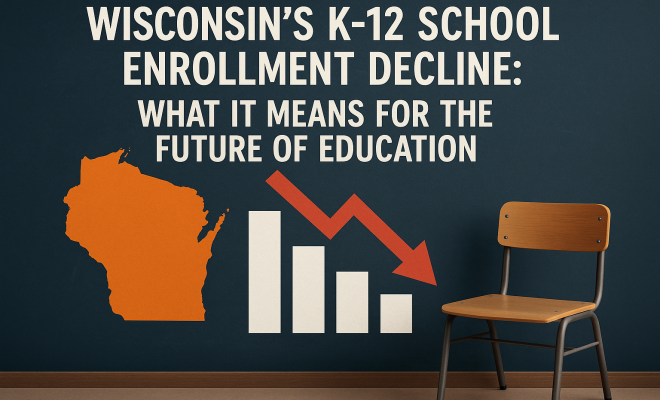
Over the past 15 years, Wisconsin has witnessed a substantial K-12 school enrollment decline, with public school enrollment plummeting by more than 9%. This translates to approximately 80,000 fewer students compared to 2011, a trend that is raising alarms among educators, parents, and taxpayers alike. As costs continue to soar while student numbers dwindle, understanding the implications of this decline is crucial for stakeholders across the state.
The Numbers Behind the Decline
The statistics paint a troubling picture for Wisconsin’s public education system. According to the latest reports, the total enrollment in public schools has dropped significantly, leading to concerns about the sustainability of the current educational framework. With approximately 80,000 students missing from classrooms, many districts are feeling the strain on their finances.
One of the main reasons for this decline can be traced back to a significant decrease in birth rates. As fewer children are born, fewer students enter the school system, leading to lower overall enrollment figures. Many districts are now facing budget cuts and staff reductions as a direct consequence of this demographic shift.
Understanding the Factors Driving Enrollment Decline
While decreased birth rates contribute significantly to the K-12 school enrollment decline, there are several other factors at play. Economic conditions, such as job availability and housing affordability, can influence where families choose to live and send their children to school. For instance, areas with high living costs may see families migrating to more affordable regions, further reducing local school enrollments.
Additionally, the COVID-19 pandemic had an unprecedented impact on education. Many families opted for remote or hybrid learning, which caused some students to disengage from the traditional school setting. This disconnection made families reconsider their educational options, leading to increased interest in alternatives like homeschooling or online education platforms.
The Financial Implications
With fewer students, school districts are grappling with a tightening budget. The costs associated with running a school remain high, regardless of enrollment levels. This discrepancy creates a precarious situation for educational institutions that depend on state funding, property taxes, and other revenue sources.
State funding formulas have not kept pace with the rising costs of education. Many districts are finding themselves in a position where they must choose between making cuts to vital programs, increasing class sizes, or raising local property taxes to cover the shortfall. Each of these options has consequences that extend beyond mere numbers, impacting student learning and community support.
Long-Term Demographic Trends
The reasons behind Wisconsin’s K-12 school enrollment decline are not limited to immediate financial pressures. Long-term demographic shifts play a significant role in shaping education in the state. Lower birth rates are part of a broader national trend, influenced by various factors, including economic uncertainties and changing family dynamics.
Moreover, urbanization has led many families to move to areas where schools may not be as overcrowded or where educational options are perceived as superior. This migration impacts not only the schools themselves but also the communities they serve. Schools in rural or declining urban areas often see sharper declines than their urban counterparts, exacerbating the challenges faced by these districts.
Statistics highlight this demographic shift. In some rural areas, school enrollment has dropped by as much as 30% over the past decade. This trend not only undermines the financial stability of these schools but also threatens the social fabric of small communities that rely on schools as key social and economic hubs. (See: Trends in birth rates in the U.S..)
Community Responses to Enrollment Declines
As the reality of declining enrollment sets in, communities across Wisconsin are beginning to respond in various ways. Some districts are exploring new strategies to attract students, including innovative programming and enhanced extracurricular offerings. For instance, some schools have begun to emphasize STEM (Science, Technology, Engineering, and Mathematics) education and the arts, aiming to provide a more well-rounded educational experience that appeals to parents and students alike.
Additionally, districts are investigating partnerships with local organizations and businesses to create internship and job-shadowing opportunities. By emphasizing real-world applications of education, schools hope to highlight the value of their programs and draw families back into the public education system.
Another response has been the implementation of open enrollment policies, allowing families to send their children to schools outside their designated districts. This approach can create a competitive environment that encourages schools to improve their offerings in order to attract students.
Concerns About School Closures and Staffing Cuts
One of the most pressing concerns arising from the K-12 school enrollment decline is the potential for school closures. When enrollment numbers drop significantly, schools may not be able to justify their operating costs, leading to tough decisions about which facilities can remain open.
Staffing cuts are also a real concern. Fewer students often mean fewer teachers and support staff, which can diminish the quality of education provided. As districts are forced to cut positions, the remaining teachers may struggle to meet the needs of their students, leading to larger class sizes and less individualized attention. This cycle can further drive families to seek alternatives, whether through private schools or homeschooling.
The statewide average for teacher-student ratios has increased from 14:1 to 17:1 in the last decade, indicating that larger class sizes are becoming the norm. In some districts experiencing the sharpest enrollment declines, ratios can be even higher, which can adversely affect student outcomes.
The Role of School Choice and Alternatives
In light of the challenges presented by declining enrollment, many families are exploring alternatives to traditional public schools. School choice programs, charter schools, and homeschooling options are gaining traction in Wisconsin. These alternatives often promise smaller class sizes, specialized curricula, and more flexibility in scheduling, appealing to families dissatisfied with their local public schools.
For educators and policymakers, this shift highlights the importance of innovation in public education. To remain competitive, public schools must not only address logistical challenges but also work to provide an educational experience that captivates students and their families.
Research indicates that charter schools, in particular, have seen a surge in enrollment as parents look for options outside traditional public school systems. In Wisconsin, charter school enrollment jumped by over 20% in the last five years alone. These schools often tout unique educational philosophies and curricula, which can be particularly attractive to families looking for alternatives.
The Importance of Community Engagement
As districts grapple with the implications of declining enrollment, community engagement will be crucial in shaping the future of education in Wisconsin. Schools that actively involve parents, local businesses, and community leaders in decision-making processes are more likely to foster a sense of shared responsibility and investment in education.
Engagement can take many forms, from hosting town hall meetings to creating advisory committees that include diverse community voices. By making education a community priority, schools can raise awareness of the challenges they face and work together to find solutions that benefit everyone.
Additionally, leveraging social media platforms to connect with families can help schools build a more robust community presence. Regular updates, community events, and success stories shared digitally can strengthen ties and improve perceptions of public schooling. (See: Latest news on education trends.)
Looking Ahead: Potential Solutions
While the K-12 school enrollment decline presents significant challenges, it also offers an opportunity for innovation and reform in Wisconsin’s education system. Some potential solutions include:
- Flexible Funding Models: Exploring alternative funding sources, such as grants and partnerships with local businesses, could help alleviate some financial burdens on schools.
- Increased Investment in Early Childhood Education: By investing in early childhood programs, Wisconsin can work to boost future enrollment numbers.
- Targeted Outreach Efforts: Schools could implement outreach initiatives aimed at attracting families from neighboring districts or those considering alternatives.
- Expand Online Learning Options: Increasing online learning opportunities can cater to diverse learning needs and attract families looking for flexibility.
- Improve Facilities and Resources: Investing in school infrastructure and teaching resources can make public schools more competitive with private institutions and charter schools.
- Enhancing Teacher Professional Development: Providing ongoing training for educators can help improve teaching quality and curriculum delivery, making public schools more appealing to families.
- Creating Specialized Programs: Developing specialized programs that focus on high-demand career pathways, such as healthcare, technology, and skilled trades, can attract students and keep them engaged.
These solutions require commitment and collaboration from educators, policymakers, and the community to be effective. However, they are essential for ensuring the sustainability of public education in Wisconsin amid ongoing enrollment declines.
The Path Forward
As we look to the future, addressing the K-12 school enrollment decline in Wisconsin will require a multifaceted approach that considers both short-term responses and long-term strategies. Stakeholders must stay informed about demographic trends and work collaboratively to navigate the challenges ahead.
The conversation surrounding public education is far from over, and the decisions made in the coming years will shape the landscape of education for generations to come. By prioritizing the needs of students and fostering community involvement, Wisconsin can not only mitigate the impacts of declining enrollment but also create a vibrant educational environment that serves all families.
Frequently Asked Questions (FAQ)
1. What are the main reasons for the K-12 school enrollment decline in Wisconsin?
The primary reasons include decreased birth rates, economic factors leading families to relocate, the impact of the COVID-19 pandemic on school attendance, and increased interest in alternative education options such as charter schools and homeschooling.
2. How does declining enrollment affect school funding?
Declining enrollment typically results in lower funding for schools, as many funding models are based on the number of students enrolled. This can lead to budget cuts, staffing reductions, and diminished resources for educational programs.
3. What are the potential solutions to combat declining enrollment?
Some potential solutions include adjusting funding models, increasing investment in early childhood education, expanding online learning options, improving school facilities and resources to attract and retain students, and enhancing teacher professional development to improve instruction quality.
4. Are there any successful models or programs that have addressed similar declines?
Yes, there are several successful programs across the country that have increased enrollment through community engagement, innovative curriculum offerings, and partnerships with local businesses. By learning from these examples, Wisconsin schools can adopt effective strategies tailored to their specific challenges.
5. How can families get involved in helping to improve their local schools?
Families can engage by participating in school board meetings, volunteering for events, joining advisory committees, and advocating for policies that support educational improvement. Building connections within the community can foster a collaborative effort to enhance the educational experience.
6. Will virtual learning continue to play a role in education moving forward?
Many experts believe that virtual learning will remain a part of the educational landscape, offering families flexibility and access to diverse programs. Schools may expand their online offerings to cater to different learning styles and preferences. (See: School enrollment decline in the U.S..)
7. How can schools better adapt to meet the needs of modern families?
Schools can adapt by offering more personalized learning experiences, providing after-school programs that align with family schedules, and maintaining open lines of communication with parents to understand their needs and concerns.
The Impact of National Trends on Local Enrollment
Wisconsin’s enrollment decline is not occurring in isolation, as national trends also significantly influence local school systems. Across the United States, school districts are facing similar challenges, leading to a collective reevaluation of educational priorities.
For instance, according to data from the National Center for Education Statistics, public school enrollment nationwide has been declining steadily since 2015. This trend raises questions about the overall viability of traditional educational models in a rapidly changing society. Understanding these broader trends can help Wisconsin educators and policymakers develop strategies that not only address local issues but also align with national best practices.
The Role of Technology in Education
As families explore alternatives to traditional public schooling, technology has become a crucial component in education. The rise of educational technology tools has transformed how students learn, and schools need to adapt to this change. Digital resources can enhance learning experiences and provide students with the flexibility to engage with their education in a manner that suits their lifestyle.
Moreover, schools can leverage technology to communicate effectively with families and build stronger relationships. Regular updates through digital platforms can keep families informed about school events, academic progress, and available resources, fostering a sense of community and belonging.
The integration of technology in classrooms can also address the needs of diverse learners. Tools that accommodate different learning styles can help ensure that all students receive the support they require to succeed, potentially reversing some of the enrollment decline by making public schools more appealing.
Conclusion on Addressing the K-12 School Enrollment Decline
Ultimately, addressing the K-12 school enrollment decline in Wisconsin requires a commitment to understanding the underlying issues driving these trends. Collaboration among educators, families, and community members will be essential in crafting solutions that not only respond to immediate challenges but also build a robust educational system for future generations. By taking proactive steps and being responsive to the changing needs of families, Wisconsin can work towards a more sustainable future in public education.
“`
Trending Now
Frequently Asked Questions
What is causing the decline in K-12 school enrollment in Wisconsin?
The decline in K-12 school enrollment in Wisconsin is primarily attributed to decreased birth rates, leading to fewer students entering the education system. Additionally, economic factors such as job availability and housing costs, along with the impact of the COVID-19 pandemic on traditional schooling, have contributed to this trend.
How much has K-12 enrollment dropped in Wisconsin?
Wisconsin has experienced a significant drop in K-12 public school enrollment, with a decline of over 9%, which equates to approximately 80,000 fewer students since 2011. This decline raises concerns about the sustainability of the state's educational framework.
What are the implications of declining school enrollment for Wisconsin's education system?
The decline in school enrollment poses financial challenges for many districts, leading to budget cuts and staff reductions. As fewer students are enrolled, schools may struggle to maintain quality education and resources, impacting the overall effectiveness of the educational system.
How has the COVID-19 pandemic affected school enrollment in Wisconsin?
The COVID-19 pandemic significantly impacted school enrollment in Wisconsin as many families opted for remote or hybrid learning. This shift caused some students to disengage from traditional schooling, prompting families to reconsider their educational options and contributing to declining enrollment figures.
What demographic trends are influencing school enrollment in Wisconsin?
Demographic trends influencing school enrollment in Wisconsin include declining birth rates and economic factors such as housing affordability. Families may migrate to regions with lower living costs, further reducing local school enrollments and impacting the distribution of students across districts.
What’s your take on this? Share your thoughts in the comments below — we read every one.