The Hidden Cost of Over-Protection: Why Life Skills for Children Matter Now More Than Ever
“`html
In a rapidly changing world, the skills that prepare children for adulthood seem to be fading away. Jo Frost, the global parenting expert known as ‘Supernanny,’ has recently raised a critical alarm about the lack of essential life skills among today’s youth. It’s a conversation that’s gaining traction, as many parents find themselves grappling with the implications of their protective instincts. Are we nurturing our children or inadvertently stunting their growth?
The Rise of Dependency Among Children
Frost’s observations point to a concerning trend: children are becoming increasingly reliant on adults for tasks that once fostered independence. From simple chores like making their beds to more complex actions like problem-solving, many kids today struggle without adult intervention. This dependency can lead to significant long-term consequences, including a lack of resilience and the ability to cope with failure.
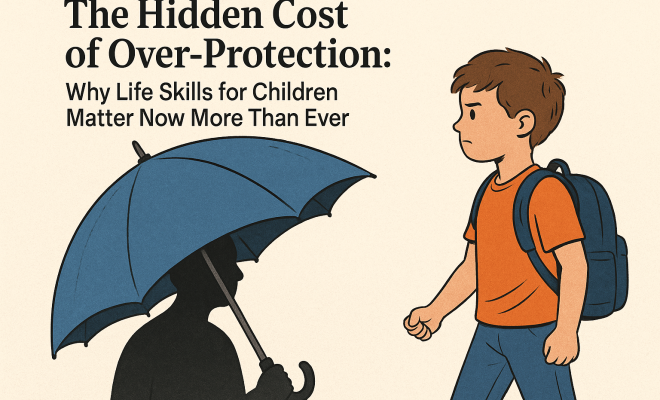
In a recent video, Frost emphasized that this growing reliance stems from well-meaning parents who, out of anxiety or a desire to protect, often do too much for their children. This over-protection, while rooted in love, can hinder a child’s development of crucial life skills, leaving them ill-equipped to handle adulthood when the time comes.
What Are Life Skills for Children?
Life skills for children encompass a wide range of competencies that go beyond traditional academic learning. These skills include:
- Basic cooking and nutrition
- Time management and organization
- Financial literacy, such as budgeting and saving
- Interpersonal skills, including communication and conflict resolution
- Self-care tasks, like doing laundry and maintaining personal hygiene
- Resilience and coping mechanisms for dealing with challenges
When parents neglect to teach these skills, they risk raising a generation of young adults who may struggle in personal and professional settings. Frost urges parents to begin integrating these essential skills into their children’s routines, reinforcing the idea that making mistakes is a vital part of learning.
The Impact of Over-Protection
While the intention behind over-protective parenting is often rooted in love and concern, the effects can be devastating. Children who are shielded from failure may develop a fear of trying new things or taking risks. This can lead to a cycle of anxiety, where the child feels paralyzed by the prospect of failure, thereby avoiding challenges altogether.
Frost notes that this phenomenon isn’t just anecdotal; numerous studies have shown that children who experience manageable levels of failure grow up to be more resilient and adaptable. They learn how to navigate obstacles and develop problem-solving skills that are crucial for adult life. By over-protecting our children, we might be denying them these valuable experiences.
Parental Anxiety: A Double-Edged Sword
Jo Frost attributes part of this issue to a growing culture of parental anxiety. In a world where parents are bombarded with information, often from social media and parenting blogs, it’s easy to feel overwhelmed and uncertain about the right approach. This can lead to second-guessing decisions and an excessive desire to shield children from any form of discomfort.
However, it’s essential for parents to recognize that discomfort is a natural part of life. Children need to learn how to confront and manage challenges on their own. Instead of wrapping them in cotton wool, parents should allow their children to experience failure and setbacks, guiding them through the process rather than doing the work for them.
Building Independence: Strategies for Parents
So, how can parents begin to instill these life skills for children? Here are some practical strategies:
- Encourage Age-Appropriate Tasks: Start with simple chores that are suitable for your child’s age. This could be as basic as making their bed or helping with meal preparation.
- Emphasize Problem-Solving: Instead of immediately stepping in to solve a problem, ask your child how they might approach it. This encourages critical thinking.
- Allow Natural Consequences: Let your child experience the natural consequences of their actions. If they forget their homework, they may face a grade penalty, teaching them responsibility.
- Model Independence: Be a role model for independence by demonstrating how you manage your own tasks and challenges.
- Encourage Risk-Taking: Support your child in trying new things, whether it’s a new sport or a different hobby. Celebrate their efforts, regardless of the outcome.
By implementing these strategies, parents can help their children develop the confidence and skills necessary to thrive in adulthood.
Engaging Children in Life Skills Learning
Teaching life skills shouldn’t feel like a chore; it should be engaging and fun. Gamifying the learning process can make it more enjoyable. For instance, turn cooking lessons into a family cooking night where everyone participates in preparing a meal. This not only teaches them valuable skills but also fosters family bonding. (See: life skills for children.)
Moreover, consider involving your children in community service projects. This not only builds important life skills but also helps them understand empathy and social responsibility. Whether it’s volunteering at a local shelter or participating in neighborhood clean-ups, these activities can teach children about teamwork, commitment, and the impact of their contributions on others.
The Long-Term Benefits of Teaching Life Skills
Investing time in teaching life skills for children yields immeasurable benefits in the long run. Children who possess a strong set of life skills are often more confident and self-sufficient as they transition into adulthood. They are better equipped to manage their finances, maintain healthy relationships, and navigate the complexities of work and personal life.
Moreover, research indicates that children who are encouraged to develop these skills tend to have lower levels of anxiety and depression as young adults. By fostering independence and resilience, parents can help their children build a solid foundation for mental well-being.
Overcoming Resistance to Change
Changing parenting styles can be challenging, especially for those who have grown accustomed to a more protective approach. It’s natural to feel apprehensive about allowing children more freedom, but shifting perspectives is crucial. Start small. Gradually increase your child’s responsibilities and encourage them to take ownership of their actions.
It’s also vital to communicate openly with your children about these changes. Explain why you’re encouraging them to take on more tasks and how these skills will benefit them in the future. This transparency can foster trust and make the transition smoother.
Community and Support Networks
As parents embark on this journey of teaching life skills for children, they don’t have to do it alone. Building a support network can provide reassurance and shared experiences. Whether it’s connecting with other parents in community groups or participating in parenting workshops, these avenues can offer valuable insights and encouragement.
Additionally, engaging with schools to promote life skills education can be a powerful step. Advocate for programs that focus on practical skills, such as cooking classes, financial literacy workshops, and conflict resolution training. When parents and educators work together, children benefit immensely.
Real Life Examples of Life Skills in Action
To illustrate the importance of life skills for children, let’s look at some real-life examples. Take Sarah, for instance, a 12-year-old who has been encouraged by her parents to take on responsibilities at home. By the age of 10, she was already proficient in basic cooking. One weekend, her parents planned a family meal where Sarah was in charge of preparing dinner, including a side dish and dessert. Not only did she learn to follow a recipe, but she also learned time management as she coordinated cooking times for multiple dishes. Her parents observed how this experience boosted her confidence, and she even took the initiative to plan a family dinner night once a month.
Another example can be found in the story of Mark, a high school student who was encouraged to learn financial literacy. His parents sat down with him to create a budget for his allowance and savings for a new video game console. Through this exercise, Mark gained valuable skills in managing money, understanding saving, and the importance of planning for future purchases. This experience helped him make informed decisions when he started earning money from a part-time job, demonstrating how early lessons can translate into greater independence.
Statistics Supporting the Need for Life Skills Education
To further emphasize the significance of life skills for children, consider the following statistics:
- A study published in the Journal of Youth and Adolescence found that 70% of adolescents who were taught life skills, including decision-making and communication, reported feeling prepared to handle challenges in their lives.
- According to the National Association of School Psychologists, children with strong life skills have a 40% higher chance of achieving their goals compared to those without such skills.
- A survey by the American Psychological Association indicated that 60% of young adults wish they had been taught practical life skills like budgeting, cooking, and problem-solving during their childhood.
These statistics highlight the dire need for parents and educators to prioritize teaching life skills, ensuring that children are better prepared for adulthood.
Common Myths About Teaching Life Skills
As with many parenting topics, misconceptions abound regarding teaching life skills for children. Here are a few myths that need debunking:
- Myth 1: Children Will Learn Life Skills on Their Own: While children may pick up some skills naturally, active teaching and guidance are crucial for effectively instilling life skills. Parents need to be proactive.
- Myth 2: Life Skills Are Not Academic: Many parents view life skills as separate from academic learning, but they are interconnected. Skills like problem-solving and time management contribute to a child’s academic success.
- Myth 3: It’s Too Late to Start Teaching Life Skills: Some parents feel that if they haven’t started by a certain age, it’s too late. However, it’s never too late to teach children essential skills. Children can always learn and adapt.
Developing a Life Skills Curriculum at Home
Creating a structured approach to teaching life skills can be highly beneficial. Parents can develop a “life skills curriculum” based on their child’s age, interests, and readiness. This might include: (See: adolescent health and development.)
- Weekly Cooking Nights: Designate one night a week for cooking together, where your child learns to prepare different meals.
- Finance Friday: Dedicate Fridays to discussing money management and budgeting. Use real-life scenarios to make it relatable.
- Problem-Solving Sundays: Work through puzzles or games that require critical thinking and collaborative problem-solving.
By setting aside specific times for life skills learning, parents can ensure these lessons become a natural part of their family routine.
FAQ: Frequently Asked Questions About Life Skills for Children
What age should children start learning life skills?
Children can start learning basic life skills as early as preschool age. Simple tasks like picking up toys and helping in the kitchen can lay a strong foundation. As they grow older, the complexity of the skills can increase.
How can I make learning life skills more engaging for my child?
Incorporate games, challenges, and family activities that require collaboration. For instance, a cooking competition at home can make learning about nutrition and cooking fun and interactive.
What if my child resists learning these skills?
Resistance is common, especially if children are used to being cared for entirely. Try to communicate the benefits of these skills and involve them in the process of deciding what they want to learn. Let them choose tasks that interest them.
Can teaching life skills improve my child’s academic performance?
Absolutely! Skills like time management, organization, and effective communication directly impact a child’s ability to succeed academically. When children manage their responsibilities effectively, they tend to perform better in school.
Are life skills the same as survival skills?
While there is some overlap, life skills are broader and encompass everyday competencies like managing relationships, financial literacy, and self-care. Survival skills may include more extreme survival tactics and are usually context-specific.
Final Thoughts: Preparing Children for a Bright Future
As the conversation about life skills for children continues to evolve, it’s clear that Jo Frost’s warning is more relevant than ever. While loving parents naturally want to protect their children from harm, it’s vital to recognize that struggles and challenges are essential for growth and development.
By consciously stepping back and allowing children to take on responsibilities, parents can empower them to become resilient, independent individuals. The journey may not always be easy, but the payoff—a generation of capable, confident adults—will be well worth the effort.
Exploring Life Skills Through Extracurricular Activities
Extracurricular activities can be an excellent platform for children to learn and practice life skills in real-world settings. Whether it’s through sports, clubs, or arts programs, these activities often encourage teamwork, leadership, and time management. For example, a child involved in a team sport learns about collaboration and communication as they work toward a common goal. Similarly, participating in a school club can help children develop organizational skills as they plan events or manage budgets.
Moreover, these activities often come with challenges that require problem-solving skills. If a team faces a setback, such as losing a game or an event not going as planned, children learn to analyze what went wrong and come up with strategies to improve in the future. This not only helps in their immediate environment but also lays the groundwork for handling life’s challenges as they grow older.
The Role of Technology in Teaching Life Skills
In today’s digital age, technology can be leveraged to teach life skills effectively. There are countless apps and online resources that can help children learn everything from cooking to budgeting. For example, cooking apps can provide interactive recipes that guide children through the cooking process step-by-step, making learning fun and engaging.
Additionally, financial literacy games and programs can simulate real-world financial scenarios, teaching children about saving, investing, and budgeting in a manageable way. These technological tools can provide children with the opportunity to learn at their own pace and encourage them to explore skills that they may not encounter in traditional learning environments.
Encouraging Emotional Intelligence as a Life Skill
One of the most significant yet often overlooked life skills is emotional intelligence — the ability to recognize, understand, and manage our emotions and the emotions of others. Teaching this skill involves guiding children through identifying their feelings, expressing them appropriately, and developing empathy towards others.
Engaging in open conversations about feelings within the family can create a safe environment for children to share their emotions. Parents can model emotional intelligence by discussing their feelings and reactions to daily events. Activities like role-playing different scenarios or reading books that explore emotional themes can further enhance a child’s understanding of emotions.
Research shows that children who develop strong emotional intelligence are more likely to have better relationships and succeed in school. They are also less likely to experience mental health issues as they grow older, highlighting the importance of making emotional intelligence a focal point in life skills education.
Seeking Professional Guidance on Life Skills Education
For some parents, teaching life skills can feel overwhelming, especially if they are unsure where to start or how to approach certain topics. In such cases, seeking guidance from professionals can provide valuable insights. Child psychologists, educators, and parenting coaches can offer advice tailored to your child’s specific needs and developmental stage.
Workshops and seminars on parenting and life skills education are increasingly available. These sessions can equip parents with practical strategies and tools to effectively teach their children essential skills. Additionally, schools are often willing to host informational nights for parents, discussing the importance of life skills and how to support their children in learning these competencies.
Creating a Life Skills Learning Environment
To truly embed life skills education into your child’s life, creating a supportive learning environment at home is essential. This means not only teaching skills but also fostering a mindset that values growth and learning. Set aside dedicated time for discussions about responsibilities, challenges, and successes. Celebrate milestones, no matter how small, to encourage your child’s progress.
Encourage open communication where mistakes are viewed as learning opportunities rather than failures. When children see their parents responding positively to challenges, they are more likely to adopt a similar attitude. This supportive environment can make a substantial difference in a child’s willingness to engage with life skills education and develop a growth mindset.
Final Insights on Life Skills for Children
As we navigate the complexities of parenting in the modern world, the call to prioritize life skills for children becomes increasingly pressing. It’s essential to provide the right balance of guidance and freedom, allowing children to learn through experience while knowing that they have a supportive safety net. The work parents do today in teaching these skills will pay off in the future, preparing children not just to survive, but to thrive in an ever-changing world.
“`
Trending Now
- read the full story
- this guide on the relationship between object permanence and cognitive development in infants
- read the full story
- this guide on the role of nonverbal communication in pragmatic language development
- our breakdown of how scaffolding supports english language learners in elementary school
Frequently Asked Questions
What are essential life skills for children?
Essential life skills for children include basic cooking, time management, financial literacy, interpersonal skills, self-care tasks, and resilience. These competencies prepare children for adulthood and help them navigate personal and professional challenges.
How does over-protection affect children's development?
Over-protection can hinder children's independence and development of life skills. When parents do too much for their kids, it can lead to increased dependency, making it difficult for them to cope with challenges and failures in adulthood.
Why are life skills important for kids today?
Life skills are crucial for children as they foster independence, resilience, and the ability to manage everyday tasks. In a rapidly changing world, these skills help prepare them for personal and professional success in adulthood.
What can parents do to teach life skills?
Parents can teach life skills by involving children in daily tasks like cooking, budgeting, and managing their time. Encouraging problem-solving and allowing children to face challenges independently helps build their confidence and resilience.
What are the consequences of neglecting life skills in children?
Neglecting life skills can lead to a generation of young adults who struggle with personal and professional responsibilities. They may lack resilience, problem-solving abilities, and essential coping mechanisms, making it difficult for them to thrive in adulthood.
What did we miss? Let us know in the comments and join the conversation.