European Parliament 2026: Seat Projections & Political Shifts
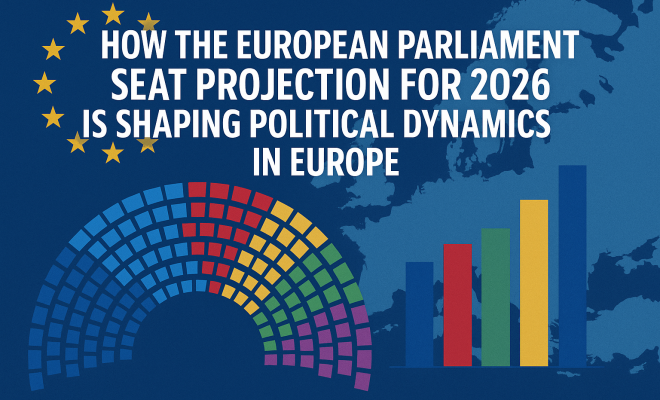
As we inch closer to the European Parliament elections in 2026, the political landscape in Europe is undergoing significant shifts. The European Parliament seat projection 2026 offers a glimpse into the changing tides, revealing critical insights into party popularity and emerging issues of concern for voters across the continent. In this article, we’ll explore ten pivotal factors influencing the upcoming elections, from the rise of the Greens to the impact of Donald Trump’s legacy on European far-right parties.
1. Gains for the Greens/EFA Group
The Greens/European Free Alliance (EFA) group is experiencing a surge in popularity, largely attributed to the success of Germany’s Grüne party. Polls indicate that the Greens have become the strongest centre-left party in Germany, benefitting from increased voter support amidst broader socio-political changes. This trend reflects a growing environmental consciousness among voters, particularly among younger demographics who prioritize climate action over traditional economic concerns.
As political analysts observe, the rise of the Greens not only signifies a shift in voter priorities but also poses challenges for traditional centre-left parties that have struggled to maintain relevance. In the context of the European Parliament seat projection 2026, this shift could result in significant gains for the Greens/EFA group, potentially transforming the balance of power within the Parliament.
In fact, recent polls suggest that the Greens might secure as much as 20% of the overall vote in the upcoming elections, a substantial increase from previous years. This rise could lead to more influential committee positions within the Parliament, allowing the Greens to push forward their environmental agenda. With major climate summits on the horizon, the timing of their ascent could not be better, as they align their policies with the urgent calls for climate action from the public.
2. The Impact of Donald Trump’s Unpopularity
Donald Trump’s legacy continues to cast a long shadow over European politics, particularly regarding the far-right movement. His unpopularity in Europe is proving detrimental to various far-right parties, as many voters associate Trump’s brand of politics with divisiveness and tumult. This sentiment plays a crucial role in shaping voter attitudes toward far-right candidates, leading to a complex interplay of political dynamics ahead of the 2026 elections.
The far-right camp, which once enjoyed a surge in support, is now facing an uphill battle. Political analysts suggest that the association with Trump may alienate moderate voters who are increasingly concerned about political stability and governance. This situation sets the stage for a broader realignment in European politics, with implications for the European Parliament seat projection 2026 as parties recalibrate their strategies in response to shifting public sentiments.
Additionally, many far-right parties are attempting to distance themselves from Trump’s rhetoric, emphasizing national issues over international controversies. This strategic pivot could result in a fragmented far-right coalition, which could ultimately weaken their position in the upcoming elections. It’s a classic case of a political brand struggling to maintain credibility in a changing environment, and the repercussions could be significant.
3. Shifting Priorities: A New Agenda for European Voters
One of the most striking developments leading up to the 2026 elections is the notable shift in the issues that matter most to European voters. Immigration, once a dominant topic that fueled right-wing messaging, has fallen to the seventh position in terms of importance. This change reflects a broader recalibration of priorities, with issues like inflation and the Middle East conflict taking precedence.
This transformation in voters’ concerns signals a need for political parties to adapt their platforms and messaging. As the European Parliament seat projection 2026 indicates, those parties that resonate with the electorate’s current priorities are likely to secure key victories, while those clinging to outdated narratives may find themselves sidelined.
For instance, recent surveys indicate that nearly 60% of voters now prioritize economic stability over immigration issues, a stark contrast to previous election cycles. This shift has led parties across the spectrum to refocus their strategies, with many proposing bold economic reforms and fiscal policies to address the immediate concerns of their constituents.
4. Inflation: The Dominant Concern
With inflation rising to the forefront of voters’ concerns, it’s no surprise that economic policies are becoming paramount in the lead-up to the 2026 elections. The ongoing economic challenges faced by many Europeans have led to calls for effective policy solutions that prioritize economic stability and growth. Political parties are now tasked with addressing these concerns head-on, as voters increasingly demand tangible solutions.
This shift in focus presents both opportunities and challenges for various political parties. Those who can effectively articulate their economic policies while addressing the underlying causes of inflation may find themselves gaining traction in the European Parliament seat projection 2026. On the other hand, parties that fail to grasp the urgency of this issue risk losing the trust of an increasingly discerning electorate.
Statistics show that inflation rates across Europe have risen by more than 5% in the past year alone, prompting calls for immediate action from political leaders. Voters are seeking assurances that their elected representatives will prioritize economic recovery and stability, making it imperative for parties to develop comprehensive economic strategies that address inflation directly.
5. The Middle East Conflict’s Relevance
The ongoing conflict in the Middle East has emerged as a critical issue for European voters, affecting public sentiment and political narratives. The humanitarian crisis and geopolitical tensions resulting from the conflict have led to growing calls for accountability and support for affected communities. As such, political parties are increasingly compelled to take clear stances on foreign policy issues, particularly in relation to the Middle East. (See: European Parliament overview.)
This focus on international issues could reshape the landscape of the European Parliament seat projection 2026. Parties that engage with these concerns and propose actionable solutions may resonate with voters seeking a proactive approach to global challenges. Conversely, neglecting these issues could alienate segments of the electorate who prioritize foreign policy as a key component of their voting decisions.
Recent polls reveal that 45% of voters consider foreign policy, particularly regarding the Middle East, an essential factor in their voting decisions. Political parties that address these concerns with clear, coherent policies stand to gain significant support, while those that remain silent risk losing touch with the electorate.
6. Gender Equality and Social Issues
As European society evolves, so too do the values and priorities of its electorate. Gender equality and social issues are gaining prominence, with many voters increasingly advocating for policies that promote inclusivity and equal rights. This growing awareness presents an opportunity for progressive parties, particularly those aligned with the Greens/EFA group, to capitalize on public sentiment.
Political parties that effectively champion gender equality and social justice are likely to attract younger voters and those concerned with social issues, thus enhancing their prospects in the European Parliament seat projection 2026. The ability to connect with voters on these matters signals a wider shift toward a more equitable and inclusive political landscape.
In fact, research indicates that parties prioritizing gender equality in their platforms have seen a significant uptick in support from female voters, a demographic that represents a crucial voting bloc. For example, the recent surge of female candidates and leaders in political parties has become a trend that resonates deeply with voters who are increasingly seeking representation that reflects their values and experiences.
7. The Role of Youth Engagement
Younger voters are playing an increasingly vital role in shaping the political landscape in Europe. Their engagement in the democratic process is not only vital for the health of democracy but also crucial for the success of parties seeking to appeal to this demographic. As the 2026 elections approach, political parties are recognizing the importance of youth engagement and are actively seeking to mobilize younger voters.
Innovative campaigning and outreach strategies are becoming essential as parties adapt to the preferences and concerns of younger generations. Those who can successfully connect with youth on relevant issues are likely to benefit from the European Parliament seat projection 2026, gaining a competitive edge over their rivals.
Statistics show that over 70% of young voters prioritize climate action and social justice in their voting decisions, making these issues central to their electoral engagement. Political parties that incorporate these elements into their platforms and outreach efforts are likely to see a boost in support from this crucial demographic.
8. Climate Change as a Political Priority
Climate change is no longer just an environmental concern; it has become a central theme in political discourse across Europe. The increasing severity of climate-related events has heightened public awareness and urgency regarding climate policies. Political parties are now under pressure to present comprehensive strategies that address climate change and its impacts.
The Greens, in particular, have positioned themselves as champions of climate action, and their rising popularity reflects this prioritization. As a result, those parties that fail to incorporate climate policies into their platforms risk alienating voters who regard environmental sustainability as a crucial issue. Hence, the European Parliament seat projection 2026 is likely to favor parties that place climate action at the forefront of their agendas.
Moreover, a recent survey found that nearly 65% of European citizens believe that climate change should be the top priority for political leaders, indicating a strong desire for action and accountability from elected officials. As the urgency surrounding climate issues grows, candidates who fail to address these concerns head-on may find themselves at a significant disadvantage in the upcoming elections.
9. The Migration Debate Continues
While immigration may have taken a backseat in the current political climate, it remains a contentious issue in Europe. The historical context of migration debates has shaped many political landscapes, and even if it’s currently less of a priority, it still influences voter sentiment. Political parties must navigate this complicated terrain carefully, ensuring they address the concerns of their constituents without falling into the traps of xenophobia or divisive rhetoric.
In the European Parliament seat projection 2026, parties that can approach the migration debate with sensitivity and pragmatism may find themselves well-positioned to gain voter support. Those that ignore or mishandle this issue may risk backlash from both sides of the debate, potentially harming their electoral prospects.
Public opinion on migration remains divided, with around 50% of Europeans expressing concern about immigration levels, while the other half advocates for more inclusive policies. To win the support of a broad spectrum of voters, parties will need to craft nuanced policies that recognize the complexities of migration while addressing the legitimate concerns of citizens.
10. Looking Ahead: The Future of European Politics
As we prepare for the European Parliament elections in 2026, it’s evident that the political landscape is far from static. With the rise of new issues and the shifting priorities of voters, parties are compelled to reassess their strategies and positions. The European Parliament seat projection 2026 is a reflection of these changes, highlighting the need for adaptability and responsiveness in an increasingly dynamic political environment.
Ultimately, the upcoming elections will serve as a litmus test for the political parties of Europe. Those who can effectively connect with voters on pressing issues, foster inclusivity, and advocate for meaningful change are likely to emerge as the victors in this evolving contest. As the political narratives continue to unfold, one thing remains certain: the road to the 2026 elections will be anything but predictable. (See: BBC report on European elections.)
11. Deepening Polarization: A Challenge for Mainstream Parties
As new parties gain traction, the polarization of the political landscape poses a significant challenge for mainstream parties. Voters are increasingly gravitating towards extremes, driven by dissatisfaction with traditional political structures. The rise of populist movements across Europe exemplifies this trend; parties that once dominated the center are losing ground to those who promise radical change.
In light of these developments, mainstream parties need to find a way to reconnect with their bases while also appealing to disillusioned voters. This might involve recalibrating their messages and policies to address the root causes of voter discontent, such as economic inequality and perceived failures of the establishment. Failure to do so could see them further marginalized in the European Parliament seat projection 2026.
For instance, parties in countries like France and Italy have witnessed a significant exodus of support as voters seek alternatives that provide clearer, more direct solutions to their concerns. Political analysts are closely observing how these established parties adapt their strategies to survive in a landscape that increasingly favors the unconventional.
12. Economic Outlook and the Role of the Eurozone
The economic outlook for Europe plays a crucial role in shaping the European Parliament seat projection 2026. The Eurozone’s economic stability is under scrutiny, especially in light of inflation and varying growth rates among member states. Countries like Germany and France continue to grapple with economic challenges that could influence voter sentiment on a continental scale.
The disparities between northern and southern European countries regarding economic recovery will likely amplify tensions and shape the electoral strategies of parties across the spectrum. Parties advocating for more robust fiscal policies or Eurozone reforms might resonate with voters who feel left behind in the current economic climate.
Data from the European Central Bank shows that while some countries have rebounded quickly from the pandemic’s economic impact, others continue to struggle, which could lead to a more fragmented political environment. As such, the parties that engage with these economic realities and propose coherent strategies will be better positioned in the 2026 elections.
13. FAQs about the European Parliament Seat Projection 2026
What is the European Parliament seat projection 2026?
The European Parliament seat projection 2026 refers to forecasts about how many seats each political party is likely to hold in the upcoming European Parliament elections, based on current polling data and changing voter sentiments.
How do the projections impact political strategies?
Political parties use these projections to strategize their campaign efforts, adjust their messaging, and focus on issues that resonate with voters to maximize their chances of winning seats.
Why are the Greens gaining popularity in the projections?
The Greens are gaining traction due to a growing environmental consciousness among voters, particularly younger demographics, as well as their successful campaigning on climate action and social justice issues.
How does Donald Trump affect European far-right parties?
Trump’s unpopularity in Europe is causing some far-right parties to struggle, as many voters associate them with divisive and tumultuous politics. This has led to a reevaluation of strategies by these parties to distance themselves from his legacy. (See: Reuters article on EU elections.)
What role do youth voters play in the upcoming elections?
Younger voters are crucial in shaping the political landscape, with their preferences leaning heavily towards issues like climate change and social justice. Political parties need to engage them effectively to secure their support in the election.
What issues are most important to voters as of now?
Currently, inflation and economic stability are at the forefront of voters’ concerns, followed by foreign policy and social issues like gender equality. Immigration has become less of a priority compared to previous election cycles.
How can parties adapt to the changing political landscape?
Parties need to reassess their platforms to align with voters’ evolving priorities, engage with people on pressing issues, and adopt more inclusive practices to attract a broader electorate in the 2026 elections.
How does the political landscape affect the balance of power in the European Parliament?
The evolving political landscape can lead to shifts in the balance of power, as emerging parties gain traction and traditional parties may lose ground. This can alter the dynamics of coalition-building and policymaking within the Parliament.
What can we expect leading up to the elections?
As the 2026 elections approach, we can expect intensified campaigning, increased voter engagement, and possibly unexpected political alliances. The changing narratives and emerging issues will continue to shape the electoral landscape in unpredictable ways.
Trending Now
- our breakdown of how to differentiate instruction without relying on learning styles
- our breakdown of why developmentally appropriate practice matters for long-term success
- our breakdown of bloom’s taxonomy in elementary school: age-appropriate applications
- read the full story
- this guide on bloom’s taxonomy question stems for every level
Frequently Asked Questions
What are the key factors influencing the European Parliament elections in 2026?
Several pivotal factors are shaping the 2026 European Parliament elections, including the rise of the Greens/EFA group, shifts in party popularity, voter concerns about climate change, and the impact of global political figures like Donald Trump on European far-right parties.
How are the Greens expected to perform in the 2026 European Parliament elections?
The Greens/EFA group is projected to gain significant support, potentially securing up to 20% of the overall vote in the 2026 elections. This surge is attributed to increased environmental awareness among voters, especially younger demographics, and the success of Germany’s Grüne party.
What is the impact of Donald Trump on European political dynamics?
Donald Trump’s legacy is influencing European far-right parties, as they attempt to capitalize on similar populist sentiments. This impact is reshaping the political landscape, affecting voter preferences and party strategies in the lead-up to the 2026 elections.
Why is climate change a significant issue for voters in the 2026 European elections?
Climate change has become a central issue for voters, particularly among younger demographics who prioritize environmental action. This growing consciousness is challenging traditional party platforms and is expected to significantly influence voting patterns in the upcoming elections.
What challenges do traditional centre-left parties face in the upcoming elections?
Traditional centre-left parties are struggling to maintain relevance as the Greens gain popularity. The rise of the Greens reflects a shift in voter priorities towards environmental issues, posing challenges for these parties in the 2026 European Parliament elections.
Agree or disagree? Drop a comment and tell us what you think.