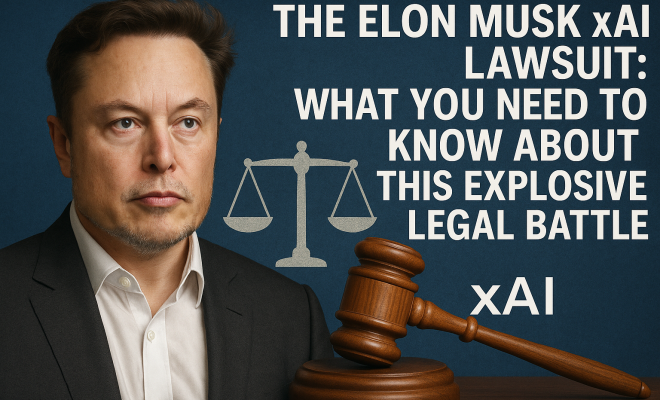
The Elon Musk xAI Lawsuit: What You Need to Know About This Explosive Legal Battle
“`html
The ongoing legal battle surrounding Elon Musk’s artificial intelligence company, xAI, has become a significant topic of discussion, especially with the recent move by the Justice Department to block a lawsuit filed by the NAACP. This case highlights critical issues surrounding AI accountability, corporate ethics, and civil rights, intertwining them with the high-profile persona of Elon Musk. As the situation evolves, understanding the implications of this lawsuit becomes increasingly important.
1. The Context of the Lawsuit
The NAACP, a prominent civil rights organization, has initiated legal action against xAI, alleging that the company’s AI technologies could perpetuate biases and discrimination, particularly against marginalized communities. These allegations are rooted in broader concerns about the ethical implications of AI systems, which can inadvertently reflect and amplify societal biases if not properly managed.
This lawsuit comes at a crucial time when the AI industry is rapidly expanding, with Musk’s xAI at the forefront. With AI’s growing influence across various sectors, the stakes are high, prompting the NAACP to advocate for accountability and transparency in AI development. Their position reflects a wider demand for ethical standards in technology, especially as it relates to social justice.
2. The Justice Department’s Intervention
In a surprising turn of events, the Justice Department has moved to intervene and block the NAACP’s lawsuit against xAI. This intervention raises questions about the federal government’s stance on AI accountability and the role it plays in regulating emerging technologies. The Justice Department argues that the lawsuit could hinder innovation and the development of new technologies, a stance that reflects ongoing tensions between civil rights advocacy and corporate interests.
By stepping in, the Justice Department is placing itself at a critical juncture in the legal and ethical debate surrounding AI. The question remains: will federal oversight help or hinder the pursuit of equitable practices in AI development? This intervention not only adds a layer of complexity to the case but also hints at the government’s broader priorities in balancing innovation with accountability.
3. Musk’s AI Company xAI: A Brief Overview
Founded in 2022, xAI has quickly positioned itself as a leading player in the AI landscape, with ambitions to develop technologies that can contribute positively to society. However, Musk’s controversial public persona and history of making bold claims about technology have resulted in skepticism regarding the ethical implications of xAI’s products.
Given Musk’s reputation for pushing boundaries, the NAACP’s concerns about potential biases in AI systems are not unfounded. As xAI develops its products, the company must contend with the dual challenge of meeting innovative goals while ensuring these innovations do not perpetuate existing inequalities.
4. The Implications for Civil Rights
The intersection of AI technology and civil rights has never been more prominent. The NAACP’s lawsuit against xAI is a critical move in holding tech companies accountable for the societal impacts of their technologies. As AI systems become more integrated into daily life—from hiring practices to law enforcement—the potential for harm against minority groups escalates.
Legal scholars and civil rights activists argue that without adequate oversight, AI can continue to act as a tool of discrimination. The outcome of this lawsuit could set significant precedents for how AI technologies are regulated, particularly around issues of fairness and accountability.
5. The Role of Public Opinion
Public sentiment regarding AI is shifting rapidly, with increasing awareness of the ethical ramifications of technology. As news of the Elon Musk xAI lawsuit spreads, more individuals are engaging in discussions about the need for ethical AI practices. This heightened awareness is crucial; it places pressure on tech companies to prioritize societal good over profits.
Moreover, the involvement of a prominent organization like the NAACP lends credibility to the concerns surrounding AI ethics, helping to galvanize public support for accountability measures. This scenario exemplifies how public opinion plays a pivotal role in shaping corporate policies within the tech industry.
6. The Dynamics of Corporate Power
Elon Musk’s stature as a billionaire entrepreneur complicates the narrative surrounding corporate responsibility in AI development. Critics argue that the immense power wielded by figures like Musk can often lead to a lack of accountability. The intersection of corporate power and civil rights advocacy brings to light essential discussions about who truly benefits from technological innovation.
In the context of the lawsuit, it becomes apparent that the concentration of power in the tech industry necessitates checks and balances. The NAACP’s legal action serves as a reminder that corporate entities must remain accountable to the broader societal implications of their technologies. (See: Elon Musk's xAI lawsuit overview.)
7. Potential Outcomes of the Lawsuit
The potential outcomes of the Elon Musk xAI lawsuit are varied and far-reaching. Should the NAACP prevail, it could pave the way for stricter regulations surrounding AI technology, emphasizing the need for ethical standards and accountability in tech development. Such a ruling could inspire similar lawsuits against other tech firms, fostering a wave of civil rights advocacy within the tech industry.
Conversely, if the Justice Department’s intervention is successful, it may signal a setback for accountability measures and reinforce the notion that innovation should take precedence over regulatory concerns. This outcome could embolden corporations to prioritize growth over ethical considerations, potentially exacerbating issues of inequality in AI deployment.
8. Broader Implications for AI Oversight
The implications of this case extend beyond xAI and the NAACP—this lawsuit could serve as a bellwether for future AI legislation and oversight. As regulatory frameworks for AI continue to be debated globally, the outcomes of significant cases like this one will likely influence policymakers’ approaches to ensuring technology serves the public good.
Moreover, as discussions around AI ethics gain traction, stakeholders from various sectors—including government, civil society, and tech companies—must find ways to collaborate on creating robust oversight mechanisms. The resolution of the Elon Musk xAI lawsuit could thus be a catalyst for broader conversations about ethical AI governance.
9. What’s Next for AI Advocacy?
As the lawsuit unfolds, it will be essential for civil rights groups, policymakers, and the tech industry to engage in constructive dialogue about the future of AI. Advocacy for ethical AI will likely intensify, with organizations pushing for transparent practices and accountability measures. The NAACP’s actions are a testament to the growing demand for equitable technology that serves all communities fairly.
In the wake of this lawsuit, expect to see increased collaboration between civil rights organizations and tech companies aimed at addressing the ethical challenges posed by AI. The outcome of this case could determine how these conversations evolve, and whether meaningful progress can be made in the realm of AI accountability.
10. The Bottom Line
The Elon Musk xAI lawsuit is more than just a legal battle; it represents a critical juncture in the ongoing discourse around AI ethics, corporate accountability, and civil rights. As the case progresses, its implications will ripple through the technology sector, affecting how AI technologies are developed and utilized in the future. For those invested in the intersection of technology and social justice, keeping a close eye on this case will provide valuable insights into the evolving landscape of AI oversight and regulation.
11. The Legal Framework Surrounding AI and Civil Rights
The legal framework governing artificial intelligence and civil rights is complex and still developing. As AI technologies permeate different sectors, existing laws often fall short in addressing the unique challenges posed by these technologies. The intersection of AI with civil rights involves examining laws like the Civil Rights Act, which prohibits discrimination on the basis of race, color, religion, sex, or national origin.
Legal experts suggest that new regulations specifically tailored for AI technologies may be necessary. Current anti-discrimination laws may not adequately capture the nuances of algorithmic bias and its effects on marginalized communities. Consequently, there’s a call for legislation that explicitly addresses AI’s potential for harm, ensuring that technological advancements do not exacerbate existing inequalities.
12. The Impact of Algorithmic Bias
Algorithmic bias is a pressing concern in the AI community, as it can lead to harmful outcomes that disproportionately affect marginalized groups. For instance, a study by ProPublica highlighted how an AI tool used in the criminal justice system was biased against African American defendants, incorrectly predicting higher rates of recidivism compared to white defendants. Such findings reinforce the importance of scrutinizing AI systems for fairness and accuracy.
In the context of the Elon Musk xAI lawsuit, the NAACP’s claims about potential biases are particularly relevant. It points to a broader issue where AI systems, if left unchecked, can perpetuate systemic discrimination. Addressing these biases requires not only technological interventions but also a commitment to ethical considerations during the design and development phases of AI systems.
13. Expert Opinion on AI Regulatory Measures
Experts in technology and civil rights have weighed in on the need for stringent regulatory measures in the AI space. According to Kate Crawford, a leading AI researcher and author, “AI is not just a technical challenge; it’s a significant social challenge that impacts human lives. We need to ensure that the systems we create are built on the principles of fairness and justice.”
Similarly, Dr. Ruha Benjamin, a sociologist focusing on technology and social inequality, emphasizes that “the tools we use to build AI must be scrutinized for biases at every level.” Her perspective underscores the urgency for regulatory frameworks that do not only focus on the technology itself but also consider the societal implications of its deployment.
14. How xAI Plans to Address Ethical Concerns
In light of the lawsuit and growing public scrutiny, xAI may need to adopt a more proactive approach to address ethical concerns surrounding its technologies. Musk has previously stated his commitment to creating beneficial AI, but critics are keen to see tangible actions that align with his words. Transparency about data sources, algorithmic decision-making processes, and the diversity of teams building these systems could be essential steps. (See: CDC on health disparities and discrimination.)
Moreover, xAI could implement regular audits of its AI systems to assess and mitigate potential biases. Engaging with civil rights organizations and community stakeholders in these processes can further build trust and ensure that diverse perspectives are considered in developing AI technologies.
15. FAQs About the Elon Musk xAI Lawsuit
1. What are the key allegations made by the NAACP against xAI?
The NAACP alleges that xAI’s AI technologies may perpetuate biases and discrimination against marginalized communities, raising concerns about the ethical implications of AI systems in real-world applications.
2. Why is the Justice Department intervening in this lawsuit?
The Justice Department argues that the lawsuit could hinder innovation and the development of new technologies. They see the intervention as necessary to protect corporate interests and promote technological advancement.
3. What could be the wider implications of this lawsuit for the tech industry?
The outcome could establish precedents for how AI technologies are regulated, emphasizing the need for ethical standards and accountability that could influence future tech developments across the industry.
4. How can the public get involved in the AI accountability movement?
Individuals can engage by educating themselves about AI ethics, supporting civil rights organizations advocating for ethical practices, and participating in discussions and events focusing on technology and social justice.
5. What measures can tech companies take to ensure ethical AI development?
Tech companies can adopt transparent practices, conduct regular audits of their AI systems for biases, and involve diverse stakeholders in their development process to address ethical concerns effectively.
6. What role does public opinion play in influencing AI regulations?
Public sentiment can drive demand for ethical practices in AI, prompting companies to prioritize societal good. Heightened awareness among the public can lead to increased pressure on tech firms and policymakers to adopt more rigorous standards and regulations.
7. How is algorithmic bias relevant to the lawsuit?
Algorithmic bias is central to the NAACP’s concerns, as AI systems can inadvertently reinforce societal discrimination. This lawsuit highlights the need for accountability in addressing these biases to prevent further harm to marginalized communities.
8. What are some potential outcomes if the NAACP wins the lawsuit?
A victory for the NAACP could lead to stricter regulations for AI technologies, setting a precedent for accountability measures that prioritize ethical considerations in tech development.
9. How might xAI respond to the ongoing scrutiny?
xAI may need to enhance its transparency regarding AI development processes, engage with diverse stakeholders, and actively work to mitigate any potential biases in its technologies to rebuild trust and credibility.
10. Why is the discussion about AI ethics critical in today’s context?
As AI technologies become increasingly integrated into everyday life, the ethical implications of their use can significantly impact society. Discussions surrounding AI ethics are crucial to ensuring that these technologies benefit all communities fairly without exacerbating existing inequalities.
16. The Importance of AI Transparency
Transparency in AI development plays a crucial role in ensuring that the systems built are accountable. With growing concerns over algorithmic biases and the potential misuse of AI technologies, companies like xAI need to embrace transparency as a core value. This means openly sharing how algorithms function, what data is being used, and the steps taken to mitigate risks associated with bias. (See: Research on AI bias and ethics.)
Transparency can build public trust and allow for greater scrutiny from stakeholders, including civil rights organizations. For instance, companies could publish regular transparency reports detailing the impact of their AI systems, the demographics affected, and how they are addressing any identified biases. By doing so, xAI could position itself as a leader in ethical AI development, potentially influencing others in the industry to follow suit.
17. The Role of Civil Society in AI Regulation
Civil society organizations play a critical role in shaping the conversation around AI and its ethical implications. They advocate for the rights of marginalized communities and work to ensure that technology serves as a tool for empowerment rather than oppression. The NAACP’s involvement in the xAI lawsuit exemplifies how civil society can hold corporations accountable and push for meaningful change.
Moreover, collaboration between tech companies and civil rights organizations can foster a better understanding of the potential impacts of AI technologies. Such partnerships can lead to the development of guidelines and best practices that prioritize equity and justice. Engaging with communities affected by AI can provide valuable insights, ensuring that their voices are heard in the decision-making processes related to AI development.
18. Comparing xAI with Other AI Companies
When comparing xAI to other major players in the AI sector, it becomes evident that not all companies approach ethical considerations the same way. For instance, companies like Microsoft and Google have established AI ethics boards and guidelines to address potential biases and promote responsible AI use. These organizations have made commitments to fairness, accountability, and transparency in their AI systems, aiming to set industry standards.
In contrast, xAI, under Musk’s leadership, faces scrutiny not just for its technology but for the corporate culture Musk has fostered in his other ventures. The pressure on xAI to deliver groundbreaking innovations quickly could lead to ethical shortcuts, making the outcome of the lawsuit even more pressing. The industry’s response to the ongoing legal battle involving xAI may set new benchmarks for ethical practices in AI development across the field.
19. Global Perspectives on AI Accountability
As AI technologies become globalized, the issue of accountability transcends national borders. Various countries are grappling with how to regulate AI effectively. For example, the European Union has taken significant steps to draft regulations that enforce accountability in AI systems, focusing on transparency and ethical considerations. The EU’s approach could serve as a model for other countries grappling with similar challenges.
In Asia, countries like Japan and China have varying approaches to AI governance. Japan emphasizes ethical AI development, while China has rapidly advanced its AI sector with less emphasis on individual rights and transparency. This divergence highlights the need for international dialogue on AI ethics and accountability, as the implications of AI extend far beyond individual nations.
20. Looking Ahead: The Future of AI and Civil Rights
The outcome of the Elon Musk xAI lawsuit could significantly influence the future landscape of AI and civil rights. As awareness of AI’s potential for bias and discrimination grows, so does the demand for responsible AI development. This case may serve as a turning point for the industry, prompting companies to prioritize ethical considerations and transparency to avoid legal repercussions.
Ultimately, the convergence of technology, civil rights, and public sentiment will shape the trajectory of AI governance. The engagement of civil rights organizations like the NAACP is essential in advocating for equitable technological advancements that respect and promote the rights of all communities. Keeping a close eye on the developments surrounding the xAI lawsuit could offer insights into how the tech industry will handle ethical challenges in the years to come.
“`
Trending Now
- When Do Children Develop Conservation Skills? Developmental Timeline
- our breakdown of why object permanence matters for preschool readiness
- this guide on how associative play builds social skills and emotional intelligence
- this guide on 15 formative assessment strategies for elementary school teachers
Frequently Asked Questions
What is the lawsuit against Elon Musk's xAI about?
The lawsuit against Elon Musk's xAI, initiated by the NAACP, alleges that the company's AI technologies may perpetuate biases and discrimination, particularly affecting marginalized communities. This case highlights broader concerns regarding AI accountability and ethical standards in technology development.
Why did the Justice Department intervene in the xAI lawsuit?
The Justice Department intervened to block the NAACP's lawsuit against xAI, arguing that it could impede innovation and the development of new technologies. This intervention reflects the federal government's complex stance on balancing civil rights advocacy with corporate interests in the rapidly evolving AI sector.
What are the implications of the xAI lawsuit for AI accountability?
The xAI lawsuit underscores significant implications for AI accountability, particularly as it raises questions about the ethical use of AI technologies. It emphasizes the need for transparency and accountability in AI development to prevent the amplification of societal biases and ensure equitable outcomes for all communities.
How does the NAACP view AI technologies in relation to discrimination?
The NAACP views AI technologies as potentially harmful, asserting that without proper oversight, they can reflect and exacerbate existing biases and discrimination against marginalized communities. Their legal action aims to promote accountability and ethical standards in AI development.
What are the broader concerns surrounding the xAI lawsuit?
Broader concerns surrounding the xAI lawsuit include the ethical implications of AI systems, corporate ethics, and civil rights. As AI continues to expand across various sectors, the need for accountability, transparency, and social justice in technology development becomes increasingly critical.
What’s your take on this? Share your thoughts in the comments below — we read every one.