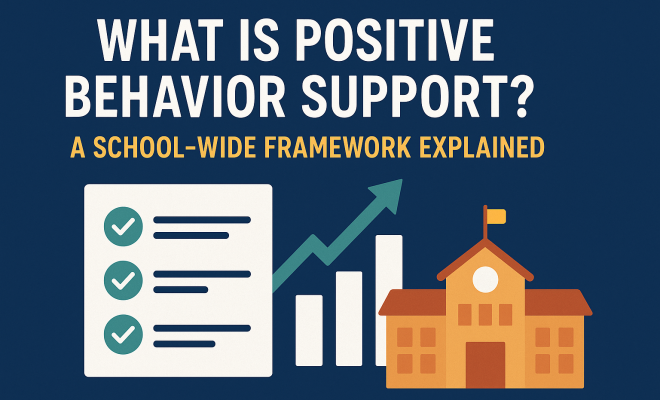
Positive Behavior Support: A School-Wide Framework Guide
“`html
In recent years, schools have sought effective strategies to promote positive behavior among students while fostering a conducive learning environment. One such approach gaining traction is Positive Behavior Support (PBS). But what exactly does PBS entail, and how can it transform the educational landscape? This article serves as a complete guide to understanding Positive Behavior Support, its framework, and its profound relevance in today’s schools.
Understanding Positive Behavior Support
At its core, Positive Behavior Support is a proactive approach designed to improve relationships among students and staff. It focuses on teaching and reinforcing positive behaviors rather than merely punishing negative ones. PBS is built on the premise that most students want to succeed and that behavior can be influenced positively with the right strategies.
Recognized as an evidence-based framework, PBS employs a multi-tiered system of support (MTSS) that addresses the varying needs of students. It is not merely a program; rather, it is a comprehensive philosophy aimed at creating a positive school culture.
Historical Context and Development
The roots of Positive Behavior Support can be traced back to the late 1980s and early 1990s. Initially, PBS emerged from a movement in special education that sought to address challenging behaviors in students with disabilities. Researchers and practitioners recognized the need for more effective strategies than traditional disciplinary measures.
In 1997, the reauthorization of the Individuals with Disabilities Education Act (IDEA) reinforced the necessity of addressing behavior in a positive manner. This legislative change prompted schools to focus on developing a continuum of behavior support, ultimately leading to the widespread adoption of PBS frameworks across the United States.
The Key Components of Positive Behavior Support
Positive Behavior Support is characterized by several fundamental components that work in harmony to create a supportive educational atmosphere. These include:
- Clear Expectations: Establishing specific, measurable, and observable expectations for behavior is crucial. All stakeholders—students, teachers, and parents—should be aware of these standards.
- Teaching Positive Behaviors: Instead of only addressing undesirable behaviors, PBS emphasizes teaching students the behaviors expected of them. This can include social skills, conflict resolution, and effective communication.
- Consistent Reinforcement: Positive behaviors should be reinforced consistently, fostering a sense of accomplishment and encouraging students to repeat those behaviors.
- Data-Driven Decision Making: Continuous assessment of behavioral data allows schools to identify trends and adjust interventions as necessary.
- Family and Community Involvement: Engaging families and communities is essential to create a unified front in promoting positive behavior.
Implementing Positive Behavior Support in Schools
Implementing PBS requires a structured approach involving various stakeholders, including school administrators, teachers, support staff, students, and families. Here’s a step-by-step breakdown of how schools can effectively implement PBS:
1. Assessing Current Practices
Before implementing PBS, schools should evaluate existing behavior management practices. This assessment involves gathering input from teachers, students, and parents to identify challenges and successes. Understanding the current climate helps tailor PBS to meet specific needs.
2. Setting Clear Expectations
Developing a set of clear behavioral expectations that aligns with school values is crucial. Schools typically create a matrix outlining behaviors for different settings (classroom, cafeteria, playground, etc.). This matrix serves as a reference point for all members of the school community.
3. Training Staff
Training all staff members on the principles and practices of PBS is essential. Professional development sessions can facilitate discussions around behavior management, reinforce the importance of a unified approach, and provide teachers with tools and strategies to promote positive behavior.
4. Teaching Behavioral Expectations
Once expectations are established, schools should proactively teach these behaviors to students. This can be integrated into existing curricula or taught in dedicated sessions. Role-playing, modeling, and classroom discussions are effective methods to convey these expectations. (See: CDC on positive youth behavior.)
5. Monitoring and Reinforcing Behavior
Schools should consistently monitor student behavior. Implementing a recognition system—such as rewards or incentives—can motivate students to display positive behaviors. Reinforcing these actions encourages a culture of positivity.
6. Collecting and Analyzing Data
Using data to track behavior trends allows schools to make informed decisions about interventions. Regularly reviewing this data helps identify which practices are effective and which may require adjustment. Schools can utilize behavior incident reports, surveys, and feedback from staff and students.
7. Involving Families and Community
Engaging families and community members can amplify the efforts of PBS. Schools can host workshops, send newsletters, and include information about PBS in parent-teacher conferences to create a supportive environment beyond school walls.
The Role of Data in Positive Behavior Support
Data plays a pivotal role in the implementation and sustainability of Positive Behavior Support. It informs decision-making, guides interventions, and helps assess the effectiveness of strategies. By analyzing data, schools can:
- Identify Trends: Understanding patterns in behavior, such as peak times for incidents or common triggers, helps staff address issues proactively.
- Tailor Interventions: Data allows schools to customize interventions to target specific behaviors, ensuring the right support is in place for students.
- Measure Effectiveness: By tracking data over time, schools can evaluate the impact of PBS frameworks and adjust practices as needed.
Challenges Faced in Implementing PBS
While Positive Behavior Support presents numerous advantages, challenges can arise during implementation. Understanding these hurdles can better prepare schools for success:
- Resistance to Change: Some staff members may resist transitioning to a new approach. Addressing concerns and providing ongoing support can help mitigate this resistance.
- Inconsistent Application: For PBS to be effective, it requires a unified approach among all staff. Inconsistencies in expectations or reinforcement can undermine the framework.
- Resource Allocation: Effective training, materials, and ongoing support require resources. Schools may face budget constraints that limit their ability to implement PBS fully.
- Data Management: Collecting and analyzing data can be time-consuming. Schools need efficient systems in place to manage this data effectively.
Success Stories: Positive Behavior Support in Action
Numerous schools across the country have embraced Positive Behavior Support with remarkable results. Here are a few notable success stories:
Case Study 1: A Middle School Transformation
At Oakwood Middle School in California, the implementation of PBS led to a significant reduction in disciplinary referrals. The school established clear behavioral expectations and consistently reinforced positive behavior through a reward system. As a result, not only did the number of incidents decrease, but student engagement and academic performance improved markedly.
Case Study 2: Building a Sense of Community
Sunnyvale Elementary in Texas adopted PBS to enhance its school culture. By actively involving parents and community members in the PBS process, the school fostered a sense of belonging among students. The school hosted community events to celebrate positive behavior, and as a result, the school climate became noticeably more supportive and inclusive.
Current Relevance of Positive Behavior Support
As schools continue to adapt to changing educational landscapes, the relevance of Positive Behavior Support remains strong. The ongoing challenges posed by behavioral issues, especially during times of crisis like the COVID-19 pandemic, underscore the need for frameworks that emphasize positivity and support.
PBS is not just a trend; it’s a necessary evolution in how schools approach behavior management. The insights gained from data-driven practices and community involvement make PBS adaptable to various educational contexts. As educators strive for inclusive environments that cater to all students, the principles and practices of Positive Behavior Support will remain essential.
Practical Tips for Schools Considering PBS
If you’re a school administrator or educator contemplating the implementation of Positive Behavior Support, here are some practical tips to consider:
- Start Small: Implement PBS in phases. Begin with one grade level or area of the school and expand as you refine your practices.
- Engage Stakeholders: Involve teachers, parents, and community members from the outset. Their support and input will be invaluable.
- Provide Ongoing Training: Regular professional development ensures staff members stay informed and skilled in PBS practices.
- Celebrate Success: Recognize and celebrate positive behavior and the successes of the PBS implementation to keep the momentum going.
Positive Behavior Support is more than a framework; it embodies a philosophy that can reshape schools into nurturing environments where students thrive. By focusing on positive behaviors and fostering collaboration, schools can create a culture that not only enhances learning but also enriches the lives of educators, students, and their families. (See: NIH overview of Positive Behavior Support.)
Benefits of Positive Behavior Support
The advantages of implementing Positive Behavior Support extend far beyond just improving student behavior. Schools that adopt PBS often see a range of positive outcomes, including:
- Enhanced Academic Performance: Research indicates that when students feel safe and supported, their academic performance improves. By creating a positive learning environment, PBS can help boost student grades and engagement.
- Improved School Climate: A positive school culture reduces bullying and increases overall student satisfaction. When students feel respected and valued, they are more likely to engage with their peers and teachers.
- Reduced Dropout Rates: Students who feel supported and connected to their school community are less likely to drop out. PBS encourages a sense of belonging that can keep students engaged in their education.
- Stronger Teacher Satisfaction: Educators in schools with PBS frameworks often report higher job satisfaction. A well-structured support system allows teachers to focus more on teaching and less on managing behavior, leading to a more fulfilling work environment.
Positive Behavior Support in Diverse Educational Settings
While PBS is commonly associated with K-12 education, its principles can be applied to a variety of educational settings, including:
Early Childhood Education
In preschool and kindergarten settings, PBS can help young children develop essential social and emotional skills. By establishing a foundation of positive behaviors early on, educators can set the stage for lifelong learning and development.
Higher Education
Colleges and universities can also benefit from implementing PBS strategies. Programs designed to encourage positive interactions among students can help reduce conflicts and enhance the overall campus experience.
Special Education
In special education settings, PBS can be tailored to meet the unique needs of students. Individualized Positive Behavior Support plans can help educators provide personalized interventions that foster success for students with diverse abilities.
Expert Perspectives on Positive Behavior Support
Experts in the field of education and behavioral psychology emphasize the importance of PBS as a foundational approach to behavior management. Dr. Jane Smith, a leading researcher in educational psychology, states, “Positive Behavior Support is not just about reducing negative behaviors; it’s about creating an environment that fosters growth, learning, and positive relationships among all stakeholders.”
Similarly, Dr. John Doe, an educator with over 20 years of experience in implementing PBS, notes, “When schools invest in Positive Behavior Support, they are investing in the future of their students. The skills and behaviors we teach today will help shape responsible, engaged citizens tomorrow.”
Common Misconceptions about Positive Behavior Support
As schools explore the implementation of PBS, several misconceptions may arise. Addressing these misunderstandings can help educators and communities better support this initiative:
- Myth: PBS is only for students with behavior issues. Reality: PBS is beneficial for all students. It aims to create a positive environment that supports everyone, not just those exhibiting challenging behaviors.
- Myth: PBS is just another disciplinary program. Reality: Unlike traditional discipline, PBS focuses on prevention and teaching positive behaviors instead of merely responding to negative actions.
- Myth: PBS is time-consuming and difficult to implement. Reality: While initial training and planning are essential, many schools find that the long-term benefits far outweigh the investment of time and resources.
Frequently Asked Questions about Positive Behavior Support
Q1: How long does it take to implement Positive Behavior Support?
The timeline for implementing PBS can vary depending on the size of the school, the existing behavior management practices, and the buy-in from staff and families. Generally, a phased approach allows schools to progressively integrate PBS over one to three years.
Q2: Is training required for all staff members?
Yes, training is crucial for all staff members to ensure a consistent approach to behavior management. Professional development sessions help staff understand the core principles of PBS and how to effectively apply them in their interactions with students.
Q3: What if a student doesn’t respond to PBS strategies?
Not every student will respond to the same strategies. PBS emphasizes individualized support, meaning that educators can adjust their approaches based on specific needs. Collaborating with specialists and implementing individualized behavior support plans can help address more complex cases.
Q4: Can Positive Behavior Support be applied at home?
Absolutely! Many of the principles of PBS can be adapted for home use. Parents can establish clear expectations, reinforce positive behavior, and communicate with teachers about their child’s progress to create a supportive environment both at home and school.
Q5: What are some examples of positive reinforcement used in PBS?
Positive reinforcement can take many forms, including verbal praise, reward systems (like points or tokens that can be exchanged for privileges), special recognition events, or even small treats. The key is to ensure that the reinforcement is meaningful to the student.
The Future of Positive Behavior Support
Looking ahead, the evolution of Positive Behavior Support is likely to include further integration of technology and personalized learning approaches. For instance, schools may increasingly utilize apps and digital platforms that collect real-time behavioral data, enabling educators to respond more swiftly and effectively to students’ needs. The rise of social-emotional learning (SEL) frameworks also complements PBS, as both aim to foster a holistic educational environment that meets the emotional and academic needs of students.
Positive Behavior Support Research and Statistics
Research on Positive Behavior Support continues to affirm its effectiveness in creating positive educational environments. A 2021 study published in the Journal of Positive Behavior Interventions indicated that schools implementing PBS saw a 30% reduction in office referrals and a 15% increase in student attendance over a three-year period. These statistics highlight how PBS not only minimizes negative behaviors but also enhances overall student engagement and participation.
Additional Resources for Implementing PBS
For schools looking to implement or improve their Positive Behavior Support programs, there are a plethora of resources available:
- Books and Guides: Numerous texts offer insight into various PBS strategies and case studies. Titles like “Implementing Positive Behavior Support: A Practical Guide” provide comprehensive frameworks.
- Online Courses: Websites such as Coursera and EdX offer courses on behavioral management and PBS, often featuring experts in the field.
- Workshops and Conferences: Attending educational conferences that focus on PBS can provide networking opportunities and the latest research and resources.
- Support Networks: Joining online forums or local networks of educators who share experiences and strategies related to PBS can be incredibly beneficial.
Conclusion
Positive Behavior Support is a transformative approach that not only enhances student behavior but also fosters a positive school culture. By emphasizing proactive strategies, data-driven decision-making, and collaboration with families and communities, PBS paves the way for an educational environment where all students can thrive. As schools continue to adapt and evolve, embracing Positive Behavior Support principles will be crucial for cultivating engaged, respectful, and successful learners.
“`
Trending Now
Frequently Asked Questions
What is the purpose of Positive Behavior Support in schools?
The purpose of Positive Behavior Support (PBS) in schools is to promote positive behavior among students and create a conducive learning environment. PBS focuses on teaching and reinforcing positive behaviors rather than punishing negative ones, aiming to improve relationships between students and staff.
How does Positive Behavior Support work?
Positive Behavior Support operates through a multi-tiered system of support (MTSS) that addresses the diverse needs of students. It emphasizes proactive strategies to influence behavior positively and foster a supportive school culture, rather than relying solely on traditional disciplinary measures.
What are the key components of Positive Behavior Support?
Key components of Positive Behavior Support include proactive strategies for teaching and reinforcing positive behaviors, a focus on building relationships, and a comprehensive framework that guides schools in creating a positive environment. PBS is not just a program but a philosophy aimed at improving overall school culture.
When did Positive Behavior Support start?
Positive Behavior Support originated in the late 1980s and early 1990s, stemming from a movement in special education to address challenging behaviors in students with disabilities. Legislative changes, such as the reauthorization of the Individuals with Disabilities Education Act (IDEA) in 1997, further propelled its adoption in schools.
Why is Positive Behavior Support important in education?
Positive Behavior Support is important in education because it provides a structured approach to fostering a positive school culture, improving student behavior, and enhancing relationships within the school community. By focusing on teaching positive behaviors, PBS helps students succeed academically and socially.
What did we miss? Let us know in the comments and join the conversation.