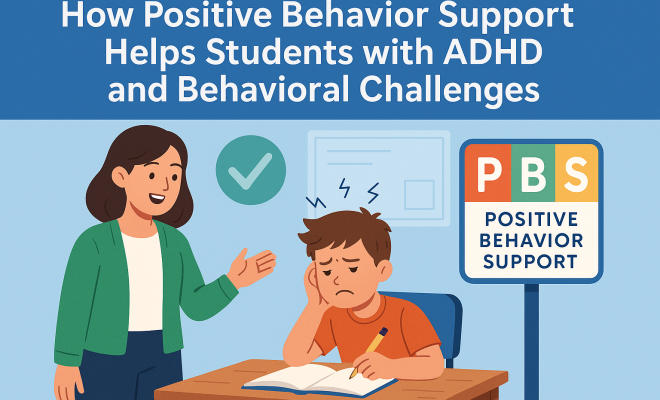
How Positive Behavior Support Helps Students with ADHD and Behavioral Challenges
“`html
Understanding how to support students with ADHD and behavioral challenges is crucial in today’s educational landscape. With the prevalence of ADHD rising, educators and parents alike are searching for effective strategies to assist these learners. Positive Behavior Support (PBS) has emerged as a transformative approach, offering a framework that not only addresses behavioral issues but also promotes an environment conducive to learning. In this article, we’ll explore how PBS can significantly benefit students with ADHD and other behavioral challenges, examining its background, key principles, implementation strategies, and the outcomes.
Understanding ADHD and Its Challenges
Attention Deficit Hyperactivity Disorder (ADHD) is a neurodevelopmental disorder that affects millions of children each year. According to the Centers for Disease Control and Prevention (CDC), approximately 6.1 million children between the ages of 2-17 have been diagnosed with ADHD in the United States alone. Symptoms can range from inattention and hyperactivity to impulsivity, making it difficult for students to thrive in a traditional classroom setting.
The impact of these symptoms is profound. Students with ADHD often struggle with staying focused on tasks, following instructions, and completing assignments. They may also find it challenging to manage their emotions, leading to disruptive behavior in the classroom. Because of these difficulties, many students face academic setbacks, social isolation, and low self-esteem. Understanding these challenges is essential to developing effective support systems.
The Foundation of Positive Behavior Support
Positive Behavior Support is an evidence-based strategy designed to improve the overall behavior and learning conditions for students, particularly those with behavioral challenges like ADHD. PBS is rooted in the principles of applied behavior analysis and was developed to foster a positive classroom environment. It emphasizes proactive strategies for defining, teaching, and supporting appropriate behaviors rather than merely reacting to negative behaviors.
The PBS framework operates on several key principles:
- Prevention: Instead of waiting for problems to arise, PBS focuses on preventing issues by anticipating potential challenges students may face.
- Support: PBS provides tiered support that caters to the varying needs of students, ensuring that both universal and individualized strategies are in place.
- Data-Driven: Continuous monitoring of student progress and behavior allows educators to adjust strategies as needed.
- Collaboration: Involvement of families, educators, and the community ensures a holistic approach to student support.
By adhering to these principles, PBS fosters an environment where students with ADHD can thrive and develop the skills they need to succeed academically and socially.
Implementing Positive Behavior Support in Schools
Successful implementation of PBS involves an ongoing process that requires commitment from all stakeholders. Here’s a step-by-step approach to integrating PBS into educational settings:
- Assessment: Begin with a thorough assessment of the students’ needs. This may involve behavior assessments or questionnaires filled out by teachers and parents to identify specific challenges.
- Define Expected Behaviors: Clearly articulate the behaviors that are expected in the classroom. This could include being respectful, responsible, and safe.
- Teach and Model Behaviors: Educators should teach expected behaviors explicitly. This involves modeling the behaviors in various scenarios and providing opportunities for practice.
- Positive Reinforcement: Use positive reinforcement to encourage desirable behaviors. This can range from verbal praise to tokens or rewards that students can earn.
- Monitor Progress: Regularly monitor student behavior and progress. Adjust strategies as required based on the data collected.
- Engage Families: Keep families involved in the process. Communicate regularly about progress and involve them in reinforcement strategies at home.
This structured approach ensures that all students, particularly those with ADHD, receive the guidance and support necessary to succeed.
Benefits of Positive Behavior Support for Students with ADHD
Students with ADHD can experience a range of benefits from the implementation of Positive Behavior Support. Here are some of the key advantages:
- Improved Behavior: PBS reduces the occurrence of disruptive behaviors by teaching students appropriate ways to express themselves and manage their impulses.
- Increased Academic Performance: As behavior improves, students often see an increase in academic engagement and performance. They are more likely to participate in classroom activities and complete assignments.
- Enhanced Social Skills: PBS promotes positive interactions among students, helping those with ADHD develop better social skills and build friendships.
- Boosted Self-Esteem: By recognizing and reinforcing positive behaviors, PBS helps students feel more competent and confident in their abilities.
Research supports these benefits. A study published in the Journal of Positive Behavior Interventions found that schools implementing PBS saw a significant decrease in behavioral issues and an increase in academic performance, particularly among students with ADHD.
Challenges and Considerations
While Positive Behavior Support has proven effective, it’s not without its challenges. One major concern is the consistency of implementation across different classrooms and grade levels. It’s essential that all educators are on board and trained in PBS principles to create a unified approach. (See: ADHD facts from the CDC.)
Another challenge is the need for ongoing training. Educators must stay informed about the latest best practices in PBS and be prepared to adapt strategies based on new research or the changing needs of their students.
Furthermore, some critics argue that PBS may not address underlying issues contributing to a student’s behavior, such as trauma or mental health challenges. It’s crucial for schools to integrate PBS with other support systems, such as counseling and social-emotional learning, to ensure a comprehensive approach to student well-being.
Real-Life Examples of Positive Behavior Support in Action
To truly understand the impact of Positive Behavior Support, let’s take a look at some real-life examples of schools that have successfully implemented PBS strategies for students with ADHD.
One notable case is that of a middle school in Michigan, which saw significant improvements after adopting PBS. Teachers worked collaboratively to create a set of behavioral expectations and taught them explicitly to students. They also established a reward system that allowed students to earn points for demonstrating positive behaviors. As a result, the school reported a 40% decrease in office referrals for disruptive behavior and a marked increase in academic engagement.
In another instance, a primary school in California integrated PBS with social-emotional learning initiatives. They created a mentorship program where older students helped younger ones learn and practice appropriate behaviors. This not only improved individual student performance but also fostered a sense of community within the school, benefiting all students, including those with ADHD.
Training and Resources for Educators
For educators looking to implement Positive Behavior Support effectively, there are numerous resources available. Professional development workshops and training programs can equip educators with the knowledge and skills needed to adopt PBS principles successfully. Organizations like the Association for Positive Behavior Support (APBS) offer workshops, conferences, and various resources focused on behavior support.
Additionally, online platforms and communities provide opportunities for educators to share experiences and strategies. Educators can benefit from collaborating with peers, discussing challenges, and celebrating successes in PBS implementation.
Furthermore, there are numerous books and guides available that delve into the intricacies of PBS. Titles such as “Positive Behavior Support: A Practical Guide for Educators” offer hands-on approaches and real-life examples to help educators integrate PBS into their classrooms.
The Role of Families in Positive Behavior Support
Families play a vital role in the success of Positive Behavior Support initiatives. When families are engaged and informed about the PBS strategies being used in schools, they can reinforce these behaviors at home. This partnership enhances the effectiveness of PBS, creating a consistent approach to behavior management in various settings.
Educators should strive to maintain open lines of communication with families, sharing updates on their child’s progress and discussing strategies that can be practiced at home. Family workshops or informational sessions can equip parents with the tools they need to support their children’s behavior positively.
Moreover, involving families in the development of behavior plans allows for a more tailored approach, taking into account the unique dynamics of each student’s home life.
The Future of Positive Behavior Support for Students with ADHD
As awareness of ADHD grows and more schools recognize the importance of supporting students with behavioral challenges, Positive Behavior Support is poised to play a significant role in educational settings. Ongoing research into PBS will likely yield new strategies and insights that can further enhance its effectiveness.
In addition, as technology continues to advance, there’s potential for incorporating digital tools that assist in monitoring student behavior and progress. Apps and software programs that track behavior data can provide educators with real-time feedback, allowing them to make informed decisions about interventions quickly. (See: ADHD information from NIH.)
Ultimately, the key to the success of Positive Behavior Support lies in its adaptability. As schools strive to meet the needs of diverse learners, PBS can evolve to address new challenges and incorporate innovative practices that benefit students with ADHD and behavioral challenges.
FAQ: Common Questions about Positive Behavior Support and ADHD
What is Positive Behavior Support?
Positive Behavior Support (PBS) is a proactive approach to managing behavior that emphasizes teaching and reinforcing positive behaviors rather than just punishing negative ones. It uses data to guide decisions and looks to create supportive environments for all students, especially those with behavioral challenges like ADHD.
How can PBS specifically help students with ADHD?
PBS can help students with ADHD by providing structured support that addresses their unique behavioral needs. By teaching expected behaviors, using positive reinforcement, and creating a supportive classroom environment, PBS can lead to improved focus, reduced disruptive behaviors, and an overall increase in academic performance.
What are some specific techniques used in PBS?
Some common techniques include setting clear and consistent expectations, modeling appropriate behaviors, providing regular positive feedback, using visual aids to remind students of behaviors, and implementing a reward system that acknowledges and reinforces positive behavior.
How can parents support PBS at home?
Parents can support PBS by reinforcing the same behavioral expectations at home that are taught at school. They can also communicate with teachers about their child’s progress and strategies, attend workshops, and provide praise and rewards for positive behavior to create consistency between home and school.
Are there any downsides to PBS?
While PBS has many benefits, challenges remain, such as ensuring all staff members are consistently trained and on the same page. It’s also crucial to remember that PBS should be part of a broader system of support, especially for students with underlying issues that may affect behavior.
How do you measure the success of PBS?
Success can be measured through various indicators, including reductions in behavioral incidents, improvements in academic performance, enhanced student engagement, and positive feedback from both students and parents. Schools often use data tracking systems to monitor these metrics over time.
Can PBS be adapted for different age groups?
Absolutely! PBS is highly adaptable and can be modified to fit the developmental stage of students, from preschool through high school. The fundamental principles remain the same, but the strategies and language used may differ to be age-appropriate.
Additional Considerations for Implementing PBS
Implementing Positive Behavior Support effectively requires an understanding of the individual needs of students. Since ADHD manifests differently in each child, it’s essential for educators to adopt a flexible approach that considers varied strengths and challenges. Tailoring interventions to each student can greatly increase the effectiveness of PBS.
Individualized Support
Some students with ADHD may respond better to certain strategies than others. For instance, while visual schedules and checklists can help some students manage their time and tasks, others may benefit more from verbal reminders or peer support systems. It’s important for educators to observe and assess how different students respond to interventions and adjust accordingly.
Collaboration with Specialists
Involving specialists, such as school psychologists and counselors, can enhance the PBS framework. These professionals can provide insights into best practices, help develop individualized behavior plans, and offer support for students with additional challenges, such as learning disabilities or mental health issues. Regular meetings among educators, specialists, and families can ensure everyone is aligned and working towards the same goals.
Statistics on the Effectiveness of PBS
The effectiveness of PBS is well-documented in educational research. For instance, a meta-analysis of over 40 studies indicated that schools implementing PBS saw a significant decline in problem behaviors, with reductions of up to 50% in disciplinary referrals in some cases. Additionally, schools reported enhanced academic outcomes, with improvements of 15% in standardized test scores among students who received PBS interventions.
Creating a Positive School Culture
Creating a positive school culture is vital for the long-term success of Positive Behavior Support. When schools foster an inclusive environment that values respect, responsibility, and safety, they not only support students with ADHD but also encourage positive behavior across the entire student body. Initiatives like anti-bullying campaigns, peer mentoring programs, and community service projects can enhance the overall school climate, making it a more welcoming place for all students.
Celebrating Successes
Recognizing and celebrating successes is another critical component of maintaining a positive culture. Schools can host events that celebrate student achievements in academics and behavior. This not only reinforces the principles of PBS but also creates a sense of community and belonging among students, which is especially beneficial for those with ADHD who might struggle with feelings of isolation.
The Impact of Technology on PBS
As technology evolves, its integration into PBS practices is becoming more prevalent. Digital tools allow for real-time data collection and analysis, enabling educators to track student behavior patterns and adjust interventions more effectively. For example, apps designed for behavior tracking can help teachers monitor students’ progress and share insights with parents, fostering collaboration and support beyond the classroom.
Using Gamification
Gamification is another exciting trend in PBS. Incorporating game-like elements into behavior management systems can motivate students, particularly those with ADHD, by making learning and positive behavior reinforcement more engaging. For instance, schools might use point systems or leaderboards to encourage friendly competition among students, rewarding them for achieving behavioral milestones.
Conclusion: A Holistic Approach to Supporting Students
Positive Behavior Support represents more than just a behavioral intervention; it’s a holistic approach to nurturing a positive learning environment for all students, especially those with ADHD. By focusing on prevention, teaching expected behaviors, and fostering collaboration among educators, families, and the community, PBS empowers students to thrive academically and socially.
As we continue to explore effective strategies for supporting students with ADHD, Positive Behavior Support stands out as a beacon of hope, offering insights and solutions that can change lives for the better.
“`
Trending Now
Frequently Asked Questions
What is Positive Behavior Support for ADHD?
Positive Behavior Support (PBS) is an evidence-based approach aimed at improving behavior and learning conditions for students, particularly those with ADHD and other behavioral challenges. It focuses on creating a positive classroom environment through proactive strategies that address behavioral issues while promoting academic success.
How does Positive Behavior Support help students with behavioral challenges?
PBS helps students with behavioral challenges by implementing strategies that encourage positive behaviors, reduce disruptive actions, and foster a supportive learning environment. It emphasizes understanding each student's needs and using data-driven methods to guide interventions, ultimately enhancing their educational experience.
What are the key principles of Positive Behavior Support?
The key principles of Positive Behavior Support include a focus on prevention, teaching appropriate behaviors, and reinforcing positive actions. PBS aims to create a structured environment where students can thrive by setting clear expectations, providing consistent feedback, and involving families in the support process.
What strategies are used in Positive Behavior Support?
Strategies used in Positive Behavior Support include establishing clear behavioral expectations, teaching social skills, implementing reinforcement systems, and using data to monitor progress. These strategies help create a positive classroom culture that supports students with ADHD and promotes their overall success.
What outcomes can be expected from implementing Positive Behavior Support?
Implementing Positive Behavior Support can lead to improved student behavior, enhanced academic performance, and better social interactions. Students with ADHD may experience reduced disruptive behaviors, increased engagement in learning activities, and improved self-esteem, creating a more conducive environment for their growth.
Agree or disagree? Drop a comment and tell us what you think.