Competency-Based Education: A New Path to Mastery
“`html
In the realm of education, traditional grading systems have long been the norm, focusing primarily on seat time and rote memorization. However, a new approach is gaining traction — competency-based education (CBE). This method emphasizes mastering specific skills and knowledge, allowing students to progress at their own pace. But what exactly does competency-based education entail, and how does it differ from the conventional grading systems we’ve grown accustomed to? Let’s unpack this transformative approach.
Understanding Competency-Based Education
Competency-based education is an instructional method that focuses on students demonstrating mastery of specific competencies or skills rather than accumulating credit hours or completing assignments based on a set timeline. Essentially, it shifts the focus from time spent in class to what students can actually do with the knowledge they’ve acquired.
In CBE, learners progress through their education as they prove their understanding and skill level, often through assessments that can take various forms, including projects, presentations, and standardized tests. Unlike traditional systems, which may allow students to pass a course based on average performance, CBE requires that students truly understand and can apply what they’ve learned.
Historical Context of Competency-Based Education
The roots of competency-based education can be traced back to the 1960s and 1970s when educators began to question the effectiveness of traditional grading systems. As education expanded, it became clear that a one-size-fits-all approach was insufficient for meeting the diverse needs of students. In response, educators and policymakers began developing frameworks that would allow for more personalized learning experiences.
By the 1990s, several higher education institutions began experimenting with CBE models, often driven by advancements in technology and a growing emphasis on accountability in educational outcomes. With the rise of online learning platforms and data analytics, CBE has gained further traction, providing a more flexible and tailored alternative to traditional education.
Key Features of Competency-Based Education
There are several defining characteristics of competency-based education that set it apart from traditional educational approaches:
- Individualized Learning: Students learn at their own pace, allowing them to spend more time on challenging material while progressing quickly through concepts they grasp easily.
- Clear Learning Objectives: CBE programs clearly outline competencies that students must master. These objectives guide instruction and assessment.
- Flexible Assessment: Assessments in CBE can take many forms, including projects, peer assessments, and real-world applications, rather than solely relying on exams.
- Focus on Mastery: Students must demonstrate proficiency in each competency before moving on, ensuring they have a solid foundation of knowledge and skills.
How Competency-Based Education Differs from Traditional Grading
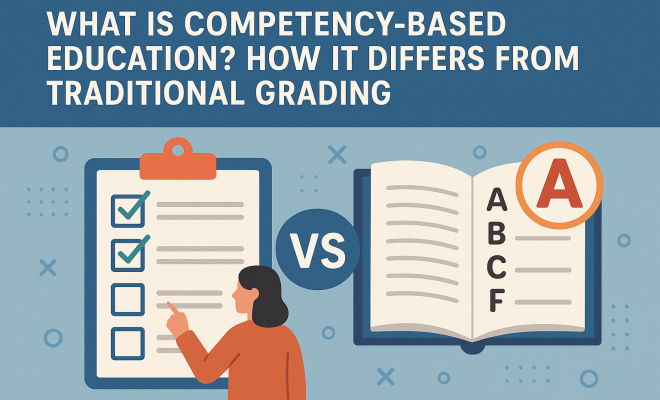
Traditional grading systems often emphasize a linear path: attend class, complete assignments, and take exams to accumulate grades. This can lead to a focus on grades rather than true learning. Here’s a breakdown of how competency-based education contrasts with traditional systems:
1. Measurement of Learning
In traditional grading, students are often assessed based on a combination of homework, tests, and participation. Grades can reflect a variety of factors unrelated to actual understanding, such as attendance or effort. In contrast, CBE is strictly focused on demonstrating mastery of competencies. A student who excels in a competency can progress, regardless of how long it takes them to get there.
2. Pace of Learning
Traditional systems typically operate on a semester or annual schedule, which can pressure students to keep pace with their peers. This can be particularly detrimental for those who may need additional time or support to grasp certain concepts. CBE allows learners to advance at their own speed, enabling them to take the time they need to fully understand material before moving on.
3. Feedback Mechanisms
Feedback in traditional education often comes in the form of grades, which can be subjective and not necessarily reflective of a student’s true understanding. In competency-based education, feedback is frequent and formative, helping students refine their skills continuously. This ongoing feedback encourages a growth mindset, promoting resilience and adaptability. (See: Competency-based education overview.)
4. Curriculum Design
Curriculums in traditional education typically follow a set syllabus, regardless of students’ existing knowledge and skills. Conversely, competency-based programs are designed around specific competencies, allowing for more relevant and applicable content tailored to students’ needs and career aspirations.
Benefits of Competency-Based Education
Competency-based education offers numerous advantages over traditional methods, appealing to both students and educators:
- Personalized Learning Experiences: CBE tailors education to individual student needs, allowing for a more engaging and effective learning experience.
- Real-World Applications: Many competency-based programs emphasize practical skills and real-world scenarios, better preparing students for the workforce.
- Improved Retention: By focusing on mastery, students are more likely to retain what they learn, leading to long-term success.
- Greater Accountability: CBE holds students accountable for their learning, fostering a sense of responsibility and ownership over their education.
Challenges and Considerations
While the benefits of competency-based education are substantial, it’s not without its challenges. Implementing this model requires significant changes at institutional and instructional levels:
- Resource Allocation: Transitioning to a CBE model may require new resources, including training for educators and technology investments.
- Assessment Design: Crafting assessments that accurately measure competency can be complex, requiring careful planning and collaboration among educators.
- Cultural Shift: Faculty and students accustomed to traditional grading may need time and support to embrace the new paradigm.
Current Relevance and Future of Competency-Based Education
The momentum behind competency-based education is growing, especially in response to the demands of a rapidly changing job market. Employers increasingly seek candidates with demonstrable skills rather than just degrees. CBE appeals to this need, as it focuses on what students can actually do, rather than just what they’ve finished learning.
Today, numerous institutions, from K-12 schools to universities, are adopting competency-based approaches. Notably, Western Governors University (WGU) has gained recognition for its fully online, competency-based model, demonstrating its effectiveness in higher education.
As educators and policymakers continue to explore innovative learning models, it’s likely that CBE will play a crucial role in shaping the future of education. As technology continues to advance, personalized learning experiences will become more accessible, making it easier for students to engage with a competency-based curriculum.
Implementing Competency-Based Education: Practical Insights
For educators considering the shift to competency-based education, there are several practical steps to take:
- Define Competencies: Clearly outline what competencies students need to master within your program. Involve stakeholders, including educators and industry professionals, to ensure relevance.
- Design Assessments: Create varied assessments that accurately measure competency. Incorporate projects, presentations, and real-world applications to assess true understanding.
- Provide Training: Invest in professional development for educators to ensure they understand the principles of CBE and are equipped to implement them effectively.
- Foster a Growth Mindset: Encourage students to view challenges as opportunities for growth. Provide constructive feedback that helps them understand their learning journey.
Competency-Based Education in Different Educational Levels
Competency-based education isn’t limited to higher education; its principles can be applied across various educational levels. Here’s how CBE manifests in different settings:
K-12 Education
In K-12 settings, competency-based education can provide tailored learning experiences that meet the diverse needs of young learners. Schools adopting CBE often implement personalized learning plans that allow students to progress through subjects based on mastery rather than age or grade level. For example, a student struggling in mathematics can spend additional time on foundational skills while advancing in literacy if they demonstrate proficiency. This flexibility can enhance student engagement and reduce dropout rates, as learners feel more in control of their educational journeys.
Higher Education
In higher education, institutions like WGU and Southern New Hampshire University have successfully implemented CBE models. These universities allow students to progress based on their demonstrated skills and knowledge, often through online platforms that facilitate self-paced learning. This model is particularly advantageous for adult learners and working professionals seeking to upskill or change careers. CBE in higher education often aligns curricula with industry demands, ensuring graduates are well-prepared for the workforce.
Adult Education and Workforce Development
Competency-based education plays a critical role in adult education and workforce development. Programs aimed at adult learners often focus on specific competencies that align with job skills, making education more relevant and applicable. For instance, community colleges may offer CBE programs in areas such as healthcare, technology, and trades, allowing students to gain certifications quickly while ensuring they meet employer expectations. This alignment with workforce needs is essential for closing skills gaps in various industries. (See: U.S. Department of Education on CBE.)
Statistics on Competency-Based Education
As competency-based education continues to gain traction, several statistics highlight its impact and effectiveness:
- According to a report from the Bill & Melinda Gates Foundation, 67% of educators surveyed believe that CBE promotes deeper learning and enhances student engagement.
- Research shows that students in competency-based programs are 1.5 times more likely to persist in their studies compared to those in traditional programs.
- Employers report that 83% of respondents believe that hiring candidates with competency-based credentials leads to better job performance.
- By 2025, it is estimated that 28% of all postsecondary institutions will offer some form of CBE-based programs, according to a study by the Lumina Foundation.
Expert Perspectives on Competency-Based Education
Experts in the field of education have weighed in on the value and future of competency-based education. Here are some notable perspectives:
- Dr. Richard Culatta, CEO of the International Society for Technology in Education: “Competency-based education allows learners to take ownership of their learning journey, fostering a sense of agency that is critical in today’s rapidly evolving world.”
- Dr. Linda Darling-Hammond, President and CEO of the Learning Policy Institute: “CBE models can address equity in education by providing personalized pathways that meet the varied needs of all students, especially those who have been historically underserved.”
- Dr. Kevin Carey, Director of the Education Policy Program at New America: “As higher education increasingly moves toward competency-based frameworks, the focus will shift from merely completing courses to demonstrating true mastery of skills, which is what employers really want.”
Frequently Asked Questions about Competency-Based Education
What is the primary goal of competency-based education?
The primary goal of competency-based education is to ensure that students master specific skills and knowledge before progressing, prioritizing understanding and application over time spent in class.
How do assessments work in competency-based education?
Assessments in CBE can take various forms, including projects, presentations, and real-world applications. They are designed to measure a student’s mastery of competencies rather than just their ability to take tests.
Can competency-based education be implemented in traditional settings?
Yes, many traditional educational institutions are adopting elements of competency-based education to enhance their curriculum. This can include integrating flexible assessments and personalized learning plans into existing frameworks.
Are there specific subjects that work best with competency-based education?
While CBE can be applied across all subjects, it is particularly effective in skill-based fields such as healthcare, technology, and trades, where demonstrable skills are crucial for success.
What challenges do schools face when implementing competency-based education?
Challenges include resource allocation, designing effective assessments, and overcoming cultural resistance among faculty and students accustomed to traditional grading systems. Support and training are essential to navigate these obstacles.
Competency-Based Education and Technology
One of the most exciting aspects of competency-based education is how technology enhances its implementation. With the advent of learning management systems (LMS) and digital platforms, educators can create more engaging and dynamic learning environments.
Technology facilitates personalized learning experiences through adaptive learning systems that adjust content delivery based on a student’s pace and proficiency. For instance, platforms like Canvas and Moodle allow for the integration of multimedia resources, quizzes, and interactive assignments that can be tailored to each learner’s journey. This not only keeps students engaged but also allows educators to monitor progress in real-time, making timely interventions when necessary.
Additionally, online forums and collaborative tools enable peer assessments and discussions, fostering a community of learning that extends beyond the classroom. Such interactions can deepen understanding and encourage students to learn from one another as they navigate the competency-based landscape together. (See: Harvard University resources.)
Global Perspectives on Competency-Based Education
Competency-based education is not just a trend in the United States; it is gaining traction worldwide. Countries like Canada, Australia, and the UK are exploring CBE as a means to improve educational outcomes and align curricula with job market needs.
In Canada, for instance, several provinces have adopted CBE frameworks in K-12 education, focusing on skills that prepare students for postsecondary education and the workforce. Australia’s vocational education and training system is also increasingly incorporating competency-based elements, ensuring that students are job-ready upon graduation.
Across Europe, the European Qualifications Framework promotes lifelong learning and the recognition of competencies, emphasizing skills over traditional qualifications. This shift reflects a growing global emphasis on competency-based approaches that cater to the needs of learners and employers alike.
The Future of Competency-Based Education
The ongoing evolution of competency-based education signifies a shift towards more effective learning models that prioritize student outcomes. As the demand for skilled professionals rises, educational institutions are increasingly recognizing the need for graduates who can demonstrate their abilities in practical, real-world contexts.
In the coming years, we may see more collaboration between educational institutions and industries to ensure that competency frameworks are aligned with emerging job markets. Partnerships with employers can provide valuable insights into the skills needed in various fields, enabling educational institutions to tailor their programs accordingly.
In addition, as more data becomes available regarding the effectiveness of CBE, institutions may begin to adopt best practices from one another, leading to a more standardized approach to competency-based education. This could enhance the credibility and recognition of CBE programs globally, further solidifying their place in the educational landscape.
Conclusion
In a world that is constantly evolving, competency-based education offers a refreshing and effective alternative to traditional grading systems. By prioritizing mastery and individualized learning, it equips students with the skills and knowledge they need to succeed in life beyond the classroom. As more institutions embrace this innovative approach, the landscape of education is bound to change for the better, paving the way for a more skilled and adaptable workforce.
“`
Trending Now
Frequently Asked Questions
What is competency-based education?
Competency-based education (CBE) is an instructional approach that emphasizes students demonstrating mastery of specific skills and knowledge rather than simply accumulating credit hours. This model allows learners to progress at their own pace, focusing on what they can do with their acquired knowledge.
How does competency-based education differ from traditional grading?
Unlike traditional grading systems that often rely on seat time and average performance, competency-based education requires students to demonstrate a true understanding and application of the material. Progress in CBE is based on mastery of competencies rather than time spent in class.
What are the benefits of competency-based education?
The benefits of competency-based education include personalized learning experiences, the ability for students to progress at their own pace, and a focus on mastering specific skills. This approach can better meet the diverse needs of students compared to traditional methods.
When did competency-based education start?
Competency-based education began gaining traction in the 1960s and 1970s when educators questioned traditional grading systems. By the 1990s, higher education institutions started experimenting with CBE models, influenced by technology advancements and a focus on accountability in educational outcomes.
What types of assessments are used in competency-based education?
In competency-based education, assessments can take various forms, including projects, presentations, and standardized tests. These assessments are designed to evaluate a student's understanding and ability to apply the skills and knowledge they have learned.
Have you experienced this yourself? We’d love to hear your story in the comments.