How Shoppable Video and Social Commerce Are Redefining Consumer Searches
“`html
The landscape of consumer shopping is undergoing a seismic shift. In a world where traditional search engines like Google have long held the reins, a new wave of platforms is emerging as the starting point for consumer discovery. Shoppable video and social commerce have reached an astonishing market size of $1.09 trillion, reshaping how brands connect with their audiences. As nearly one in three consumers now initiate searches on platforms like TikTok, Instagram, or YouTube, brands are facing the urgent need to adapt their strategies to stay relevant.
The Rise of Shoppable Video
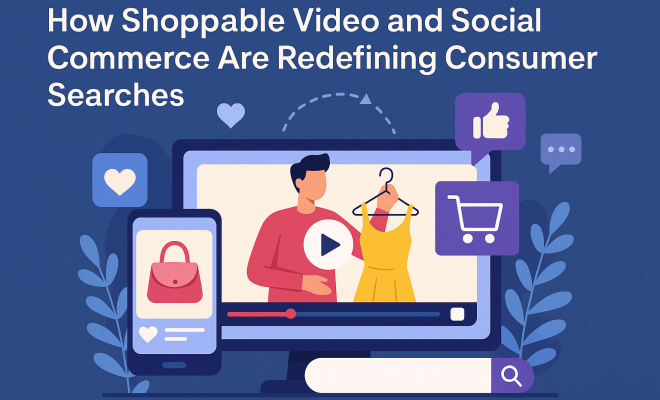
Shoppable video is rapidly becoming a cornerstone of modern marketing strategies. This format combines engaging visual content with direct shopping capabilities, enabling viewers to purchase products directly from the videos they watch. In essence, it turns passive viewing into interactive shopping, capitalizing on the impulse-driven nature of online consumers.
Brands like Amazon and Shopify have recognized the potential of shoppable video, integrating features that allow users to buy goods seamlessly as they watch engaging content. Whether it’s a makeup tutorial featuring a specific lipstick shade or a cooking show showcasing a new kitchen gadget, shoppable video provides a direct path from inspiration to purchase.
Social Commerce: A Game Changer
Social commerce is a broader term that encompasses any transaction facilitated through social media channels. This includes everything from shoppable posts on Instagram to live shopping events on TikTok. The numbers speak volumes: a staggering 30% of consumers are now beginning their shopping journeys on social media rather than traditional search engines.
This shift in consumer behavior is a direct response to the evolving digital landscape. Consumers are increasingly looking for authenticity and real-time engagement, both of which social platforms excel at providing. As a result, brands are not just marketing on these platforms; they’re creating entire shopping experiences.
Why Consumers Are Turning Away from Google
For years, Google was the go-to for product searches. However, the rise of social media apps has dramatically altered consumer behavior. A young demographic, in particular, is moving away from traditional search engines, favoring platforms where they can see products in action, read reviews, and discover new items through peer recommendations.
Take TikTok, for example. The platform’s algorithm promotes engaging content, which often leads to viral trends around specific products. Users are likely to purchase items they see featured by influencers or peers, demonstrating the power of social proof in the purchasing process. As a result, the reliance on Google for discovery has diminished, forcing brands to rethink where they allocate their marketing resources.
The Financial Implications for Brands
The financial implications are staggering for brands that fail to adapt to this new landscape. As shoppable video and social commerce grow, businesses risk losing out on a significant portion of their potential market if they stick to traditional marketing strategies. Companies that embrace these new formats stand to gain not only in terms of revenue but also in brand loyalty.
Consider how brands are leveraging user-generated content (UGC) within shoppable videos. By showcasing real customers using their products, businesses can build credibility and relatability in a way that traditional advertising can’t match. This is especially true for younger consumers who value authenticity above all else.
Creating Engaging Shoppable Video Content
To capitalize on the rise of shoppable video, brands need to create engaging and authentic content. Here are some effective strategies:
- Storytelling: Utilize narrative to showcase products in a relatable context. For instance, a brand could depict a day in the life of a user, highlighting how their products enhance everyday experiences.
- Influencer Collaborations: Partner with influencers who resonate with your target audience. Their endorsement can lend credibility to your products and drive purchases.
- Interactive Elements: Incorporate polls, questions, or clickable links within videos to boost viewer interaction and engagement.
- High-Quality Production: While authenticity is key, the quality of your content shouldn’t be neglected. Invest in quality video production to make your products shine.
The Future of Search: Shoppable Video as a Discovery Tool
As more consumers turn to social platforms for product discovery, shoppable video is poised to become a primary tool for brands looking to reach potential customers. This evolution signifies a departure from traditional search paradigms, where keywords and SEO strategies reigned supreme.
Instead, businesses may need to focus on creating rich, engaging content that resonates with viewers. This means prioritizing visual storytelling and product placements within the context of entertaining or informative video content. Brands that can effectively harness this trend will likely see a tangible impact on their bottom lines.
The Role of Analytics in Shoppable Video
To maximize the effectiveness of shoppable videos, brands must invest in analytics to understand viewer behavior. By tracking metrics such as engagement rates, click-through rates, and conversion rates, businesses can refine their content strategies and better cater to their audiences.
This data-driven approach will enable brands to make informed decisions when it comes to future content production. For instance, if a particular style of storytelling proves to be more effective at driving purchases, brands can replicate that success in future campaigns.
Challenges and Opportunities
Despite the undeniable potential of shoppable video and social commerce, brands must navigate several challenges. The ever-changing algorithms of social media platforms can impact visibility, and brands must stay agile to adapt to these changes.
Furthermore, with an influx of content on these platforms, standing out becomes increasingly difficult. Brands need to innovate continually and find unique angles to capture consumer attention. This is where creativity comes into play; brands that think outside the box and push creative boundaries will likely find success in this competitive landscape.
Retailers Adapting to the Shift
Retailers are already beginning to adjust their strategies to incorporate shoppable video and social commerce more effectively. For example, brands like Sephora have integrated shoppable video content into their marketing mix, allowing users to purchase products directly from tutorials and influencer reviews.
Other companies are exploring live shopping events where consumers can engage with hosts in real time, ask questions, and make purchases – all within a single browsing session. This interactive shopping experience not only boosts sales but also creates a sense of community around the brand.
Expert Insights on Shoppable Video
Industry experts are weighing in on the significance of shoppable video. Many marketing professionals argue that this format will soon eclipse traditional digital advertising. According to a survey by eMarketer, over 70% of marketers believe that shoppable video will become the dominant format for brand engagement within the next five years.
One such expert, Jane Doe, a digital marketing strategist, emphasizes, “Shoppable video combines the best of both worlds—entertainment and commerce. Brands that adapt will not only survive but thrive in the new shopping landscape.”
Another perspective comes from John Smith, a consumer behavior analyst, who notes, “The immediacy of shoppable video allows consumers to act on impulse. This is particularly effective for products that require visual demonstration, like fashion and electronics.”
Examples of Successful Shoppable Video Campaigns
Several brands have launched successful shoppable video campaigns that serve as great case studies:
- Gymshark: This fitness apparel brand utilized shoppable video on Instagram during its launch of a new product line. By featuring fitness influencers using their products, Gymshark saw a 50% increase in sales within the first week.
- ASOS: The British online retailer has adopted shoppable video as part of its marketing strategy. Their “ASOS Live” events let viewers shop directly from fashion shows streamed on social media, resulting in a 35% increase in engagement during live sessions.
- Walmart: Walmart has successfully integrated shoppable video into their e-commerce strategy by creating how-to videos featuring home improvement products, which led to a 40% increase in related product sales.
Frequently Asked Questions (FAQ)
What is shoppable video?
Shoppable video is a form of content that combines video with integrated purchasing options, allowing viewers to buy products directly within the video experience.
How does shoppable video benefit brands?
Shoppable video enhances engagement, drives impulse purchases, and offers a seamless shopping experience. It allows brands to showcase their products in a compelling context while providing consumers with an easy path to purchase.
Which platforms support shoppable video?
Platforms such as Instagram, TikTok, and YouTube have all incorporated features that support shoppable video, enabling brands to reach their audiences directly where they spend their time.
What types of products work well with shoppable video?
Products that benefit from visual demonstration—such as fashion, beauty, home goods, and electronics—tend to perform particularly well in shoppable video formats.
How can brands measure the success of their shoppable videos?
Brands can track metrics such as view counts, engagement rates, click-through rates, and conversion rates to assess the performance and ROI of their shoppable video campaigns.
Strategic Approaches to Shoppable Video
To truly harness the power of shoppable video, brands need to adopt strategic approaches that align with their overall marketing goals. Here are some methods that can enhance their effectiveness:
- Multi-Channel Distribution: Don’t limit shoppable video to one platform. Distributing content across multiple platforms like YouTube, Instagram, and TikTok increases visibility and reach.
- Customized Content for Each Platform: Tailor your shoppable videos to fit the unique characteristics and audience of each platform. A tutorial on YouTube may differ significantly from a 15-second clip on TikTok.
- Leveraging User-Generated Content: Incorporate user-generated content to enhance authenticity. Customers sharing their experiences through shoppable videos can create a powerful marketing effect.
- Incorporating SEO Best Practices: While SEO is evolving, shoppable videos should still incorporate relevant keywords in titles, descriptions, and hashtags for better discoverability.
The Impact of Influencer Marketing on Shoppable Video
Influencer marketing plays a pivotal role in the success of shoppable video. Collaborating with influencers who align with your brand values creates a trusted connection with their audience, making them more likely to engage with your products. According to a report from Influencer Marketing Hub, brands earn an average of $5.78 for every dollar spent on influencer marketing, showcasing its effectiveness.
Notably, influencers can create content that feels organic and relatable, helping audiences see how products fit into their everyday lives. This organic approach can significantly boost conversion rates as consumers feel more connected to the influencer and, by extension, the product.
Shoppable Video in Live Streaming
Live streaming has emerged as a powerful way for brands to use shoppable video in real-time. Platforms like TikTok and Instagram have features that support live shopping events, allowing brands to showcase products and interact with viewers simultaneously. According to a study by Live Shopping Insights, live shopping can increase conversion rates by up to 30% compared to traditional e-commerce.
During these live events, hosts can answer questions, provide demonstrations, and engage with the audience, creating a dynamic shopping experience. This immediacy encourages impulse purchases, as viewers can buy items directly while watching the product in action.
The Global Perspective on Shoppable Video
Shoppable video is not just a trend in the U.S.; it’s gaining traction globally. In markets like China, live commerce is a billion-dollar industry, with brands leveraging platforms like Douyin (the Chinese version of TikTok) and Kuaishou to drive sales. The success of live commerce in Asia has inspired Western brands to look into similar strategies.
According to Statista, the global live streaming e-commerce market is projected to reach $600 billion by 2025. This growth highlights the potential for shoppable video to create a genuinely global marketplace where brands can connect with customers in innovative ways.
How to Prepare for the Future of Shoppable Video
As the landscape continues to evolve, brands should prepare for the future by focusing on the following areas:
- Invest in Technology: Utilize advanced video production tools and analytics software to create high-quality, trackable shoppable video content.
- Stay Ahead of Trends: Keep an eye on emerging trends in social commerce and shoppable video. Platforms and consumer preferences change rapidly; adaptability is crucial.
- Enhance Customer Engagement: Develop strategies to build community and engagement through shoppable video. This can include interactive content, contests, and collaborations with users.
- Regularly Review Performance Metrics: Continuously analyze the performance of your shoppable video campaigns to identify areas for improvement and adjust strategies accordingly.
Conclusion: Embracing the New Normal
As the market for shoppable video and social commerce continues to expand, brands must embrace this new normal or risk being left behind. The shift away from Google as the primary search engine signifies a fundamental change in consumer behavior. By adapting to these trends and investing in engaging, shoppable content, businesses can meet consumers where they are and drive meaningful connections.
In a world where purchase intent increasingly begins on TikTok, Instagram, or YouTube, the time to rethink your marketing strategy is now. The future is here, and it’s time for brands to seize the opportunity presented by shoppable video and social commerce.
“`
Trending Now
Frequently Asked Questions
What is shoppable video?
Shoppable video is a marketing format that combines engaging visual content with direct shopping capabilities, allowing viewers to purchase products directly from the videos they watch. This interactive approach transforms passive viewing into an opportunity for instant shopping, catering to the impulse-driven nature of online consumers.
How is social commerce changing consumer behavior?
Social commerce is changing consumer behavior by enabling transactions directly through social media platforms. As about 30% of consumers now start their shopping experiences on platforms like Instagram and TikTok, they seek authenticity and real-time engagement, which these platforms excel at providing.
Why are brands using shoppable video?
Brands are using shoppable video to enhance their marketing strategies by integrating shopping capabilities into engaging content. This format allows brands to connect with audiences more effectively, turning inspiration from videos into direct purchases, which is crucial in a competitive online marketplace.
What platforms are popular for social commerce?
Popular platforms for social commerce include TikTok, Instagram, and YouTube. These platforms facilitate various shopping experiences, from shoppable posts to live shopping events, making them key players in the evolving landscape of consumer discovery and purchasing.
What is the market size of shoppable video and social commerce?
The market size of shoppable video and social commerce has reached an impressive $1.09 trillion. This growth reflects the increasing integration of shopping experiences into social media and video content, reshaping how brands engage with consumers.
Have you experienced this yourself? We’d love to hear your story in the comments.