Why Supernanny Jo Frost Says We’re Failing to Raise Resilient Kids
“`html
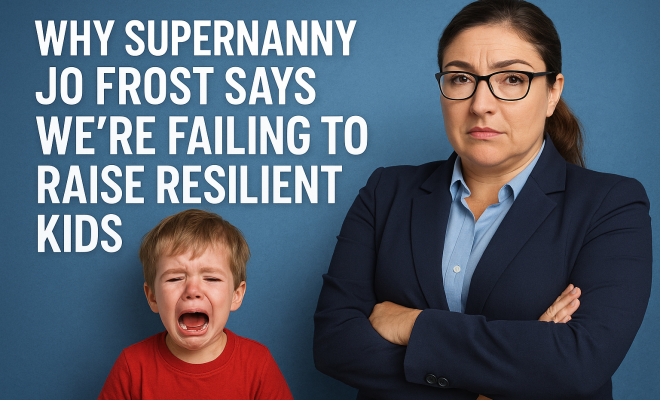
Jo Frost, famously known as the “Supernanny,” has always been a voice for positive parenting and effective discipline techniques. Recently, she’s taken a bold stance against what she perceives as a growing problem among modern parents: the raising of children who lack resilience. Frost doesn’t mince words; she describes some parents as “lazy” for neglecting to teach their kids essential life skills that help them cope with challenges. But what does this mean for the future of our children? In a world that often feels overwhelming, how can we ensure that we’re raising resilient kids? Let’s explore Frost’s arguments and the broader implications for parenting today.
1. The Definition of Resilience
Before diving into the criticisms and suggestions laid out by Jo Frost, it’s crucial to understand what resilience truly is. Resilience is not merely the ability to bounce back from adversity; it’s about developing a toolkit to handle life’s challenges effectively. It encompasses emotional strength, adaptability, and problem-solving skills. In other words, resilient kids are better equipped to face failures and setbacks without losing their confidence.
According to a study published by the American Psychological Association, resilience can be cultivated through supportive relationships and positive experiences. Children raised in environments that encourage them to face challenges, rather than avoid them, are more likely to develop these essential skills. So, the question becomes: Are we providing our children with these opportunities?
2. Jo Frost’s Concerns
Frost’s critiques center on her belief that many parents are inadvertently hindering their children’s development by shielding them from failure or hardship. “Kids need to learn how to cope with disappointment, to solve problems on their own, and to face challenges head-on,” she asserts. Her comments strike a chord because they challenge the instinctual urge of parents to protect their kids from pain.
She goes on to claim that children today are often pampered and given too much without having to earn it. This can lead to a false sense of security and an unrealistic worldview. If children are consistently shielded from the discomfort of not getting what they want, they may struggle to cope when faced with the inevitable challenges of adulthood.
3. The Role of Basic Life Skills
One of Frost’s main arguments highlights the importance of teaching basic life skills. According to her, many parents overlook fundamental lessons, such as cooking, managing finances, or even handling disappointment. These skills are vital for self-sufficiency. For example, learning how to cook not only fosters independence but also teaches children about nutrition and the effort involved in creating a meal.
Moreover, children who learn to handle money, even in small amounts, are better prepared to make informed financial decisions as adults. The act of budgeting and saving can instill a sense of responsibility and foresight. When children acquire these skills early, they’re not just better equipped to handle their daily lives; they’re also more prepared for the challenges that come with growing up.
4. The Consequences of Overprotectiveness
One of the significant dangers of overprotectiveness is that it can lead to an inability to cope with stress. When parents shield their children from any form of discomfort or struggle, they inadvertently send a message that challenges are to be avoided rather than faced. This can manifest in anxiety, fear of failure, and a lack of self-esteem.
A study published in the journal Pediatrics found that children whose parents are overly involved in their lives may have a higher risk of developing anxiety and depression. They are less likely to engage in problem-solving behaviors when faced with challenges, leading to a cycle of dependency. This cycle can be difficult to break and may lead to further issues in adulthood.
5. Encouraging Independence
Fostering independence is critical for raising resilient kids. Frost emphasizes the importance of allowing children to make their own choices, even if they lead to mistakes. Learning from those mistakes is often one of the most effective ways to build resilience. For instance, if a child decides to skip homework in favor of playing video games, the resulting consequences can lead to valuable lessons about responsibility.
Empowering children to take charge of their decisions encourages self-confidence and critical thinking. As they learn to navigate their own choices, they develop a sense of autonomy that is crucial for their personal growth. This independence can also lead to a stronger sense of self-worth, as they realize they are capable of managing their own lives. (See: NIH study on resilience in children.)
6. Teaching Coping Mechanisms
Another essential aspect of raising resilient kids is teaching them effective coping mechanisms. Frost advocates for open communication about feelings and emotions. When children understand that it’s okay to express frustrations and sadness, they’re more likely to develop healthy ways to deal with difficult emotions.
Modeling emotional intelligence can have a profound impact on how children handle stress. Parents can encourage their kids to talk openly about their feelings, practice mindfulness, or even engage in physical activities to relieve stress. These coping mechanisms not only help children deal with their current challenges but also equip them with tools they’ll need throughout their lives.
7. Encouraging Risk-Taking
Frost believes that allowing children to take calculated risks is essential for developing resilience. Whether it’s climbing a tree, trying out for a sports team, or leading a school project, these experiences can foster courage and determination. Calculated risks help children understand their own limits and capabilities.
Risk-taking is often accompanied by the potential for failure, but this is where the real learning happens. When children experience a setback, they learn valuable lessons about perseverance and grit. Encouraging them to step outside their comfort zone can lead to tremendous personal growth and resilience. Remember, every small risk taken can pave the way for greater challenges in the future.
8. Creating a Supportive Environment
Creating a nurturing environment is crucial for raising resilient kids. This means fostering relationships built on trust and support. Frost stresses the importance of being there for your children, but also making it clear that you believe in their abilities to overcome challenges.
Parents can create this supportive environment by actively listening to their children’s concerns, validating their feelings, and encouraging them to find solutions to their problems. This approach not only strengthens the parent-child bond but also reinforces the idea that overcoming challenges is a shared experience. With this kind of support, children are more likely to approach problems with confidence and resilience.
9. The Role of Community
Lastly, Frost highlights the importance of community in raising resilient kids. Encouraging children to engage with their peers and participate in group activities can help them learn teamwork and cooperation, two essential skills for resilience. Community involvement also broadens their perspectives and exposes them to diverse experiences.
Whether it’s through sports teams, clubs, or volunteer opportunities, being part of a community allows children to learn from others, share their experiences, and gain valuable insights. The support of a broader network can reinforce the lessons learned at home and provide additional safety nets for children as they navigate their journeys.
10. The Science of Resilience
Understanding resilience from a scientific perspective can bolster parental efforts in raising resilient children. Studies suggest that resilience is a dynamic process influenced by various factors, including genetics, environment, and individual experiences. For instance, research indicates that children with a strong sense of purpose are more likely to exhibit resilient behaviors. A study conducted by the University of Pennsylvania found that children who engage in goal-setting are more adaptable and better able to cope with stress.
Moreover, the concept of neuroplasticity plays a significant role in resilience. Children’s brains are capable of forming new neural connections throughout their lives. This means that, with the right support and experiences, parents can help their children build resilience even if they struggle initially. Activities such as mindfulness, physical exercise, and creative arts have been shown to enhance emotional regulation and resilience in children.
11. Common Myths About Resilience
Many misconceptions surround the concept of resilience, which can hinder effective parenting practices. One common myth is that resilience is solely an inherent trait; however, it can be cultivated. Another misconception is that resilience means never feeling negative emotions. In fact, resilience involves experiencing and processing those emotions in healthy ways.
Additionally, some believe that resilience requires a lack of support. On the contrary, having a strong support system is crucial for building resilience. Children who feel supported are more likely to take risks and face challenges, knowing they have a safety net to fall back on. Understanding these myths can help parents adopt more effective strategies in raising resilient kids.
12. Practical Tips for Parents
Raising resilient kids can be approached with specific, actionable strategies that parents can implement. Here are some practical tips: (See: WHO on adolescent health and resilience.)
- Encourage problem-solving: When children encounter difficulties, guide them to brainstorm solutions rather than providing the answers directly.
- Allow natural consequences: Let children experience the outcomes of their choices when safe to do so. This will help them understand the importance of their decisions.
- Practice gratitude: Cultivating gratitude can shift a child’s perspective from what they lack to what they have, fostering a positive mindset.
- Model resilience: Share your own challenges and how you cope with them. Children learn by watching their parents handle stress and setbacks.
- Promote physical activity: Regular exercise has been linked to improved mood and resilience. Encourage your kids to engage in activities they enjoy.
13. Building Resilience in a Digital Age
In today’s digital world, raising resilient kids presents unique challenges and opportunities. While technology can sometimes contribute to feelings of inadequacy or cyberbullying, it can also serve as a tool for building resilience. Parents can encourage their children to use technology positively, such as by connecting with peers who share similar interests or engaging in online learning platforms that encourage problem-solving and creativity.
Setting healthy boundaries around screen time and encouraging offline activities can help foster resilience. For example, limiting time spent on social media can reduce feelings of comparison and inadequacy, allowing children to focus instead on personal growth and real-life interactions. Teaching children digital literacy and responsible online behavior is also essential, as these skills help them navigate challenges in the digital landscape.
14. FAQs on Raising Resilient Kids
What are the signs of a resilient child?
Resilient children often show adaptability, emotional regulation, problem-solving skills, and a positive outlook. They are more likely to bounce back from setbacks and approach challenges with a sense of confidence.
Can resilience be taught?
Absolutely! Resilience can be nurtured through supportive relationships, teaching coping mechanisms, and providing opportunities for children to face challenges and learn from mistakes.
How can I help my child cope with failure?
Encourage open discussions about failure, emphasizing that it is a normal part of life. Help your child analyze what went wrong and what they can do differently next time, reinforcing that setbacks are opportunities for growth.
What role does emotional intelligence play in resilience?
Emotional intelligence is crucial for resilience. When children learn to understand and manage their emotions, they are better equipped to cope with stress and adversity. Teaching emotional awareness can significantly enhance a child’s resilience.
How important is peer support in building resilience?
Peer relationships provide essential support and understanding. Having friends who encourage and challenge each other fosters resilience, as children learn to navigate social complexities and support one another through difficult times.
15. A Call to Action for Parents
Jo Frost’s assertions about the importance of raising resilient kids resonate deeply in today’s fast-paced, often overwhelming world. As parents, it’s essential to reflect on our parenting styles and consider how we can better equip our children for the challenges they will face. By fostering independence, teaching coping mechanisms, encouraging risk-taking, and creating a supportive environment, we can all contribute to raising a generation of resilient individuals.
Ultimately, the goal is not to create a generation that never faces hardship but to raise kids who are prepared to handle life’s inevitable ups and downs. The lessons learned in childhood can lay the groundwork for a future filled with confidence and resilience, ensuring that our children can thrive, no matter what life throws their way.
16. Parenting Style and Its Impact on Resilience
The way parents interact with their children plays a significant role in shaping their resilience. Different parenting styles, such as authoritative, authoritarian, permissive, and neglectful, can influence a child’s ability to cope with adversity. Research shows that authoritative parenting, characterized by high responsiveness and high demands, tends to produce the most resilient children. These parents set clear expectations while providing emotional support and encouragement.
On the other hand, authoritarian and neglectful parenting styles can hinder resilience. Children raised in authoritarian households may comply with rules but often struggle with self-esteem and independence, fearing failure more than learning from it. Neglectful parenting can deprive children of the emotional support they need to face challenges, leaving them ill-equipped to handle stress effectively. Understanding the impact of different parenting styles can guide parents in their approach to raising resilient kids.
17. Emotional Regulation and Resilience
Emotional regulation is a pivotal skill in developing resilience. Children need to learn how to manage their emotions effectively, which includes recognizing feelings and expressing them appropriately. Parents can help by modeling emotional regulation techniques, such as deep breathing exercises, journaling, or talking about feelings. By teaching children to recognize and label their emotions, parents can empower them to cope with overwhelming situations.
Research indicates that children who can regulate their emotions tend to have better social skills and are more adaptable to changing environments. Encouraging kids to practice emotional expression in safe settings—like family discussions or role-playing—can enhance their ability to face life’s challenges. This skill becomes particularly important as children transition into adolescence, a time filled with emotional upheaval and societal pressure.
18. Resilience in Education
The educational environment plays a critical role in developing resilience in children. Schools that prioritize social-emotional learning (SEL) often see improved resilience among their students. SEL programs teach children skills such as empathy, emotional regulation, and problem-solving, all of which contribute to greater resilience. Schools can incorporate resilience-building activities, such as group projects that require collaboration, overcoming academic challenges, and encouraging a growth mindset.
Additionally, teachers who recognize the importance of resilience can support their students by providing constructive feedback rather than just grades. Encouraging a culture of learning from mistakes and taking calculated risks can help students embrace challenges and build their confidence. Parental involvement in education further enhances these efforts, creating a supportive home-school connection that nurtures resilience.
19. Physical Health and Resilience
Physical health has a direct connection to resilience. Regular physical activity not only promotes overall health but also enhances mood and emotional regulation. Exercise releases endorphins, which are natural mood lifters, helping children manage stress more effectively. Parents can encourage outdoor play and participation in sports as a way to boost physical health and resilience simultaneously.
Nutrition also plays a crucial role in resilience. A balanced diet rich in fruits, vegetables, whole grains, and proteins can improve cognitive function and emotional stability. Parents should aim to model healthy eating habits and involve their children in meal planning and preparation, instilling both nutritional knowledge and practical life skills.
20. Conclusion: The Long-term Benefits of Raising Resilient Kids
Raising resilient kids is not just about preparing them for the challenges of today but equipping them with the tools they need for lifelong success. Resilience fosters adaptability, which is essential in an ever-changing world. As parents, the commitment to nurturing resilience in our children can lead to profound long-term benefits, including better mental health, stronger relationships, and greater achievement in life.
Every effort made towards teaching resilience is an investment in the future. By focusing on fostering independence, emotional intelligence, and problem-solving skills, we pave the way for our children to thrive in an unpredictable world. Embracing this journey of parenting with intention will help ensure that the next generation is not only resilient but also equipped to contribute positively to society.
“`
Trending Now
Frequently Asked Questions
What does Jo Frost say about raising resilient kids?
Jo Frost argues that many parents are failing to raise resilient kids by shielding them from challenges and hardships. She emphasizes the importance of allowing children to face failures and learn problem-solving skills, asserting that these experiences are crucial for developing emotional strength and adaptability.
Why is resilience important for children?
Resilience is vital for children as it equips them with the skills to cope with adversity and setbacks. Resilient kids can bounce back from failures, maintain their confidence, and develop emotional strength, which is essential for navigating life's challenges effectively.
How can parents help their children develop resilience?
Parents can help their children develop resilience by encouraging them to face challenges rather than avoiding them. This includes allowing kids to experience disappointment, solve problems independently, and learn from their mistakes, which fosters a sense of confidence and adaptability.
What are Jo Frost's criticisms of modern parenting?
Jo Frost criticizes modern parenting for being overly protective, which she believes hinders children's development. She describes some parents as 'lazy' for not teaching essential life skills, arguing that parents should encourage their kids to confront difficulties to build resilience.
What is the definition of resilience in children?
Resilience in children is defined as the ability to effectively handle life's challenges. It includes emotional strength, adaptability, and problem-solving skills, allowing kids to recover from setbacks and maintain their confidence in the face of adversity.
What did we miss? Let us know in the comments and join the conversation.